
Views: 222 Author: SENHEDA WOOD Publish Time: 2026-01-23 Origin: Site


Content Menu
● What Makes a Hardwood “Best” for Doors?
● Overview: 5 Best Hardwood Species for Doors
>> Key Door Hardwood Comparison
● Iroko Doors: African Teak for Long‑Life Front and Exterior Doors
>> Key Characteristics of Iroko for Doors
>> When Iroko Is the Best Choice
● Padauk Doors: Vibrant, High‑Strength Wood for Statement Designs
>> Why Designers and Builders Choose Padauk
>> Ideal Scenarios for Padauk Hardwood Doors
● Pachyloba Doors: Exotic African Whitewood with a Smooth Finish
>> Core Properties for Door Use
>> When Pachyloba Is a Smart Option
● Red Eucalyptus Doors: Bold Color and Outdoor Resilience
>> Key Advantages for Door Applications
>> Best Use Cases for Red Eucalyptus Hardwood Doors
● Sapele Doors: Mahogany‑Style Look with Excellent Value
>> Why Sapele Is Popular for Doors
>> When Sapele Is the Top Pick
● How to Choose the Right Hardwood for Your Door Project
>> Step 1 – Define Door Location and Exposure
>> Step 2 – Match Wood Performance to Environment
>> Step 3 – Consider Style and Color Requirements
>> Step 4 – Align with Budget and Lifecycle Cost
● Practical Tips for Designing and Maintaining Hardwood Doors
>> Maintenance Tips for Long‑Lasting Hardwood Doors
● Why Source African Hardwood Doors from HONG KONG SENHEDA WOOD LIMITED?
>> Advantages of Partnering with HONG KONG SENHEDA WOOD LIMITED
● Clear Call to Action: Start Your Hardwood Door Project with SENHEDA WOOD
● FAQs About the Best Hardwood for Doors
>> 1. What is the best hardwood for exterior doors?
>> 2. Are Sapele doors good for interior applications?
>> 3. Is Padauk too bright for most projects?
>> 4. How long can hardwood doors last with proper maintenance?
>> 5. Why choose African hardwoods for doors instead of softwood or MDF?
Choosing the best hardwood for doors is one of the most important decisions if you want doors that look premium, feel solid, and last for decades with minimal maintenance. The right wood species affects durability, stability, weather resistance, design style, and even the long‑term cost of ownership.

When evaluating hardwood for doors, focus on performance, appearance, and lifecycle costs rather than price alone.
Key factors that define a high‑quality door hardwood include:
- Durability and hardness: Resistance to dents, scratches, and impact in daily use.
- Weather and moisture resistance: Stability in humid, coastal, or outdoor environments.
- Dimensional stability: Ability to stay straight and avoid warping, twisting, or excessive movement.
- Decay and insect resistance: Natural resistance to rot, fungi, and termites.
- Workability and finish: How well the wood machines, glues, and accepts paint, stain, or clear finishes.
- Aesthetic versatility: Grain pattern, color range, and how well it matches modern, classic, or luxury interiors.
For exterior doors, prioritize weather, decay, and insect resistance, while for interior doors, aesthetics, dimensional stability, and noise insulation matter more.
Below is an at‑a‑glance comparison of the five main hardwoods covered in this guide: Iroko, Padauk, Pachyloba, Red Eucalyptus, and Sapele.
Wood species | Best use cases | Key strengths |
Iroko (African teak) | Exterior and front doors | Excellent weather resistance, long service life |
Padauk | Feature and statement doors | Vibrant color, high strength, insect resistance |
Pachyloba | Interior and semi-exterior | Good strength, smooth finish, subtle exotic look |
Red Eucalyptus | Exterior and garden doors | High hardness, decay resistance, outdoor performance |
Sapele | Interior and premium doors | Mahogany-like look, stable, cost-effective |
Each species offers a different balance of cost, performance, and design, so the “best hardwood for doors” depends on where and how the doors will be used.
Iroko, often called African teak, is widely recognized as one of the best hardwoods for exterior doors thanks to its natural oils and dense structure.
- Color and grain: Yellow to golden‑brown, darkening with age to a richer tone that helps hide minor wear.
- Durability: Naturally resistant to water, decay, and many insects because of its oily, dense grain.
- Typical applications: Ideal for front doors, exterior doors, patio doors, and doors in coastal or tropical climates.
Choose Iroko hardwood doors when:
- You need high weather resistance for exposed entrances or seafront properties.
- You want a solid‑wood look similar to teak at a more competitive cost.
- You are designing premium homes, resorts, villas, or commercial entrances where longevity is a priority.
With correct finishing and basic maintenance, Iroko doors can deliver multi‑decade service life in demanding outdoor environments.
Padauk is the go‑to wood when bold color and strong mechanical performance are both critical in a door project.
- Vibrant appearance: Freshly cut wood ranges from bright red to orange, then deepens into warm brown over time.
- Mechanical strength: High strength and stiffness, with good resistance to decay and insect attack.
- Typical applications: Ideal for feature doors, decorative panels, luxury interiors, and design‑driven projects.
Padauk is particularly suited for:
1. Architect‑led residential projects requiring standout front or interior doors.
2. Boutique hotels, galleries, or showrooms where the door becomes part of the visual brand identity.
3. Custom luxury joinery that needs a combination of decorative impact and structural performance.
Because of its striking color, Padauk is best used where the wood grain is visible rather than hidden under opaque paint.
Pachyloba, often known as African Whitewood, is a strong, reliable hardwood that balances exotic origin with a cleaner, lighter aesthetic.
- Color: Pale yellow to light brown, offering a softer, contemporary look.
- Texture: Fine, even texture that delivers a smooth, refined surface after machining and finishing.
- Performance: Good strength and natural resistance to decay and insects, suitable for long‑term use.
Consider Pachyloba hardwood doors when:
- You prefer light‑to‑medium color tones that work well with Scandinavian or minimalist design.
- You need a strong but not overly heavy hardwood for interior or semi‑exterior doors.
- You want an “exotic but subtle” door appearance instead of a dark or heavily figured timber.
Its balanced properties make Pachyloba a solid choice for family homes, apartments, and light‑commercial interiors.
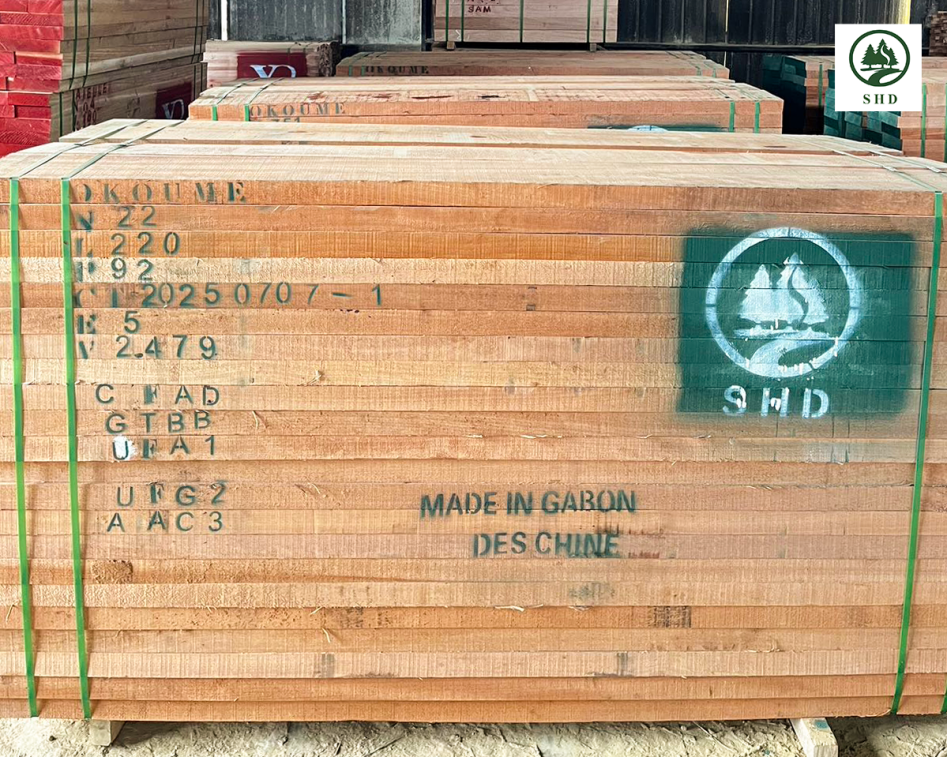
Red Eucalyptus, sometimes referred to as Red Gum, is a high‑hardness hardwood known for strength and weather performance, particularly in outdoor or semi‑exposed conditions.
- Color and grain: Bold reddish‑brown shade with generally straight grain, providing a strong visual presence.
- Durability: High resistance to decay and reliable performance in external applications.
- Typical applications: Exterior doors, garden gates, outbuilding doors, and heavy‑use internal doors.
With proper treatment and regular maintenance, eucalyptus‑based hardwood door products can achieve long service lives, especially in structural and outdoor roles.
Red Eucalyptus is ideal when:
- You require high hardness to resist dents and impact in busy households or public buildings.
- Doors are exposed to varying weather yet still need a natural‑wood aesthetic.
- You want a strong, clearly visible grain that matches rustic, farmhouse, or industrial design themes.
Sapele is one of the most versatile and cost‑effective hardwoods for doors and is often used as a practical mahogany substitute.
- Appearance: Rich reddish‑brown color with interlocked grain that often creates a distinctive ribbon effect.
- Performance: Durable, decay‑resistant, and dimensionally stable, making it suitable for both interior and semi‑exterior doors.
- Typical applications: Widely used in doors, cabinetry, furniture, and paneling in residential and commercial projects.
Sapele stands out when:
- You want high‑end visuals similar to mahogany at a more accessible price point.
- A project requires consistent color and grain across multiple doors and millwork elements.
- You are designing interior doors for high‑traffic areas such as hotel corridors or office suites.
Because of its balance of cost, durability, and aesthetics, Sapele has become a default hardwood option for interior doors in many mid‑to‑high‑end projects.
To move from theory to practice, it helps to follow a clear, step‑by‑step selection process when deciding which hardwood is best for the doors in your project.
- Interior doors: Focus on aesthetics, stability, sound reduction, and budget.
- Exterior or front doors: Prioritize weather resistance, dimensional stability, and security.
- Semi‑exposed doors (balcony, porch, or covered terrace): Balance appearance with moisture and UV resistance.
- For humid, coastal, or tropical climates, choose woods with strong natural durability such as Iroko, Red Eucalyptus, or Sapele for better stability and resistance.
- For temperature‑stable indoor spaces, Sapele, Pachyloba, and Padauk perform extremely well and offer a wide design range.
- For warm, rich, classic interiors: Iroko, Sapele, or darkened Padauk work especially well.
- For light, modern, minimal spaces: Pachyloba and carefully finished Eucalyptus provide a clean look.
- For bold statement doors: Padauk or Red Eucalyptus highlight the entrance or key interior transitions.
Even when the upfront cost of hardwood is higher, longer service life and lower replacement frequency often make hardwood doors more economical over time. When planning a large project, consider both the initial investment and the expected lifespan.
Correct design and maintenance can extend hardwood door life by many years, especially for exterior doors that face sun, rain, and temperature swings.
- Specify proper seasoning or kiln‑drying to minimize internal stresses and reduce the risk of warping.
- Choose suitable cores: Use solid or engineered cores depending on door size, thickness, and location.
- Match hardware to door weight: Select high‑quality hinges, locks, and handles rated for dense hardwood doors.
1. Seal all sides of the door, including top and bottom edges, before installation.
2. Inspect the finish every one to two years for exterior doors and re‑coat when fading, cracking, or bare patches appear.
3. Keep door frames, thresholds, and seals in good condition to prevent water ingress and air leaks.
These steps significantly improve the long‑term stability and appearance of Iroko, Padauk, Pachyloba, Red Eucalyptus, and Sapele doors.
For global builders, importers, and door manufacturers, reliable sourcing is just as important as choosing the right species. Working with an experienced hardwood partner helps you avoid quality fluctuations, unstable supply, and shipping issues.
HONG KONG SENHEDA WOOD LIMITED specializes in African hardwood supply and supports OEM and bulk door projects worldwide.
- Proven industry experience: Many years focused on African timber trading, with deep knowledge of species like Iroko, Padauk, Sapele, and other hardwoods used in doors, decking, and structural applications.
- Stable large‑volume supply: Capable of handling substantial monthly volumes and container shipments to support long‑term, high‑volume door manufacturing programs.
- Broad export network: Supplies customers across Asia, the Middle East, Europe, and other global markets, helping buyers consolidate sourcing channels.
- Professional technical support: Provides guidance on species selection, usage scenarios, and optimization for door, flooring, and outdoor applications.
This combination of scale, experience, and technical service helps buyers reduce sourcing risk and maintain consistent quality across residential, commercial, and industrial projects.
If you are planning front doors, interior doors, or exterior joinery, choosing the right hardwood and a reliable supplier is critical for long‑term performance and return on investment.
HONG KONG SENHEDA WOOD LIMITED can support you with:
- Bulk and custom dimensions for Iroko, Sapele, and other African hardwood door components.
- Consistent quality control from forest to port, backed by years of international export experience.
- Technical recommendations tailored to your climate, design requirements, and budget needs.
Ready to choose the best hardwood for your doors and secure a stable, long‑term supply partner?
Contact HONG KONG SENHEDA WOOD LIMITED today to discuss suitable species, sizing, and shipment plans for your next residential, commercial, or OEM door project, and let our team help you turn design concepts into durable, high‑value wood doors.
The best hardwood for exterior doors is typically a species with strong natural durability and weather resistance. Iroko and Red Eucalyptus are popular choices for exposed front doors because they combine strength, stability, and resistance to decay when properly finished and maintained.
Yes. Sapele combines durability, attractive reddish‑brown color, and dimensional stability, which makes it an excellent option for high‑traffic interior doors in homes, hotels, and offices. It offers a premium look similar to mahogany but often at a more competitive cost.
Padauk starts with a vivid red‑orange tone, which makes it very eye‑catching for statement doors and feature entrances. Over time, this bright color naturally darkens into a warmer brown, so it can work well in both bold and more understated luxury interiors.
With the right species choice, good construction, and regular maintenance, hardwood doors can easily last 20 to 40 years or more. Exterior doors require more frequent inspection and refinishing, while interior doors often need only minimal care to maintain their appearance and performance.
African hardwoods generally offer higher strength, better decay resistance, and longer service life than softwood or MDF. Softwood and MDF doors are more prone to moisture damage, deformation, and mechanical wear, especially in high‑use or high‑humidity environments, making hardwood a better long‑term investment for many projects.
1. https://k-timbers.com/5-best-types-of-hardwood-for-doors/
2. https://k-timbers.com/suggestion-on-the-best-wood-for-interior-doors/
3. https://k-timbers.com/which-type-of-wood-is-best-for-front-doors/
4. https://k-timbers.com/how-durable-is-eucalyptus-wood-for-outdoor-furniture/
5. https://www.dpwoodtech.com/blog/choosing-the-best-wood-species-for-your-interior-and-exterior-wooden-doors.html
6. https://www.ghdoorframe.com/blog/what-types-of-wood-are-commonly-used-for-wood-doors-259516.html
7. https://www.mikasadoors.com/blog/top-5-wood-species-consider-engineered-wood-doors/
8. http://www.senhedawood.com
9. https://www.shdtimber.com
10. https://www.instagram.com/reel/DSXRP6tEZy3/


