
Views: 208 Author: SENHEDA WOOD Publish Time: 2026-03-16 Origin: Site


In the global timber industry, where volatility is the norm—from fluctuating raw material prices and shifting regulatory requirements to supply chain disruptions and quality inconsistencies—successful importers, distributors, and manufacturers share a common strategy: they don’t chase one-off deals or switch suppliers on a whim. Instead, they invest in building long-term, mutually beneficial partnerships with trusted suppliers. This approach isn’t just a “nice-to-have”; it’s a strategic choice that directly impacts profitability, risk mitigation, and long-term business sustainability.
For timber buyers, the costs of frequent supplier changes are far higher than many realize. Every time you switch to a new supplier, you’re forced to start from scratch: verifying their sourcing practices, testing product quality, negotiating terms, and aligning on delivery timelines. This process wastes time, increases administrative overhead, and introduces unnecessary risk—especially in an industry where small variations in wood quality (such as moisture content, grain consistency, or grade) can derail production, lead to customer complaints, or even result in costly rejections.
Long-term partnerships eliminate these inefficiencies by fostering familiarity, trust, and alignment. The most successful collaborations are built on three non-negotiable pillars—pillars that go beyond basic transactional requirements and become the foundation of a reliable supply chain:
Consistent, Stable Quality: In timber sourcing, consistency is just as important as quality itself. A long-term supplier learns your specific requirements—whether you need Okoume for furniture manufacturing, Iroko for outdoor decking, Sapelli for high-end joinery, or Kossipo for interior paneling—and refines their processes to meet those standards every single time. They understand that even a small deviation in moisture content (above 12%, for example) can cause warping or cracking in finished products, so they invest in rigorous quality control measures tailored to your needs. Over time, this consistency reduces waste, minimizes production delays, and ensures your end products meet the expectations of your own customers.
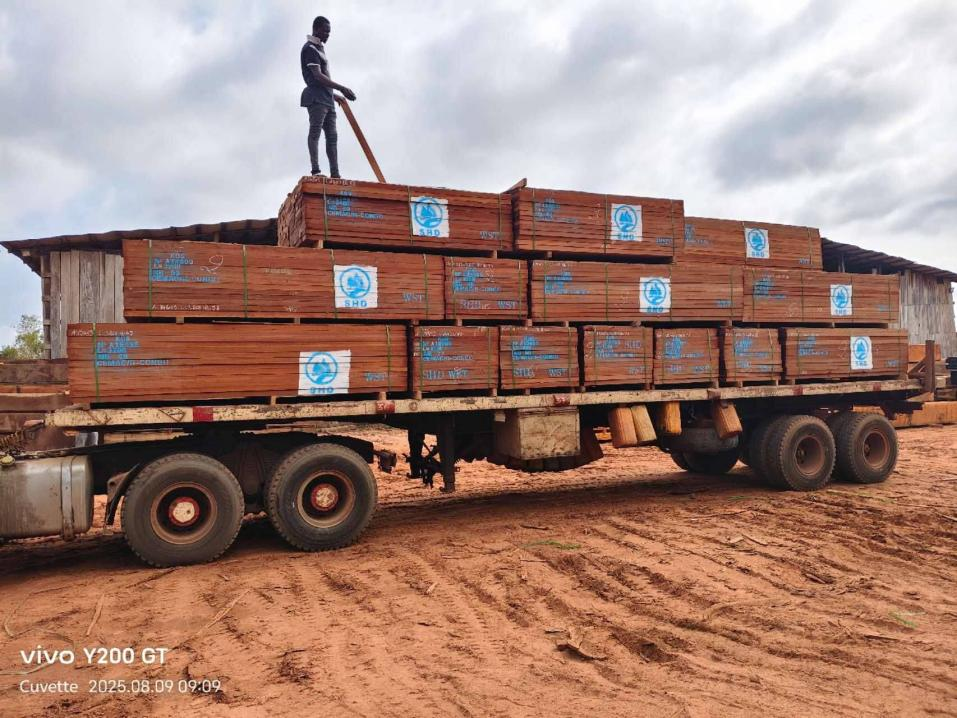
Reliable, Predictable Delivery: Timber supply chains are vulnerable to delays—from port congestion and customs hold-ups to seasonal harvesting restrictions in African countries. A long-term supplier prioritizes your orders and plans ahead to mitigate these risks. They maintain buffer stocks for your core products, coordinate shipping schedules to align with your production timeline, and proactively communicate any potential disruptions (along with solutions) before they impact your business. This predictability allows you to plan your inventory, fulfill customer orders on time, and avoid the costly consequences of stockouts or rushed shipments.
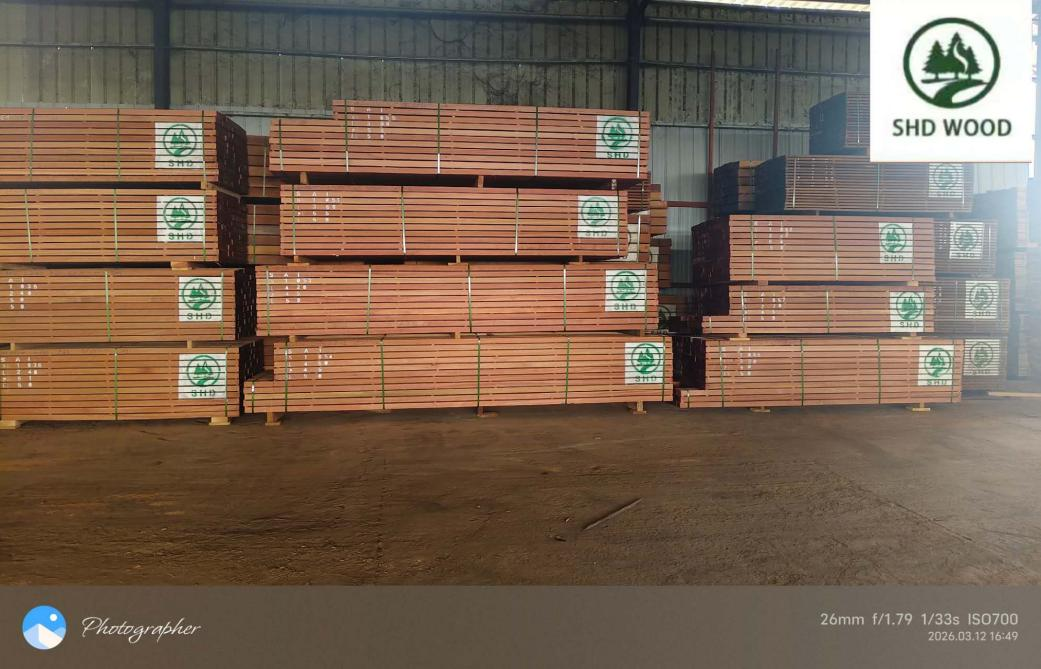
Transparent, Collaborative Communication: The best timber partnerships are built on open dialogue, not one-way transactions. A long-term supplier will keep you informed about everything that affects your orders—from changes in raw material costs and regulatory updates (such as CITES compliance for protected wood species) to improvements in their sourcing or processing methods. They listen to your feedback, adapt to your evolving needs (e.g., adjusting board sizes, optimizing packaging for international shipping), and act as a trusted advisor rather than just a vendor. This collaboration turns your supplier into an extension of your team, helping you navigate industry challenges and seize new opportunities.
Over time, these pillars translate to tangible business benefits. Long-term partnerships reduce sourcing risks by eliminating the uncertainty of working with unproven suppliers. They lower operational costs by streamlining communication, reducing quality control efforts, and avoiding the expenses associated with supplier onboarding. Most importantly, they strengthen your supply chain—turning a volatile, transactional process into a stable, predictable one that supports your business growth.
In the timber trade, it’s easy to fall into the trap of choosing suppliers based solely on price. A lower quote might seem appealing in the short term, but it often comes with hidden costs: inconsistent quality, delayed deliveries, poor communication, or even non-compliance with industry regulations. These costs can erode your profit margins, damage your reputation, and put your business at risk.
Choosing a timber supplier should be a long-term decision—one that prioritizes reliability, consistency, and mutual growth. A truly reliable supplier isn’t just someone who sells you wood; they’re a strategic partner who understands your business goals, shares your commitment to quality, and works with you to overcome industry challenges. They invest in your success because your success is their success.
If you’re sourcing African hardwood sawn timber—including Okoume, Iroko, Sapelli, Kossipo, or other premium species—we don’t just want to be your supplier. We want to be your long-term partner. With years of experience in sustainable African timber sourcing, rigorous quality control processes, and a commitment to transparent communication, we’re here to support your business’s growth, reduce your sourcing risks, and deliver the consistency you need to thrive.
Feel free to connect with us via LinkedIn, visit our official website to learn more about our sourcing practices and product range, or reach out directly to discuss how we can tailor our services to your specific needs. Let’s build a partnership that lasts—and grows—together.
HONG KONG SENHEDA WOOD LIMITED,we have been focusing on African wood business for 16 years ,Our variety include OKOUME, IROKO, SAPPELLY,ZEBRA, TALI, PADOUK, BOSSE, AZOBE, EYOUM,DABEMA, AFROMOSIA, TIAMA, OVANGOL, WENGE, KOSIPO, BILLINGA,TEAK,OKAN,etc.
Using SENHEDA WOOD (SHD WOOD) as a benchmark, reliable exporters offer:
Iroko, Sapele, Okoume, and Dabema.
Bill of Lading, Certificate of Origin, Phytosanitary Certificate, African and Chinese CITES.
4,000 to 8,000 CBM ensures steady volume for long-term sourcing agreements.
Positive feedback on product stability, sustainability, and technical support.
our website:www.shdtimber.com
Contact:Sharon Yao
Whatsapp:+8613418472425


