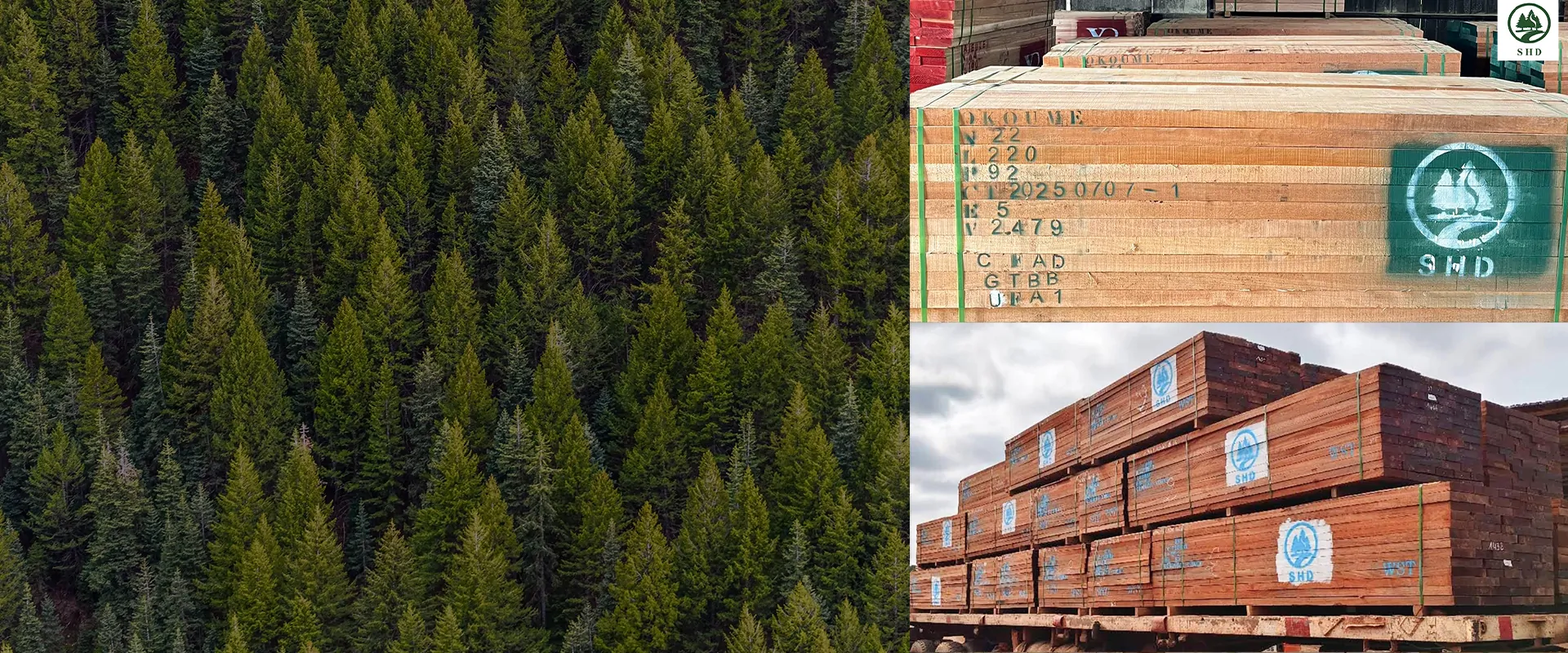
Africa is one of the world's most important suppliers of tropical hardwood. The continent possesses vast tropical forest resources, particularly in West Africa and Central Africa, which supply a large volume of hardwood to global markets every year.
READ MOREIn today’s global furniture and woodworking industry, choosing the right hardwood is about more than just appearance. Manufacturers and distributors are increasingly focused on materials that offer durability, consistent quality, and reliable supply.
READ MOREAZOBE, scientifically known as Lophira alata, is a premium tropical hardwood native to the dense rainforests and swampy areas of West and Central Africa, particularly Cameroon, Gabon, and the Republic of the Congo. Renowned for its exceptional durability, strength, and natural resistance to harsh conditions, it has become a preferred choice for heavy-duty construction and outdoor applications across the globe, especially in Europe. This article provides a comprehensive overview of AZOBE’s key properties, main applications, and optimal usage environments.
READ MORECentral Africa is renowned for its high‑performance tropical hardwoods, and Eyoum stands out as a top‑tier structural and decorative species. Also known as Dialium spp., Eyoum is widely sourced from Cameroon, Gabon, Republic of Congo, and Central African Republic—regions with strict legal forestry frameworks and sustainable management systems. For importers, manufacturers, and contractors, Eyoum delivers exceptional durability, stability, and aesthetic value at competitive supply stability.
READ MORETo be honest—finding a decent African timber supplier isn't always easy. If you're looking to source African timber, here's the stuff we wish someone had told us when we started.
READ MOREEyoum wood, a high-quality tropical hardwood native to Africa, has long been valued in the global timber market for its durability, beautiful texture, and wide range of applications. However, a common concern among many customers is that Eyoum wood from other African countries often has an unpleasant odor, which brings inconvenience to processing, production and daily use, and even limits its application in indoor and high-end product manufacturing.
READ MORE1.Afrormosia: When it comes to the property of being resistant to cracking, Afrormosia definitely ranks first.
READ MOREA landmark cooperation reshapes the Central African timber sector this quarter: Gabon and the Republic of the Congo officially signed a partnership to build a joint timber trade corridor, a game-changer for regional timber development and great news for global timber buyers and trade partners.
READ MOREEarlier this month, the inaugural Zámba Heritage Congress concluded in Nairobi with a groundbreaking commitment from 14 African governments. The participating nations agreed to drive sustainable forest management across 30 million hectares of African woodlands, with a joint pledge to mobilize substantial funding for forest restoration and value-added timber processing. As a core part of the initiative, Forest Stewardship Council (FSC) will invest millions in supporting African timber enterprises to obtain international sustainability certifications, helping more African timber meet global green trade standards.
READ MOREDibetou (scientific name Lovoa trichilioides), widely known as African Walnut or Tigerwood, is a prestigious tropical hardwood native to the lush rainforests of Central Africa, including Cameroon, Gabon, and the Republic of the Congo. Renowned for its striking appearance and exceptional workability, Dibetou has emerged as a top choice for high-end furniture, decorative veneers, and refined interior design worldwide.
READ MORE