
Views: 206 Author: SENHEDA WOOD Publish Time: 2025-10-27 Origin: HONG KONG SENHEDA WOOD LIMITED


Content Menu
● 1. Key Characteristics of Limba Wood
>> B. Physical and Mechanical Properties
● 2. Geographical Origins of Limba Wood
● 3. Applications and Uses of Limba Wood
>> B. Musical Instrument Production
>> C. Interior Design and Joinery
>> D. Crafts and Decorative Items
Limba wood, scientifically known as Terminalia superba and commonly referred to as "white limba," "black limba," or "korina," is a highly valued tropical hardwood native to the African continent. Renowned for its unique aesthetic appeal and versatile properties, it has gained popularity in various industries, from furniture making to musical instrument production. This article delves into the key characteristics, geographical origins, and diverse applications of limba wood, shedding light on why it remains a sought-after material in global markets.
Limba wood stands out due to its distinct physical, mechanical, and aesthetic traits, which make it adaptable to a wide range of uses. Below are its most notable characteristics:
· White Limba: Typically has a pale yellow to creamy white base color, often with subtle pink or light brown undertones. The grain is usually straight or slightly interlocked, with a fine to medium texture that gives it a smooth, uniform appearance when finished.
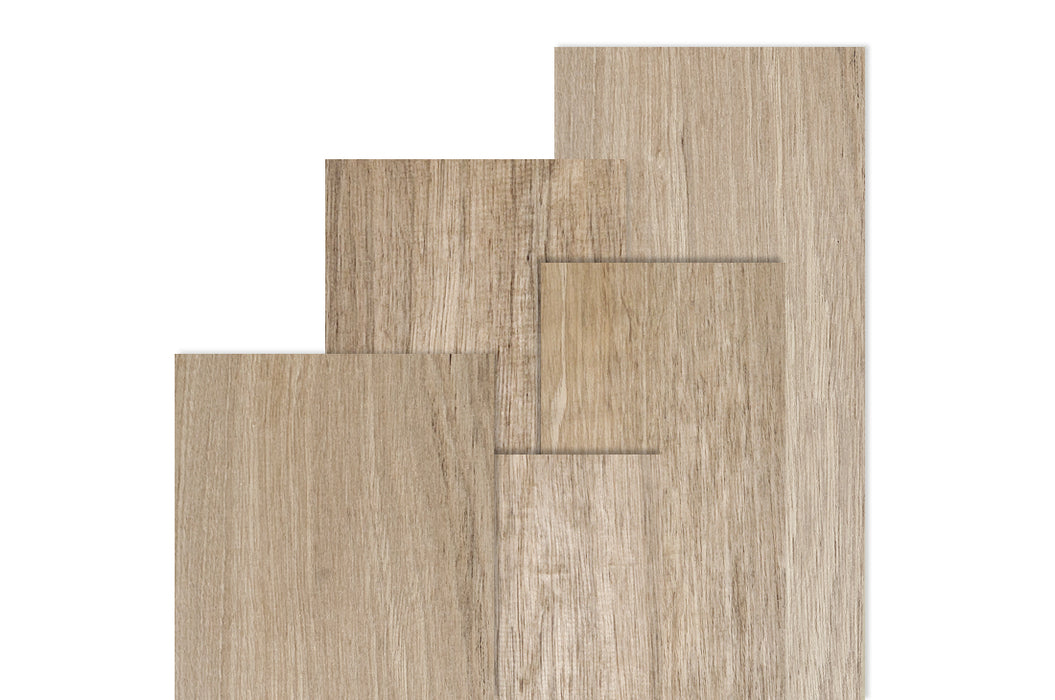
· Black Limba (also called "figured limba"): Exhibits a more dramatic look, with dark brown to black streaks, patches, or swirls contrasting sharply against the lighter base. These unique figuring patterns—such as flame, curl, or burl—make black limba highly prized for decorative applications, as each piece offers a one-of-a-kind design.
Both types have a natural luster that enhances their beauty when polished, making them ideal for projects where visual appeal is a priority.

Limba wood possesses a balanced set of physical properties that contribute to its practicality:
· Density: It has a moderate density, with an average dried weight of 400-500 kg/m³ (25-31 lbs/ft⊃3;). This places it in the "light to medium" hardwood category, making it easier to handle and work with compared to denser woods like teak or oak.
· Durability: While not as naturally resistant to decay and insect damage as some tropical hardwoods (e.g., teak), limba wood can be treated with preservatives to improve its longevity, especially for outdoor or high-moisture applications.
· Strength and Stability: It has good bending strength and moderate stiffness, allowing it to withstand moderate loads without breaking. Additionally, it has relatively low shrinkage rates when dried, which reduces the risk of warping or cracking during processing and use.
· Workability: Limba wood is highly workable with both hand and power tools. It cuts cleanly, sands smoothly, and takes nails, screws, and glue well. It also accepts stains, paints, and finishes evenly, making it easy to customize for different design needs.
Limba wood is indigenous to the tropical regions of West and Central Africa, where it thrives in moist, lowland forests. Its primary distribution areas include:
· West Africa: Countries such as Ghana, Ivory Coast, Nigeria, Cameroon, and Senegal. These regions are major producers of limba wood, with Ghana and Ivory Coast being among the top exporters due to their extensive forest resources and well-established timber industries.
· Central Africa: It is also found in parts of the Democratic Republic of the Congo, Gabon, and Equatorial Guinea, though production here is less prominent compared to West Africa.
In its natural habitat, limba trees can grow to impressive heights, reaching up to 40-50 meters (130-160 feet) tall, with trunk diameters of 1-2 meters (3-6 feet). The trees prefer well-drained, fertile soils and a tropical climate with high rainfall, which supports their rapid growth.
It is important to note that limba wood is subject to sustainable forestry practices in many producing countries to ensure the long-term viability of the species. Organizations such as the Forest Stewardship Council (FSC) certify some limba wood sources, ensuring that the timber is harvested in an environmentally responsible manner that protects biodiversity and supports local communities.
The unique combination of limba wood’s aesthetic appeal, workability, and moderate strength makes it suitable for a wide range of applications across various industries. Below are its most common uses:
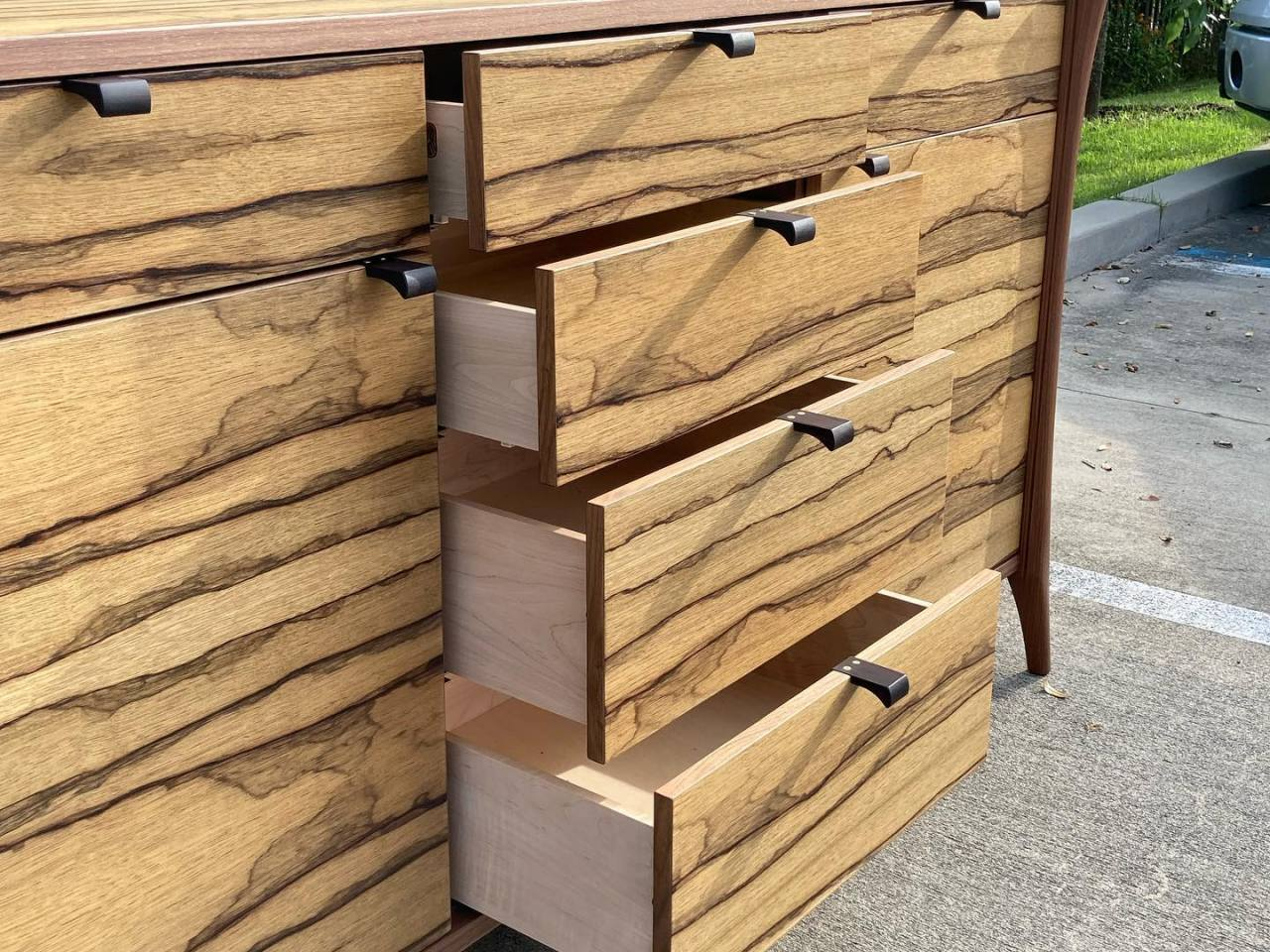
Limba wood is a popular choice for furniture due to its attractive appearance and ease of 加工. It is used to make:
· Case Goods: Cabinets, dressers, chests of drawers, and bookshelves. The straight grain and uniform color of white limba create a clean, modern look, while black limba’s figured patterns add a touch of elegance and uniqueness to high-end furniture pieces.
· Upholstered Furniture: Frames for sofas, chairs, and ottomans, as its moderate strength and stability can support the weight of upholstery and users.
· Accent Pieces: Coffee tables, side tables, and decorative items (e.g., bowls, vases) that showcase the wood’s natural beauty, especially the figured patterns of black limba.
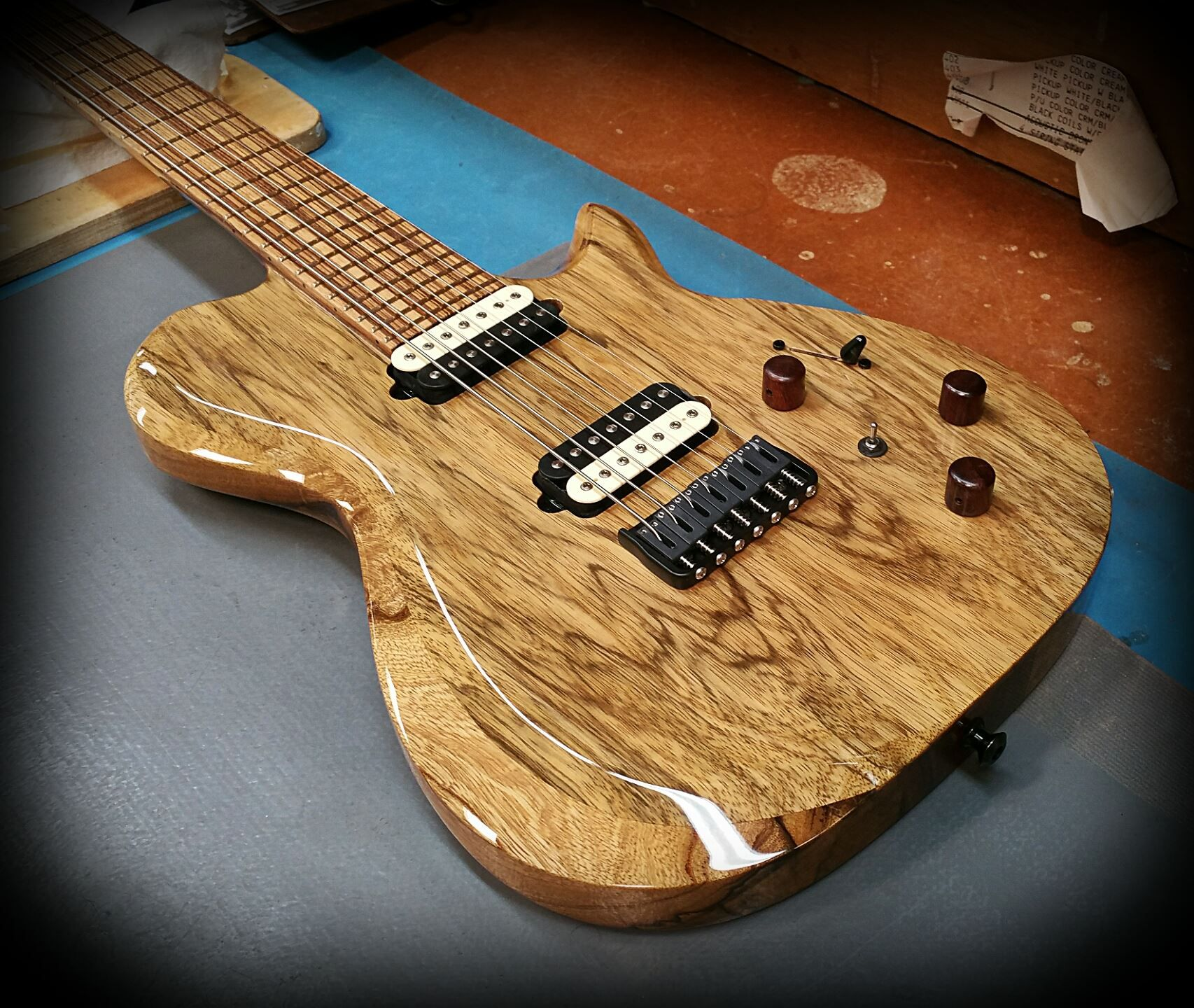
Limba wood has a long history of use in the manufacture of musical instruments, particularly guitars and other stringed instruments. Its key advantages for this application include:
· Tonewood Qualities: It has a balanced tonal profile, with good resonance and sustain, making it suitable for guitar bodies, necks, and fretboards. The light weight of limba wood also helps to reduce the overall weight of the instrument, improving playability.
· Aesthetic Appeal: The figured patterns of black limba are highly sought after for custom guitar bodies, as they create a visually striking instrument that stands out from those made with more common woods like alder or ash.
· Examples: It is used by many high-end guitar manufacturers, including Fender and Gibson, for custom and limited-edition models. It is also used in the production of other instruments such as ukuleles, mandolins, and drums (for drum shells).
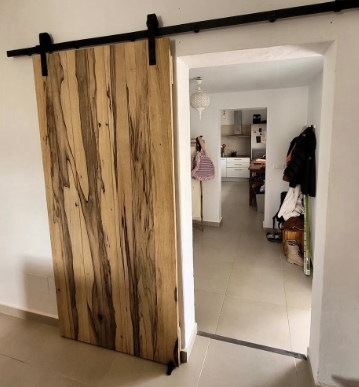
Limba wood is widely used in interior design to add warmth and character to spaces. Common applications include:
· Paneling and Wall Coverings: Its smooth texture and attractive grain make it ideal for wall paneling in homes, offices, and hotels, creating a luxurious and natural ambiance.
· Flooring: While not as hard as some flooring woods (e.g., oak), limba wood can be used for residential flooring in low-traffic areas. It is often finished with a protective coating to enhance its durability.
· Doors and Windows: It is used to make interior doors, window frames, and sashes, as its workability allows for intricate designs and its moderate strength ensures longevity.
Due to its ease of processing and unique appearance, limba wood is a favorite among woodworkers and crafters for creating:
· Turned Items: Bowls, platters, and pens, which highlight the wood’s grain and figuring.
· Carvings: Intricate carvings and sculptures, as the wood is soft enough to carve detailed designs but strong enough to hold its shape.
· Small Decorative Objects: Picture frames, jewelry boxes, and candle holders, which add a touch of natural beauty to any space.
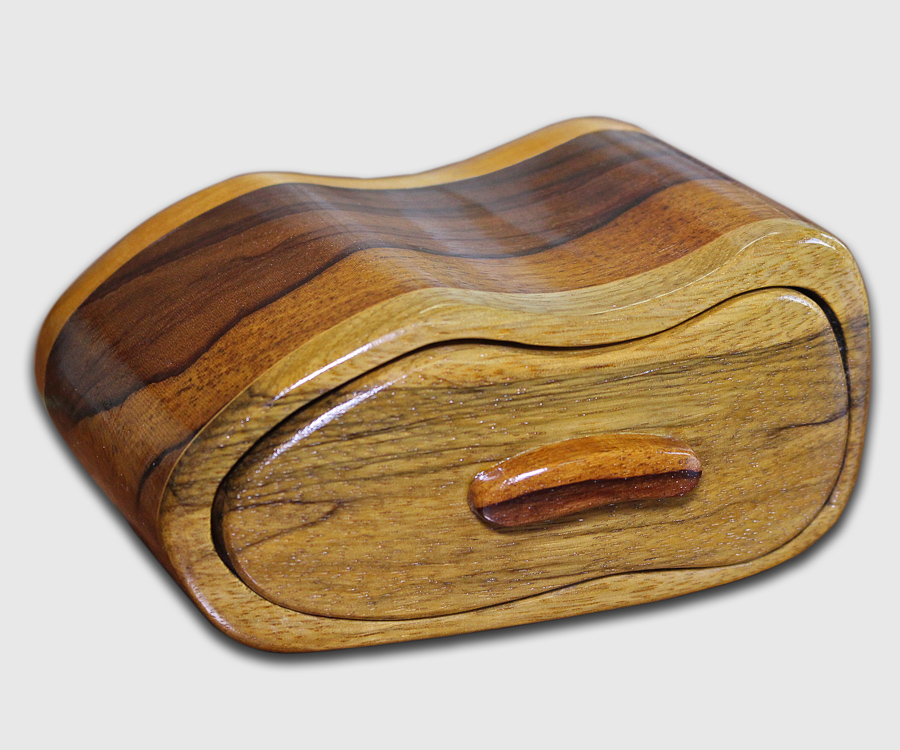
In addition to its decorative and craft applications, limba wood is also used in some industrial settings, such as:
· Packaging and Crating: Its light weight and moderate strength make it suitable for making crates and boxes for shipping fragile items.
· Plywood and Veneer: Limba wood veneer is widely used to cover cheaper woods in furniture, cabinetry, and interior design, as it provides the look of high-quality hardwood at a lower cost. Plywood made from limba wood is also used in construction and furniture making for its strength and stability.
Limba wood is a versatile and valuable tropical hardwood that offers a unique combination of aesthetic appeal, workability, and practicality. Its varied coloration, from the pale elegance of white limba to the dramatic figuring of black limba, makes it suitable for a wide range of applications, from high-end furniture and musical instruments to interior design and crafts. Originating from the tropical forests of West and Central Africa, it is produced under sustainable forestry practices to ensure its long-term availability. Whether you are a woodworker, designer, or consumer looking for a beautiful and functional material, limba wood is an excellent choice that continues to captivate with its natural charm and versatility.


