


Content Menu
● Understanding Teak's Material Strength
● Preparing Teak Wood for Sealing
● Choosing the Right Teak Wood Sealer
>> Teak Sealers
>> Teak Oil
● How to Seal Teak Wood: Detailed Step-by-Step Guide
>> Step 6: Curing and Aftercare
● Advanced Maintenance Tips & Pro Techniques
● Environmentally Conscious Sealing & Sustainability
● Restoring Aged or Damaged Teak
● Marine & Deck Applications: Special Considerations
● FAQ
>> 1. What is the best sealant for teak wood?
>> 2. How often should I reseal teak furniture?
>> 3. Can I use teak oil instead of sealer?
>> 4. Will sealing teak prevent it from turning gray?
>> 5. Is sanding necessary before sealing teak?
Teak wood stands at the pinnacle of timber for outdoor furniture and marine construction due to its unique durability, attractive golden appearance, and natural resistance to rot, pests, and water. Yet, even this celebrated hardwood benefits enormously from proper sealing. Sealing teak wood is crucial for preserving its natural beauty, protecting it from harsh environmental elements, and ensuring it remains a valuable investment for years to come.[1][2]
This comprehensive guide will delve deep into every aspect of sealing teak wood and offer authoritative advice for both novices and enthusiasts. From scientific insights into teak's unique properties to advanced care routines and recent trends in eco-friendly sealers, the following content provides actionable information and expert tips.

While teak's naturally high oil content helps repel moisture and pests, constant exposure to sunlight, humidity, and pollution can lead to surface graying, stains, and mildew. Sealing:
- Maintains teak's warm golden color, preventing premature graying or discoloration[3]
- Protects the surface from food or drink stains common in outdoor settings
- Inhibits mold, mildew, and algae, especially in humid environments[3]
- Simplifies regular cleaning and routine care[4]
Teak's value comes from its dense grain and high levels of natural oils and rubber. This combination offers outstanding resistance to water infiltration and microbial attack. However, these same oils can make it tricky for many conventional finishes to adhere, particularly if the wood isn't adequately prepared. Thus, a tailored approach is crucial—especially for outdoor or marine environments.[5][6]
Proper preparation is vital for enduring, high-quality results.
- Use a specialized teak cleaner or a mild soap mixed in warm water.
- Scrub the surface in the direction of the grain with a soft-bristled brush to lift dirt and surface grime.[5]
- Rinse thoroughly and allow the wood to dry for at least 24 to 48 hours. Moisture left in the wood will affect the bond and curing of the sealer.[3]
- Lightly sand the surface with fine-grit sandpaper (80–120 grit) to remove any rough patches or weathered layers.
- Always sand with the grain to avoid scratching or scarring the surface.
- Wipe away sanding dust with a damp, lint-free cloth for a clean, ready-to-seal surface.[7]
- New teak may have a factory-applied wax finish, requiring either:
- Several weeks of sun exposure to “open up” the pores, or
- Extra-thorough washing to strip residual wax before sealing.[4]
- Water-based, UV-blocking teak sealers are now industry-leading for their longevity, low toxicity, and ease of maintenance.[8][9]
- Recommended brands include Golden Care, Wessex Teak Sealer, and Semco.
- Best for boats/yachts and certain legacy applications.
- Offers a high-gloss protective film but requires meticulous multi-coat application and maintenance.[10]
- Not ideal for casual outdoor furniture due to the risk of cracking and peeling in variable climates.[6]
- An easy, traditional choice that enhances the “depth” of grain but provides minimal UV resistance and needs frequent reapplication.
- Not recommended for outdoor use where longevity is required.[11][12]
- Choose water-based, VOC-free, or low-impact sealers for maximum sustainability benefit.
- Select brands using eco-packaging and verify environmental certifications for both product and wood source.[13]
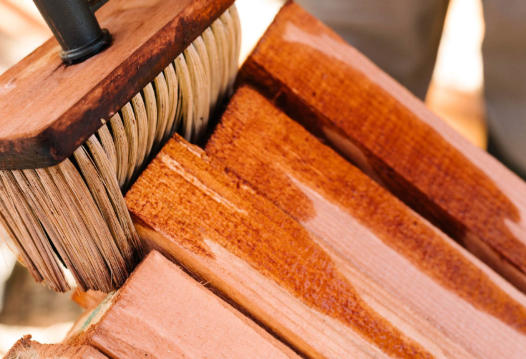
Expose factory-fresh teak to sunlight for several weeks to help remove manufacturing surface wax and prepare the grain for deep sealing.[8][4]
Scrub with a teak-specific cleaner or eco-friendly substitute; rinse thoroughly and let the wood dry fully.[5][3]
Lightly sand rough or weathered areas, wipe away all dust, and let the surface rest for at least an hour before moving to sealing.[7]
- Test in an inconspicuous spot first.
- Use a clean brush, sponge, or cloth to apply a thin, even coat, working in the direction of the grain.
- Avoid over-application—apply thinner rather than thicker coats.
- After 15–30 minutes, wipe away excess to avoid a sticky finish.
- Apply a second coat for higher durability after the first one dries (consult the product's guidelines for timing).
- For heavily weathered or high-use items, a third coat is sometimes recommended.
Let the sealed teak cure in a protected, well-ventilated area for 24–48 hours before use or exposure to weather.
- Seasonal Inspections: Perform a thorough cleaning and inspection at the start and end of outdoor seasons to address wear and touch up sealer as needed.[1]
- Spot Cleaning: For local stains, use a gentle solution of vinegar and warm water. Avoid bleach or aggressive chemicals that can strip both oils and finish.
- Preventative Measures: Use covers when possible or move furniture under shelter during storms to minimize weathering.
- Hardware Protection: Before sealing, tape off any metal or non-wooden features to prevent staining or corrosion from contact with cleaners or sealers.[7]
- Skipping Proper Surface Prep: Sealing over dirty or damp teak drastically reduces finish performance and appearance.[14]
- Over-Oiling: Excessive use of oil can create sticky layers that attract dust and mold, instead of protecting the wood.[11]
- Ignoring Manufacturer's Instructions: Always follow guidance on drying times, coats, and compatible cleaners for best results.
- Using Harsh Abrasives: Aggressive sanding or hard-bristled brushes can scratch the surface and create uneven sealing.[12][5]
- Install Location Oversight: Furniture kept near pools or coastal areas requires extra diligence due to chlorine, salt, and humidity.
Modern sealing products are trending toward sustainability:
- Prefer water-based, low-VOC, and biodegradable formulas to minimize environmental impact.[9]
- Seek products from companies that support reforestation or use FSC-certified teak for ultimate responsibility.[13]
- Avoid phosphates and heavy chemical cleaners to protect surrounding soil, water, and wildlife.[5]
Heavily weathered teak can often be brought back:
- Begin with deep cleaning and a light sanding to remove the gray patina, mildew, or surface roughness.
- Apply a rejuvenating product, such as a teak brightener, before resealing.
- Severely cracked or split sections may require specialist repairs or replacement before protecting with a new finish.[15][7]
- Always use marine-grade sealants for decks or boats; these are designed for expansion, heavy sunlight, and salt exposure.
- Maintain caulking in joins to prevent water ingress.
- Rinse surfaces exposed to salt spray after use to prevent salt buildup that can degrade sealers.[10][14]
Sealing teak is a clear investment in both the beauty and durability of prized furniture, decks, or architectural features. By following industry best practices—proper prep, selective sealer choice, thoughtful application, and ongoing care—homeowners and craftspeople can safeguard teak for generations. Prioritizing eco-friendly materials and sound maintenance routines ensures that enjoyment and stewardship go hand in hand.
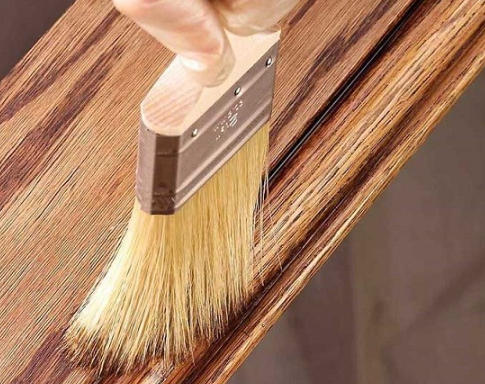
Professional consensus favors water-based sealers with UV protection for outdoor settings. These modern formulas defend against stains, mildew, and sun without changing the tactile feel of real teak.[9][8]
Resealing should be performed every 1–2 years, based on furniture exposure to elements and usage frequency. Areas near saltwater, pools, or consistent sun will need more frequent attention.[1][3]
While teak oil enhances wood color, it doesn't offer full protection against UV and staining when compared with a true sealer. It is generally only suited for indoor applications or decorative items.[12][11]
Yes, sealing locks in teak's current color and prevents the breakdown of surface lignin that leads to graying. For best effect, clean and seal before silvering begins.[2][3]
Light sanding is highly recommended, especially for weathered or previously used teak. This creates a smooth and receptive surface, allowing sealers to penetrate evenly.[7][5]
[1](https://www.patioproductions.com/blog/how-to/10-essential-tips-to-protect-teak-outdoor-furniture/)
[2](https://www.goldenteak.com/b22/2024/09/27/how-to-treat-teak-patio-furniture/)
[3](https://teakanddeck.com/blog/how-to-protect-teak-outdoor-furniture/)
[4](https://semcoteakproducts.com/teak-care-use-guide/)
[5](https://ditecmarineproducts.com/products/teak-clean)
[6](https://www.finewoodworking.com/forum/sealing-teak)
[7](https://www.hineighbor.com/blogs/the-journal/tips-for-restoring-teak-furniture)
[8](https://www.wessexboatstore.co.uk/introducing-our-new-wessex-teak-sealer/)
[9](https://soozal.com.au/pages/semco-teak-sealer-the-best-long-lasting-teak-protection)
[10](https://www.bottompaintstore.com/blog/teak/the-significance-teak-sealer-marine-maintenance/)
[11](https://www.finewoodworking.com/forum/teak-oil-refinish-gone-wrong)
[12](https://www.reddit.com/r/finishing/comments/16771eh/what_are_some_suggestions_on_sealing_and/)
[13](https://www.patioproductions.com/blog/common-questions/teak-patio-furniture-the-real-eco-footprint/)
[14](https://americanyachtrestoration.com/solutions/common-mistakes-in-teak-deck-restoration-in-jupiter/)
[15](https://blog.terraoutdoor.com/how-to-restore-teak-outdoor-furniture/)


