
Views: 222 Author: Loretta Publish Time: 2026-02-20 Origin: Site


Content Menu
● What Is African Rosewood (Pterocarpus erinaceus)?
● Key Physical Characteristics of African Rosewood
>> Color, Grain, and Appearance
>> Density, Hardness, and Strength
>> Durability and Natural Resistance
● Why Is African Rosewood So Expensive?
>> Scarcity and Trade Restrictions
>> High Demand Across Industries
● Main Applications and Uses of African Rosewood
>> High-End Furniture and Interior Joinery
>> Flooring and Heavy-Duty Surface Applications
>> Musical Instruments and Acoustic Components
>> Handicrafts, Turned Objects, and Decorative Items
>> Structural and Outdoor Uses
● Environmental Risks, Illegal Logging, and Social Impacts
>> Illegal Logging and Overexploitation
>> Impacts on Local Communities
● How to Source African Rosewood Responsibly
>> 1. Check Legal Status and Compliance
>> 2. Request Traceability and Certification Where Possible
>> 3. Evaluate Alternatives and Substitutes
● Practical Buying Guide for African Rosewood
>> Recommended Grades, Sizes, and Moisture Targets
>> Working, Finishing, and Maintenance Tips
● Example Use Cases by Application
● Why Work With Professional African Hardwood Suppliers
● Call to Action: Plan Your Next African Hardwood Project
>> 1. Is African Rosewood legal to buy and use?
>> 2. Is African Rosewood suitable for outdoor use?
>> 3. How does African Rosewood compare to Padauk or other African hardwoods?
>> 4. What is the best finish for African Rosewood furniture and flooring?
>> 5. How can I make sure my African Rosewood purchase is sustainable?
African Rosewood is a premium hardwood prized for its rich color, durability, and acoustic performance, but it is also tightly controlled due to overexploitation and trade bans in many African countries. This guide explains the characteristics, applications, and sustainability risks of African Rosewood, and offers practical advice for buyers who want high-quality timber while protecting forest resources.
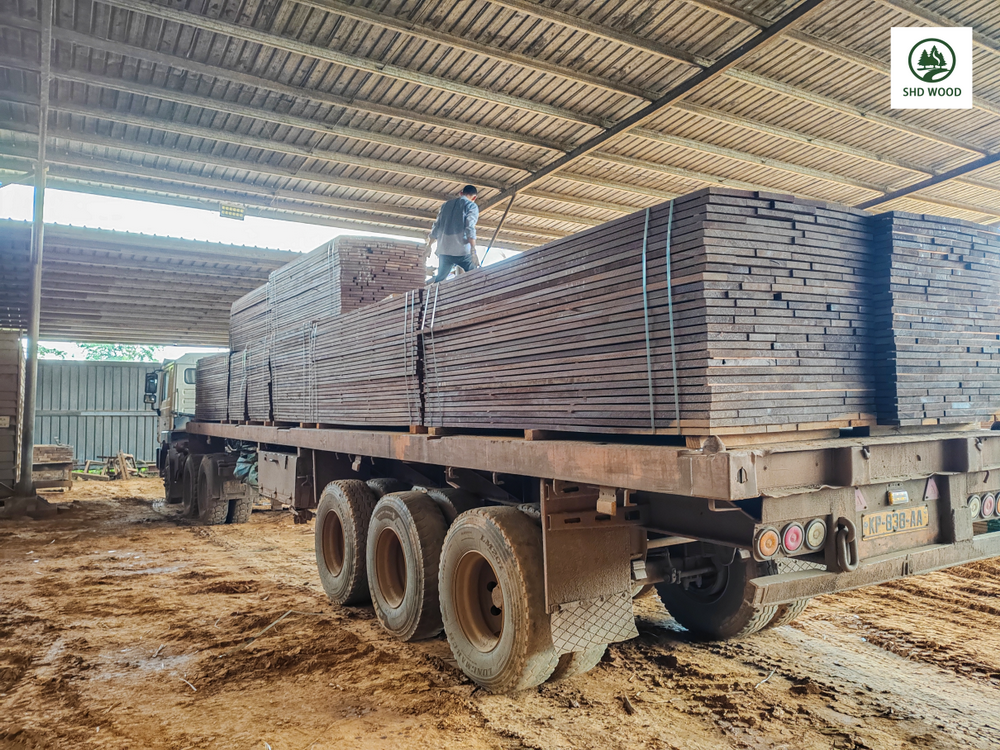
African Rosewood (often called Mukula or Kosso) is a dense, high-value hardwood native to the tropical forests of West and Central Africa, especially countries such as Nigeria, Ghana, and Côte d'Ivoire. It is widely used for fine furniture, flooring, musical instruments, and decorative work thanks to its attractive appearance and strong mechanical performance.
African Rosewood ranges from light yellowish or pinkish brown to deep reddish brown, often with darker streaks that create a dramatic, luxurious appearance. The grain is usually straight to slightly interlocked with a medium to fine texture and natural luster, which allows a high-end polished finish for furniture, flooring, and paneling.
- Color range: light yellow to dark red tones, sometimes with purple or dark brown streaks.
- Texture: medium to fine, with visible figure and attractive ribbon or flamed patterns in some logs.
- Surface: takes a very smooth polish, often compared to glass or gemstones in premium applications.
African Rosewood is a dense hardwood with high mechanical strength, making it suitable for demanding structural and wear applications like flooring and heavy furniture. Studies on similar African hardwoods used for structural applications show air-dry densities in the 678–893 kg/m³ range and Janka hardness values around 8–12 kN, which aligns with the performance of durable structural timbers. Many commercial African Rosewood products are marketed in the same hardness class as species like Padauk, with Janka hardness around 1,700–3,000 lbf depending on source and exact species grouping.
Key performance points:
- High density and good crushing strength suitable for flooring and heavy-duty joinery.
- Good resistance to impact and wear in high-traffic interiors.
- Typically seasons slowly but can be kiln-dried with proper schedules to reduce checking.
African Rosewood is generally rated as durable to very durable in terms of decay resistance and shows better-than-average resistance to insects in many service environments. It is therefore widely used in both interior and certain exterior applications where moisture exposure and wear are significant.
- Good resistance to fungal decay and weathering when properly finished.
- Better than average resistance to insect attack compared with many temperate hardwoods.
- Suitable for heavy-use applications such as factory flooring, sleepers, and outdoor elements when design and coating are appropriate.
Freshly sawn African Rosewood can emit a light, pleasant scent similar to other valuable tropical hardwoods, which some artisans and instrument makers appreciate during processing. It generally machines well with sharp tools, but its density and potential interlocked grain mean carbide tooling and careful feed rates are recommended to avoid burning or tear-out.
African Rosewood has been heavily exploited for international markets, particularly for luxury furniture, musical instruments, and high-end decorative products. Due to massive harvesting pressures, a number of African countries have adopted measures to restrict or ban the trade of African Rosewood, especially in unprocessed or semi-processed forms.
- The rosewood group is among the most traded tropical timbers globally and has been linked to unsustainable extraction and illegal trade.
- In several countries, African Rosewood has been listed in threatened or red-list categories and subjected to tightened export controls.
This growing scarcity and regulatory tightening have pushed prices upward and increased the importance of verified legal supply for international buyers.
Demand comes from a wide range of high-value sectors:
- Luxury indoor and project furniture.
- Musical instruments and acoustic components.
- High-end architectural joinery and flooring.
- Decorative veneers and specialty panels.
Because these applications often accept little compromise on appearance and performance, buyers are willing to pay a premium for stable, well-dried, and legally sourced timber.
African Rosewood is widely used for premium furniture such as tables, chairs, cabinets, beds, and doors where aesthetic impact and long service life are critical.
Typical furniture and interior joinery uses:
- Dining and conference tables, executive desks, sideboards, and cabinets.
- Solid and veneered doors, wall panels, stair components, and handrails.
- Decorative veneers for panels in hotels, offices, and luxury residences.
Its high density and durability make these components resistant to everyday wear, while the rich color and figure support premium interior design.
African Rosewood's hardness and abrasion resistance make it a strong candidate for high-traffic flooring and industrial surfaces.
Common uses:
- Residential hardwood flooring in luxury homes and apartments.
- Factory or workshop flooring where impact and wear resistance are required.
- Stairs, landings, and treads that need both durability and visual appeal.
With proper acclimation and finishing, African Rosewood flooring can deliver long-term dimensional stability and color depth comparable to other top-tier exotics.
Rosewood-type timbers are famous for their acoustic properties, and African Rosewood is no exception. It is used in:
- Guitar backs and sides, fingerboards, and decorative bindings.
- Piano components and other stringed or percussion instruments where resonance and sustain are important.
Its density and stiffness support bright, clear tones with good sustain, while the decorative grain enhances the visual identity of high-end instruments.
Because it finishes to a very smooth, lustrous surface, African Rosewood is widely used for handcrafted items where touch and appearance matter.
Typical items include:
- Knife handles, tool handles, and billiard cues.
- Bowls, vases, turned decorative pieces, and jewelry boxes.
- Inlays, trim, and small decorative components in furniture and interiors.
In regions of origin, African Rosewood and related species are used for heavier structural and outdoor applications when properly designed and protected.
Examples:
- Heavy construction, sleepers, and structural members with high strength demands.
- Boat components, canoes, and agricultural implements in some local markets.
- Exterior joinery where durability and insect resistance are needed, with appropriate finishes.
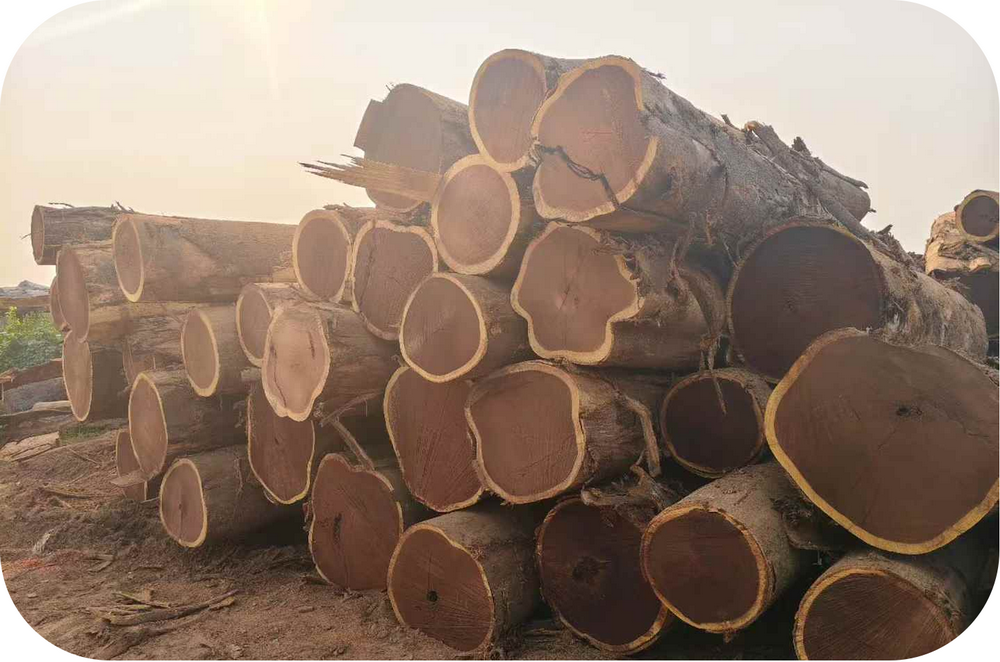
Due to its high value, African Rosewood has become a prime target for illegal logging and unregulated trade. In several African countries, uncontrolled harvesting by both companies and informal operators has resulted in rapid depletion of standing timber and degradation of natural forests.
Consequences include:
- Large-scale deforestation and loss of natural forest cover.
- Soil erosion, disruption of water cycles, and loss of biodiversity.
- Increased vulnerability of local ecosystems to climate variation.
Many rural communities depend on forests for livelihoods, collecting non-timber products, practicing small-scale agriculture, and accessing fuel wood. When valuable species like African Rosewood are removed unsustainably, local people often lose income sources, face conflicts around resource control, and may experience increased poverty and displacement.
Unregulated rosewood trade has also been linked with:
- Conflicts between logging groups and communities.
- Corruption and weakened governance around forest permits and enforcement.
For international buyers and manufacturers, this context makes responsible sourcing essential, both to comply with regulations and to protect brand reputation.
Before purchasing African Rosewood, buyers should verify the legal status of the species and related trade restrictions in the country of harvest and importing markets.
Key checks:
- National export bans or moratoria in producing countries.
- International listing or trade controls where applicable.
- Compliance with timber legality laws in importing countries and local regulations.
Working with suppliers who can provide complete documentation (harvest permits, transport documents, export licenses, and invoices) is critical for traceable trade.
Whenever available, buyers should prioritize African Rosewood from sources that can demonstrate traceability and, where applicable, third-party certification or independent verification.
Practical steps:
1. Ask for detailed information on forest origin, concession, or cooperative supplying the logs.
2. Request chain-of-custody documentation covering sawmills, exporters, and importers.
3. Prefer suppliers that adopt sustainable harvesting plans and community engagement programs.
Even where full certification is not possible, credible documentation and transparent supply chains strongly reduce legal and reputational risk.
In some projects, it may be more sustainable to select alternative species with similar performance but lower conservation concerns.
Possible alternatives:
- Other durable African hardwoods such as Padauk, which offers excellent decay resistance and high Janka hardness.
- Regionally available durable hardwoods for flooring and structural elements where aesthetics differ but performance is comparable.
Discussing options with an experienced timber supplier can help match project requirements with species that balance appearance, performance, legality, and cost.
When specifying African Rosewood for projects, it is important to define quality and moisture requirements clearly.
Key points:
- Grades: select clear or select-and-better lumber for furniture and visible joinery; character or standard grades may be acceptable for rustic designs or structural applications.
- Sizes: confirm thickness, width, and length ranges that match your machining and design needs (for example, 25–50 mm boards for furniture, thicker sections for stair parts or structural members).
- Moisture content: for interior use, target kiln-dried material around 8–12% moisture content, adjusted to local climate, to minimize movement and checking.
African Rosewood's density and natural oils influence machining and finishing behavior.
Best practices:
- Use sharp, preferably carbide tools and moderate feed rates to manage interlocked grain and reduce burning.
- Pre-test glues and finishes, and clean surfaces properly before bonding or coating to ensure good adhesion.
- For flooring and high-wear surfaces, choose high-quality finishes and plan regular cleaning plus periodic refinishing to maintain color and surface protection.
Application Type | Typical Product | Key Benefits of African Rosewood |
High-end furniture | Tables, cabinets, beds, doors | Rich color, strong structure, long service life |
Architectural interiors | Panels, stairs, handrails | Luxurious appearance, durability in high-traffic areas |
Flooring | Residential & factory floors | Hard, wear-resistant surface, deep color over time |
Musical instruments | Guitars, pianos, other acoustics | Excellent tonal qualities, distinctive visual character |
Handicrafts and turning | Handles, bowls, cues, boxes | Fine finish, dense feel, decorative grain |
Structural / outdoor (local) | Sleepers, heavy construction | Strength, durability, insect and decay resistance |
Because African Rosewood sits at the intersection of high performance and high regulatory risk, partnering with an experienced supplier is essential for international buyers.
A reliable professional timber company can:
- Provide stable, traceable supply of African hardwoods that comply with local and international regulations.
- Advise on species selection, moisture conditioning, and machining for specific projects.
- Offer alternatives when African Rosewood is restricted, ensuring projects stay on schedule without compromising performance.
If you are planning furniture, flooring, musical instruments, or architectural projects that require dense, visually striking African hardwood, work with a supplier who understands both performance and compliance. Get in touch with our team to discuss African Rosewood and alternative species, request technical data, or explore custom sizing and bulk supply options tailored to your project needs.
Contact us to get more information!
African Rosewood can be legal to buy and use if it comes from approved sources and complies with national export rules and importing-country timber regulations. Buyers should always request documentation proving legal harvest and trade, and work with suppliers who understand current restrictions in producing countries.
African Rosewood is durable and has good resistance to decay and insects, so it can be used outdoors in some applications when properly designed and finished. However, correct detailing, coating, and maintenance are essential, and buyers should consider local climate conditions and potential alternatives for very exposed structures.
African Rosewood and Padauk share high density, good strength, and strong decay resistance, making both suitable for demanding applications. Padauk tends to have brighter orange-red tones and well-documented mechanical data, while African Rosewood is prized for its deep red to burgundy color and luxurious figure but faces tighter trade controls in many regions.
Because African Rosewood is dense and can contain natural oils, high-quality film-forming finishes such as polyurethane or high-performance varnishes are often recommended for flooring and heavy-use furniture. For fine furniture, many makers use carefully prepared oil-based or hybrid systems followed by buffing to highlight the natural luster while still providing protection.
To improve sustainability, buyers should ask for clear information on forest origin, seek documentation that demonstrates legal harvest, and prioritize suppliers who follow sustainable harvesting and community engagement practices. When availability is limited or risk is high, consider using verified alternative species with similar performance profiles for part or all of the project.
1. https://k-timbers.com/african-rosewood-characteristics-uses/
2. https://www.rarewoodsusa.com/species/rosewood-african/
3. https://www.rarewoods.co.za/species/rosewood-african/
4. https://www.specialtylumbersolutions.com/know-your-wood-african-rosewood/
5. https://www.plantsaw.com/timber/african-rosewood
6. https://wood-identification.com/wood-types/
7. https://flooringhardwood.com/bubinga-hardwood-flooring-species-information/
8. https://hooddistribution.com/product/bubinga-african-rosewood-import/
9. https://www.wood-database.com/african-padauk/
10. https://www.woodworkerssource.com/lumber/exotic/African-Rosewood.html
11. https://www.woodcraft.com/blogs/wood/woodsense-spotlight-on-rosewood
12. https://journals.sagepub.com/
13. https://pfaf.org/user/Plant.aspx?LatinName=Guibourtia+demeusei


