


Content Menu
● Hardwood vs. Softwood: A Brief Clarification
● Physical and Mechanical Properties
>> Density
● Unique Characteristics of Mango Wood
● Mango Wood vs. Other Common Woods
>> Home Decor
● Environmental Impact and Sustainability
● Crafting and Finishing Mango Wood
● Economic Aspects and Global Market Demand
● FAQs
>> 1. Is mango wood suitable for outdoor furniture?
>> 2. Does mango wood scratch or dent easily?
>> 3. Is mango wood environmentally friendly?
>> 4. Can mango wood be painted or stained?
>> 5. How does mango wood compare to oak or teak?
Mango wood is rapidly becoming a favored material among furniture makers, designers, and eco-conscious consumers. Recognized for its beautiful grain, affordability, and sustainable origins, this wood offers both functionality and aesthetics. However, many still ask: Is mango wood a hardwood? The answer lies in understanding its botanical classification, physical strength, and ecological significance. This detailed article explores every aspect of mango wood—from its origin and structure to its uses, properties, and care.

Mango wood comes from the Mangifera indica tree, native to South and Southeast Asia, especially India, Thailand, and Indonesia. These trees are primarily cultivated for fruit, but after their fruit-bearing years end—typically 15 to 20 years—they continue to provide value through their timber. Instead of letting these trees decay, farmers and manufacturers harvest the wood, creating furniture and decorative items. This practice contributes to effective resource utilization and sustainability.
Notable features of mango trees:
- Fast-growing species that reach maturity within a couple of decades.
- Height ranges from 50 to 80 feet with dense branching.
- Produces wood with varying shades of brown, often with golden or black streaks.
Mango lumber's remarkable visual appeal sets it apart from many conventional hardwoods, making it a trending choice for modern interiors.
To decide whether mango wood qualifies as a hardwood, it's essential to understand the scientific difference between hardwoods and softwoods. The distinction doesn't depend solely on hardness, but rather on tree species and cellular structure.
- Originates from angiosperms, which have broad leaves and reproduce via flowers and seeds.
- Generally denser due to complex vascular structures.
- Examples include oak, walnut, cherry, and mahogany.
- Comes from gymnosperms, which usually have needles and cones.
- Grow faster and are typically less dense.
- Includes pine, cedar, spruce, and fir.
Therefore, the botanical family of the tree determines its classification, not how tough or dense the wood feels.
Mango wood undeniably belongs to the hardwood category since it originates from a flowering, broadleaf tree. In botanical terms, the *Mangifera indica* tree qualifies as an angiosperm. However, from a functional standpoint, it behaves more like a medium-density hardwood.
Quick facts:
- Category: Hardwood (botanical classification)
- Hardness rating (Janka): About 1070 lbf
- Comparison: Similar to cherry wood and teak in strength
While mango wood may not be as hard as oak or maple, it offers a balanced blend of strength, workability, and sustainability—making it ideal for household and decorative furniture.
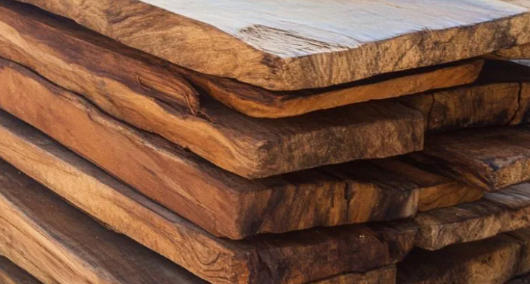
Mango wood showcases a wide range of hues—from pale golden brown to rich dark shades. The natural patterns and streaks, sometimes with hints of green or pink, result from various mineral deposits. This variation ensures no two mango furniture pieces look identical, providing a unique charm.
It usually has a straight or interlocked grain and a medium-to-coarse texture. Its smooth surface makes it perfect for sanding, cutting, and polishing. After finishing, the wood develops a rich luster often compared to teak or oak.
The Janka hardness rating of mango wood is approximately 1070 lbf, making it moderately hard. It's tougher than pine but softer than oak. For most furniture uses—such as dining tables, chairs, wardrobes, and cabinets—it provides ample durability.
The density varies from 0.55 to 0.65 g/cm³, positioning mango wood in the medium-density range. This density balances stability and workability, allowing intricate crafting and detailing.
Untreated mango wood is moderately susceptible to moisture and termite attacks. However, finishing and sealing processes greatly enhance its durability, making it suitable for humid environments when properly cared for.
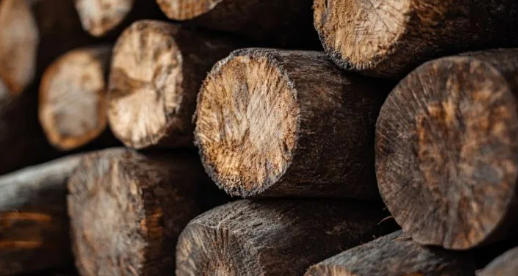
- Highly Decorative Grain: Mango wood's natural wave-like patterns and color streaks enhance interior appeal.
- Eco-Friendly Nature: Sourced from non-commercial fruit trees instead of deforestation.
- Cost Efficiency: Often cheaper than mahogany or teak while maintaining good strength and style.
- Versatile Finishing: Takes stains, oils, and paints effectively, allowing a wide range of looks.
- Lightweight Strength: Offers high usability while being relatively lighter than most hardwoods.
All these characteristics explain why mango wood has become a popular alternative to traditional hardwoods, especially among eco-conscious designers.
| Property | Mango Wood | Oak | Teak | Pine (Softwood) |
|---|---|---|---|---|
| Botanical Type | Hardwood | Hardwood | Hardwood | Softwood |
| Janka Hardness (lbf) | 1070 | 1290 | 1070 | 420 |
| Color | Golden-brown with streaks | Light brown | Golden brown | Pale yellow |
| Grain | Straight/interlocked | Variable | Straight | Straight |
| Workability | Excellent | Moderate | Moderate | Excellent |
| Sustainability | Very high | Moderate | Moderate | High |
| Typical Uses | Furniture, carving | Flooring, furniture | Outdoor furniture | Construction |
This comparison shows how mango wood measures up against traditional species. It occupies a unique place between lightweight softwoods and more expensive hardwoods, offering great cost-effectiveness.
Mango wood's workability makes it ideal for contemporary and rustic furniture alike. It is commonly used for:
- Dining tables and coffee tables
- Cabinets and wardrobes
- Bookshelves and entertainment units
- Bed frames and nightstands
Artisans use mango wood to craft:
- Bowls, trays, and vases
- Mirrors and wall panels
- Photo frames and candle holders
Each piece displays unique grain variations, providing natural aesthetic warmth.
With the proper finish, mango wood creates beautiful and resilient flooring surfaces. Its natural texture fits well into both modern and traditional interiors.
Its tonal properties are appreciated for crafting components of guitars, drums, and hand-carved instruments, especially in Southeast Asia.
Mango wood veneers beautifully, adding a premium finish to cost-effective furniture. Its fine grain allows for smooth turning, making it suitable for handles and carved ornaments.
- Environmentally sustainable and ethically sourced.
- Easy to cut, shape, and polish.
- Affordable alternative to premium hardwoods.
- Elegant natural colors and patterns.
- Accepts both oil and lacquer finishes effectively.
- Durable enough for long-term household use.
- Susceptible to moisture without protective finishes.
- Can develop swelling or warping if exposed to humidity.
- Requires routine maintenance to retain shine and texture.
- Not ideal for outdoor or waterproof environments unless sealed.
Mango wood offers a rare combination of sustainability and performance. It's harvested only after trees stop bearing fruit, making it a secondary, renewable resource. The use of mango trees for timber supports a circular agricultural economy, reducing waste.
Sustainable mango wood production involves:
- Responsible sourcing from existing fruit farms.
- Reduced pressure on endangered species like teak or rosewood.
- Increased farmer income through dual-purpose cultivation.
As global consumers shift toward eco-conscious lifestyle choices, mango wood furniture serves as an ideal alternative to less sustainable materials.
Properly seasoned mango wood is easy to process, machine, and finish. It responds well to hand tools and mechanical shaping. Various finishes like oil, wax, or varnish enhance its depth and protect the surface.
Tips for Finishing Mango Wood:
- Always sand progressively to a smooth surface before applying any finish.
- Use oil-based sealants for rich color enhancement.
- Avoid water-based coatings in humid areas.
- Apply additional layers of wax periodically to maintain sheen.
To ensure mango wood's longevity:
- Keep the wood away from direct heat sources or sunlight to prevent cracking.
- Clean surfaces with a slightly damp cloth, not waterlogged towels.
- Polish periodically using beeswax or specialized furniture oil.
- Treat accidental scratches with fine-grit sandpaper and reapply finish.
- Use coasters or mats to prevent stains and rings from hot cups or glasses.
When maintained correctly, mango wood furniture can last decades while retaining its natural luster and strength.
Mango wood furniture exports are rising steadily, especially from India, Vietnam, and Thailand. As consumers become more conscious of sustainability, the demand for renewable materials with unique patterns continues to grow.
- Price Advantage: 30–40% cheaper than teak or oak furniture.
- Production Benefits: Lower labor and resource costs make it more accessible.
- Market Trend: Increasing use in eco-friendly home collections across Europe and North America.
Manufacturers increasingly highlight mango wood's sustainable background as a marketing feature, appealing to buyers who value both aesthetics and environmental responsibility.
To summarize, mango wood is indeed a hardwood, albeit on the softer side of the spectrum. Derived from fruit-bearing trees, it offers the perfect combination of sustainability, beauty, and practicality. Its diverse applications—from furniture and flooring to decorative items—make it an appealing choice for both manufacturers and consumers. With proper care, mango wood provides decades of reliability and adds natural warmth to any space. Whether you value eco-friendly living or simply love the look of natural textures, mango wood remains a smart and sustainable option.
Mango wood can be used outdoors if treated and sealed appropriately. However, repeated exposure to rain or direct sunlight can cause warping; therefore, it's best used for covered outdoor areas or indoor furniture.
With a Janka hardness of 1070 lbf, mango wood holds up well against daily wear. It resists moderate dents and scratches, though softer than teak or oak. Regular polishing helps protect the surface.
Yes. Mango wood is one of the most sustainable woods available. It is harvested from trees that no longer produce fruit, giving new life to otherwise discarded resources.
Yes. It accepts stains, paints, and oil finishes very well. Depending on the desired look—natural, rustic, or modern—various treatments can highlight its grain and tone.
Mango wood offers similar strength to teak but costs less and is more sustainable. Oak is harder but less eco-friendly. Mango wood strikes a balance between durability, beauty, and environmental impact.


