
Views: 222 Author: Rebecca Publish Time: 2025-10-20 Origin: Site


Content Menu
● What Defines Hardwood and Softwood?
>> The Botanical Classification
>> Physical Properties: Perception vs. Reality
● The Anatomy and Origins of Pine Trees
>> Growth Patterns and Forest Role
>> Density and Hardness Variability
● Properties and Uses of Pine Wood
>> Common Applications of Pine Wood
>> Innovations and Treated Pine
● Why Confusion Exists About Pine Wood's Category
>> Overlapping Uses with Hardwoods
>> Marketing and Trade Factors
● Comparing Pine Wood to Other Woods
● Advantages and Disadvantages of Pine Wood
>> Pros
>> Cons
● Pine Wood in Global Trade and Manufacturing
>> Importance in Industrial Packaging
>> Environmental Certification
● Environmental Impact: Is Pine More Sustainable?
>> Plantation vs. Natural Forest
>> Biodiversity Considerations
● Care and Maintenance of Pine Wood
>> 1. What Is the Main Difference Between Hardwood and Softwood?
>> 2. Which Is Harder: Pine or Some Hardwoods?
>> 3. Can Pine Be Used for Outdoor Projects?
>> 5. Why Does Pine Wood Have So Many Knots?
When it comes to selecting wood for furniture, construction, or crafting, one question often arises: Is pine wood a hardwood or softwood? This seemingly simple question opens the door to an exploration of wood science, forestry, and the unique properties that set pine apart from other species. Understanding whether pine is a hardwood or a softwood can help DIYers, manufacturers, and professionals make informed material choices for everything from home renovations to large-scale production.
In this article, we'll clarify the difference between hardwood and softwood, examine the characteristics that define pine, and discuss pine's properties, uses, and environmental impact. We'll also touch on why confusion exists around this topic, compare pine to other woods, and answer some of the most frequently asked questions.

The distinction between hardwood and softwood is rooted in botany rather than physical durability. Here's what sets them apart:
- Hardwood: Comes from angiosperm trees—typically broad-leaved, flowering trees like oak, maple, or cherry. These trees reproduce by seeds that are enclosed, usually within fruits or nuts.
- Softwood: Derived from gymnosperm trees—most often cone-bearing conifers like pine, spruce, fir, or cedar. These trees bear naked seeds, typically in cones, without having flowers.
This classification hinges on reproductive methods and leaf characteristics, not simply the tactile hardness of the wood.
Contrary to popular belief, not all hardwoods are hard, and not all softwoods are soft. For instance, balsa is technically a hardwood, yet it's one of the softest woods. Some softwoods, like yew, are surprisingly hard. Thus, wood hardness and density are independent of the hardwood/softwood distinction, which is botanical.
Microscopically, hardwoods and softwoods also differ:
- Hardwoods generally have vessel elements (pores), which help in water transport and can influence wood appearance.
- Softwoods lack vessel elements but have tracheids and resin canals, contributing to their characteristic grain.
Understanding these cell structures can help explain differences in grain pattern, workability, and behavior during processing.
Pine trees belong to the *Pinus* genus within the Pinaceae family. These evergreen conifers comprise more than a hundred species, distributed mainly across the Northern Hemisphere—spanning North America, Europe, and parts of Asia. Pines feature long, needle-like leaves, produce cones for reproduction, and are famous for their adaptability in a diverse array of climates and soils.
Pines are classic examples of gymnosperms. Their naked seeds reside in cones rather than being enclosed within fruits. This reproductive method is the key trait that botanically classifies pine wood as a softwood. This is true for all members of the *Pinus* genus, whether slow-growing or fast-growing species.
Pines grow quickly compared to many broad-leaved trees and often pioneer disturbed or open areas in forests. They form key habitats and play a critical ecological role, supporting diverse plant and animal life.
Pine is unequivocally classified as a softwood because it derives from a coniferous, gymnospermous tree that reproduces via exposed seeds in cones. All pine species fall under this classification.
Some common pine species include:
- Eastern White Pine (*Pinus strobus*): Known for its light color and straight grain, often used in fine woodworking and millwork.
- Southern Yellow Pine (*Pinus spp.*): Resin-rich and stronger, popular for framing and flooring.
- Ponderosa Pine (*Pinus ponderosa*): Valued in the Western US for construction and paneling.
- Radiata Pine (*Pinus radiata*): Widely cultivated for plantations, especially in Australia, New Zealand, and Chile.
Even though pine is a softwood, its density and hardness can vary:
- Eastern White Pine: Soft, light, and easy to work.
- Southern Yellow Pine: Denser and harder, commonly compared against some hardwoods in strength tests.
Still, all pines remain in the softwood category due to their botanical nature.
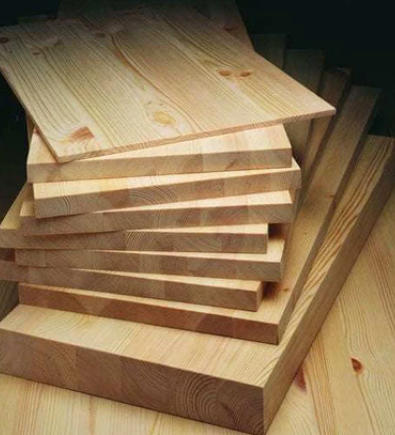
- Color: Light cream, yellowish or pale brown, sometimes developing a richer tone with age.
- Grain: Usually straight and even, with noticeable annual growth rings and distinctive knots.
- Texture: Medium to coarse, easy to plane, sand, and finish.
- Resin Content: Many pines have a high resin content, imparting a subtle aroma and impacting finishing.
- Strength: Suitable for structural uses but softer species dent and scratch more easily than hardwoods.
- Stability: Susceptible to warping and shrinkage if improperly seasoned, due to movement in response to environmental humidity.
- Knots: Common, imparting rustic aesthetic appeal but sometimes affecting structural uniformity and machinability.
- Construction: Used in framing, paneling, beams, trusses, and general carpentry.
- Furniture: Popular for rustic and country-style furniture, cabinets, and shelving.
- Millwork: Mouldings, doors, windows, staircases.
- Pallets and Crating: Cost-effective for industrial packaging and logistics sectors.
- Crafts and DIY: Pine is favored for its workability and aesthetic flexibility, ideal for hobbyists and artisans.
Pine is easy to saw, nail, carve, and glue. It accepts paint and stains well but often requires pre-treatment (like sanding sealer) to avoid blotchy absorption due to its resin pockets and uneven density.
Advancements in wood treatment have expanded pine's utility:
- Pressure-Treated Pine: Impregnated with preservative chemicals to resist rot, insects, and moisture, making it suitable for decks, outdoor furniture, and landscaping.
- Engineered Pine Products: Laminated veneer lumber (LVL), plywood, and fiberboard based on pine offer enhanced consistency and dimensional stability in construction.
Many people equate "hardwood" with wood that's hard to the touch or more durable for flooring and furniture. Since some pines (like Southern Yellow Pine) are harder than certain hardwoods (like balsa), this leads to confusion.
Pine and hardwoods often perform similar roles in construction and furnishings. For example, pine flooring or cabinets can look and function much like their hardwood counterparts, blurring perceived boundaries.
Terms like "hard pine" versus "soft pine" exist in the lumber industry, which can mislead consumers into thinking pine may belong to both categories. In reality, even the hardest pines are botanically softwoods.
| Wood Type | Botanical Class | Typical Density (kg/m³) | Usage Examples |
|---|---|---|---|
| Pine | Softwood | 352–640 | Framing, Furniture |
| Oak | Hardwood | 600–900 | Flooring, Cabinetry |
| Balsa | Hardwood | 160–280 | Model Making |
| Cedar | Softwood | 320–480 | Decking, Siding |
| Maple | Hardwood | 600–750 | Furniture, Floors |
This comparison reveals that pine's density overlaps with both softer hardwoods and harder softwoods, illustrating the complexity of the classification system versus common perception.
- Affordability: Pine is often less expensive due to its fast growth and wide availability.
- Sustainability: Grown on plantations with short harvesting cycles, pine makes for an ecologically sound choice when responsibly managed.
- Workability: Soft texture allows for easy cutting, shaping, and joining, speeding up project timelines.
- Aesthetic Flexibility: Can be finished in various styles—leaving knots visible for rustic charm or painted for a modern look.
- Softness: Its relative low density makes it susceptible to dents, scratches, and wear, especially in high-traffic areas.
- Resin: High resin content means it may require careful prepping before painting or finishing.
- Movement: Can warp or twist if not properly dried or installed.
- United States: A leading producer, especially of Southern Yellow Pine for domestic and global construction markets.
- China: Major manufacturer of pine-based furniture and building products for export.
- New Zealand and Chile: Leaders in plantation-grown Radiata Pine, supplying Asia-Pacific regions.
Pine's lightweight, strength, and cost-effectiveness make it the wood of choice for pallets, crates, and shipping materials in the global supply chain.
Many pine suppliers comply with international forest certification systems (like FSC or PEFC), guaranteeing sustainable management and legal sourcing for eco-conscious buyers.
Pine plantation forestry reduces pressure on native, slow-growing hardwood forests. Pine's rapid growth cycle (as little as 20 years to harvest) enables:
- Faster carbon sequestration
- Reliable wood supply for industry
- Less reliance on endangered or old-growth forests
While pine plantations are efficient, monocultures can reduce biodiversity and alter soil chemistry. Integration with native species and careful management practices are critical for maintaining ecosystem health.
Pine sequesters atmospheric carbon as it grows, and solid wood products can lock up that carbon for decades or centuries. Locally sourced pine also minimizes transportation emissions, reducing the overall carbon footprint of wood products.
To extend the lifespan of pine wood products:
- Sealants and Finishes: Applying a quality finish or sealant protects against moisture, insects, and stains.
- Painting and Staining: Pine can be painted or stained to match any decor, but always use a pre-sealer to ensure even coverage.
- Cleaning: Mild soap and water are ideal for cleaning; avoid harsh chemicals that can strip finishes or raise the grain.
So, is pine wood a hardwood or softwood? Pine is botanically categorized as a softwood, regardless of its perceived hardness or physical applications. This classification is determined by how the tree reproduces and its family lineage, not simply by wood density or tactile hardness. Pine's global relevance comes from its workability, affordability, and sustainability—making it vital for construction, furniture, packaging, and more. Whether used unfinished for a rustic look or treated for the outdoors, pine remains an immensely versatile material. Understanding its true classification and properties helps everyone—from professional builders to weekend DIYers—make smarter, more sustainable decisions with wood.
Hardwoods come from angiosperm trees, typically broad-leaved and flowering; softwoods come from gymnosperm trees, usually conifers like pine. The names refer to botanical family, not actual hardness.
Some softwoods, such as dense pines, can be harder than soft hardwoods like balsa. However, these terms are based on tree type, not always the feel or durability of the wood itself.
Pine is best used outdoors only when pressure-treated or properly sealed, as untreated pine is prone to rot and insect attack. Always use treated pine for decks or external structures.
Yes. Responsibly grown pine is eco-friendly thanks to its fast growth, renewability, and always-available global supply. Certified products ensure sustainable forestry practices.
Knots are formed from the base of branches. Pines have whorled branches, leading to frequent knots that create their distinctive appearance but can weaken the wood if present in critical structural areas.


