


Content Menu
● History and Origins of Wenge Wood
● Physical and Chemical Characteristics
● Wenge Wood Toxicity: Mechanisms and Symptoms
>> 1. Toxic Dust and Allergic Reactions
>> 3. Chronic Toxicity and Chemical Composition
● Traditional Medicinal Uses and Risks
● Safety Tips for Working with Wenge Wood
>> Personal Protective Equipment (PPE)
● Environmental & Ethical Sourcing
● Famous Products and Creative Applications
● Scientific Understanding of Wood Toxicity
● FAQs: Wenge Wood Toxicity & Use
>> 1 What symptoms can wenge wood dust cause?
>> 2 Are wenge wood products safe for everyday use?
>> 3 How do you treat a wenge splinter?
>> 4 Can wenge wood be used safely in kitchen items or cutting boards?
>> 5 What can woodworkers do to minimize health risks when working with wenge?
Wenge wood (Millettia laurentii) is acclaimed worldwide for its visually striking dark coloration, remarkable strength, and extensive durability. This African hardwood occupies a prestigious place in high-end furniture, flooring, musical instruments, and decorative items. However, its allure comes with notable health and environmental risks, particularly related to toxicity from dust, splinters, and chemical compounds. Awareness and proper handling are essential to enjoy this premium wood safely and sustainably.[1][2][3]

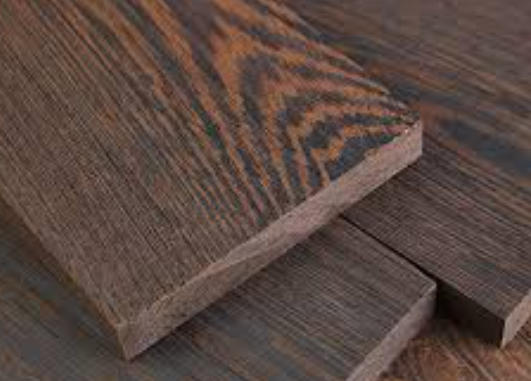
Native to the rainforests of Central Africa—primarily Cameroon, Gabon, the Central African Republic, and Zaire—wenge has supported communities both as a valuable construction material and as a source of artisanal craft. Traditionally, locals used wenge lumber for utilitarian needs including barn building, benches, and carpentry, and it has become dearly valued among native woodcarvers. In the European market, its popularity has spread for fine furniture, flooring, and decorative paneling, while in recent decades, North America saw a boom in wenge use for flooring and musical instruments.[4][5][6][1]
Because over 50% of the wenge population has been harvested over the last three generations, it is now listed as an endangered species on the IUCN Red List. This environmental consideration makes ethical sourcing and preservation paramount for modern buyers and woodworkers.[6][1]
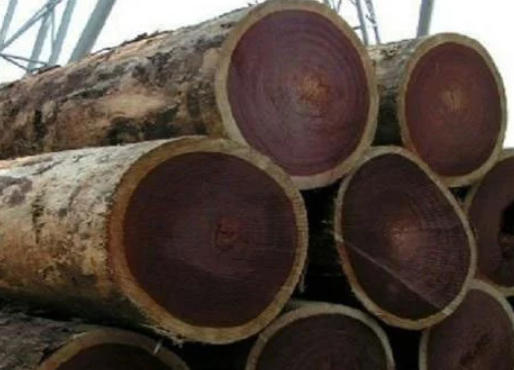
Wenge trees can grow up to 27 meters tall, with trunk diameters reaching over a meter. The wood is exceptionally hard, dense, and termite-resistant, making it ideal for demanding applications like floors and stairs, as well as intricate woodturning projects.[1]
Chemically, wenge consists mainly of cellulose, hemicellulose, lignin, and extractives. These natural compounds include isoflavones, alkaloids, tannins, phenolic compounds, and polycyclic aromatic hydrocarbons (PAHs). Some of these chemicals are responsible for wenge wood's insecticidal properties—and its adverse effects on humans.[7][8]
- Barns and benches in native Central African cultures[5]
- Carved decorative items and utensils
- High-end furniture and cabinetry[3][9][4]
- Flooring and staircases[10][4]
- Veneer and paneling[11][3]
- Musical instruments, especially guitars and drum shells, prized for tonal depth and durability[10]
- Knife handles and luxury cutlery, favored for the blend of beauty and resilience[12]
- Turned objects, such as chessboards, bowls, and art pieces[5][11]
- Novelty items, tool handles, walking canes, and architectural accents[4][6]
Working with wenge typically produces fine dust that is well known for its irritant and sensitizing properties. Exposure can trigger a variety of symptoms:
- Skin irritation: Dermatitis and rashes resembling poison ivy reactions, especially in sensitive individuals[2][13]
- Eye irritation: Redness, itching, and watering[13]
- Respiratory problems: Breathing difficulty, coughing, headaches, abdominal cramps, and, in more severe cases, central nervous system effects including drowsiness[14][15][13]
- Repeated exposure risk: Sensitization can develop, where symptoms worsen over time with repeated contact.[15]
Allergic reactions involve both direct irritation and the body's immune response to wood chemicals, such as phenols and other extractives. Both water-soluble and organic-soluble fractions of wood tar (present in wenge dust) can cause oxidative stress, DNA damage, and cell death, with the water-soluble components having particularly potent effects.[7]
Wenge splinters are notorious for causing slow-healing wounds and infections. The combination of wood density and chemical composition can impede healing, sometimes leading to septic reactions. Immediate removal and careful wound care are essential.[16][17][15]
Wenge wood contains more than just physical hazards; chemical compounds such as polycyclic aromatic hydrocarbons (PAHs) and phenolics can contribute to genotoxic and oxidative stress effects. Scientific studies show these chemicals damage cell membranes, induce apoptosis or necrosis, and trigger inflammation.[8][7]
Despite its dangers in woodworking, wenge's heartwood has featured in traditional medicine, including the treatment of liver complaints, skin diseases, constipation, fever, and epilepsy. However, these applications are not well documented or widely recommended due to the risk of toxicity from wenge's chemical constituents.[4]
- Use respirators or high-grade dust masks to avoid inhaling dust[17][15]
- Wear gloves to prevent skin contact and splinters
- Use safety goggles or glasses to protect eyes
- Dress in long sleeves and protective clothing
- Install dust extraction systems in workshops to remove airborne particles[13]
- Ensure workspace is well ventilated
- Regularly sweep and clean surfaces
- Splinters: Remove immediately using sterilized tweezers; disinfect the wound and monitor for infection
- Skin irritation: Wash exposed skin thoroughly and seek medical help if rashes persist
- Respiratory distress: Move to fresh air and seek prompt medical attention if symptoms are severe
- Finished, sealed products pose significantly less risk
- Avoid wenge in items contacting food, such as cutting boards, unless thoroughly sealed
- If prone to allergies or asthma, consult a physician before working with wenge
With wenge classified as endangered, responsible use is critical. Look for certifications (such as FSC) that guarantee sustainable harvesting, and always verify suppliers' practices to avoid contributing to illegal or unsustainable logging.[6][1]
Wenge wood is commonly featured in bespoke furniture pieces, luxury chessboards, cutting boards (with caution), musical instruments, knife handles, and artistic turnings. It is frequently used to accent lighter woods due to its dark coloring, and appears in architectural details, artistic carvings, cigar boxes, and custom joinery projects.[18][12]
Recent toxicological research has shed light on the mechanisms by which wood tar and dust affect human health. Both water-soluble and organic-soluble fractions contain toxic substances that can cause oxidative damage, DNA alteration, and disrupt cell membranes. Chronic exposure to these compounds could contribute to respiratory and systemic issues, especially for at-risk individuals working in poorly ventilated environments.[8][7]
Wenge wood's remarkable aesthetic and structural qualities have made it a favorite in luxury woodworking, instrument making, and interior design. Nonetheless, its toxicity and allergenic hazards, especially from dust and splinters, demand vigilant safety measures. With proper PPE, dust control, ethical sourcing, and awareness of symptoms, woodworkers and consumers alike can safely enjoy wenge's benefits while protecting their health and supporting sustainable forestry.
Wenge wood dust can lead to skin rashes, dermatitis, eye irritation, respiratory distress, headaches, and chronic health effects from repeated exposure.[15][7][13]
Once sealed or finished, wenge wood products are generally safe for handling. Risks are highest during milling, sanding, or repair stages.[3][17]
Splinters should be removed promptly with sterile tools, cleaned thoroughly, and monitored closely for signs of infection, as wenge splinters heal slowly and can become septic.[16][17][15]
Due to its toxicity, wenge is not recommended for frequent-contact food items. Choose safer woods for kitchenware unless finishing/sealing is guaranteed.[19][18]
Always use PPE (masks, gloves, goggles), ensure excellent ventilation and dust extraction, and practice careful first aid for wounds and rashes. Be vigilant about developing allergies.[17][13][15]
[1](https://www.woodassistant.com/wood-database/wenge-wood/)
[2](https://glamorwood.com/types-of-wood/wenge-wood/)
[3](https://www.wood-database.com/wenge/)
[4](https://duffieldtimber.com/the-workbench/timber-trends/timber-species-guide-wenge)
[5](https://www.woodcraft.com/blogs/wood/wood-sense-spotlight-on-wenge)
[6](https://cameroontimberexport.com/wenge-wood-properties-and-uses/)
[7](https://pmc.ncbi.nlm.nih.gov/articles/PMC8277191/)
[8](https://www.sciencedirect.com/science/article/abs/pii/S092666902200245X)
[9](https://lignawooddesign.com/blog/wenge-wood-uses/)
[10](https://en.wikipedia.org/wiki/Millettia_laurentii)
[11](https://www.ohc.net/species/wenge/)
[12](https://laguiole.store/tag/wenge/)
[13](https://www.wood-database.com/wood-articles/wood-allergies-and-toxicity/)
[14](https://www.reddit.com/r/woodworking/comments/1uzgh4/just_bought_some_wenge_before_looking_it_up_and/)
[15](https://carbideprocessors.com/pages/woodworking/wood-allergens.html)
[16](https://www.woodworkingnetwork.com/wood/wood-explorer/wenge-dense-dark-wood-beware-splinters)
[17](https://workshopcompanion.com/know-how/materials/hardwoods-softwoods/health-hazards.html)
[18](https://www.woodworkerssource.com/project-gallery/projects/wenge)
[19](https://sawmillcreek.org/threads/using-wenge-or-other-toxic-woods-for-cutting-boards.251479/)
[20](https://www.ohc.net/wp-content/uploads/2020/03/Wenge-Tech-Data-.pdf)
[21](https://www.seralvo.com/uncategorized/the-eventful-history-of-wenge-in-italy/?lang=en)
[22](https://www.sciencedirect.com/science/article/pii/S0160412023004427)
[23](https://www.etsy.com/market/wenge_wood)
[24](https://www.ebay.com/b/wenge-wood/bn_7024909108)
[25](https://www.springerprofessional.de/en/isolation-and-identification-of-extracted-components-from-wenge-/51366498)


