


Content Menu
● The True Colour of Iroko Wood
● Colour Transformation Over Time
>> Stage 2: Medium term exposure (6–18 months)
>> Stage 3: Long-term aging (2–5 years)
● Factors Influencing Iroko Colour
>> 4.1 Exposure to sunlight and air
>> 4.2 Moisture and environment
>> 4.4 Sanding and surface preparation
● Comparing Iroko with Other Popular Woods
● Finishing and Maintaining the Colour of Iroko
● Applications That Showcase Iroko's Colour Versatility
>> Flooring
>> Furniture
● The Beauty Behind Iroko's Patina
>> Emotional and aesthetic qualities:
● Professional Tips to Preserve Iroko's Colour Consistency
● Myths and Misconceptions about Iroko Colour
● FAQ
>> 1. What colour is iroko wood when new?
>> 2. Does iroko wood darken with age?
>> 3. How can I maintain iroko's bright golden hue?
>> 4. Is iroko better than teak in appearance and cost?
>> 5. What happens if iroko is exposed to weather without oiling?
Iroko wood, often called the “African Teak,” is a strong, durable, and richly colored hardwood sourced mainly from the tropical regions of Africa. Despite its nickname, iroko is not a true teak but shares several similar properties that make it a perfect substitute for both indoor and outdoor applications. It is especially prized for its colour transformation over time — a feature that enhances its aesthetic value and uniqueness.
Understanding iroko's colour nuances, how it matures, and how to maintain it are key to making the most of this fascinating wood.

Iroko is derived from the *Milicia excelsa* and *Milicia regia* tree species, members of the Moraceae family. These trees can grow to more than 45 meters tall, producing long, straight logs that are ideal for timber production.
- Botanical name: *Milicia excelsa*
- Family: Moraceae
- Common names: African Teak, Odum, Kambala
- Regions of growth: West and Central Africa (notably Ghana, Ivory Coast, and Nigeria)
- Durability: Naturally resistant to rot, fungi, and termites
- Density: Around 655 kg/m³ (medium to high)
- Grain: Interlocked and coarse
- Typical uses: Flooring, furniture, countertops, joinery, decking, boat building, and interior paneling
Because of its strength, colour depth, and stability, iroko is favored both in modern interiors and traditional craftsmanship.
Colour is often what first attracts people to iroko wood. It offers a natural warmth that evolves over time.
When freshly cut, iroko displays light yellow or golden hues. Some boards may appear creamier or even slightly greenish. This new, youthful appearance often surprises people, as the wood is expected to be dark from the start. The sapwood tends to be much lighter, sometimes nearly white.
Like many tropical hardwoods, iroko undergoes a process of oxidation and photochemical reaction. As it interacts with oxygen and sunlight, its surface gradually transitions into a deep golden brown and later dark chocolate brown tone. This ageing process gives each piece a unique patina.
Not all iroko is uniform. Certain boards exhibit streaks of dark veins or grain bands, creating a visually striking contrast. Generally:
- Heartwood: Golden yellow to dark brown
- Sapwood: Pale yellow or ivory
- Polished finish: Honey bronze to deep amber
The colour interplay is part of what makes iroko stand out in luxury design applications.
The evolution of iroko's colour is one of its most appreciated features.
- Colour: Light yellow, golden, and fresh.
- Texture: Coarse and oily; strong grain visibility.
- Feel: Slight sheen due to natural oils.
- Colour: Warm golden-brown with light amber shades.
- Changes: Slight oxidation and UV darkening begin to unify the tone.
- Impact: Elegant balance between freshness and maturity.
- Colour: Deep golden brown to rich chocolate brown.
- Effect: Surface gains depth, character, and natural luster.
- Result: Classic “teak-like” aged look — sophisticated and warm.
Homeowners and designers often embrace this gradual change, allowing iroko installations to “tell a story” as they age.
Iroko darkens faster with continuous sunlight exposure. Outdoor furniture, decks, and cladding often develop deeper tones within months. Indoors, the process is slower, depending on window light and room humidity.
Exposure to moisture enhances oxidation, deepening colour. Iroko performs exceptionally well in damp environments, which is why it's a favorite for boat decks and marine joinery.
Finishing treatments strongly influence the final appearance:
- Teak oil: Emphasizes warmth and enhances natural contrast.
- Danish oil: Highlights grain and deepens shade uniformly.
- Clear polyurethane: Preserves light tones.
- Dark wood stain: Accelerates uniform darkening.
Finer sanding (180–240 grit) introduces a smoother texture that slightly blurs grain patterns, while coarser sanding (100–120 grit) accentuates grain contrast.
Iroko from older trees typically has a darker heartwood due to higher oil content, while plantation-grown trees may display softer tones that change more slowly.
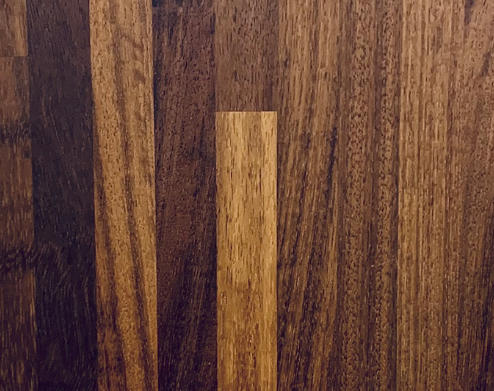
| Property | Iroko | Teak | Oak | Walnut |
|---|---|---|---|---|
| Fresh Colour | Light yellow–golden | Honey brown | Pale beige | Medium chocolate |
| Aged Colour | Deep brown | Dark brown | Light tan | Dark brown |
| Grain | Coarse, interlocked | Straight, fine | Open-grained | Close-grained |
| Durability | High | Very high | Medium | Medium-high |
| Maintenance | Moderate | Moderate | Frequent | Moderate |
| Cost | Affordable | Expensive | Moderate | Expensive |
While iroko is not identical to teak, its striking resemblance and cost advantage make it an ideal sustainable substitute.
Proper care can dramatically influence whether your iroko remains golden or develops a mature dark tone.
- Apply a UV-blocking clear coat or hardwax oil to slow the darkening.
- Avoid strong chemical cleaners; instead, use mild soaps and soft cloths.
- Re-oil or polish once or twice a year to maintain vibrancy.
- For decking or furniture, treat raw surfaces with teak or Danish oil after installation.
- Reapply every six months to prevent graying.
- If you prefer a weathered look, you can skip oiling — the surface will gracefully fade to a silver-grey patina over time.
If the wood greys, sanding lightly followed by oil application will restore its natural warmth. Fine steel wool can help remove dead surface fibers without damaging the deeper layer.
Iroko flooring provides a smooth transition from light to dark tones, enriching interiors over decades. It mixes beautifully with neutral walls and minimalist décor.
From dining tables to cabinetry, iroko's golden tones add sophistication. Its resilience to humidity makes it suitable for kitchens and bathrooms.
Iroko performs exceptionally well outdoors — in garden benches, decking, and cladding. Over the years, it either retains its golden charm (with oiling) or transforms to a refined grey shade (if left natural).
Owing to its oiliness and rot resistance, iroko is ideal for ship decks and industrial environments where durability meets aesthetic appeal.
One of the reasons homeowners and designers fall in love with iroko is its natural patina — a gentle surface glow that evolves as the wood ages. This patina gives iroko a sense of permanence, warmth, and connection to nature.
- Warm Ambiance: The golden and bronze undertones create inviting spaces.
- Luxury Feel: Deep, aged hues convey timeless richness.
- Organic Variation: Each board tells its own visual story.
In spaces like parlours, libraries, or terraces, iroko's colour depth can transform ordinary furniture into statement pieces.
Sustainability plays an essential role in modern construction and design. Iroko is considered an environmentally responsible alternative to Burmese teak due to its broader availability and fast replenishment rate in certain regions.
- Choose suppliers offering FSC-certified iroko.
- Prefer kiln-dried material from legal forestry operations.
- Opt for reclaimed iroko furniture where available — it often shows mature, rich hues already developed by decades of oxidation.
Iroko's longer lifespan means reduced need for replacement and less waste generation over time.
- Store properly before installation: Avoid prolonged UV exposure before finishing.
- Seal all sides: Including hidden surfaces to ensure even coloration.
- Control humidity indoors: Excess moisture can cause patchy darkening.
- Use finishing oils sparingly: Apply thin coats and buff thoroughly.
- Test finish samples: Try small tests to preview how oils or varnishes affect colour before coating the whole surface.
Myth 1: Iroko stays yellow forever.
It begins yellow but matures into brown through oxidation and UV exposure.
Myth 2: Oiling iroko prevents colour change.
Oiling slows but does not stop darkening; it can even accelerate tonal depth depending on oil type.
Myth 3: Grey iroko is damaged.
The grey patina is a natural surface weathering process, not structural damage. Light sanding restores colour easily.
Myth 4: Iroko cannot match teak's beauty.
Properly finished iroko achieves an equally appealing sheen and stability — at a fraction of the cost.
Iroko wood's natural journey from pale gold to rich, dark brown is part of what makes it an enduring favorite among architects, designers, and craftsmen. Its deep tones evoke warmth, its durability promises longevity, and its evolving surface reflects time and craftsmanship. Whether used for elegant interior flooring, resilient outdoor decks, or stately furniture pieces, iroko never fails to impart timeless grace.
To preserve its beauty, protect it from excessive UV exposure, apply the proper oils, and appreciate its natural ageing process. Iroko's colour is not static — it is a narrative of age, environment, and artistry.
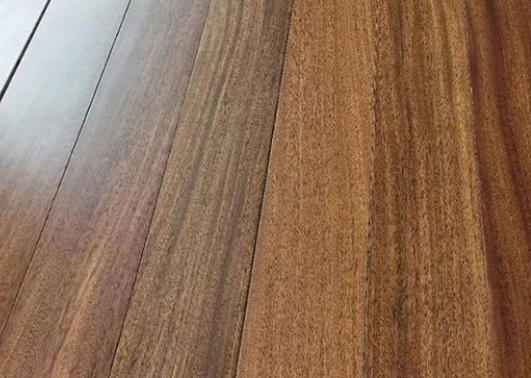
Fresh iroko wood is light yellow to pale golden brown, sometimes with mild greenish tones. The colour can vary between boards from the same tree.
Yes. Over time and exposure to sunlight, the colour deepens naturally from golden brown to warm chocolate shades due to oxidation.
Use a UV-blocking varnish or sealant and reapply every 6–12 months. Keep the wood out of constant direct sunlight to delay significant darkening.
Iroko offers a similar look to teak but at a lower price. While teak may have finer grain, iroko provides comparable beauty and durability, making it a preferred sustainable alternative.
Untreated iroko turns into a silver-grey patina. This weathered look is structurally harmless and often appreciated for its natural, aged beauty.


