
Views: 222 Author: Rebecca Publish Time: 2025-10-20 Origin: Site


Content Menu
● Understanding Hardwood Flooring
>> 1. White Oak
>> 2. Red Oak
>> 3. Hickory
>> 4. Maple
>> 5. Walnut
>> 1. Brazilian Cherry (Jatoba)
>> 3. Tigerwood
● European Oak vs. American Oak
● Hardness Comparison Chart (Janka Scale)
● Essential Hardwood Maintenance Practices
>> Seasonal and Long-Term Care
● Environmental and Sustainability Considerations
● FAQs
>> 1. What is the hardest wood for flooring?
>> 2. Which wood flooring is easiest to maintain?
>> 3. Can I use hardwood flooring in kitchens or bathrooms?
>> 4. What wood color works best for small spaces?
>> 5. How long do hardwood floors last?
Hardwood floors remain a timeless choice for homeowners worldwide, combining durability, warmth, and natural beauty. Yet with so many wood species available—from sturdy oak and hickory to exotic options like Brazilian cherry—the challenge is knowing which type of wood best suits your needs, lifestyle, and design preferences.
In this guide, we'll explore the most popular hardwood flooring species, their characteristics, advantages, and ideal applications. Additionally, we'll cover essential installation and maintenance practices to ensure your floors stay pristine for decades.
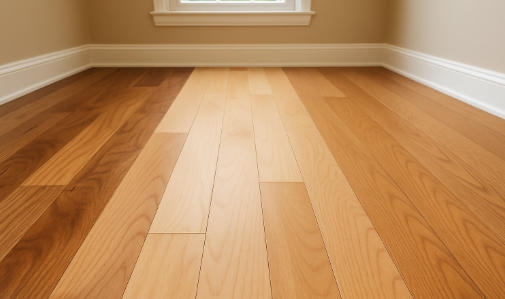
Before diving into species, it's important to distinguish between solid and engineered hardwood floors.
- Solid hardwood is milled from a single piece of wood. It can be sanded and refinished multiple times, making it extremely long-lasting.
- Engineered hardwood consists of multiple layers, with a real wood veneer on top. It's more stable in humid environments, ideal for basements or coastal areas.
Once you've chosen your construction type, the next major decision is wood species—the foundation of your floor's performance and look.
Domestic species are typically sourced from North America. They're known for being durable, affordable, and easy to find.
White oak tops many flooring experts' lists thanks to its strength, moisture resistance, and versatility. With a Janka hardness score of about 1360, it withstands daily wear and tear.
- Color: Ranges from golden brown to light gray tones.
- Grain: Fine, straight grain patterns that deliver a clean look.
- Style Match: Perfect for modern, Scandinavian, and transitional interiors.
White oak also stains evenly due to its closed-grain structure, allowing it to adapt to various finishes—from neutral, natural tones to deep espresso shades.
Red oak is perhaps the most common hardwood used in American homes. With a slightly lower Janka hardness (1290) than white oak, it still offers excellent durability.
- Color: Creamy pink to golden red and rusty brown.
- Grain: Open and more pronounced, adding depth and warmth.
- Ideal For: Rustic, farmhouse, or traditional aesthetics.
Its popularity also means easier color matching when replacing or expanding existing flooring later on.
For households with pets or children, hickory is a superb choice. It's one of the hardest domestic species with a Janka rating around 1820, offering outstanding resistance to scratches and dents.
- Color: Deep brown to creamy white with striking variation.
- Grain: Bold and varied; adds dramatic character.
- Best Use: Farmhouse, cabin-style, or high-traffic areas.
Although more expensive than oak, hickory's unique patterns and durability often justify its cost for demanding homes.
Maple delivers sleek uniformity and subtle elegance. It's known for light, creamy coloration, minimal grain pattern, and a medium hardness rating of about 1450.
- Color: Pale cream with slight reddish hues.
- Finish: Accepts light finishes beautifully but can be challenging for dark stains.
- Use: Modern, minimalist, and coastal settings.
Maple's clean look and fine texture make it a favorite in contemporary interiors or sports surfaces such as basketball courts.
American black walnut is cherished for its deep, rich hues rather than hardness (Janka rating ~1010). Though softer, it exudes sophistication and warmth.
- Color: Dark chocolate brown with subtle purplish undertones.
- Feel: Elegant and luxurious, perfect for formal rooms.
- Maintenance Tip: Use area rugs in high-traffic spots to prevent denting.
Walnut ages gracefully, developing a soft patina over time.
If you seek something more distinctive or luxurious, exotic species bring unique color and grain variations that domestic woods can't match.
Brazilian cherry (Jatoba) is a showstopper—renowned for its deep red and brown hues and extreme hardness (Janka rating ~2350).
- Color: Reddish-brown tones with lighter streaks.
- Durability: Exceptionally strong and wear-resistant.
- Caution: Color darkens significantly with sunlight exposure.
Brazilian cherry is ideal for formal settings but might overpower smaller rooms if used excessively.
Santos mahogany offers a rich brown-to-orange tone that provides depth without the intensity of Brazilian cherry.
- Hardness: Slightly lower, around 2200 Janka.
- Look: Warm medium-brown with darker highlights.
- Advantage: More uniform shading than other exotic options.
Named for its striking streaks, tigerwood displays a dramatic blend of gold and dark brown striping.
- Color: Pale gold to reddish brown.
- Aesthetic: Exotic and bold; each plank is unique.
- Care Tip: Exposure to light will mellow the strong contrast.
Tigerwood is best used in wide planks to keep the visual effect balanced.
Arguably the hardest among exotic species, Brazilian teak has a Janka rating of about 3540.
- Color: Tan to medium brown with occasional red highlights.
- Hardness: One of the most durable hardwoods available.
- Best For: High-traffic commercial or long-term residential areas.
Its minimal graining and consistent tones create a uniform appearance—excellent for modern luxury interiors.
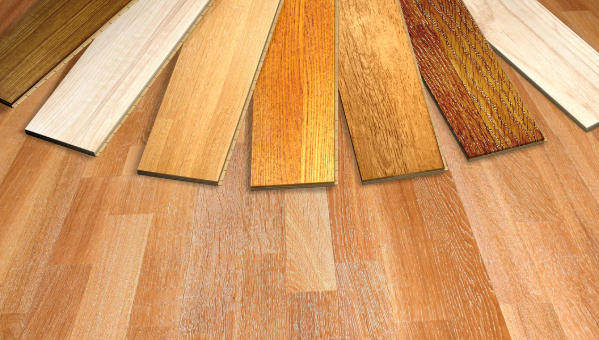
While both white and red oak dominate North American homes, European oak has gained global recognition for its wide planks, natural tones, and consistent grain.
- Texture: Smoother than American oak due to slower growth conditions.
- Tone: Neutral beige to soft brown; matches both rustic and modern designs.
- Sustainability: Many European oak products are FSC® certified for responsible sourcing.
If you prioritize sustainability, understated sophistication, and stability, European oak may be your winner.
| Wood Species | Janka Hardness | Durability Level |
|---|---|---|
| White Oak | 1360 | Excellent |
| Red Oak | 1290 | Very Good |
| Maple | 1450 | Excellent |
| Hickory | 1820 | Superior |
| Walnut | 1010 | Moderate |
| Brazilian Cherry | 2350 | Exceptional |
| Brazilian Teak | 3540 | Extreme |
| Santos Mahogany | 2200 | Exceptional |
Proper installation determines how well your hardwood floors perform over time. Following precise methods ensures beautiful and long-lasting results.
- Plan the layout: Always start along the longest wall to create visual continuity.
- Acclimate the wood: Allow planks to rest in the room for 3–5 days before installation to adjust to temperature and humidity.
- Leave expansion gaps: Wood expands and contracts with humidity changes—typically, a 1/2-inch gap around walls prevents buckling.
- Secure correctly: Use nails, glue, or floating-click mechanisms depending on floor construction.
- Add trim and transitions: Finish with baseboards and transitions between flooring types for a clean, professional look.
Longevity comes not only from material hardness but also from diligent care. According to flooring experts, keeping hardwood clean and protected drastically extends its lifespan.
- Sweep or vacuum regularly using a soft-bristle attachment to remove dirt and grit.
- Wipe spills immediately using a soft cloth to avoid warping or stains.
- Mop lightly with a microfiber mop and wood-safe cleaner; never oversaturate.
- Inspect high-traffic areas for scuffs, dents, or surface dullness.
- Humidity Control: Keep indoor humidity between 35–55% year-round. Use humidifiers during dry winters and dehumidifiers in humid summers.
- Protective Mats: Place mats near entrances and sinks to trap dirt and moisture.
- Furniture Pads: Attach felt or flannel pads to furniture legs to prevent scratches.
- Professional Recoating: Every 5–10 years, apply a fresh protective coat before sanding is necessary.
Proper maintenance ensures your floors maintain their natural beauty for generations.
Eco-conscious homeowners often look beyond aesthetics and durability—sourcing matters too. Responsibly harvested woods from certified forests ensure your flooring supports sustainable ecosystems.
- FSC®-Certified Products: Verify your flooring source uses timber from responsibly managed forests.
- Local Sourcing: Domestic hardwoods like oak or hickory leave a smaller carbon footprint than imported exotics.
- Long-Term Durability: A well-maintained hardwood floor can last over 75 years, reducing the demand for frequent replacements.
By selecting eco-friendly materials, you contribute to sustainable forest management while enjoying a lifetime investment.
There isn't a one-size-fits-all answer to what type of wood is best for hardwood floors—the “best” species depends on your home's traffic level, climate, design goals, and maintenance comfort. However, white oak and European oak stand out as all-rounders for durability, sustainability, and aesthetic adaptability.
If you seek character and longevity, hickory excels. For radiant, exotic beauty, explore Brazilian cherry or Santos mahogany. And for sleek minimalism, maple remains a perennial favorite.
Choosing the ideal hardwood species ensures your floor not only looks stunning but also endures the test of time for decades to come.
The hardest commonly used flooring wood is Brazilian teak (Cumaru), with a Janka hardness of around 3540. For domestic choices, hickory leads with about 1820, providing excellent dent resistance.
Oak and maple are easy to clean and refinish. Their tight grain hides dust and scratches effectively, making them practical for long-term home use.
While hardwood isn't recommended for high-moisture areas, engineered hardwood—especially white oak—can be used with proper ventilation and sealant application.
Lighter woods like maple or white oak help reflect natural light, making smaller rooms feel more open and airy.
Properly maintained hardwood floors can last 50–100 years. Regular cleaning, refinishing, and humidity control are key factors for longevity.
[1](https://shawfloors.com/en-us/care-and-warranties/hardwood)
[2](https://www.pondershollow.com/uploads/PDFs/Ponders_Hollow_Installation_Maintenance_Guide.pdf)
[3](https://www.junckershardwood.com/wood-flooring/guidance/hardwood-flooring-installation-guide)
[4](https://geminifloors.com/hardwood-floor-maintenance-guide/)
[5](https://grafch.com/pdf/SOLID-INSTALL.pdf)
[6](https://woodfloors.org/maintenance/)
[7](https://www.bruce.com/en-us/the-ultimate-guide-to-hardwood-floor-care.html)
[8](https://johnsonhardwood.com/resources/care-maintenance/)
[9](https://www.bellacerafloors.com/hardwood-installation-warranty/floor-care.aspx)
[10](https://us.pallmann.net/knowledge/floor-care-maintenance)


