


Content Menu
● Geographic Origins and Natural Habitat
>> African Rainforest Heartlands
>> Influence of Habitat on Wood Properties
● Physical and Mechanical Properties
>> Indigenous and Historical Applications
>> Evolution in International Trade
>> Modern Industrial Applications
● Environmental Impact and Sustainability
>> Endangered Status and Logging Pressures
>> The Carbon Sequestration Advantage
>> Regulatory Safeguards and Certification
>> Comparing Life Cycle Impacts
>> Efforts in Restoration and Alternatives
>> Supporting Local Livelihoods
>> Challenges and Responsibilities for Buyers
● Health and Safety Considerations
● Wenge in Contemporary Design
>> Architectural and Personal Style
>> Repair, Refurbishing, and Longevity
● FAQs
>> 1. What countries does wenge wood come from?
>> 2. Why is wenge wood considered endangered?
>> 3. What are popular uses for wenge wood?
>> 4. How can I identify authentic wenge wood?
>> 5. Is wenge wood sustainably harvested?
Wenge wood is an exotic hardwood prized for its rich, dark hues and dramatic grain patterns, capturing the admiration of furniture makers, architects, and artists worldwide. But beneath the surface beauty of this material lies a deeper story of geographic origins, cultural significance, evolution in trade, and increasingly urgent questions about environmental sustainability. This article explores wenge wood's complete journey—from its roots in the lush forests of Africa to its place in modern high-end design—while helping buyers, manufacturers, and enthusiasts make informed, ethical decisions.[1][3][4][10][11]
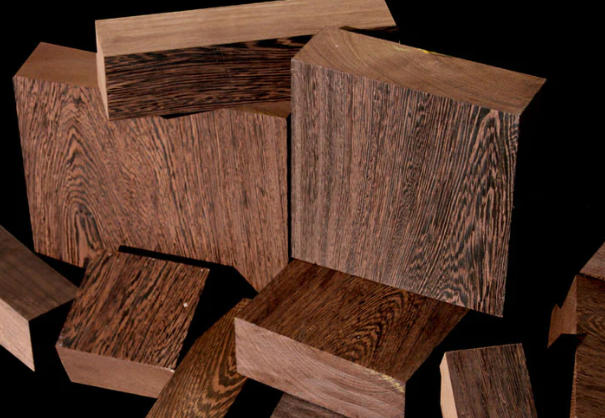
Wenge wood is harvested from the Millettia laurentii tree, a legume native to the tropical rainforests of Central Africa. The tree itself can tower over 100 feet (30 meters) and grows best in the high-humidity, fertile soils of this region. It is most commonly confused with panga panga (Millettia stuhlmannii), another tree from the same genus but found more in Eastern Africa.[4][11][12]
Wenge trees are indigenous to Central Africa, in particular to Cameroon, Gabon, Equatorial Guinea, and the Democratic Republic of Congo. These dense forests provide the optimal growing environment, with ample rainfall and equilibrated temperatures, fostering strong and resilient wood.[10][11][4]
The unique climate and soil composition of this region yield a wood of high density, deep chocolate browns blended with subtle black streaks, and a tight, straight grain. This distinctive look makes wenge stand out—even among other African hardwoods.[9][13][4]
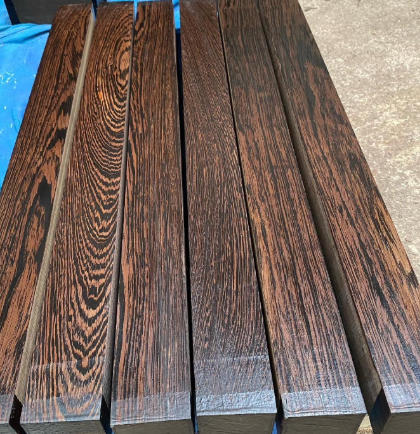
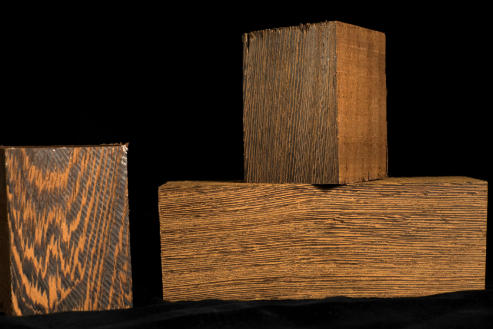
The color ranges from dark brown to almost black, with alternating lines of deep black grain, sometimes compared to chocolate bars or espresso. Wenge's coarse, open texture and natural luster set it apart in both touch and appearance.[13][4]
Wenge is extremely dense, with a Janka hardness value far surpassing many other hardwoods—commonly 1630 lbf (pound-force). It resists wear, scuffing, and fungal attacks and is naturally termite- and rot-resistant, making it suitable for both interior and some exterior usages when properly finished.[14][4][13]
Locally, communities use wenge wood for constructing homes and barns, crafting tool handles, making carvings, and utilizing its bark and leaves in traditional medicine. Remedies from the tree are applied to skin diseases, fever, and other ailments.[15][9]
Wenge wood entered international markets as a fine furniture and veneer timber. It achieved iconic status in mid-century modern European interiors and is now used globally, appearing in high-end floors, luxury cabinets, and feature walls.[12][4]
- Furniture: Exclusive and durable, wenge is used in upscale furniture, cabinetry, and joinery.[16][4]
- Flooring: Patterned and hard-wearing, wenge adds sophistication in residential and commercial environments.[4][14]
- Musical Instruments: Its strength and tonal characteristics make it popular for guitar necks, fingerboards, and basses, notably among brands such as Warwick and Ibanez.[14][16]
- Woodturning and Decorative Arts: Artists value wenge for sculptural objects, bowls, chessboards, and accessories.[16][4]
- Sporting Goods: Selected for flatbows and tool handles due to its strength and resilience.[4][16]
Wenge's international popularity has come at a steep ecological cost. Overharvesting and illegal logging have put severe pressure on wild populations, reducing the tree's numbers by over 50% in three generations, leading to its classification as “endangered” by the IUCN. Habitat destruction from agriculture and unsustainable forestry practices further threaten the species' survival.[3][7][1]
Despite the crisis, wenge trees do contribute positively to the environment by absorbing significant quantities of carbon dioxide as they grow, making them effective carbon sinks. The large size and long lifespan of mature trees maximize carbon capture, aiding global efforts against climate change as long as forests are maintained.[2][1][3]
The international timber trade restricts wenge's movement through CITES and tightens sourcing standards. In Europe and North America, products must increasingly originate from suppliers with Forest Stewardship Council (FSC) or Programme for the Endorsement of Forest Certification (PEFC) labels, ensuring legal and sustainable harvesting. Responsible importers conduct risk assessments and maintain traceability from stump to store.[2][4]
A life-cycle analysis reveals key aspects:
- Harvesting Stage: Potentially sustainable if forests are managed properly and replanting occurs frequently.[1]
- Manufacturing Stage: Environmental impact is minimized by using waste for by-products or biomass energy.[1]
- Transportation: High carbon footprint due to long shipping routes from Africa to consumer markets.[1]
- Usage: Long-lasting products trap carbon for decades, making them better for the environment than disposable plastics.[2][1]
- End-of-Life: Reuse, reclamation, or converting wood to bioenergy at the end of its life further reduces impact.[8]
Sustainable forestry programs are working to improve wenge's prospects through better protection, replanting, and economic incentives for communities to keep forests healthy. Using certified or reclaimed wenge, and opting for alternatives like American Black Walnut for similar visual impact, helps relieve stress on wild populations.[3][4]
The export of wenge lumber is an important economic activity in producing countries, providing jobs in forestry, sawing, and logistics. However, benefits can be undermined if communities lose access to long-term forest resources due to unsustainable logging.[3][2]
With growing scrutiny, buyers and designers must ensure that any wenge wood or product comes from ethical sources—ideally certified or reclaimed—supporting both environmental and social responsibility.[2][4]
Wenge wood dust can cause allergic reactions, skin irritation, and respiratory sensitivity in woodworkers. Proper dust extraction, personal protective equipment, and safe work practices are essential in factories and workshops.[9]
The unique color of wenge makes it a favorite for modern homes, upscale restaurants, and even statement jewelry. Designers use it to contrast lighter woods or metal accents, achieving both warmth and sophistication. In minimalist interiors, its presence brings a sense of luxury and authenticity often imitated but rarely matched.[16][4]
Furniture made from wenge can last generations if properly cared for. Its durability enables it to be refinished, repaired, and upcycled, thus extending product life cycles and maximizing sustainability benefits.[1][2]
Wenge wood, sourced from the heart of Central Africa, is one of nature's masterpieces—famed for its strength, striking color, and versatility in craftsmanship and design. However, this beauty comes at a cost: overexploitation has endangered the species and imperiled vital wildlife and forest ecosystems. Sustainable harvesting, ethical certifications, responsible consumer choices, and investment in restoration efforts are critical for ensuring that future generations can experience the richness and significance of wenge wood. Through conscientious sourcing and respect for the natural world, wenge can continue to inspire designers and benefit local economies—while safeguarding the living legacy of Africa's rainforests.[7][10][13][3][4][2][1]
Wenge wood is sourced mainly from Cameroon, Gabon, the Democratic Republic of Congo, and Equatorial Guinea in Central Africa.[11][10][4]
Its endangered status results from decades of overharvesting, habitat loss, and illegal logging, with over half the wild population lost in the last three generations. The IUCN lists it as endangered, necessitating trade restrictions and conservation efforts.[7][3][1]
Wenge is widely used in high-end furniture, flooring, cabinetry, woodturning, musical instruments, and sporting equipment due to its strength, aesthetics, and resistance to wear.[14][4][16]
Look for a dark brown to black color, interwoven with blackish stripes and a coarse, open texture. The wood is extremely dense, feels heavy, and offers a distinctive luster not easily replicated by other hardwoods.[13][4]
Sustainable harvesting is possible with FSC, PEFC, or similar certifications. Buyers should demand proof of responsible sourcing and give preference to certified or reclaimed wenge products.[4][2][1]
[1](https://impactful.ninja/how-sustainable-is-wenge-wood/)
[2](https://www.wlwest.co.uk/news/is-wenge-wood-sustainable)
[3](https://glamorwood.com/types-of-wood/wenge-wood/)
[4](https://duffieldtimber.com/the-workbench/timber-trends/timber-species-guide-wenge)
[5](https://anygreenwilldo.co.uk/blog/wenge-wood-to-the-rescue/)
[6](https://www.shdtimber.com/is-wenge-wood-endangered.html)
[7](https://www.wood-database.com/wenge/)
[8](https://impactful.ninja/least-sustainable-types-of-wood/)
[9](https://www.woodassistant.com/wood-database/wenge-wood/)
[10](https://explorewood.com/wood-database/wenge-wood/)
[11](https://en.wikipedia.org/wiki/Millettia_laurentii)
[12](https://www.woodcraft.com/blogs/wood/wood-sense-spotlight-on-wenge)
[13](https://www.hearnehardwoods.com/wenge-lumber-2/)
[14](https://www.builddirect.com/blogs/expert-advice-on-flooring/what-is-wenge-hardwood-flooring)
[15](https://pfaf.org/user/Plant.aspx?LatinName=Millettia+laurentii)
[16](https://cameroontimberexport.com/wenge-wood-properties-and-uses/)


