
Views: 222 Author: Loretta Publish Time: 2026-03-03 Origin: Site


Content Menu
● What Makes Eucalyptus Wood Different?
● Why Finish or Stain Eucalyptus Wood?
● The Main Challenges of Eucalyptus Wood Finish
>> 1. Dense grain and blotchy staining
>> 3. Outdoor exposure and movement
● Best Oil‑Based Finishes for Eucalyptus Wood
>> 1. Boiled linseed oil (BLO)
>> 2. Tung oil
>> 3. Teak oil
● How to Choose the Best Finish for Your Eucalyptus Project
● Step‑by‑Step: How to Apply an Eucalyptus Wood Finish
>> Step 1: Surface preparation
>> Step 2: First oil application
>> Step 3: Building the finish
>> Step 4: Optional sealant or topcoat
● Long‑Term Care: Maintaining an Eucalyptus Wood Finish
● Safety Tips When Working With Eucalyptus Wood Finish
● Why Source Eucalyptus From a Professional Timber Partner?
● Take the Next Step With HONG KONG SENHEDA WOOD LIMITED
● FAQs on Eucalyptus Wood Finish
>> 1. How many coats of oil finish should I use on eucalyptus wood?
>> 2. Do I always need a sealant over an eucalyptus wood finish?
>> 3. Can I use water‑based stain on eucalyptus?
>> 4. How do I maintain outdoor eucalyptus furniture so it does not turn gray?
>> 5. Is finishing eucalyptus wood suitable for beginners?
Eucalyptus is a strong, durable hardwood, but its dense grain and natural oils make choosing the best finish for eucalyptus wood more challenging than most DIYers expect. This enhanced guide explains how eucalyptus behaves, compares the main finish options, and walks you step by step through creating a professional, long‑lasting eucalyptus wood finish for both indoor and outdoor projects.

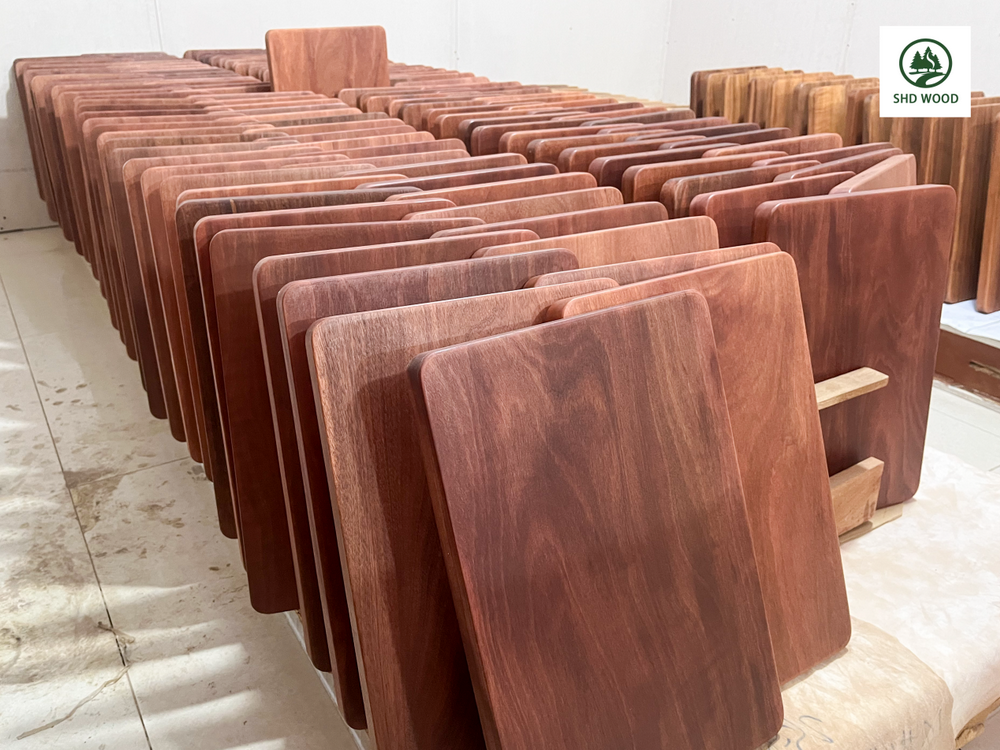
Eucalyptus is popular for furniture, decking, and outdoor applications because it combines exceptional strength, natural water resistance, and rich color tones from pale beige to reddish‑brown. Its structure, however, also explains why finishing and staining eucalyptus can be tricky.
- Dense grain: The tight, dense grain increases strength but reduces stain penetration, which easily leads to blotchy results with standard wood stains.
- High oil content: Natural oils make eucalyptus more water‑repellent and weather resistant, but they also repel many water‑based finishes and stains.
- Outdoor suitability: Thanks to this density and oiliness, eucalyptus performs well in outdoor furniture and structures if you support it with the right finish and periodic maintenance.
For readers, a simple way to think about eucalyptus is: it behaves more like a naturally oily tropical hardwood than like common softwoods, so it responds better to penetrating oil‑based finishes than to typical water‑based stains.
Even though eucalyptus has attractive natural color and weather resistance, a proper eucalyptus wood finish significantly improves performance, look, and service life.
- Enhance or adjust color: The wood starts golden‑brown and deepens over time; finishes can maintain this warm tone, darken it slightly, or help achieve a more uniform appearance where boards vary.
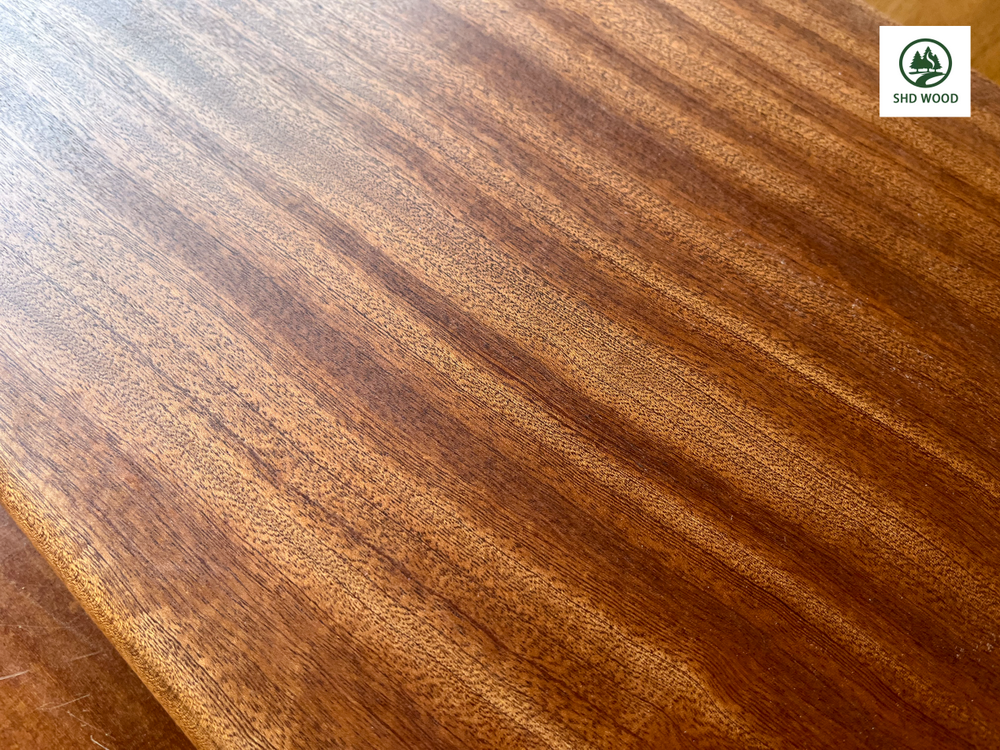
- Highlight grain: Penetrating oils subtly accentuate the grain and figure instead of covering them, giving furniture a richer, more "alive" look.
- Refresh aged pieces: UV exposure can wash out color; re‑finishing restores depth and makes older eucalyptus furniture look new again.
- Moisture protection: The right oil or topcoat limits water absorption, reducing swelling, warping, and surface checking in outdoor use.
- Improved durability: Penetrating oils plus, when needed, a sealant layer help the surface resist abrasion, scratches, and dirt.
- UV resistance outdoors: Finishes that include UV blockers, or UV‑protective oils, slow graying and surface degradation under sunlight.
Finishing eucalyptus is less about hiding flaws and more about protecting and amplifying what the wood already does well.
Understanding eucalyptus' finishing challenges helps you choose the right products and techniques from the start.
Traditional wipe‑on stains are designed to soak in evenly, but eucalyptus' tight grain structure resists penetration. This often leads to:
- Uneven, patchy color
- Dark "pools" in slightly more porous spots
- Lighter areas where stain simply sits on the surface
This is why many professionals avoid standard water‑based or thick pigment stains on eucalyptus and prefer penetrating oils or tinted oil systems instead.
The same natural oils that give eucalyptus its water resistance also slow or block absorption of many finishes. Water‑based products in particular tend to sit on the surface, leading to:
- Poor adhesion
- Slow or incomplete curing
- Increased risk of peeling or flaking outdoors
Oil‑based finishes formulated for dense hardwoods, by contrast, bond better and are much more reliable for long‑term performance.
Eucalyptus used outdoors faces UV light, temperature swings, and repeated wet‑dry cycles. Without a suitable finish and regular care, you may see:
- Surface checking and hairline cracks
- Graying or silver patina from UV exposure
- Finish erosion on edges and horizontal surfaces
These challenges do not mean eucalyptus is difficult; they simply mean you must match the finish system to the wood rather than treat it like generic softwood.
Oil‑based finishes are generally regarded as the best finish for eucalyptus wood because they penetrate the dense grain, enrich color, and work with the wood's natural oils.
Boiled linseed oil is often considered a top choice for eucalyptus wood finish, especially when you want a warm, natural look.
- Protection: Offers solid resistance to moisture, surface wear, and moderate outdoor exposure when maintained regularly.
- Appearance: Deepens existing color, creating a richer golden‑brown tone without adding artificial pigment.
- Practicality: Dries much faster than raw linseed oil, making it more convenient for multi‑coat finishing.
BLO is ideal for indoor furniture, accent pieces, or covered outdoor areas where you want a low‑build, natural aesthetic rather than a thick glossy film.
Pure or high‑quality tung oil is a premium option when you need superior water resistance and a more durable finish film.
- Water resistance: Penetrates deeply, then polymerizes to form a tough, elastic barrier strongly resistant to moisture.
- Sheen: Typically results in an attractive satin sheen rather than a full gloss.
- Coat count: Requires multiple thin coats (often 3–5) with adequate drying time between each application.
Tung oil is excellent for high‑touch items like tabletops and armrests where you want both tactile warmth and long‑term resilience.
Teak oil blends are widely used on outdoor hardwoods and are a practical choice for exterior eucalyptus furniture.
- UV and weather protection: Many teak oils incorporate UV inhibitors and resins that help protect against sunlight and rain.
- Ease of use: Simple to wipe on and off; user‑friendly for homeowners maintaining decks and outdoor sets.
- Maintenance: Requires periodic re‑application, especially on fully exposed surfaces, to maintain color and hydrophobic performance.
For outdoor chairs, benches, and tables, teak oil gives a good balance of appearance, protection, and maintenance effort.
Use this simple decision path when selecting a eucalyptus wood finish system.
Project type | Location | Recommended primary finish | Suggested topcoat / extra protection |
Indoor table, shelves | Indoors, stable climate | Boiled linseed oil or tung oil | Optional thin polyurethane or hard-wax oil for extra stain resistance |
Outdoor furniture (covered patio) | Semi-exposed | Teak oil or tung oil | Optional UV-protective clear coat on horizontal surfaces |
Outdoor furniture (fully exposed) | Direct sun and rain | Teak oil, refreshed annually | Exterior-grade clear sealant if you want longer intervals between maintenance |
Decorative indoor items | Indoors | Boiled linseed oil for warm tone | Usually no extra topcoat needed |
This table is also a good place in your layout to insert a simple comparison chart illustrating durability versus maintenance frequency for each finish type.
Following a structured, repeatable process is the easiest way to get professional‑looking results on eucalyptus.
Proper preparation is non‑negotiable for dense, oily woods.
1. Cleaning: Wipe the surface thoroughly with a slightly damp cloth to remove dust and grease, then let it dry completely.
2. Sanding: Start around 120–150 grit to level the surface, then progress to 180–220 grit for a smooth, even finish, always sanding with the grain to avoid scratches.
3. Dust removal: Remove sanding dust with a vacuum and tack cloth; any residue will interfere with penetration and adhesion.
You can visually show this step with a small three‑step process diagram or icons representing cleaning, sanding, and dust removal.
1. Product selection: Choose boiled linseed oil, tung oil, teak oil, or another oil specifically formulated for eucalyptus or dense hardwoods.
2. Application tool: Use a lint‑free cloth, brush, or small roller depending on project size.
3. Wet the surface: Flood the surface lightly with oil, ensuring a continuous wet film without heavy pooling.
4. Dwell time: Let the oil soak for the manufacturer's recommended time, often 10–20 minutes.
5. Wipe off excess: Wipe away all excess oil thoroughly to avoid a sticky, uneven film.
This first coat is critical; it primes the eucalyptus and shows how well the wood is absorbing your chosen finish.
1. Drying: Allow each coat to dry completely according to the product instructions, which may range from several hours to overnight.
2. Light sanding between coats: Use fine‑grit sandpaper (220–320) or a synthetic pad to smooth raised grain and improve bonding.
3. Additional coats: Typically apply 2–3 thin coats for indoor pieces; for outdoor furniture or high‑wear surfaces, add an extra coat or two for greater build and protection.
Keep coats thin; multiple thin layers of oil cure more predictably and look more refined than one heavy coat.
For projects exposed to heavy moisture or direct sun, you may add a clear topcoat over a fully cured oil base.
- Polyurethane or similar: Adds a more robust protective film for tabletops and high‑traffic surfaces.
- Exterior clear coats: For outdoor pieces, select products specifically labeled for exterior use to handle UV and movement.
- Timing: Ensure the oil finish is completely cured before applying a film‑forming topcoat to avoid adhesion issues.
Once the last layer has fully dried, buff with a soft cloth to increase the natural luster and create a pleasant hand‑feel. This simple final step makes eucalyptus look and feel significantly more premium.
Even the best finish for eucalyptus wood requires some maintenance to keep performance and appearance at their peak.
- Regular cleaning: Dust with a soft dry cloth; for more soiling, use a mild soap solution and ensure surfaces are fully dried afterwards.
- Avoid harsh chemicals: Aggressive cleaners or abrasives can dull or damage the finish film.
- Annual inspection: Check for dullness, dryness, or fine cracking, particularly on outdoor items exposed to sun and rain.
- Spot refreshing: Lightly clean, lightly sand, and apply a thin maintenance coat of oil to tired surfaces instead of waiting for severe damage.
For outdoor furniture, many professionals plan a quick once‑a‑year refresh before the main season to keep eucalyptus looking rich rather than gray.
Finishing eucalyptus furniture is straightforward, but you should follow basic safety measures.
- Dust protection: Eucalyptus wood dust can irritate the skin and respiratory system; always use gloves, a dust mask or respirator, and safety glasses when sanding.
- Ventilation: Apply oil and sealants in a well‑ventilated area to reduce exposure to solvents or curing agents.
- Rag disposal: Oil‑soaked rags can self‑heat and pose a fire risk; lay them flat to dry outdoors or immerse in water in a sealed metal container before disposal, following local regulations.
A compact infographic or icon set highlighting dust mask, gloves, and ventilation would fit well in this section.
Choosing the right finish is important, but so is starting with stable, well‑graded eucalyptus timber supplied by a reliable partner.
- Consistent quality: Professionally sourced eucalyptus has more uniform density and moisture content, which helps finishes absorb and cure more evenly.
- Proper drying: Kiln‑dried or properly air‑dried stock reduces internal stresses and surface defects that even the best finish cannot fully hide.
- Streamlined projects: When wood quality is consistent from batch to batch, your finishing process becomes faster, more predictable, and easier to standardize.
As a specialist supplier, HONG KONG SENHEDA WOOD LIMITED focuses on high‑quality eucalyptus and other hardwood timbers for global clients. By combining strict quality control with reliable logistics, we help manufacturers, wholesalers, and project owners achieve better finishing results, fewer defects, and a more efficient supply chain from raw timber to completed, finished products.
If you are planning a new line of eucalyptus furniture, decking, or outdoor structures, the right finish is only half of the story. You also need consistent, high‑quality eucalyptus timber that responds predictably to oils, stains, and sealants. HONG KONG SENHEDA WOOD LIMITED specializes in sourcing, grading, and supplying eucalyptus and other hardwoods for global customers, helping you reduce defects, simplify finishing, and deliver products that look great for years.
Contact our team today to discuss your eucalyptus wood requirements, request a tailored quotation, or schedule a consultation for your next project, and let us help you match the ideal timber and finishing strategy to your exact application.
Most projects perform well with 2–3 thin coats, allowing each layer to dry fully before applying the next and lightly sanding between coats for smoothness. For exterior furniture or high‑wear surfaces, an additional coat can further enhance durability.
Not always. Eucalyptus is naturally weather resistant, and oil finishes alone are enough for many indoor and semi‑covered applications. However, a clear sealant is helpful for surfaces facing heavy moisture, intense sunlight, or frequent spills, such as tabletops and fully exposed outdoor furniture.
You can, but results are often uneven because the dense, oily grain resists water‑based penetration. Oil‑based finishes or tinted oils usually give more predictable, attractive results on eucalyptus, especially when you want to avoid blotchy or patchy color.
Clean it regularly, avoid harsh cleaners, and apply a maintenance coat of teak or tung oil as soon as you notice fading or dryness. As a simple rule, plan at least one refresh coat per year in most climates, and more often in very sunny or coastal environments.
Yes. As long as you follow basic preparation steps, apply thin coats, wipe excess thoroughly, and allow full drying time, even first‑time DIYers can achieve a high‑quality eucalyptus wood finish. Starting with a small piece or offcut is a good way to build confidence before working on a large project.
1. Original article: An Expert Guide on Eucalyptus Wood Finish – K‑Timber
https://k-timbers.com/an-expert-guide-on-eucalyptus-wood-finish/
2. DIY eucalyptus wood preservation tips – Vuka Timbers
https://vukatimbers.co.za/13-handy-tips-for-diy-eucalyptus-wood-preservation/
3. Finish your wood with flair and care – Kaltimber
https://www.kaltimber.com/blog/finish-your-wood-with-flair-and-care
4. HONG KONG SENHEDA TRADE LIMITED – Company site
5. HONG KONG SENHEDA WOOD LIMITED – Company profile
https://cn.linkedin.com/company/hong-kong-senheda-trade-limited


