Views: 213 Author: SENHEDA WOOD Publish Time: 2026-03-02 Origin: Site
The situation of African timber exports in 2026 faces multiple challenges and opportunities. Here is a comprehensive analysis:
1. Market demand aspect Traditional market fluctuations: The European market has experienced a sluggish economic recovery and high inventory levels, resulting in weak growth in demand for African timber. Some orders have shifted to other production areas. The demand in the Chinese market has been affected by the real estate adjustment, showing a "volume reduction and price stability" trend, but the share of African timber in the Chinese market remains relatively stable. Some varieties such as tropical wood logs and Okoume still have demand. Emerging markets potential: Emerging markets such as the Middle East and Southeast Asia have gradually increased demand for African timber. For example, Gabon's export volume to the Middle East increased by 28% in 2026, providing new growth space for African timber exports.
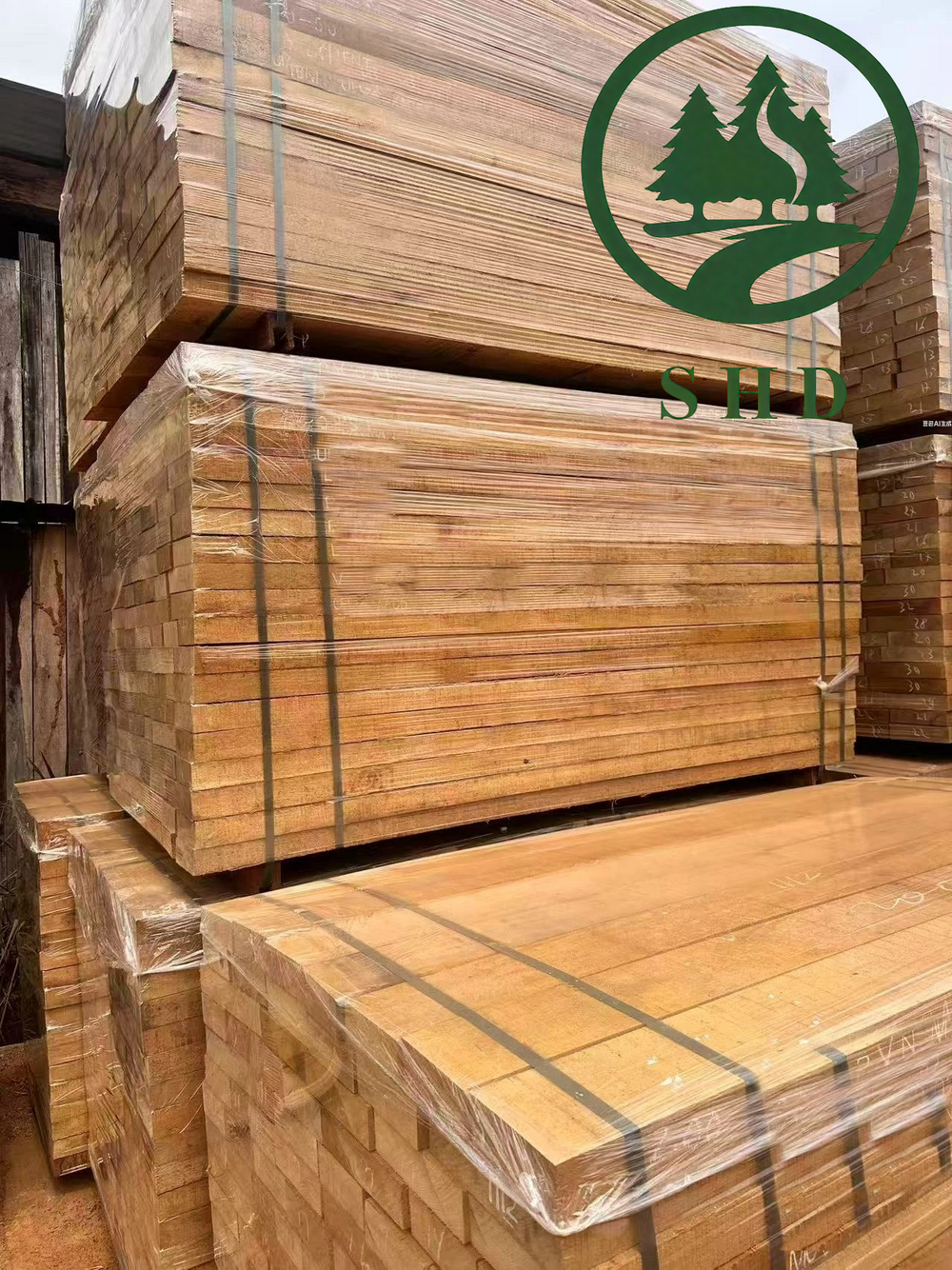
2. Policy and regulations aspect Export tax adjustments: Starting from January 1, 2026, Gabon will increase its timber export tax from 8.6% to 12.5%, which will increase export costs and have a significant impact on enterprises relying on raw materials for processing. Other countries may also follow suit and adjust their tax policies, affecting export competitiveness. Sustainable development requirements: The EU's "Zero Deforestation Act" (EUDR) will come into effect for small and medium-sized enterprises on June 30, 2026, requiring traceability of timber sources and compliance with sustainable standards. African timber export enterprises need to strengthen compliance construction, otherwise they may face market access barriers.

3. Supply and cost aspect Production restrictions: Some African countries such as Gabon and Cameroon have experienced production and export volume declines in the short term due to the rainy season affecting logging and logistics. At the same time, issues such as lack of funds and weak infrastructure have constrained the efficiency of timber production and the stability of the supply chain. Cost pressure: Factors such as increased export taxes, fluctuating transportation costs, and increased compliance costs have led to rising costs for African timber export enterprises and squeezing profit margins.
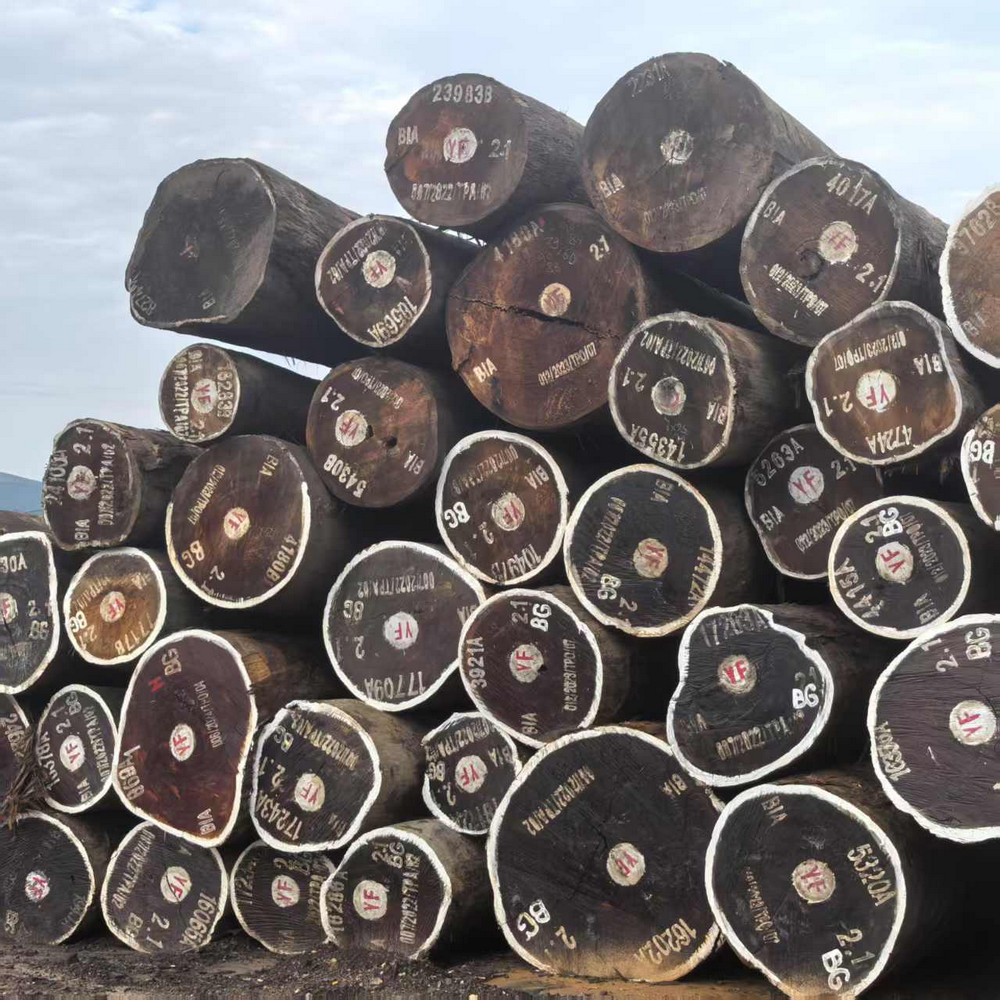
4. Industry adjustment and opportunities Industry upgrading: Enterprises in countries such as Gabon are increasing investment in deep processing and moving towards the third-level processing standard to enjoy lower tax rates, enhancing product value and competitiveness. Cooperation and innovation: African countries are strengthening the management of the forestry sector, promoting sustainable forest management, and exploring the application of technologies such as artificial intelligence in forest monitoring and resource management, laying the foundation for the long-term stable development of timber exports.
Summary: In 2026, African timber exports face challenges such as market demand fluctuations, policy adjustments, and rising costs. However, the growth of emerging markets, industry upgrading, and sustainable development initiatives also provide opportunities for the industry.
HONG KONG SENHEDA WOOD LIMITED,we have been focusing on African wood business for 16 years ,Our variety include OKOUME, IROKO, SAPPELLY,ZEBRA, TALI, PADOUK, BOSSE, AZOBE, EYOUM,DABEMA, AFROMOSIA, TIAMA, OVANGOL, WENGE, KOSIPO, BILLINGA,TEAK,OKAN,etc.
Our website:www.shdtimber.com
Contact Person:Sharon Yao
Whatsapp:+8613418472425


