


Content Menu
>> Physical and Mechanical Properties
● The Origin of Zebra Wood's Smell
>> Chemical Composition of the Scent
>>> 2. Terpenes:
>>> 3. Tannins:
>>> 4. Natural oils:
● How Environmental Factors Influence the Smell
● Sensory Experience: What Does Zebra Wood Really Smell Like?
● Is Zebra Wood's Smell Dangerous?
>> Common Symptoms Noted by Woodworkers
● Why the Smell Persists After Finishing
>> Factors That Prolong the Odor
● How to Minimize or Eliminate Zebra Wood's Smell
>> 2. Use Chemical Sealers or Primers
>> 4. Apply Natural Oil Finishes
● Comparing Odors Among Exotic Hardwoods
● The Chemistry Behind the Scent
● Sustainable Harvesting of Zebra Wood
● Sensory Appeal: More Than Just a Look
>> 1. What makes zebra wood smell different from other woods?
>> 2. Is zebra wood smell harmful to health?
>> 3. Does sealing zebra wood remove the smell completely?
>> 4. Can zebra wood be used safely indoors?
>> 5. Why does zebra wood's smell remind some people of chemicals or rubber?
Zebra wood, known for its striking striped grain pattern and exotic charm, has become a popular choice among furniture makers, instrument craftsmen, and interior designers worldwide. Yet one of the most curious things about zebra wood is not just how it looks—but how it smells. People often describe the scent as strong, sharp, or even unpleasant when freshly cut or sanded. To others, it smells earthy, spicy, and naturally rich—almost like a tropical blend of soil and resin.
Why does zebra wood smell this way? What causes it, and is it harmful? Let's take a deep dive into the biology, chemistry, and practical considerations behind the unique odor of zebra wood and explore how to manage it while enjoying this beautiful exotic hardwood.

Zebra wood is a term applied to several species of tropical hardwoods that share similar visual characteristics—a light-colored base striped with darker streaks that resemble zebra markings. The most recognized and commercially available species is Microberlinia brazzavillensis, native to Central Africa. It is found mainly in Cameroon, Gabon, and the Republic of the Congo.
Other similar species sometimes labeled as zebra wood include *Astronium graveolens* (also known as Goncalo Alves or Tigerwood) and *Brachystegia spp.* However, the true commercial zebra wood, *Microberlinia brazzavillensis*, is the one most prized for decorative veneers and furniture production.
- Color and Appearance: Creamy or golden-yellow background interlocked with dark brown to black streaks.
- Grain: Interlocked, producing a ribbon-like figure on quarter-sawn surfaces.
- Texture: Medium to coarse.
- Density: Approximately 805 kg/m³ (50.3 lb/ft⊃3;).
- Workability: Can be hard on cutting tools due to its density and interlocked grain.
These characteristics contribute to its luxurious appearance but are also tied to its distinctive scent.
The unusual smell that comes from zebra wood originates from volatile organic compounds (VOCs) and chemical extractives naturally produced by the tree. These chemical substances are part of the wood's defense mechanism against pests, fungi, and decay. When the wood is cut, sanded, or heated, these compounds evaporate and release into the air.
These produce a medicinal, sometimes acrid smell reminiscent of antiseptic or burning plastic. They are found in many tropical hardwoods and can linger for months.
Organic compounds commonly produced by trees and responsible for woody or resinous aromas. In zebra wood, certain terpenes oxidize quickly when exposed to air, intensifying the scent temporarily.
Though better known for their role in coloration and durability, some tannins contribute slightly bitter or sharp tones to the wood's scent.
Dense tropical woods often contain internal oils that protect against rot. Zebra wood has oil components that can interact with finishing products or moisture, altering its smell during processing.
Together, these substances create a robust olfactory profile that defines zebra wood.
The aroma of zebra wood is not uniform—it varies depending on where the tree grew and how the wood was processed.
- Soil composition: Rich tropical soils produce woods with more extractives, often resulting in a stronger odor.
- Humidity levels: High humidity slows drying and causes organic compounds to linger longer.
- Seasoning method: Air-dried zebra wood retains more natural oils (and therefore more smell) than kiln-dried material.
- Processing temperature: Cutting or sanding at high speeds warms the wood surface, releasing trapped VOCs faster, which accentuates the scent.
In short, fresh zebra wood emits the strongest smell, while aged and well-sealed wood gives off only a faint, exotic hint of its origin.
People describe the scent of zebra wood differently. Descriptions range from “sharp and unpleasant” to “earthy, spicy, and exotic.” Some compare it to the smell of wet soil, burning rubber, or damp herbs, depending on personal perception and sensitivity.
Interestingly, the smell can also change:
- Freshly milled wood: Strong, resinous, sometimes harsh.
- After drying or finishing: Subtle, warm, slightly nutty.
- After sealing with varnish or oil: Almost odorless or faintly sweet.
These transitions make zebra wood fascinating from both sensory and material perspectives.
Generally, zebra wood's smell is not toxic, but it can cause respiratory or skin irritation in sensitive individuals. Many tropical hardwoods—zebra wood included—contain natural chemicals that serve as insecticides or antifungal agents. While these help protect the tree in nature, they may irritate the human respiratory system when inhaled as wood dust.
- Sneezing or throat irritation after sawing or sanding
- Headache or dizziness in unventilated areas
- Mild rashes upon skin contact
- Watery eyes or nasal congestion
To prevent discomfort:
- Always wear a N95 dust mask or respirator during milling.
- Use dust extraction systems for sanding and cutting.
- Avoid touching your face or eyes after handling raw zebra wood.
- Wash exposed skin thoroughly after work.
- Allow the workshop to ventilate naturally after machining.
By adopting these precautions, you can enjoy working with zebra wood safely.
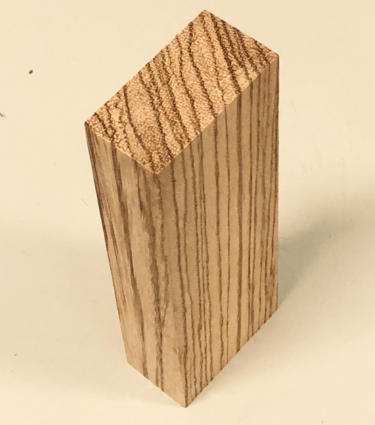
Even after sealing zebra wood with varnish, shellac, polyurethane, or oil, the scent can remain noticeable for weeks. This persistence is due to the slow evaporation of internal oils within the wood's dense structure.
- Temperature: Warm environments boost VOC emission.
- Relative humidity: Moist air slows evaporation.
- Coating permeability: Some finishes (like tung oil) allow limited vapor exchange, while others (like epoxy) lock in the scent completely.
Fortunately, as the wood acclimates to an indoor environment, the smell diminishes naturally without affecting performance or strength.
If zebra wood's natural odor feels overpowering, several practical strategies can reduce it effectively:
Let the wood air out in a shaded but ventilated area for several weeks before use. Slow drying allows volatile compounds to evaporate gradually.
Applying a coat of shellac or polyurethane will trap most of the aromatic compounds.
Place activated charcoal, coffee grounds, or baking soda near finished zebra wood furniture to absorb leftover smells.
Blending linseed oil or beeswax with pleasant-smelling essential oils (like lemon or cedar) can neutralize unpleasant odors while enhancing luster.
Over months of indoor use, zebra wood's distinctive scent fades to an almost imperceptible level.
| Wood Species | Smell Description | Intensity | Toxicity Potential |
|---|---|---|---|
| Zebra Wood (Microberlinia brazzavillensis) | Spicy, pungent, resinous | High | Mild irritation possible |
| Wenge (Millettia laurentii) | Earthy, smoky | High | Skin irritation |
| Rosewood (Dalbergia spp.) | Sweet, floral | Medium | Can trigger allergies |
| Teak (Tectona grandis) | Oily, leather-like | Moderate | Low |
| Padauk (Pterocarpus soyauxii) | Sweet, slightly peppery | Medium | Low |
Zebra wood's smell stands out as unique, flooring many first-time users yet fascinating experienced woodworkers who appreciate its authenticity.
At the molecular level, wood aroma arises from volatile organic compounds such as alcohols, aldehydes, ketones, and phenolics. When a zebra wood log is milled, the heat and friction release more of these vapors into the air.
Scientific analysis has identified hydroxybenzaldehydes and aromatic hydrocarbons as primary contributors. Over time, these compounds oxidize, breaking down into less potent molecules, explaining why the scent fades with age.
In essence, zebra wood smell is a byproduct of natural chemistry—how tropical trees defend themselves and interact with their environment.
Because zebra wood grows primarily in limited regions of Central Africa, its extraction raises sustainability concerns. Unregulated logging has already affected natural habitats, prompting international trade control.
To ensure responsible usage:
- Choose FSC-certified suppliers who follow sustainable forestry standards.
- Opt for engineered veneers that use a thin layer of zebra wood bonded to sustainable substrates.
- Support furniture brands that practice ethical sourcing and transparent supply chains.
Using legitimately sourced zebra wood not only ensures environmental ethics but helps preserve the species for future generations.
The smell of zebra wood, while divisive, contributes to its overall sensory identity. Some luthiers (instrument makers) even cherish its potent aroma, associating it with authenticity and craftsmanship. In finely finished pieces, that faint, exotic fragrance adds a layer of sensory depth beyond mere appearance.
When viewed this way, zebra wood becomes a multi-sensory material, appealing not only to the eyes but also to the nose and touch—a tactile experience that underscores the art of woodworking.
Zebra wood's aroma is an inseparable part of its exotic identity. Its striking striped beauty is matched by equally striking chemical complexity. The scent results from volatile oils, tannins, and natural phenolics that protect the tree but challenge woodworkers with their potency.
While its smell can be intense at first, simple measures like adequate drying, sealing, and ventilation can transform it into a subtle, pleasant trait. Understanding the science behind that aroma not only improves safety but also deepens appreciation of this extraordinary hardwood.
Zebra wood is, after all, not just a visual statement—it's a sensory experience that represents the rich biodiversity of tropical forests and the enduring connection between nature and craftsmanship.
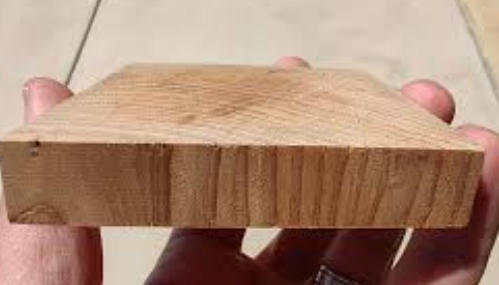
Zebra wood contains a unique combination of natural oils and extractives that emit volatile compounds when cut or sanded. These create its signature earthy, spicy aroma.
It's not usually dangerous, but prolonged exposure to its dust or vapors can cause mild irritation. Always wear a dust mask and ensure proper workshop ventilation.
Sealing with shellac, polyurethane, or lacquer can greatly reduce but not entirely eliminate the odor. Over time, the remaining scent fades naturally.
Yes. Once dried and coated, zebra wood is completely safe for use in furniture, cabinetry, and indoor decoration.
The phenolic compounds responsible for the scent have a chemical or resin-like tone, which some perceive as similar to burning rubber or synthetic materials.


