
Views: 222 Author: SENHEDA WOOD Publish Time: 2026-01-21 Origin: Site


Content Menu
● 3 Wonderful Sapele Wood Finishes for Better Woodworking Projects
>> Finishing Method 1: Clear Sealer and Lacquer
>> Finishing Method 2: Danish Oil Plus Lacquer Topcoat
>> Finishing Method 3: Dark Dye, Stain, and Clear Finish
● Additional Sapele Wood Finishes to Consider
● How to Choose the Best Finish for Your Sapele Project
>> Recommended Sapele Finishes by Application
● Practical Tips for Finishing Ribbon Stripe Sapele
● Sapele Wood Sourcing and Support from HONG KONG SENHEDA WOOD LIMITED
● Clear Call to Action: Get the Right Sapele and Finish Plan for Your Project
● FAQs About Sapele Wood Finishes
>> FAQ 1: What is the best finish for Sapele wood furniture
>> FAQ 2: Does Sapele need a grain filler before finishing
>> FAQ 3: Can Sapele be finished with just oil
>> FAQ 4: Is lacquer or polyurethane better on Sapele
>> FAQ 5: How do I keep Sapele's ribbon stripe from looking blotchy
Sapele wood responds beautifully to the right finish, especially when quarter sawn to reveal its dramatic ribbon stripe grain. Choosing an appropriate finishing system is the key to getting both long‑lasting protection and a high‑end look on furniture, doors, flooring, and custom joinery. This enhanced guide explains the best finishes for Sapele wood, how each behaves on ribbon stripe grain, and how professional wood suppliers like HONG KONG SENHEDA WOOD LIMITED help global buyers select the right material and finishing approach for their woodworking projects.
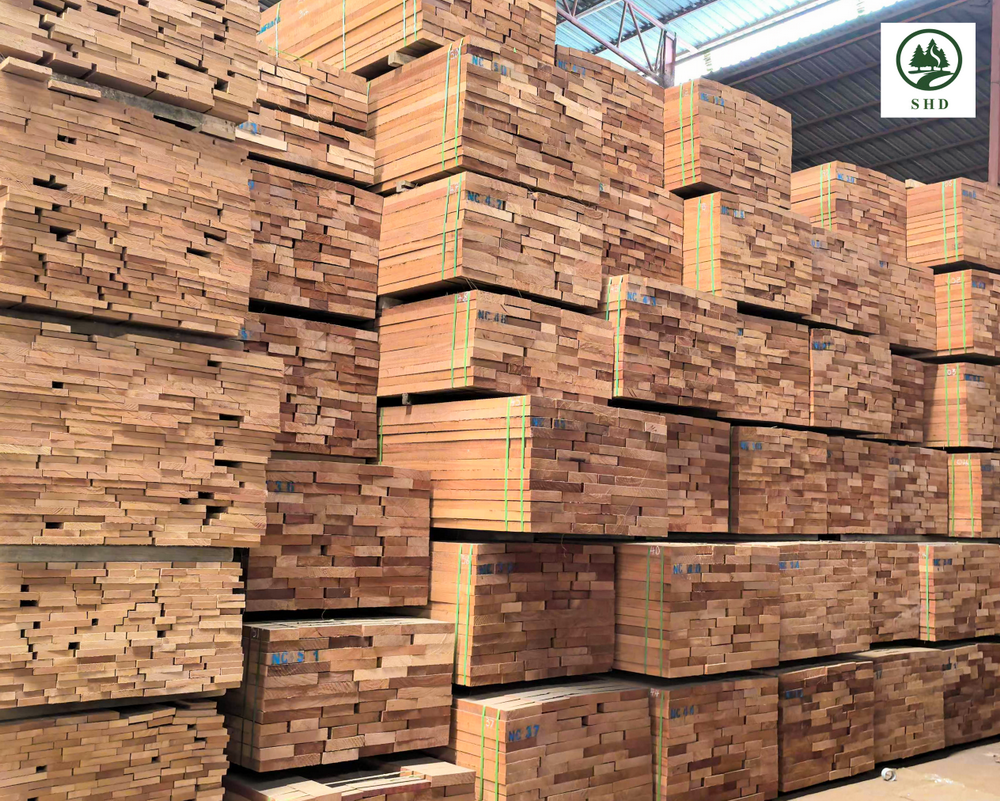
Sapele is a tropical African hardwood, often compared to mahogany because of its warm reddish‑brown color and fine texture. It is significantly harder than many traditional mahoganies and offers excellent durability for both residential and commercial applications.
- Grain and appearance: Interlocked grain and ribbon stripe figure are common, especially in quarter‑sawn boards.
- Mechanical properties: Moderately to very durable, with good resistance to wear, suitable for interior and selected exterior uses.
- Workability: It machines reasonably well but can exhibit tear‑out in areas with reversing grain, so sharp tools and proper sanding are essential before finishing.
Applying a well‑chosen finish dramatically improves both the performance and aesthetics of Sapele in real‑world projects. For manufacturers, brands, and custom shops, a controlled finishing system is also critical for consistent appearance across large product runs.
Key reasons to finish Sapele include:
- Protection from moisture and movement: A sealed surface limits water absorption, reducing the risk of warping, swelling, and cracking.
- UV and color stability: Finishes slow down UV‑induced color changes and help avoid patchy discoloration on wide surfaces.
- Enhanced appearance: Clear or lightly tinted finishes deepen the golden‑to‑reddish tone and make ribbon stripe grain stand out with a three‑dimensional effect.
- Easier maintenance and cleaning: Finished Sapele resists stains better, and dust or spills are wiped off without quickly penetrating the fibers.
- Surface durability: Hard film‑forming finishes add abrasion resistance, crucial for tabletops, high‑touch cabinetry, and commercial fixtures.
These three finishing systems are widely used in professional shops and by serious hobbyists because they work particularly well on Sapele's dense, interlocked grain and ribbon figure. Each method balances appearance, protection, and application difficulty differently, so the best choice depends on your project type.
Using a clear sealer followed by spray or brush lacquer is a classic way to highlight Sapele's natural color while providing a smooth, high‑end surface. Many woodworkers prefer a dewaxed shellac sealer because it adheres well to dense hardwood and accepts almost any topcoat.
How this Sapele wood finish works
- The clear sealer penetrates lightly, locks down fine fibers, and provides an even base on Sapele's interlocked grain.
- The lacquer topcoats build a protective film that can be rubbed out to satin, semi‑gloss, or high gloss, depending on project needs.
Step‑by‑step: Clear sealer + lacquer on Sapele
1. Surface prep
- Sand progressively to at least 180–220 grit, paying close attention to ribbon stripe areas where tear‑out may occur.
- Vacuum and tack‑cloth the surface to remove dust before sealing.
2. Apply the clear sealer
- Brush or spray a thin, even coat of dewaxed shellac sealer over the Sapele surface.
- Allow it to dry fully, then sand lightly with fine abrasive (320–400 grit) to remove nibs.
3. Build lacquer coats
- Spray or brush 2–4 thin coats of lacquer, allowing each coat to dry fully and sanding lightly between coats.
- For a high‑end ribbon stripe effect, level‑sand the final coats and then buff or polish to the desired sheen.
Advantages of clear sealer and lacquer on Sapele
- Maximum clarity: Maintains Sapele's natural golden‑to‑reddish tone with minimal color shift.
- Fast build: Lacquer dries quickly and is easy to sand, making it ideal for production runs.
- Repairability: New lacquer can melt into existing coats, simplifying touch‑ups on Sapele furniture or trim.
This system is especially popular for high‑end furniture, cabinet doors, musical instruments, and decorative panels made from Sapele.
A Danish oil + lacquer combination provides both the soft warmth of an oil finish and the durability of a hard film topcoat. On Sapele, oil deepens the figure and creates a strong three‑dimensional effect, while lacquer locks in that look and adds mechanical protection.
How Danish oil works on Sapele wood
- Danish oil is a blend of oil, varnish, and solvent that penetrates the surface, enriching color and emphasizing ribbon stripes.
- On dense woods like Sapele, it does not soak as deeply as in open‑grained species, but even a shallow penetration dramatically enhances the visual depth.
Application steps: Danish oil + lacquer
1. Sand to a finer grit
- Prepare the surface to at least 220 grit for a smooth base; finer grits can be used on high‑end pieces.
2. Apply Danish oil
- Flood the Sapele surface with oil and work it in with a cloth or brush, keeping the surface wet for about 15–30 minutes.
- Wipe off all excess oil thoroughly to avoid sticky patches or raised spots caused by uneven absorption.
3. Allow proper drying
- Let the oiled surface cure according to product instructions, making sure it is no longer tacky and has stopped bleeding oil.
4. Seal and topcoat
- Optionally apply a thin dewaxed shellac sealer to promote adhesion, then build 2–3 coats of lacquer as described above.
Benefits of Danish oil plus lacquer
- Richer color: Oil adds warmth and depth, making Sapele's ribbon stripes more dramatic than a simple clear film finish.
- Balanced protection: The lacquer topcoat improves scratch resistance and chemical resistance while preserving the oiled look.
- Versatile sheen: Final rub‑out can range from a soft satin to a gloss finish, depending on the project style.
This approach works very well for dining tables, desks, premium cabinets, and showpiece furniture where both tactile warmth and practical durability are expected.
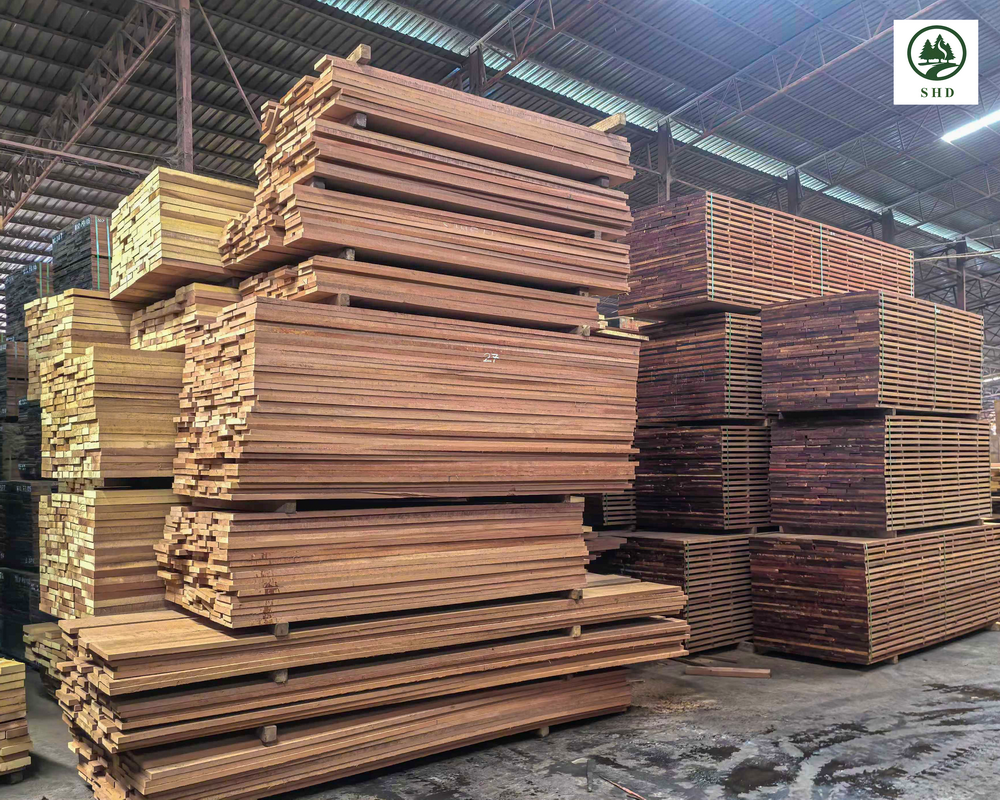
For designers who want a deeper, more dramatic Sapele finish or need to coordinate with darker interior schemes, combining a dye, a pigment stain, and a clear topcoat can produce a luxurious, high‑contrast surface.
Why use a dye + stain system on Sapele
- Dyes penetrate deeply, adding color without obscuring grain, ideal for enhancing ribbon stripe figure.
- Pigment stains stay closer to the surface, subtly evening color variations and adding visual weight.
Typical workflow: Dark Sapele dye and stain finish
1. Pre‑sanding and grain evaluation
- Sand to 180–220 grit and inspect for tear‑out or surface scratches, which become highly visible after dark coloring.
2. Apply a water‑ or alcohol‑based dye
- Choose a warm brown or reddish‑brown dye to push Sapele toward a dark mahogany‑style appearance while retaining translucence.
- Wipe or spray the dye uniformly and allow it to dry completely, then lightly buff with a non‑woven pad.
3. Optional toner or pigment stain
- If more depth or uniformity is needed, apply a light pigment stain over the dyed surface, wiping back quickly to avoid blotching.
4. Seal and topcoat
- Lock in the color with a clear sealer, then apply clear lacquer, polyurethane, or another preferred topcoat.
Visual and performance advantages
- High‑end color control: Enables consistent dark tones on Sapele panels and doors across large interior projects.
- Strong contrast: Ribbon stripe figure appears almost three‑dimensional in raking light.
- Flexible topcoat choice: This coloring system works with lacquer, conversion varnish, or polyurethane depending on performance requirements.
This is often the best finish for Sapele wood when architects or furniture brands require a signature dark tone while maintaining visible exotic grain.
Beyond the three highlighted systems, several other finishing options can perform well on Sapele, especially when durability, environmental conditions, or application resources differ.
1- Oil‑based polyurethane:
- Very durable, with good abrasion and chemical resistance for tabletops and commercial furniture.
- Adds a slight amber tone that deepens Sapele's color but may look more plastic if applied too thickly.
2- Water‑based polyurethane:
- Lower odor and faster re‑coat times, with reduced yellowing; good for lighter, modern interiors.
- Slightly less depth than oil‑based systems, so some finishers apply a light dye or shellac undercoat for warmth.
3- Hard wax oils:
- Penetrating products that combine natural oils with wax for a matte or low‑sheen, tactile surface.
- Well‑suited for Sapele flooring and furniture where a natural, repairable finish is preferred over a high‑build film.
Selecting between these options depends on where the Sapele will be used, target sheen, and maintenance expectations.
For builders, woodworkers, and B2B buyers, the best finish for Sapele wood depends on use case, performance demands, and brand style. The table below summarizes common scenarios.
Sapele application | Recommended finish system | Key benefits |
High-end furniture & cabinets | Clear sealer + lacquer or Danish oil + lacquer | Rich ribbon stripe, fast production, easy touch-up. |
Dark luxury furniture & interior fit-out | Dark dye + stain + clear topcoat | Deeper color with visible grain; premium design look. |
Commercial tables & counters | Oil-based polyurethane or conversion varnish | High abrasion and chemical resistance. |
Residential flooring | Hard wax oil or high-durability polyurethane | Good wear resistance with serviceable maintenance. |
Doors, trims, and wall panels | Clear sealer + lacquer or water-based poly | Clean appearance with controlled yellowing and good clarity. |
Because Sapele often has interlocked grain, small changes in technique can dramatically improve final results. Paying attention to sanding and sealing steps is especially important for export‑grade projects produced at scale.
Best practices:
- Use sharp cutters and fine sanding:
Tear‑out in ribbon areas becomes obvious under stain or gloss, so refine with sharp plane blades or sanding blocks before finishing.
- Seal early when dyeing:
On projects using dye and pigment stain, sealing between steps helps control color uptake and reduces blotchiness on Sapele panels.
- Test on offcuts:
Because Sapele can vary in density and figure even within the same bundle, run full finish tests on scrap from the production batch.
- Control environment:
Stable temperature and humidity reduce defects like blushing, orange peel, or slow drying in lacquer and polyurethane systems.
Selecting the best finish starts with consistent, properly prepared Sapele lumber from a reliable wood supplier. As a professional wood company, HONG KONG SENHEDA WOOD LIMITED (K‑TIMBER) works with brands, wholesalers, and manufacturers worldwide to match lumber grades and machining quality with downstream finishing requirements.
Key ways a specialized supplier adds value:
- Stable quality and grading: Consistent color, grain, and moisture content across batches make it easier to achieve uniform finishes on large orders of Sapele furniture, panels, or flooring.
- Technical support: Guidance on quarter‑sawn vs flat‑sawn Sapele selection, recommended thicknesses, and surface prep for specific finishing systems.
- OEM‑friendly service: Coordination with finishing shops and manufacturers so coating systems, sanding schedules, and quality expectations are aligned before mass production.
By collaborating early with your Sapele supplier, you can reduce finishing defects, save time in production, and deliver more consistent products to your end customers.
If you are planning Sapele furniture, doors, flooring, or architectural millwork, choosing both the right grade of Sapele and the best finish system is crucial for long‑term performance and appearance. For brands and wholesalers, a tailored Sapele specification plus a recommended finishing stack‑up can dramatically reduce returns and rework. For manufacturers and workshops, stable lumber quality and expert support help standardize sanding and finishing SOPs across product lines.
Contact HONG KONG SENHEDA WOOD LIMITED today to discuss your Sapele wood requirements, compare finishing options for your project environment, and develop a repeatable finishing plan that fits your production, design, and budget goals.
The best finish for Sapele wood furniture depends on the desired look and usage, but clear sealer plus lacquer or Danish oil plus lacquer are among the most popular solutions for high‑end pieces. These systems highlight the ribbon stripe grain while providing a durable, easy‑to‑maintain surface for everyday use.
Sapele has a medium texture and interlocked grain that may not require aggressive grain filling like very open‑pored woods, but some finishers apply a thin filler or heavy sealer to achieve a glass‑smooth surface on tabletops and cabinet doors. When pursuing a piano‑like finish with high gloss, using a compatible filler can help level the surface before topcoats.
Yes, Sapele can be finished with oil alone, such as Danish oil, tung oil blends, or hard wax oils, giving a warm, natural appearance with a low‑to‑medium sheen. However, purely oiled surfaces are generally less resistant to heavy wear and chemicals than lacquer or polyurethane systems, so they are best suited for lighter‑duty furniture and decorative items.
Lacquer offers faster drying, easier sanding, and strong blending between coats, which makes it ideal for shop finishing and high‑end furniture. Polyurethane, especially oil‑based formulas, typically provides higher abrasion and chemical resistance and is often chosen for tabletops, counters, and flooring where heavy use is expected.
To minimize blotchiness, sand carefully, test your finish on offcuts, and consider using a clear sealer or light shellac washcoat before applying stains or dark dyes. Building color in controlled steps and avoiding overly heavy application of oils or stains reduces uneven absorption in interlocked grain areas.
1. https://k-timbers.com/3-wonderful-sapele-wood-finishes-for-better-woodworking-projects/
2. https://www.woodworkerssource.com/blog/woodworking-101/tips-tricks/3-ways-to-finish-sapele-that-makes-ribbon-stripe-figure-pop/
3. https://www.woodcraft.com/blogs/wood/woodsense-spotlight-on-sapele
4. https://www.finewoodworking.com/forum/working-with-sapele
5. https://www.dans-hobbies.com/2014/10/26/finishing-ribbon-stripe-sapele/
6. https://www.reddit.com/r/woodworking/comments/195yeb5/finishes_for_sapele/
7. https://www.reddit.com/r/woodworking/comments/1itngc4/finishing_advice_for_sapele/
8. https://www.woodcraft.com/blogs/wood/best-wood-finishes


