
Views: 222 Author: SENHEDA WOOD Publish Time: 2026-05-24 Origin: Site


When you are sourcing hardwood for demanding projects, choosing the right species is not just a design decision – it is a long‑term performance and cost decision. Iroko wood (often called African teak) has become a favorite among architects, joinery manufacturers, boat builders, and outdoor furniture brands because it combines durability, stability, and a warm golden‑brown appearance at a more accessible price than true teak. [gabarro]
As a professional African timber supplier with over 16 years of experience in the African wood trade, HONG KONG SENHEDA WOOD LIMITED works directly at the source to supply Iroko and other hardwoods to global buyers, handling around 4,000–8,000 tons (CBM) of goods from Africa each month and more than 200 containers to Vietnam. Drawing on this on‑the‑ground expertise, this guide will show you how Iroko is used in real‑world projects, which properties matter most, and how buyers can choose the right grades for different applications. [senhedawood]
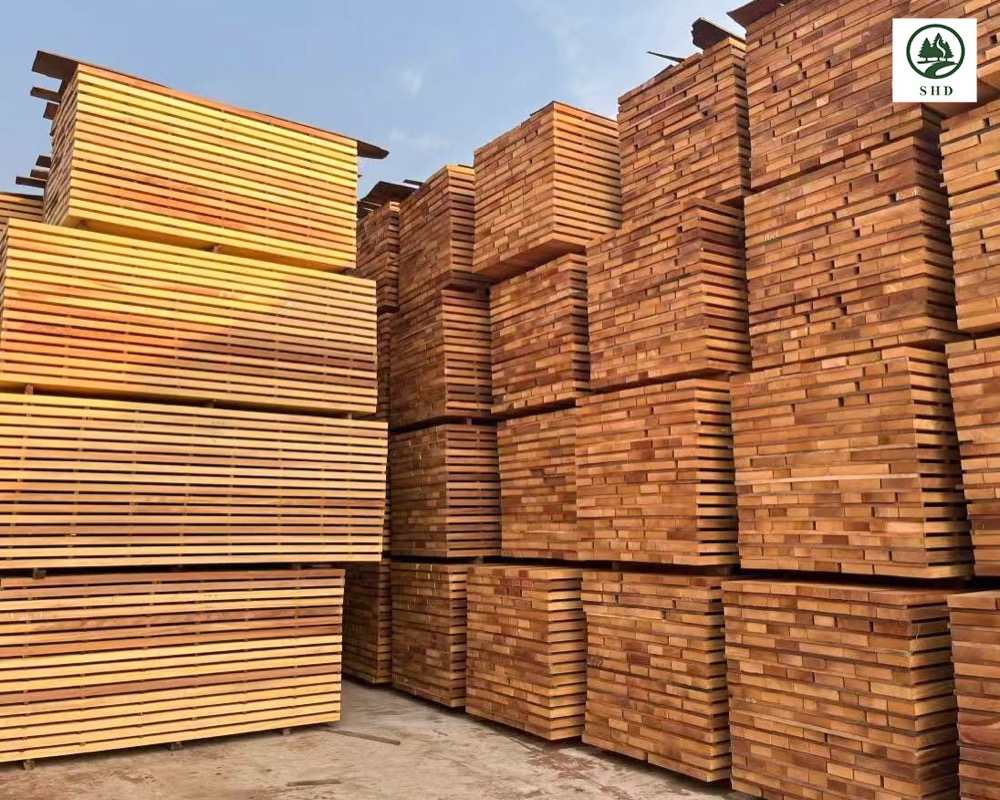
Iroko wood comes primarily from Milicia excelsa and Milicia regia, large hardwood trees native to West and Central Africa, from Ghana to Mozambique. These trees can reach 30–40 meters in height and live for centuries, which contributes to the wood's density and strength. [youtube]
The heartwood of Iroko is typically golden to medium brown, often with slightly interlocked grain and medium‑to‑coarse texture. Over time, the color deepens to a richer copper‑brown tone, especially in outdoor light, giving exterior projects a mature, elegant patina. Because of its performance and appearance, Iroko is widely known in the market as "African teak", a cost‑effective alternative to genuine teak in many marine, decking, and joinery applications. [renamyglobal]
For both engineers and designers, Iroko stands out because it balances mechanical strength with natural durability.
- Density: Around 650–660 kg/m³ at 12% moisture content, classed as a semi‑heavy, semi‑hard hardwood. [scribd]
- Janka hardness: Approximately 1,260 lbf, making it hard enough for flooring, decking, and heavy‑traffic areas without being unworkably hard. [wlwest.co]
- Strength: Good compressive and bending strength, suitable for structural elements, stairs, and load‑bearing joinery when correctly graded and specified. [duffieldtimber]
- Natural resistance to decay and insects: Iroko has high durability outdoors and strong resistance to fungi, termites, and other wood‑destroying organisms, even without chemical treatment. [wlwest.co]
- Weather and moisture performance: It performs well in humid or coastal climates, making it a reliable choice for marine uses, exterior joinery, and decking. [yywtimber]
- Chemical resistance: Iroko is often used for laboratory benches because it tolerates many chemicals better than more common hardwoods. [wlwest.co]
Experienced manufacturers find Iroko relatively workable, with some important details:
- The wood machines well but can dull tools due to its density and occasional silica content, so sharp carbide tools are strongly recommended. [duffieldtimber]
- Interlocked grain can cause tear‑out if tools are not sharp or if feed speeds are too aggressive. [wlwest.co]
- Iroko glues, nails, and screws well and can be brought to a high‑quality finish. However, due to chlorophorin, a phenolic compound, some conventional finishes may react poorly; synthetic resin‑based paints or polyurethane varnishes are generally advised. [scribd]
Iroko is not just an "outdoor" wood. Its warm tone and good stability make it a strong candidate for interior applications where performance and aesthetics both matter.
Homeowners, hospitality projects, and commercial spaces choose Iroko flooring when they want a luxury hardwood surface that can handle heavy use with minimal movement. [gabarro]
Key advantages for flooring and paneling:
- Dimensional stability helps reduce gaps and cupping when kiln‑dried and installed correctly. [duffieldtimber]
- Scratch and impact resistance suitable for living rooms, hotel lobbies, and retail spaces with high foot traffic. [duffieldtimber]
- Color evolution from golden brown to a richer tone that adds character over time instead of looking faded. [youtube]
Besides flooring, interior designers widely specify Iroko for wall cladding, interior doors, stair treads, handrails, and custom moldings. [gabarro]
In the furniture industry, Iroko's hard, dense structure and attractive grain make it suitable for long‑lasting pieces such as:
- Dining and outdoor tables
- Bed frames and wardrobes
- Kitchen worktops and islands
- Built‑in cabinets and shelving
Because Iroko resists moisture and insects, furniture exports using Iroko can withstand long shipping routes and varied climates with less risk of warping or damage. Many manufacturers also rely on Iroko veneer for decorative panels where a lighter substrate is needed but the design should match solid hardwood components. [renamyglobal]
Where Iroko really shines is long‑term outdoor exposure. This is why international buyers frequently choose Iroko for projects that would traditionally specify teak.
Iroko decking is increasingly popular in residential gardens, resorts, and public spaces. Its natural resistance to rot and insects allows it to perform well in wet or coastal environments with only basic maintenance. [yywtimber]
Typical exterior uses include:
- Poolside and garden decking
- Roof terraces and balconies
- Pergolas, gazebos, and shading structures
- Outdoor stairs and platforms
When correctly installed with proper spacing and finishing, Iroko decking can offer many years of service life, even under intense sun and rain, without the high material cost of true teak. [renamyglobal]
For joinery manufacturers, Iroko has become a go‑to hardwood for:
- Exterior doors and frames
- Window frames and sashes
- Cladding, fascias, and soffits
- Custom exterior moldings
Its dimensional stability and durability reduce the risk of swelling, sticking, or excessive maintenance compared with less durable species, especially in humid climates. When finished with appropriate coatings, Iroko joinery offers both modern and traditional aesthetics for villas, hotels, and public buildings. [yywtimber]
Because it is strong, stable, and naturally durable, Iroko is widely used in marine, industrial, and structural projects where failure is not an option.
Iroko's durability and moisture resistance make it a standard choice in the marine industry as a teak substitute. Typical uses include: [renamyglobal]
- Boat building and ship planking
- Decking, handrails, and exterior trim
- Marina walkways and piers
Shipyards appreciate Iroko because it can handle continuous wet–dry cycles and UV exposure with less risk of decay than many other species. [gabarro]
In industrial and civil engineering projects, Iroko is selected for:
- Bridge components not in permanent contact with soil or water
- Industrial flooring and heavy‑duty platforms
- Structural beams, trusses, and wall or ceiling panels
- Railway components and vehicle or container flooring
Its high compressive and flexural strength, combined with natural durability, allows it to withstand heavy loads and mechanical wear. Some studies also explore Iroko sawdust in engineered products such as briquettes and high‑performance dowel welding, highlighting its versatility in more advanced manufacturing processes. [sciencedirect]
For many buyers, the key question is not whether Iroko is good – it is whether Iroko is the right alternative to teak, oak, or other hardwoods.
| Aspect | Iroko (African teak) | Teak | Typical European oak |
|---|---|---|---|
| Durability outdoors | Very high, natural resistance to decay and insects duffieldtimber | Excellent, benchmark for marine use | Moderate to high, often needs treatment duffieldtimber |
| Density | ~650–660 kg/m³ at 12% MC duffieldtimber | ~650–700 kg/m³ | ~700 kg/m³ (varies) duffieldtimber |
| Janka hardness | ~1,260 lbf duffieldtimber | ~1,000–1,150 lbf | ~1,300 lbf duffieldtimber |
| Workability | Good, but can dull tools; interlocked grain wlwest.co | Very good, oily but stable | Good but tannin content can affect finishes duffieldtimber |
| Price level | Generally more economical than true teak | Premium pricing | Mid‑ to high‑range |
| Typical uses | Decking, marine, joinery, flooring duffieldtimber | Yachts, high‑end decks, premium joinery | Interiors, structural, furniture duffieldtimber |
For many cost‑sensitive but performance‑driven projects, Iroko offers an excellent balance: you get teak‑like durability and a similar warm appearance at a significantly lower material cost. [yywtimber]
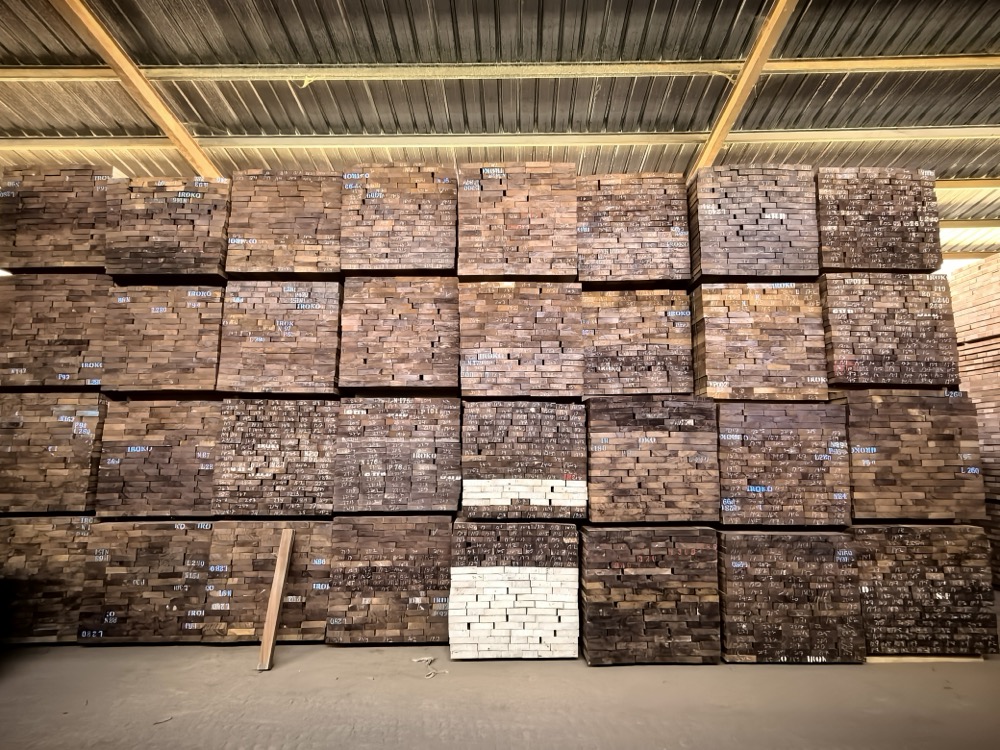
From a manufacturer and buyer perspective, successful Iroko projects depend on correct handling, machining, and finishing.
- Use sharp carbide tools for planing and routing to reduce tear‑out and slow tool wear. [wlwest.co]
- Adjust feed rates to avoid burning and surface defects, especially when the grain is interlocked. [wlwest.co]
- Pre‑drill for screws in dense sections to prevent splitting.
- Choose high‑quality adhesives and follow strict clamping times; Iroko generally bonds well when surfaces are clean and freshly machined. [wlwest.co]
Because of chlorophorin and natural oils, some finishes may cure slowly or show adhesion problems. To avoid issues: [scribd]
- Prefer synthetic resin‑based paints, vinyl coatings, or polyurethane varnishes, which are compatible with Iroko's chemistry. [scribd]
- For exterior projects, specify UV‑resistant finishes to slow down color change and surface checking.
- For natural‑look decks, many buyers allow Iroko to weather to a silver‑grey tone, applying only light oils or stabilizers as needed. [gabarro]
Sustainability is a key concern for today's importers, architects, and end customers. Iroko is harvested across several African countries, and responsible sourcing is essential to protect both forests and local communities.
Reputable suppliers work with licensed concessions, local partners, and government regulations to ensure legal harvesting, traceability, and compliance with export standards. Some manufacturers also prioritize Iroko from operations that support rural livelihoods and invest in reforestation or community projects, aligning long‑term supply security with social responsibility. When evaluating potential suppliers, buyers should ask about origin countries, certifications where applicable, and internal quality‑control systems. [senhedawood]
Drawing from your company profile, here is how to present your strengths clearly to international Iroko buyers.
HONG KONG SENHEDA WOOD LIMITED focuses on African timber, supplying species such as Iroko, Okoume, Tali, Okan, Padouk, Sapelli, Doussie, and more to global customers. With around 16 years of experience in the timber trading industry, the company has developed robust expertise in sourcing, grading, and export logistics from key African regions including Congo, Gabon, Angola, Cameroon, Equatorial Guinea, and the DRC. [cn.linkedin]
Thanks to its established operations and partnerships in Africa, the company handles approximately 4,000–8,000 tons (CBM) of goods per month and exports over 200 containers of timber to Vietnam alone, while also serving buyers in the Middle East and other regions. This scale allows HONG KONG SENHEDA WOOD LIMITED to support both regular volume contracts and spot orders for Iroko sawn timber, logs, and customized dimensions. [shdtimber]
HONG KONG SENHEDA WOOD LIMITED emphasizes strict quality control and smooth delivery, combining on‑site inspection, factory partnerships, and professional export handling. For Iroko buyers, this means: [senhedawood]
- Consistent grading aligned with export standards
- Customized thickness, width, and length based on application (decking, joinery, flooring, or marine)
- Flexible shipping to different ports, including strong routes into Vietnam and other Asian hubs
To maximize the performance and cost‑efficiency of Iroko, buyers should align their purchasing specifications with the actual use scenario.
1. Define the application clearly
Decide whether the Iroko will be used for decking, interior flooring, high‑end joinery, marine structures, or heavy‑duty construction. Each use may require different thicknesses, grades, and moisture levels. [duffieldtimber]
2. Specify dimensions and grade
For decking and exterior joinery, select clear or selected‑grade Iroko with minimal defects, in thicknesses that match structural requirements and local market standards. For industrial uses, slightly lower visual grades may be acceptable where appearance is secondary. [yywtimber]
3. Confirm moisture content and drying method
Ensure that the wood is kiln‑dried or properly air‑dried to the target moisture content suitable for your climate and installation method. [duffieldtimber]
4. Discuss finishing and machining requirements
Share your coating system, machining capabilities, and any special performance demands with your supplier so they can recommend the most suitable Iroko stock.
5. Select a supplier with African expertise
Work with a partner that has long‑term presence in African timber markets and can manage both quality and documentation. This is where a specialist like HONG KONG SENHEDA WOOD LIMITED adds real value. [senhedawood]
If your business needs a reliable, long‑term source of Iroko wood and other African hardwoods, working with an experienced specialist can significantly reduce risk and total cost. HONG KONG SENHEDA WOOD LIMITED combines 16+ years of African timber expertise, 4,000–8,000 tons (CBM) of monthly handling capacity, and over 200 export containers to Vietnam, ensuring consistent quality and on‑time delivery for global partners. [cn.linkedin]
To discuss your Iroko specifications, upcoming procurement plans, or long‑term supply agreements, you can reach the team via the official website or contact details provided below.
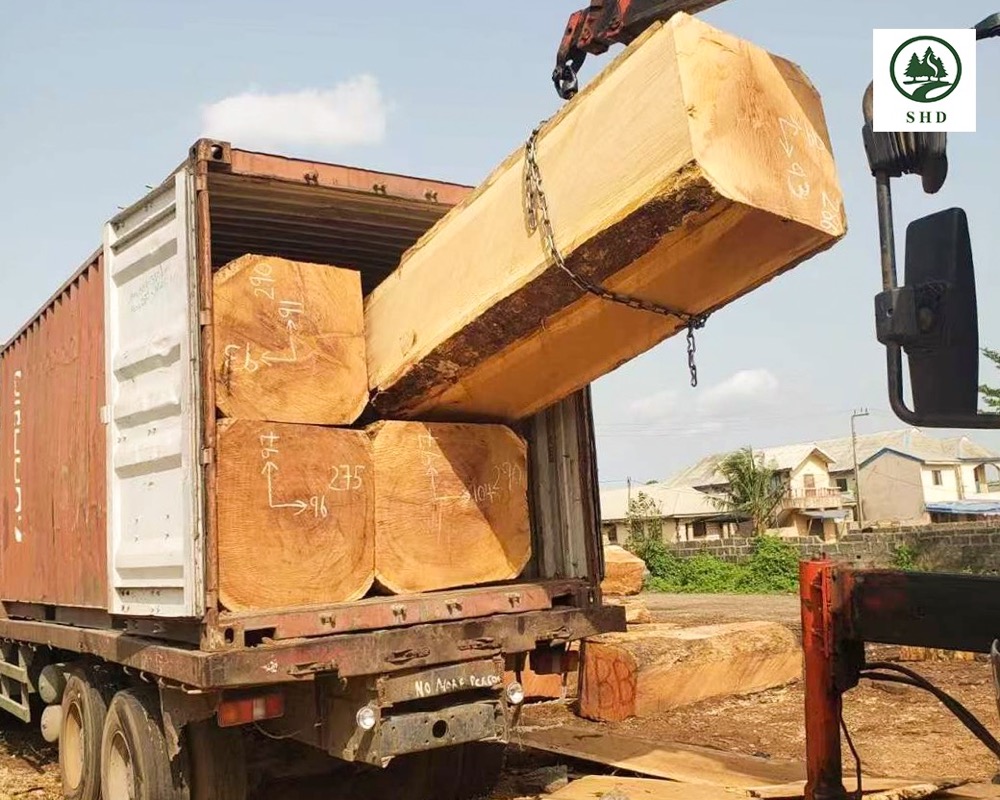
1. Is Iroko wood suitable for outdoor use without chemical treatment?
Yes. Iroko has very high natural resistance to decay, insects, and weathering, so it is widely used outdoors for decking, joinery, and marine projects, often without additional preservative treatment when properly detailed and maintained. [gabarro]
2. Why do some manufacturers choose Iroko instead of teak?
Many buyers choose Iroko as a cost‑effective alternative to teak because it offers similar durability, stability, and a warm golden‑brown appearance while generally being more affordable and easier to source in larger volumes for commercial projects. [renamyglobal]
3. Does Iroko change color over time?
Freshly machined Iroko is typically golden to medium brown, but it deepens to a richer copper‑brown indoors and can weather to a silver‑grey tone outdoors if left unfinished or lightly oiled, which many designers find attractive. [youtube]
4. Are there any challenges when finishing Iroko?
Iroko contains chlorophorin and natural oils that can interfere with some finishes, so it is recommended to use synthetic resin‑based paints or polyurethane varnishes and always test the system beforehand, especially for critical exterior joinery or marine applications. [scribd]
5. How can I ensure stable, high‑quality Iroko supply for my factory or projects?
Partnering with an experienced African timber specialist like HONG KONG SENHEDA WOOD LIMITED, which manages sourcing, quality control, and export logistics at scale, helps ensure consistent grading, reliable delivery times, and tailored specifications for industrial and construction buyers. [shdtimber]
1. Duffield Timber – "Iroko Wood: Appearance, Uses, Properties, Sustainability & Price." [https://duffieldtimber.com/the-workbench/buyers-guides/your-guide-to-iroko] [duffieldtimber]
2. K‑TIMBER – "Outstanding features of Iroko wood in daily life." [https://k-timbers.com/outstanding-uses-of-iroko-wood-in-daily-life/] [duffieldtimber]
3. Renamy Global – "Global Demand and Applications of Iroko Wood." [https://renamyglobal.com/global-demand-and-applications-of-iroko-wood-why-importers-trust-renamy-global-resources-ltd/] [renamyglobal]
4. AtoZ Wood Company – "Iroko Wood Properties, Types and Uses." (video transcript and reel) [https://www.youtube.com/watch?v=39HgmwcTsq0] and [https://www.instagram.com/reel/DNPh8jWRY69/] [instagram]
5. Technical sheet – "Iroko Wood Properties and Uses Guide." [https://www.scribd.com/document/750630959/IROKO-1] [scribd]
6. W.L. West & Sons – "Iroko: An Ideal Hardwood for Joinery." [https://www.wlwest.co.uk/news/iroko-an-ideal-hardwood-for-joinery] [wlwest.co]
7. Gabarró – "The more than a thousand uses of Iroko wood." [https://www.gabarro.com/en/news/more-thousand-uses-iroko-wood] [gabarro]
8. Scientific study – "Physical and combustion properties of hybrid briquettes from tropical sawdust: Case study of Iroko and Padouk." [https://www.sciencedirect.com/science/article/pii/S2352484723001476] [sciencedirect]
9. HAL Archive – "Iroko wood (Milicia excelsa C.C. Berg), a good candidate for high-speed rotation-induced wood dowel welding." [https://hal.science/hal-04644653v1/file/S0143749623000398.pdf] [hal]
10. YYW Timber – "What is Iroko Hardwood? Export Grades, Specs & Uses." [https://www.yywtimber.com/what-is-iroko-hardwood-export-grades-specifications/] [yywtimber]
11. HONG KONG SENHEDA TRADE LIMITED – Official site and About pages. [http://www.senhedawood.com] and [http://www.senhedawood.com/about.html] [senhedawood]
12. HONG KONG SENHEDA WOOD LIMITED – Corporate site and contact page. [https://www.shdtimber.com/about-us.html] [shdtimber]
13. HONG KONG SENHEDA WOOD LIMITED – LinkedIn company profile. [https://cn.linkedin.com/company/hong-kong-senheda-trade-limited] [cn.linkedin]


