
Views: 227 Author: SENHEDA WOOD Publish Time: 2026-03-02 Origin: Site


Content Menu
● What's Actually Happening in Europe
● What Buyers Should Keep in Mind
If you've been keeping an eye on the timber trade lately, you've probably noticed something shift. Europe isn't just buying African wood the way it used to—they're asking more questions, checking more boxes, and taking their time before committing to orders.

For our views. That means we've seen markets go up, down, and sideways. And right now? The European market is going through some serious changes.
Here's the thing about European buyers these days: they're cautious. Really cautious.
The numbers tell the story—EU tropical timber imports hit some of their lowest levels in decades recently . Countries like France, Germany, and Italy are still buying, but they're being picky about what they take and who they take it from.
A lot of this comes down to new rules. The EU Deforestation Regulation (EUDR) is changing how things work—basically, if you want to sell timber into Europe now, you need to prove exactly where it came from and that it wasn't linked to deforestation after 2020 . That means GPS coordinates, proper documentation, the whole nine yards.
Even with all the regulatory stuff, European buyers still have their favorites. From what we're seeing, the demand hasn't disappeared—it's just become more focused.
Species like Sapelli, Okoumé, and Padouk are still moving. European furniture makers, joinery shops, and flooring companies know these woods. They trust them. But now they want assurance that what they're getting is legal, traceable, and sustainably sourced.
Countries like Cameroon, Gabon, and the Republic of Congo are still the main sources . But the supply chain? It's getting more complicated. Logistics costs have been all over the place, and shipping schedules aren't as predictable as they used to be.
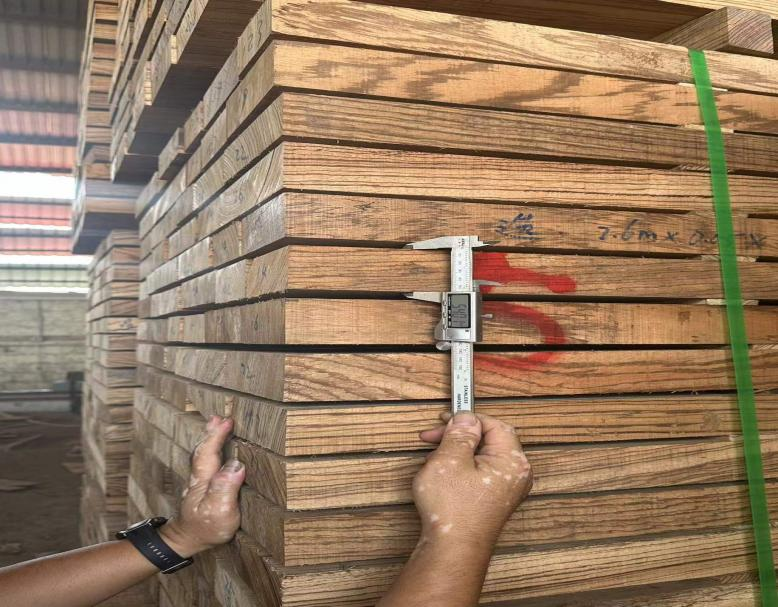
After 16 years, we've learned that selling timber isn't just about moving product from point A to point B. It's about knowing the little things—which mills in Africa do reliable drying, how to handle the paperwork so nothing gets stuck at port, and what European inspectors are going to look at when shipments arrive.
SHD WOOD works directly with producers across Central and West Africa. We don't buy from middlemen who can't vouch for where the wood came from. When we ship Sapelli to a buyer in Italy or Okoumé to a workshop in France, we know the story behind every log.
That matters more now than it ever has.
If you're importing African timber into Europe, here's what we'd tell you based on what we're seeing:
First, compliance isn't optional anymore. The EUDR is real, and customs are checking . You need suppliers who can give you proper documentation—not just pieces of paper, but verifiable information.
Second, relationships still count. When markets get tight, the buyers who have solid connections with reliable suppliers are the ones who still get their shipments on time.
And third, don't assume every African timber supplier is the same. Some have been around long enough to understand what European buyers actually need. Some haven't.
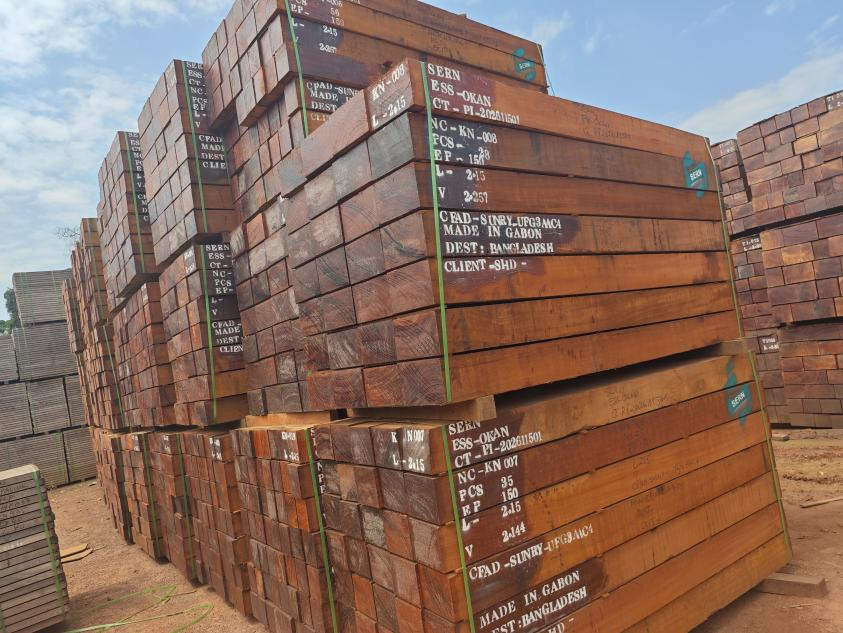
European demand for African timber isn't going away. It's just changing. The buyers who adapt—and the suppliers who help them adapt—will keep doing business.
If you're looking for African timber that comes with 16 years of experience behind it, you know where to find us. Hong Kong SENHEDA Trade Limited—same team, same commitment, just working harder to make sure every shipment lands right.
Rachel@shdwwood.com
Whatsapp: +86 13530895049


