
Views: 0 Author: Site Editor Publish Time: 2026-09-24 Origin: Site


In the high‑end timber market, Iroko is well‑known for its outstanding durability and distinctive golden luster. It is reputed in the industry as African Golden Wood, or the best substitute for teak. As an important commercial timber originating from tropical Africa, Iroko delivers satisfactory physical properties and plays a vital role in furniture manufacturing, shipbuilding and outdoor construction. This article provides a comprehensive introduction to this timber species.
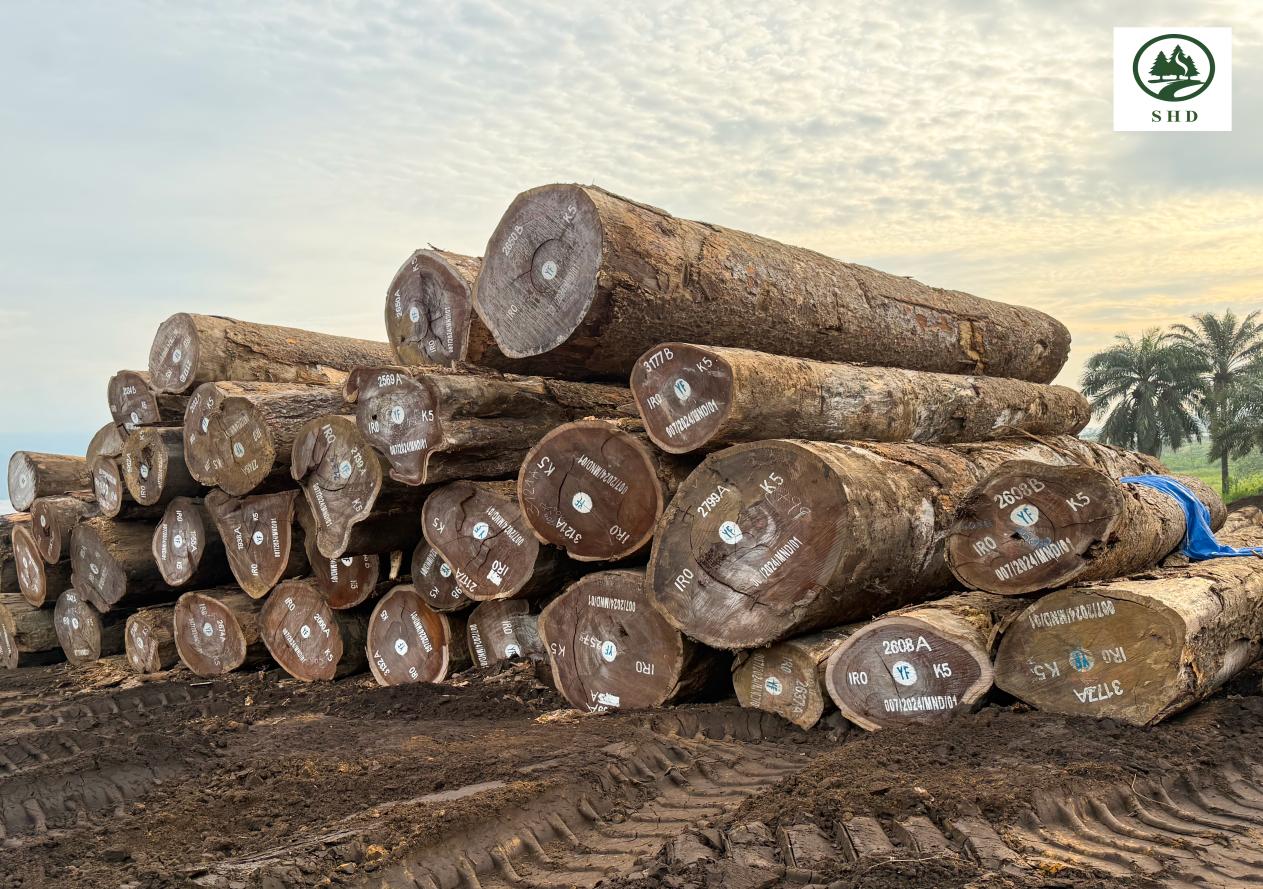
1. Species Profile & Name Origin
The scientific names of Iroko are Milicia excelsa and Milicia regia (former name: Chlorophora excelsa). It is widely distributed across the equatorial rainforests of West, Central and East Africa.
Due to various local aliases in African producing countries, such as Rokko (Nigeria), Odum (Ghana), Abang (Cameroon), and Mvule (East Africa). Iroko is adopted as the unified commercial name in the international timber trade. Owing to its golden‑colored heartwood and properties similar to Burmese teak, it is also marketed as African Teak or African Golden Wood.

2. Physical and Mechanical Properties
Iroko comes from large trees reaching 30‑40 meters in height, with trunk diameters generally from 1 meter to 1.5 meters. Its main physical characteristics are as follows:
- Density and Hardness: At 12% moisture content, the average air‑dry density is 0.66 g/cm³ (range:0.62‑0.72 g/cm³). Its Janka hardness is 1,260 lbf (5,610 N). Classified as medium‑hard timber with good wear‑resistance.
- Color and Grain: Sapwood is greyish‑yellow or off‑white, with a clear boundary from heartwood. Freshly‑cut heartwood shows pale yellow to golden‑brown. After exposure to air and sunlight, it ages gradually into dark brown or bronze, delivering attractive decorative effects. Grain is mostly straight or slightly interlocked. Texture ranges from medium to coarse, with visible pores and natural surface sheen.
- Stability: Moderate shrinkage during drying (radial 2.8%, tangential 3.8%). Once kiln‑dried, it features good dimensional stability and low tendency to warp or crack, suitable for precision woodwork.

3. Machining Properties & Precautions
Iroko has generally good workability, yet several challenges need attention during processing:
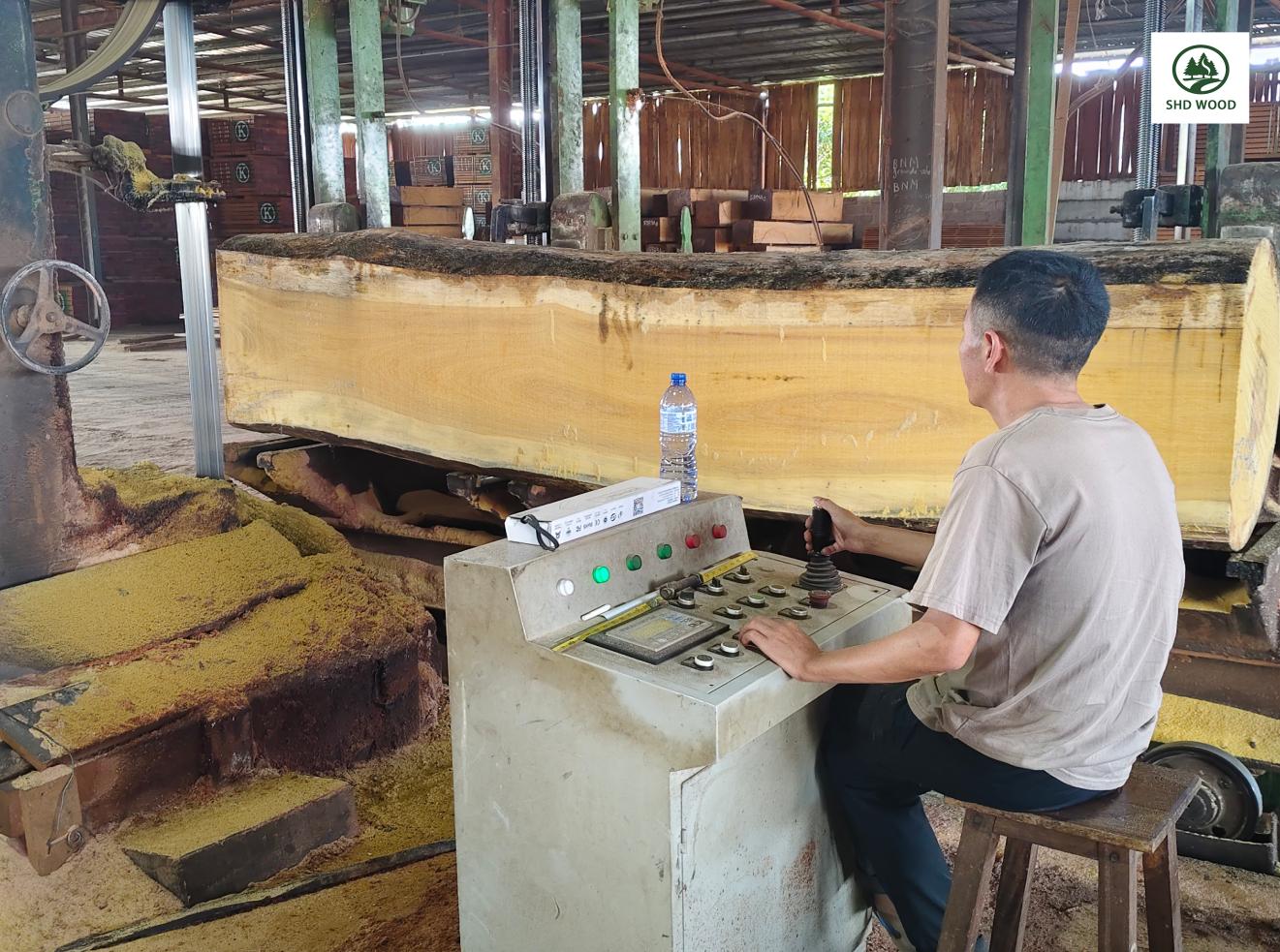
- Tool blunting: Calcium carbonate deposits inside the timber will accelerate wear on saw‑blades and planer cutters. Use carbide‑tipped cutting tools. Reduce planing angle to avoid grain tear‑out.
- Gluing & Finishing: It glues excellently and accepts paint and varnish very well for premium finished surfaces.
- Safety Note: Iroko sawdust is a potential allergen. Dust may irritate eyes, skin and respiratory tracts and could trigger asthma or hypersensitivity pneumonitis. Operators must wear masks and safety goggles while ensuring sufficient workshop ventilation.
4. Major Applications & Market Positioning
Iroko heartwood is highly decay‑resistant, termite‑proof and even resistant to marine borers. It serves as an ideal alternative to teak, especially when teak prices are high. Iroko offers a cost‑effective option.
Main application fields:
1. Outdoor & Marine Projects: Shipbuilding, decking, bridges, park benches and exterior flooring, favored for outstanding weather resistance.
2. Premium Interior Decoration: Solid wood flooring, stair handrails, door frames and cabinetry.
3. Furniture & Handicrafts: High‑grade joinery furniture, carvings, turning items and veneer.

5. Sustainability & Environmental Considerations
Iroko is not currently listed on CITES appendices. However, according to the IUCN Red List, wild Iroko populations have declined more than 20% over recent decades due to over‑harvesting. Resources in East Africa have become particularly scarce.
When sourcing Iroko timber, buyers are recommended to select products with legal proof of origin and sustainable forest‑management certification to support rainforest conservation in Africa.
Conclusion
Boasting golden tones, exceptional durability and competitive pricing, Iroko (African Golden Wood) remains an indispensable timber on global markets. Whether for classic furniture pieces or weather‑resistant outdoor constructions, it demonstrates outstanding value. For designers and buyers, understanding its machining traits and prioritizing sustainable sourcing is key to making full use of this well‑known African Golden Wood.

WeChat/WhatsApp: +86 13534205619
Email: annaliu1@shdwood.com
Website: https://www.shdtimber.com


