Views: 0 Author: Site Editor Publish Time: 2026-09-07 Origin: Site
Umbila is sometimes introduced to international buyers as “African Teak.” The comparison is understandable: both timbers offer warm colors, attractive grain, good durability, and broad applications in furniture and joinery.
However, treating Umbila merely as an alternative to teak overlooks its individual value.
Umbila is not a substitute trying to imitate another species. It is a distinctive African hardwood with its own changing colors, expressive grain, and strong connection to the woodworking traditions of Southern Africa.

Yes. Umbila and Kiaat generally refer to the same species, Pterocarpus angolensis.
Its commercial name varies by region:
·
Umbila is commonly used in Mozambique.
·
·
Kiaat is widely used in South Africa and international markets.
·
·
Mukwa and Muninga are used in other African countries.
·
·
African Teak is a trade name, although Umbila is not botanically related to genuine teak.
·
Knowing these names is important when comparing quotations, customs documents, timber specifications, and offers from different suppliers.

Modern manufacturing often demands uniformity. Every board is expected to match the next in color and appearance. Umbila challenges that expectation.
Its heartwood may range from light golden brown to reddish or purplish brown. Some boards display darker streaks, while others have a quieter and more consistent appearance.
This natural variation should not automatically be considered a defect. In furniture, flooring, doors, and decorative joinery, it can become the feature that gives the finished product its identity.
A dining table, wall panel, or set of cabinet doors made from carefully selected Umbila does not require artificial patterns. The wood already provides its own visual depth.
The better question is not simply:
“Is the color uniform?”
It is:
“What kind of natural variation is appropriate for the finished product?”
A common challenge in the international timber trade is that the same Umbila board may appear different at each stage of production.
A rough-sawn surface can look pale or muted because saw marks and dust hide the grain. After planing and sanding, the color becomes clearer and the darker lines are more visible. Applying oil or a transparent finish can make the grain appear deeper and more contrasted.
Lighting also matters. Timber photographed outdoors, inside a warehouse, or under warm factory lighting may not show exactly the same color.
For this reason, buyers should avoid judging an entire shipment from one close-up photograph. A better evaluation includes:
·
Photos of rough and planed surfaces
·
·
Images taken under natural light
·
·
Views of several boards rather than one selected piece
·
·
Clear information about heartwood and sapwood
·
·
Confirmation of whether the timber has been finished or remains untreated
·
This gives buyers a more realistic understanding of the natural color range they can expect.
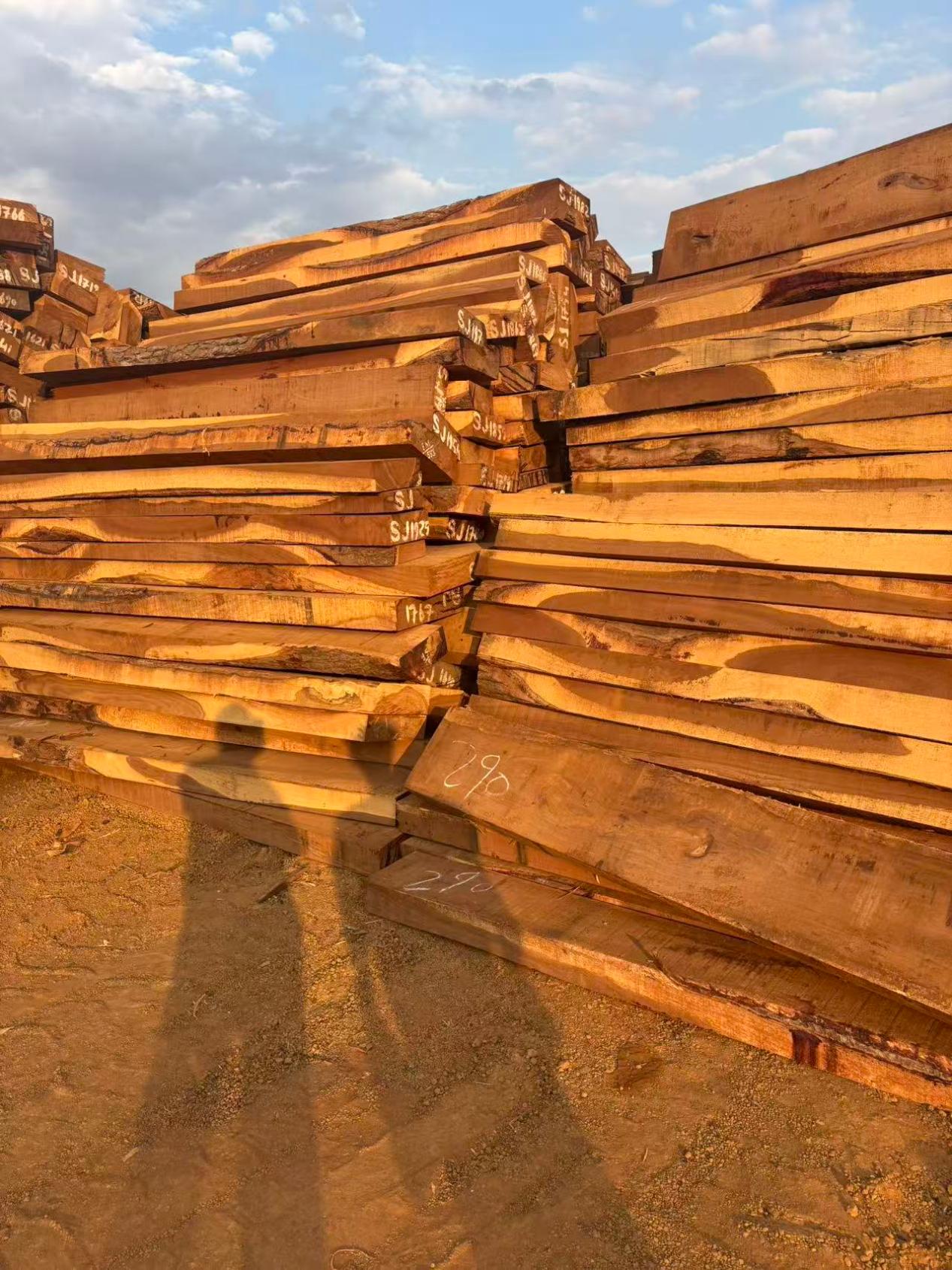
When purchasing Mozambique Umbila timber, thickness, width, and length are only the beginning.
Buyers should also clarify:
·
Acceptable sapwood percentage
·
·
Preferred heartwood color range
·
·
Straight or mixed grain expectations
·
·
AD or KD condition
·
·
Target moisture content
·
·
Grade and acceptable defects
·
·
Intended application
·
A furniture manufacturer may welcome boards with expressive grain and strong color variation. A factory producing repeated door or flooring components may prefer a more consistent selection.
Defining the final application before production allows the timber to be selected and prepared more appropriately. It also reduces misunderstandings after the shipment arrives.
Umbila combines an attractive appearance with practical woodworking performance. It machines well, takes a fine polish, and generally shows relatively low shrinkage during drying.
Typical applications include:
·
High-quality furniture and cabinetry
·
·
Doors and window frames
·
·
Flooring and stair components
·
·
Interior panels and decorative joinery
·
·
Shelving and turned products
·
·
Boatbuilding and selected marine applications
·
Its warm color makes it especially suitable for projects where the timber is intended to remain visible rather than being covered by opaque paint.

SHD WOOD supplies Mozambique Umbila/Kiaat timber for international timber importers, distributors, furniture manufacturers, and woodworking companies.
Before preparing an offer, we recommend confirming the required dimensions, quantity, drying condition, acceptable sapwood percentage, intended application, and destination port. Export documentation and destination-market requirements should also be discussed before finalizing an order.
For current availability and specifications, please contact our team.
WhatsApp / WeChat / Call:
+86 13534205619 (Anna Liu)
+86 13530895049 (Vivian)

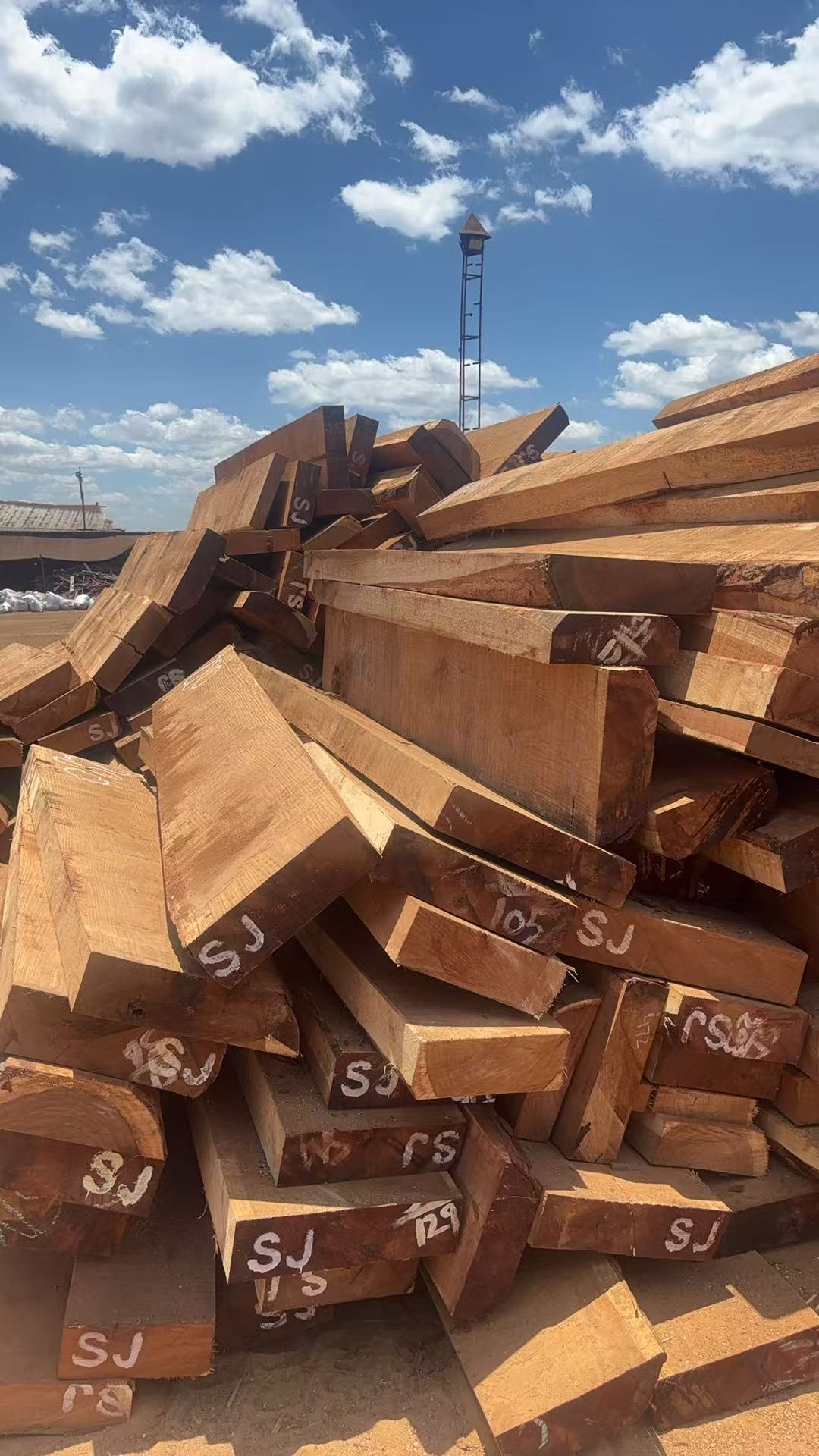
Yes. Both names generally refer to Pterocarpus angolensis. Umbila is the name commonly used in Mozambique, while Kiaat is more familiar in South Africa and several international markets.
No. Umbila is sometimes called African Teak because of similarities in appearance and applications, but it is a different botanical species from genuine teak, Tectona grandis.
Natural differences between trees and boards influence the color. Surface preparation, exposure to light, photography conditions, and finishing products can also change how the timber appears.
Yes. Umbila is used for furniture, cabinetry, doors, shelving, panels, and decorative joinery because of its attractive heartwood, natural grain, workability, and finishing qualities.
Buyers should provide the required thickness, width, length, AD or KD condition, grade, quantity, acceptable sapwood percentage, and destination port.


