
Views: 222 Author: Loretta Publish Time: 2026-02-10 Origin: Site


Content Menu
● Understanding Acacia Wood for Outdoor Furniture
>> Origin and Basic Properties of Acacia
>> Weather, Moisture, and Pest Resistance
>> Aesthetic Appeal and Design Flexibility
>> Limitations of Acacia Outdoors
● Understanding Eucalyptus Wood for Outdoor Furniture
>> Origin and Core Characteristics of Eucalyptus
>> Weather, Rot, and Insect Resistance
>> Sustainability and Cost Efficiency
>> Limitations of Eucalyptus Outdoors
● Acacia vs Eucalyptus Outdoor Performance: Side‑by‑Side Comparison
>> Key Outdoor Attributes of Acacia and Eucalyptus
● How to Choose: Practical Scenarios and Recommendations
>> By Climate
>> By Use Case and Project Type
● Maintenance Best Practices to Extend Furniture Lifespan
>> Basic Care Routine (Applies to Both Woods)
● Expert Insight: Supplier's Perspective on Acacia vs Eucalyptus
● Quick Decision Guide: Which Wood Should You Choose?
● Why Work with HONG KONG SENHEDA WOOD LIMITED / K‑TIMBER?
● Call to Action: Source Reliable Acacia and Eucalyptus Today
● FAQs About Acacia vs Eucalyptus for Outdoor Furniture
>> 1. Is acacia or eucalyptus more durable outdoors?
>> 2. Which wood needs less maintenance: acacia or eucalyptus?
>> 3. Will either wood turn gray over time?
>> 4. Which is better for coastal or very humid climates?
>> 5. Is acacia or eucalyptus more sustainable?
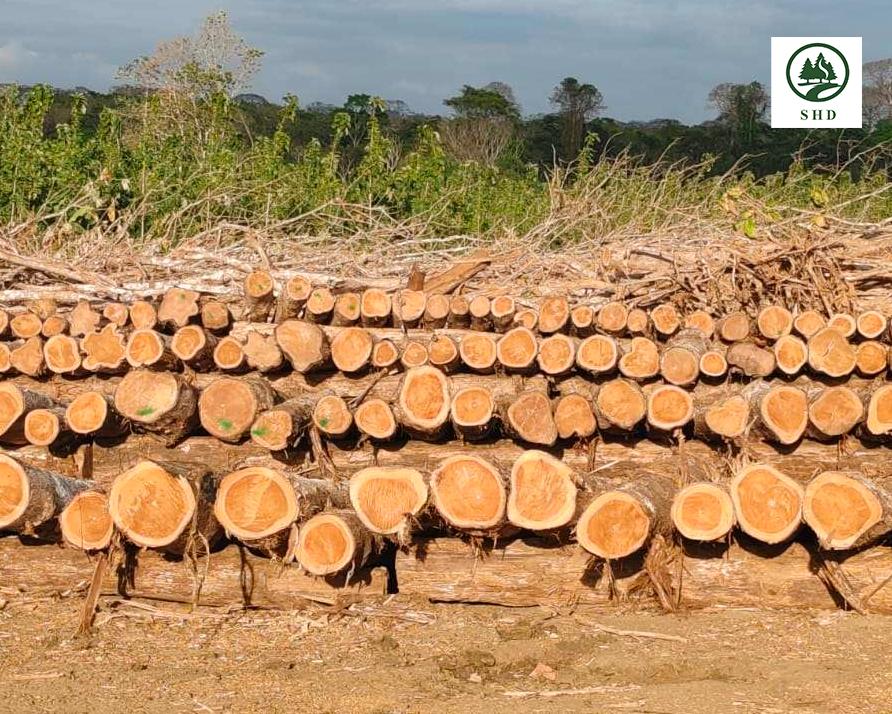
Choosing between acacia and eucalyptus for outdoor furniture directly affects how long your pieces last, how much maintenance they need, and how premium they look in real outdoor conditions. This in‑depth guide explains the strengths and limits of each wood, gives practical selection advice for different climates and budgets, and shows how professional suppliers like HONG KONG SENHEDA WOOD LIMITED can support long‑term outdoor projects.
- Key differences between acacia and eucalyptus for outdoor furniture.
- How each wood performs in durability, weather resistance, maintenance, and cost.
- Climate‑specific and usage‑specific recommendations for homeowners, designers, and importers.
- Expert tips from a supplier's perspective to maximize lifespan and customer satisfaction.
Acacia is a hardwood from the Fabaceae (pea) family, native to tropical and subtropical regions such as Africa, Australia, and South America. It is known for being dense, hard, and naturally durable, which makes it a popular choice for outdoor furniture, decking, and patio sets.
- Density and hardness: Acacia typically has a high density and very good hardness, which helps it resist scratches and everyday wear better than many common hardwoods.
- Grain and color: Acacia usually shows straight or gently wavy grain with warm tones from golden to reddish‑brown, often darkening over time due to photosensitivity.
- Sustainability: Acacia trees grow fast, reaching useful size within just a few years, which allows responsible plantations to supply wood sustainably when well managed.
Acacia is appreciated for its natural weather resistance, thanks to its dense grain and natural oils.
- It can handle sun, rain, and moderate temperature swings when properly sealed and maintained.
- Natural oils and tannins help acacia resist termites, fungi, and decay, making it suitable for garden furniture and outdoor dining sets.
- However, prolonged exposure to standing water or heavy snow can cause swelling or surface damage if the wood is left unprotected.
This means acacia works best where there is at least some protection, such as a covered patio, pergola, or balcony with good drainage.
Acacia is often chosen for its visual warmth and decorative grain.
- It suits rustic, modern, and contemporary outdoor designs, especially when used for tabletops, benches, and chair frames.
- Because of its color variation and photosensitivity, acacia can develop a rich patina over time, which many customers find attractive.
- Clear oils or semi‑transparent finishes can highlight the grain and help stabilize color under UV exposure.
Even though acacia is very durable, it has some limitations that buyers and specifiers should understand.
- Heat sensitivity: Under intense, direct sunlight, acacia may develop surface cracks if not properly sealed or if moisture content is not controlled.
- Moisture sensitivity: Acacia can swell when exposed too long to rain or snow, especially if the furniture is not covered or stored correctly.
- Maintenance demands: To keep color and surface integrity, acacia usually needs periodic cleaning and resealing, often once or twice per year depending on climate.
For many clients, this means acacia is an excellent choice when they accept a bit more maintenance in exchange for richer aesthetics and a warmer furniture look.
Eucalyptus belongs to the Myrtaceae (myrtle) family and is native to Australia, Indonesia, Papua New Guinea, and parts of Southeast Asia. It has become a key plantation species worldwide thanks to its rapid growth and strong mechanical performance.
- Density and hardness: Many eucalyptus species show high density and excellent hardness, often higher than acacia, which makes them strong and stable under load.
- Flexural strength: Eucalyptus can withstand significant bending and pressure, making it suitable for load‑bearing furniture frames, beams, and heavy‑use seating.
- Appearance: Eucalyptus usually has a straight grain and a warm, reddish‑brown color that weathers over time if unprotected.
Eucalyptus is frequently recommended for tough outdoor conditions.
- Natural oils and high density give eucalyptus very good resistance to rot, decay, and insect attack, including termites.
- It performs well in humid, rainy, or coastal climates when properly finished and periodically oiled.
- Eucalyptus typically requires slightly less intensive sealing than acacia, although routine cleaning and oiling still extend its life.
Because of this, eucalyptus is often favored for decking, public‑area benches, and heavy‑duty outdoor furniture that must withstand constant exposure.
Eucalyptus plantations are known for rapid growth and high yield, supporting sustainable forestry when managed responsibly.
- Many eucalyptus species reach harvestable size quickly, which helps keep supply stable and costs competitive compared with slower‑growing hardwoods.
- This fast growth makes eucalyptus attractive for large‑volume projects and retailers looking for a balance of durability and price.
In many markets, eucalyptus tends to be more budget‑friendly than acacia and significantly cheaper than teak, while still providing strong performance outdoors.
Despite its strengths, eucalyptus also has disadvantages to consider.
- Cold‑climate sensitivity: Eucalyptus can crack in very icy or freezing climates, especially when exposed without protection.
- Color changes: If not adequately cleaned and oiled, eucalyptus may change color and turn silvery‑gray over time, which not all customers prefer.
- Species variation: Performance can vary between different eucalyptus species, so reliable sourcing and correct grading are important for consistent quality.
For buyers in cold regions, proper winter storage and a protective cover system are recommended to reduce the risk of cracking.
The table below summarizes the most important factors when comparing acacia vs eucalyptus for outdoor furniture.
Factor | Acacia Wood | Eucalyptus Wood |
Density & hardness | Very hard with high density, offering excellent scratch resistance. | Higher density and hardness, very strong and stiff under load. |
Natural durability | Durable hardwood with good resistance to wear and surface damage. | Highly durable, especially against rot and decay outdoors. |
Moisture resistance | High moisture resistance due to natural oils, but can swell under long, wet exposure. | Very resistant to moisture, rot, and decay, suitable for constant outdoor exposure. |
Weather resistance | Handles sun and rain if sealed; sensitive to intense heat and UV if unprotected. | Performs well in rainy, humid, and sunny climates; may crack in extreme cold. |
Insect resistance | Natural oils and tannins help repel termites and fungi. | Natural oils provide strong resistance to termites and other insects. |
Weight | Generally lighter and easier to move. | Moderately heavy, ideal for stable, fixed furniture. |
Aesthetic appeal | Warm golden to reddish-brown tones with attractive grain; color changes over time. | Warm reddish-brown color that weathers to gray if not maintained. |
Maintenance | Requires regular sealing and care, especially in strong sun or heavy rain. | Easier maintenance with occasional cleaning and oiling. |
Climate weaknesses | Sensitive to direct, intense heat; long wet exposure can cause swelling. | Can crack in icy or freezing conditions if not protected. |
Cost level | Often mid-range; can be higher depending on grade and origin. | Generally more affordable than acacia and much cheaper than teak. |
Sustainability | Fast-growing, plantation-friendly hardwood when responsibly managed. | Very fast-growing plantation species, widely used in sustainable forestry. |
For hot, sunny, but not extremely wet climates, acacia's rich aesthetics can be a strong selling point if buyers accept regular maintenance. For humid or coastal environments with frequent rain, eucalyptus often offers better long‑term stability and simpler care.
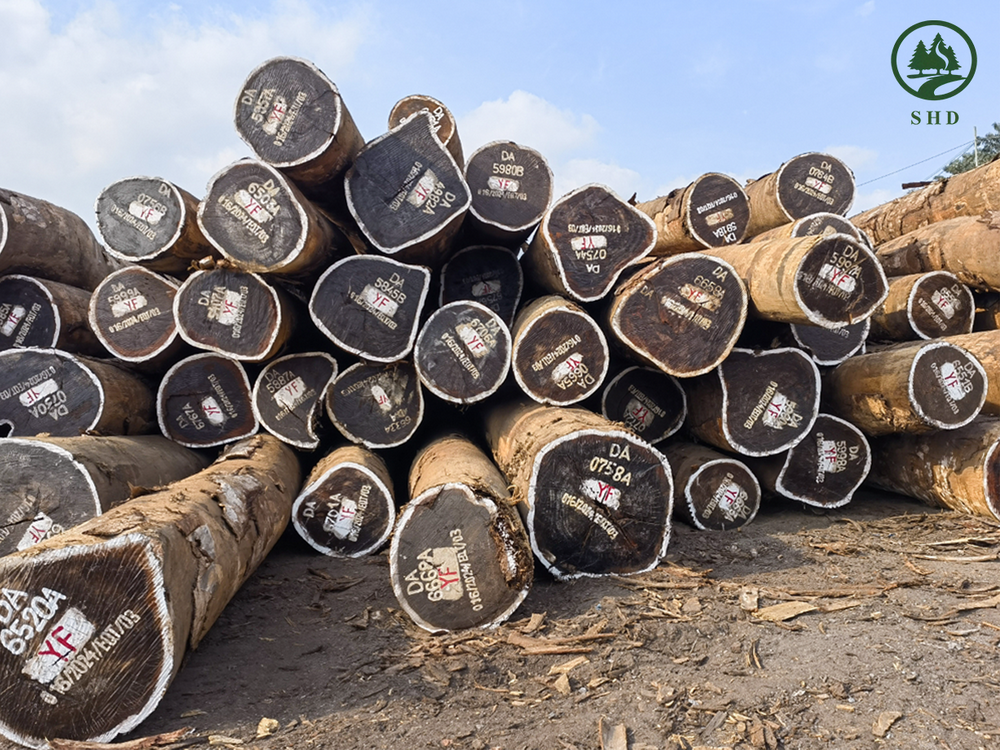
Choosing the right species becomes easier when you match each wood's strengths to your local climate.
1- Tropical / subtropical (hot and humid):
- Eucalyptus is usually the safer choice because of its superior rot and moisture resistance.
- Acacia can still work if furniture is under a roof and regularly sealed.
2- Hot, dry, high‑UV regions:
- Acacia provides beautiful warm tones but must be protected from extreme heat with shade, covers, and UV‑resistant finishes.
- Eucalyptus remains stable but also benefits from periodic oiling to avoid surface checks.
3- Cold or freezing climates:
- Eucalyptus can be prone to cracking under icy conditions if left exposed.
- Either species should be stored indoors or under full cover during winter to control moisture and temperature shock.
Think about how the furniture will be used and how often customers can maintain it.
1- High‑traffic commercial use (cafés, hotels, resorts, public spaces):
- Eucalyptus is often preferred for its higher density, strength, and easier maintenance cycles.
2- Residential terraces and gardens where design and warmth matter:
- Acacia is ideal for premium‑looking dining sets, benches, and lounges where the owner is ready to oil and care for the wood regularly.
3- Budget‑sensitive projects like large retail chains or mass‑market outdoor sets:
- Eucalyptus typically offers a better balance between cost and durability compared with acacia and is much more affordable than teak.
For importers, distributors, and brand owners, different customer profiles point to different woods.
- Design‑driven buyers: Often prefer acacia for its grain and warm color, especially when paired with metal frames or cushions.
- Performance‑driven buyers: Usually lean towards eucalyptus to minimize complaints about rot or structural failure in harsh environments.
- Eco‑conscious buyers: Can choose either species when sourced from well‑managed plantations, since both are fast‑growing hardwoods that reduce pressure on slow‑growing tropical forests.
Proper maintenance can significantly extend the life of both acacia and eucalyptus outdoor furniture.
1. Regular cleaning:
Wipe surfaces with mild soap and water every few weeks during the season to remove dust, pollen, and pollution.
2. Avoid standing water:
Ensure furniture is not left in puddles; use well‑drained surfaces like decking, pavers, or gravel.
3. Use breathable covers:
Choose covers that allow ventilation to prevent trapped moisture and mold.
Because acacia is more sensitive to extreme heat and long‑term moisture, it benefits from more frequent protection.
- Apply a high‑quality exterior oil or sealer one to two times per year, especially on tabletops and wide boards.
- In very sunny climates, consider lightly sanding and re‑oiling at the start of each outdoor season.
- Use umbrellas, pergolas, or shade sails to reduce direct midday sun on the furniture surface.
Eucalyptus generally needs less intensive sealing, but regular care still maximizes its life.
- Clean and re‑oil once or twice per year to maintain color and prevent surface checking.
- In cold climates, move furniture to a garage or covered area before freezing temperatures arrive.
- If a silver‑gray patina is acceptable, you can extend oiling intervals, focusing instead on cleaning and structural inspections.
From a professional timber supplier's viewpoint, selecting between acacia and eucalyptus is about matching wood species to project risk, climate, and customer expectations.
- For large commercial orders in coastal or high‑humidity markets, eucalyptus often offers a safer long‑term performance profile with fewer warranty issues.
- For mid‑ to high‑end residential brands, acacia provides a warmer, more luxurious look that helps differentiate collections, especially when combined with modern design and high‑quality finishing systems.
HONG KONG SENHEDA WOOD LIMITED and K‑TIMBER act as reliable partners for sourcing hardwoods like eucalyptus for outdoor projects, leveraging many years of production and export experience and supplying customers in multiple countries. Their focus on high‑grade material and competitive pricing helps buyers secure consistent supply for long‑term product lines.
Use the checklist below to quickly decide whether acacia or eucalyptus better fits your outdoor furniture project.
1- Choose acacia if:
- You want a warmer, more decorative grain for premium‑looking sets.
- Furniture will be in semi‑covered spaces (porches, pergolas, balconies) rather than fully exposed open decks.
- End users are willing to re‑oil and maintain the furniture regularly.
2- Choose eucalyptus if:
- Furniture will be fully exposed outdoors in humid or coastal climates.
- You need higher structural strength and better resistance to rot and insects.
- Cost and ease of maintenance are priorities for large‑volume or commercial projects.
For many brands, combining both woods in one product portfolio—acacia for flagship design lines and eucalyptus for performance‑focused collections—creates a balanced offering for different customer segments.
When choosing between acacia and eucalyptus, the quality of the sourcing and grading is just as important as the species itself.
- K‑TIMBER focuses on supplying natural hardwood for outdoor applications with stable quality and reliable grading.
- The company emphasizes high‑grade material with an excellent usable wood ratio to help manufacturers reduce waste during processing.
- Competitive pricing helps importers and furniture brands improve their margins while maintaining consistent product quality.
By partnering with an experienced supplier, buyers can receive consistent moisture content, correct kiln‑drying, and reliable grading, all of which are critical to ocean shipping, machining performance, and long‑term stability in the end user's garden or patio.
If you are planning a new outdoor furniture collection or need to upgrade an existing product line, choosing the right balance between acacia and eucalyptus will directly affect your brand's reputation and long‑term customer satisfaction. To discuss species selection, grading, and shipment plans tailored to your markets and applications, contact HONG KONG SENHEDA WOOD LIMITED (K‑TIMBER) today and get professional support for your next outdoor furniture project.
Contact us to get more information!
Both are durable hardwoods, but eucalyptus generally offers higher resistance to rot, decay, and continuous moisture because of its density and natural oils. Acacia is also very strong but needs more careful sealing and moisture management in fully exposed conditions.
Eucalyptus usually requires less intensive maintenance, often needing only occasional cleaning and oiling to maintain appearance and stability. Acacia tends to need more frequent sealing and protection from intense sun or prolonged wet exposure to avoid swelling or cracking.
Yes, both acacia and eucalyptus can weather to a silver‑gray color if left unfinished or if oiling is not maintained. Regular cleaning and application of exterior oil or UV‑resistant finish help preserve their original warm tones.
For very humid or coastal regions, eucalyptus is usually the safer choice because of its superior resistance to rot, decay, and insect attack. Acacia can still perform well if furniture is under cover and maintained with quality sealers.
Both can be sustainable when sourced from responsibly managed plantations, as they are fast‑growing hardwoods compared with many traditional tropical species. Working with certified suppliers and documented legal origins is key to ensuring environmental responsibility.
1. https://ralphsway.com/eucalyptus-vs-acacia-for-outdoor-furniture/
2. https://flooringwest.com/acacia-vs-eucalyptus/
3. https://blog.kbpatiofurniture.com/choosing-between-acacia-and-eucalyptus-for-your-outdoor-furniture/
4. https://blog.kbpatiofurniture.com/comparing-the-durability-and-weather-resistance-of-eucalyptus-and-acacia-wood-for-outdoor-furniture/
5. https://blog.kbpatiofurniture.com/the-benefits-of-acacia-wood-for-durable-outdoor-furniture/
6. https://blog.kbpatiofurniture.com/the-benefits-of-eucalyptus-wood-for-durable-and-stylish-outdoor-furniture/
7. https://www.acima.com/en/blog/exploring-the-benefits-of-acacia-wood-for-outdoor-furniture
8. https://www.tyfinefurniture.com/blogs/blog/eucalyptus-is-it-the-best-wood-for-outdoor-furniture
9. https://thepopular.co.uk/differences-between-acacia-and-eucalyptus-wood-in-indoor-and-outdoor-furniture/
10. https://www.daiphuchungthinh.com.vn/blog/59/why-acacia-and-eucalyptus-dominate-outdoor-furniture-and-how-to-choose-the-right-one-for-you/


