
Views: 222 Author: Loretta Publish Time: 2026-02-13 Origin: Site


Content Menu
● General Information About Acacia Wood
● Color, Grain, and Appearance
● Physical and Technical Properties of Acacia Wood
● Key Advantages of Acacia Wood
● Limitations and Disadvantages of Acacia Wood
● Acacia Wood vs Other Outdoor Woods
● Practical Care and Maintenance Guide for Acacia Wood
>> Oiling and Surface Protection
● When Is Acacia the Right Choice?
● Why Work with a Professional Acacia Wood Supplier
>> 1. Is acacia wood good for outdoor furniture?
>> 2. How often should I oil acacia wood?
>> 3. Does acacia wood scratch or dent easily?
>> 4. Is acacia wood sustainable?
>> 5. How does acacia compare to teak for outdoor use?
Acacia wood is a high-density hardwood prized for its strength, rich grain, and versatility in both indoor and outdoor applications, making it a strategic choice for furniture brands, wholesalers, and project owners worldwide. Whether you are sourcing acacia lumber in bulk, designing retail furniture collections, or choosing material for a residential project, understanding its properties, advantages, limitations, and care requirements is essential for long-term performance and ROI.
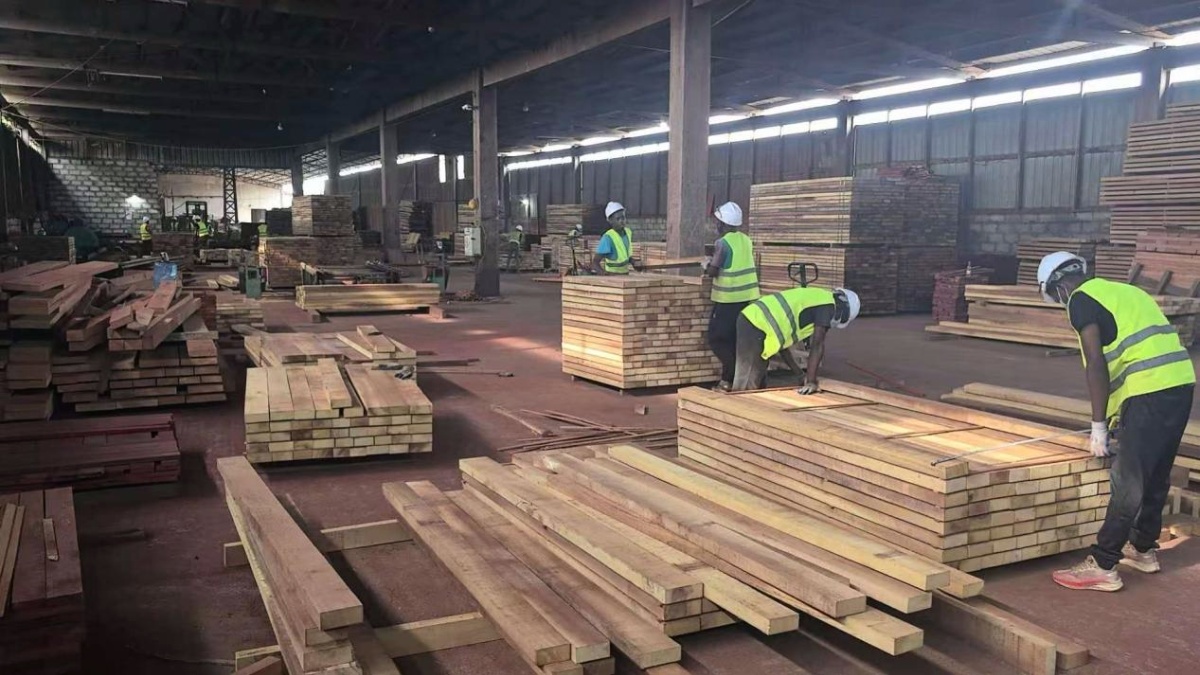
Acacia wood comes from a large genus of trees and shrubs (over 1,000 species) that grow mainly in Australia, Africa, and Asia. This hardwood is known for its high durability, natural resistance to decay and insects, and attractive color variation from light amber to deep brown.
For global buyers and manufacturers, acacia has become a cost-effective alternative to premium tropical hardwoods, especially for furniture, flooring, and outdoor projects where both performance and aesthetics matter.
Acacia (often labeled as “Acacia sp.” or “Acacia Mil”) is widely used in international trade as sawn timber, glued panels, and finished products. Many species are fast-growing and can be managed in plantations, which supports sustainable and scalable supply for export markets.
Because of its density and natural oils, acacia performs well in humid or tropical climates, provided that basic maintenance guidelines are followed.
Acacia is valued for its distinctive appearance, which helps brands differentiate their product lines.
- Heartwood color ranges from light golden to deep brown, often with darker streaks that create a dramatic grain pattern.
- Sapwood is lighter and can form a contrasting border that designers often highlight in live-edge or rustic styles.
- Grain is generally straight to slightly interlocked, with a medium to coarse texture and a natural luster that responds well to oil or clear finishes.
In retail and project marketing, photos should emphasize this natural contrast to justify premium positioning versus low-cost softwoods.
Acacia is a dense, strong hardwood, typically ranging around 600–800 kg/m³ in air-dried condition, which is significantly harder than many common furniture woods.
Its Janka hardness usually falls in the range of approximately 1,700–2,300 lbf, meaning acacia is harder than oak, maple, and walnut and comparable to hickory or teak in wear resistance. This hardness helps reduce dents and surface damage in high-traffic or heavy-use applications such as dining tables, restaurant furniture, and flooring.
Acacia offers high bending strength and stiffness, supporting structural stability when properly engineered.
- Its modulus of rupture and modulus of elasticity place acacia firmly in the high-performance hardwood category.
- Crushing strength is also strong, allowing acacia to withstand heavy loads when used in legs, frames, and flooring.
Acacia has moderate shrinkage and, when correctly dried and sealed, remains relatively stable under normal indoor humidity conditions. It is less prone to warping than many softwoods but still requires proper kiln-drying and acclimatization before installation.
Despite its density, acacia is workable with standard woodworking tools if sharp blades are used.
- It can be sawn, planed, turned, and sanded to a smooth finish, although interlocked grain may cause tear-out with dull cutters.
- It holds screws and nails well; pre-drilling is recommended to avoid splitting, especially near edges.
- Acacia accepts glues, oils, and film finishes effectively, allowing manufacturers to target different market segments, from natural oil looks to high-build lacquer systems.
For export-grade products, a factory-applied oil or UV-resistant topcoat is strongly recommended to stabilize color and minimize end-user maintenance issues.
Acacia offers a strong balance of performance, aesthetics, and price, which explains its rapid adoption in global furniture supply chains.
- High durability: Its high Janka hardness and density help acacia resist dents, wear, and everyday impact better than many common hardwoods.
- Natural water resistance: Its dense structure and natural oils provide good resistance to moisture, making it suitable for kitchens, bathrooms, and covered outdoor spaces.
- Insect and decay resistance: Natural chemistry helps resist fungal decay and wood-boring insects, especially when periodically oiled or sealed.
- Antibacterial characteristics: Acacia is naturally resistant to bacterial growth, which is why it is widely used for cutting boards and serving ware.
- Aesthetic appeal: Its rich color variation and lively grain deliver a premium look that competes visually with more expensive tropical hardwoods.
- Sustainability and availability: Fast-growing plantations and broad geographic distribution make acacia a more sustainable choice than many slow-growing hardwoods, supporting responsible sourcing strategies.
Understanding acacia's limitations helps you design, position, and maintain products realistically.
- Heavy weight: The same density that delivers durability also makes acacia furniture relatively heavy, increasing handling and shipping costs.
- Irregular grain and knots: Interlocked grain and frequent knots can create strength weak points if not properly selected, especially in load-bearing frames and long spans.
- Maintenance requirements: For outdoor or high-exposure use, acacia needs periodic cleaning and oiling to prevent drying, cracking, and color fading.
- Temperature and climate sensitivity: In very hot, very dry, or extremely fluctuating climates, unprotected acacia can crack or check; in persistently wet conditions, swelling can occur.
For project specifications, best practice is to define use conditions clearly (for example, covered balcony versus fully exposed deck) and document care instructions with every sale.
Acacia is highly versatile, serving both residential and commercial markets.
- Indoor furniture: Dining tables, coffee tables, sideboards, bed frames, and chairs benefit from acacia's hardness, warm tone, and premium visual impact.
- Outdoor furniture: Benches, garden sets, and patio tables made from acacia perform well in covered or moderately exposed outdoor settings when regularly oiled and protected.
- Flooring and decking: Acacia flooring offers strong dent resistance and a distinctive pattern that adds character to high-traffic interiors; with proper treatment, it can also be used for decking in suitable climates.
- Cabinetry and countertops: Its hardness and attractive grain make acacia a good choice for kitchen cabinets, islands, and bathroom vanities where impact and moisture resistance matter.
- Kitchenware and décor: Cutting boards, serving trays, bowls, and decorative panels leverage acacia's antibacterial qualities and rich color.
For buyers comparing species, the following overview is useful when positioning product lines.
Suggested placement for a comparative chart:
Right after the heading above, insert a simple bar chart comparing Janka hardness and relative cost of acacia, eucalyptus, and teak. This helps users visually understand performance versus price.
| Wood species | Durability outdoors | Maintenance needs | Typical cost level | Visual character | Notes for buyers |
|---|---|---|---|---|---|
| Acacia | Good in mild to moderate climates, less durable than teak in extreme exposure. | Regular cleaning and oiling recommended for outdoor use. | Generally the most affordable of the three. | Warm brown tones with strong grain and contrast. | Excellent value option; ideal for covered outdoor areas and indoor furniture. |
| Eucalyptus | Very good, with high oil content and strong resistance to moisture and decay. | Needs periodic oiling but slightly more forgiving in harsh climates. | Moderately priced, usually higher than acacia but lower than teak. | Reddish-brown with relatively uniform grain. | Strong mid-tier choice for outdoor sets and decking. |
| Teak | Outstanding, often considered the benchmark for outdoor durability and longevity. | Lowest maintenance; can be left unfinished to weather to silver gray. | Highest price point among the three. | Golden brown, fine grain, very stable appearance. | Premium solution for high-end projects and demanding climates. |
This comparison supports transparent communication with end customers and helps brands segment product portfolios by budget and performance level.
Providing clear maintenance instructions reduces complaints and extends product life.
Suggested placement for a step-by-step infographic:
After this heading, add a vertical infographic showing the cleaning and oiling process in 3–5 steps for outdoor acacia furniture.
- Wipe surfaces with a soft cloth and mild soap plus water, then dry thoroughly to avoid water spots.
- Avoid harsh detergents, ammonia, or abrasive cleaners that strip natural oils and damage finishes.
- For outdoor or high-exposure use, apply a quality wood oil (such as teak or tung oil) every 6–12 months after cleaning and drying.
- Apply a thin, even coat along the grain, allow it to penetrate for 10–15 minutes, then wipe off excess to avoid a sticky surface.
- For indoor tables and tops, a durable clear coat (for example, PU, UV finish, or hardwax oil) can reduce the frequency of re-oiling while preserving the natural look.
- In very hot or very cold seasons, use furniture covers or move items indoors or under shelter when possible.
- Avoid placing acacia directly next to strong heat sources or allowing it to stand in water to minimize cracking, checking, and swelling.
A simple printed or digital care guide can become a value-added service for international buyers and end users.
Acacia wood is an excellent choice when you need high hardness, striking appearance, and competitive pricing in one material. It is particularly suitable for:
- Brand lines targeting “affordable premium” positioning in indoor furniture.
- Outdoor ranges in mild to moderate climates where customers are willing to perform basic maintenance.
- Hospitality, café, or restaurant projects that require durable tabletops with a warm, natural look.
However, in extreme outdoor conditions with minimal maintenance, teak or metal-frame solutions may be more appropriate for long-term durability.
Working with an experienced specialist, such as HONG KONG SENHEDA WOOD LIMITED, ensures better consistency in color, moisture content, and grading, which directly affects your final product quality. A dedicated supplier can also advise on species selection, drying schedules, and surface preparation tailored to your target markets.
For OEM and project buyers, stable supply, technical support, and documentation (such as moisture content reports, grading photos, and sustainability certificates) are just as critical as the wood itself.
If you are planning your next furniture line, flooring program, or outdoor collection and need reliable, high-quality acacia wood, now is the ideal time to secure a stable and consistent supply partner. Get in touch with HONG KONG SENHEDA WOOD LIMITED to discuss bulk acacia lumber, panels, and components, customized grading and finishing options, and flexible shipping solutions tailored to your markets. Our professional team can support you from material selection through to final production, helping you optimize performance, aesthetics, and cost across every project.
Contact us to get more information!
Yes. Acacia is dense, hard, and naturally resistant to decay and insects, making it suitable for outdoor furniture, especially in covered or moderate-climate settings when regularly cleaned and oiled. For fully exposed applications, regular oiling and protection with covers are strongly recommended.
For outdoor or high-exposure use, oiling every 6–12 months is typically recommended, depending on climate and UV intensity. Indoor furniture can be oiled less frequently if a durable topcoat is used, but a light maintenance coat every 12–18 months helps keep the surface looking fresh.
Acacia has a relatively high Janka hardness, so it is more resistant to dents and scratches than many woods like maple or walnut. Heavy impacts or sharp metal edges can still mark the surface, so using felt pads, coasters, and placemats is advisable to keep it looking new.
Many acacia species are fast-growing and cultivated in plantations, making them more sustainable than slow-growing hardwoods. When combined with responsible forest management and third-party certifications, acacia can form part of a credible sustainable sourcing strategy for brands and projects.
Teak generally offers higher long-term durability and lower maintenance requirements in extreme outdoor conditions. Acacia, however, provides very good performance at a significantly lower cost, especially when users follow basic care instructions such as seasonal oiling and the use of covers during harsh weather.
1. https://www.novausawood.com/specie.aspx?code=AC
2. https://atozwoodcompany.com/acacia-wood-properties-types-and-uses/
3. https://worldinteriors.com/blogs/before-you-buy-materials-construction-and-build-processes/acacia-wood-furniture-in-austin
4. https://orchidhomez.com/pages/acacia
5. https://thepopular.co.uk/differences-between-acacia-and-eucalyptus-wood-in-indoor-and-outdoor-furniture/
6. https://blog.kbpatiofurniture.com/top-tips-for-maintaining-your-acacia-wood-outdoor-furniture/
7. https://www.wayfair.com/sca/ideas-and-advice/guides/what-is-acacia-wood-why-is-it-so-special-T22418
8. https://k-timbers.com/acacia-vs-eucalyptus-which-is-better-for-outdoor-funiture/
9. https://www.youtube.com/watch?v=gj7xtHAe870
10. https://glamorwood.com/types-of-wood/acacia-wood/
11. https://www.rockhillasia.com/post/vietnamese-wood-furniture-acacia-teak-and-eucalyptus-wood
12. https://sleekspacedesigns.com/blogs/news/how-to-care-for-acacia-wood-outdoor-furniture
13. https://tidyboard.com/blogs/news/raw-acacia-vs-other-woods-the-best-choice-for-cutting-boards
14. https://www.hineighbor.com/blogs/the-journal/acacia-wood-vs-teak-wood-for-outdoor-furniture


