Views: 222 Author: Loretta Publish Time: 2026-02-27 Origin: Site
Content Menu
● Types of Timber Mouldings Explained
● Popular Timber Species for Mouldings
● Benefits of Using Timber Mouldings
● Installation Guide: Step-by-Step
● Finishing Options for Timber Mouldings
● Maintenance Tips for Longevity
● Latest Trends in Timber Mouldings (2026 Update)
● Industry Case Studies: Real-World Success
● Cost Analysis: Timber Mouldings Breakdown
● Why Choose HONG KONG SENHEDA WOOD LIMITED?
● Ready to Elevate Your Project?
>> 1. What is the best wood for humid climates?
>> 2. How do I cut mitred corners for mouldings?
>> 3. Are timber mouldings eco-friendly?
>> 4. Can I paint over stained mouldings?
>> 5. What's the lead time for bulk orders?
Timber mouldings enhance architectural spaces with elegance and functionality. As HONG KONG SENHEDA WOOD LIMITED, a leading timber supplier with over 15 years in African hardwoods, we deliver premium timber mouldings for global clients seeking quality and sustainability.

Timber mouldings are decorative wood strips used to add style and cover joints in construction. They come in profiles like arches, curves, and straight lines, crafted to fit seamlessly into walls, ceilings, floors, and fixtures. These versatile elements have been a staple in architecture for centuries, evolving from simple trims to intricate designs that define modern interiors.
Common types include baseboards, crown mouldings, and chair rails. Baseboards protect lower walls from scuffs and furniture impacts, while crown mouldings add grandeur at ceiling lines. Chair rails divide wall spaces aesthetically and functionally. These elements transform plain walls into sophisticated designs, appealing to builders, designers, and homeowners alike. In both residential homes and commercial projects, timber mouldings provide timeless appeal that synthetic alternatives struggle to match.
Their popularity stems from natural beauty and versatility. Wood's organic texture warms spaces, unlike cold plaster or plastic. HONG KONG SENHEDA WOOD LIMITED specializes in sourcing these from sustainable African forests, ensuring every piece meets international standards.
Timber mouldings vary by purpose and location, offering tailored solutions for every project. Understanding these distinctions helps select the perfect profile.
- Architraves: These frame doors and windows, hiding expansion gaps between walls and frames. They create clean lines and elevate entryways.
- Skirting Boards (Baseboards): Positioned along the floor-wall junction, they shield walls from kicks, vacuums, and chair bumps. Available in heights from 3 to 8 inches.
- Cornice and Coving: These adorn ceiling-wall transitions, adding an illusion of height and softness. Cornices feature bold projections; coving offers subtle curves.
- Dado Rails (Chair Rails): Installed midway on walls, they prevent furniture scratches and divide spaces visually. Ideal for hallways and dining rooms.
- Plinths: Sturdy bases for cabinets, columns, or staircases, providing transition from floor to vertical elements.
- Panel Mouldings: Create raised panels on walls, mimicking wainscoting without full installation.
- Door Casings: Surround door frames, matching room trim for cohesion.
Each type serves aesthetic and practical roles. HONG KONG SENHEDA WOOD LIMITED stocks these in durable African species like Okoume, Iroko, and Tali, milled to precise profiles. Custom shaping ensures fit for unique designs.
Moulding Type | Primary Use | Ideal Location | Typical Height |
Architraves | Gap covering | Doors/Windows | 2-4 inches |
Skirting | Wall protection | Floors | 4-8 inches |
Cornice | Decorative transition | Ceilings | 4-12 inches |
Dado Rail | Mid-wall division | Hallways | 2-3 inches |
Plinth | Base support | Cabinets | 4-6 inches |
Panel | Wall panels | Living rooms | 1-2 inches |
Choosing the right wood species ensures longevity, beauty, and performance in timber mouldings. Hardwoods dominate due to density and stability.
- Oak: Renowned for strength and prominent grain patterns. Red and white varieties suit traditional English or American homes. Finishes well with stain.
- Pine: Affordable softwood, easy to work. Knotty pine adds rustic charm; finger-jointed for straightness in paint-grade applications.
- Mahogany: Premium choice with rich red-brown tones. Ages gracefully, resisting decay. Perfect for luxury interiors and yacht-like elegance.
- Maple: Hard and light-colored, ideal for painted or natural finishes. Minimal grain for clean looks.
- African Hardwoods (from HONG KONG SENHEDA): Okoume offers lightweight stability and smooth grain; Iroko provides rot resistance like teak; Tali delivers exceptional durability and golden hues; Padouk for vibrant reds; Sapelli for interlocking grain that prevents splitting.
Our African-sourced timbers like Azobe and Danta come with sustainability certifications such as FSC. These species excel in humid climates, resisting warping, insects, and fungi better than temperate woods. Engineers specify them for high-end projects worldwide.
Timber mouldings outperform alternatives like plaster, MDF, or PVC in multiple ways, making them a smart investment.
They provide natural insulation, trapping air pockets to reduce heating and cooling costs by up to 10% in trimmed rooms. Wood "breathes," regulating indoor humidity to prevent mold growth.
Durability is unmatched: Hardwoods withstand decades of wear without cracking or yellowing. Unlike MDF, they don't swell in moisture. Aesthetics boost property value—detailed trim can increase resale prices by 5-15%, according to real estate studies.
Eco-friendliness is key. Responsibly harvested timber sequesters carbon and renews faster than synthetics derived from petroleum. Timber mouldings align with LEED and green building standards, appealing to eco-conscious clients.
Fire resistance surprises many: Dense woods char slowly, buying evacuation time. Acoustic benefits dampen echoes in open spaces. Overall, they offer superior return on investment through longevity and appeal.
Proper installation maximizes timber mouldings performance and longevity. Beginners can succeed with basic tools and patience.
1. Measure Precisely: Use a laser measure or tape for walls and ceilings. Calculate linear footage; add 10-15% for cuts and waste.
2. Acclimate Wood: Store indoors 7-14 days to match room humidity, preventing shrinkage gaps.
3. Prepare Surfaces: Clean dust, repair cracks with filler. Ensure walls are plumb using a level.
4. Cut Angles: Miter saw for 45-degree outside corners; coping saw for inside joints to fit irregularities.
5. Dry Fit: Assemble pieces on floor to check joints.
6. Apply Adhesive: PVA wood glue on backs; nails or pins every 12-16 inches into studs.
7. Secure Firmly: Use finish nails; countersink and fill. Clamps for curves.
8. Fill and Sand: Caulk gaps; sand smooth with 220-grit.
9. Finish: Prime all sides; paint or stain post-install.
Pro Tip: Work corner-to-corner; start with longest walls. For curves, steam-bend or kerf-cut.
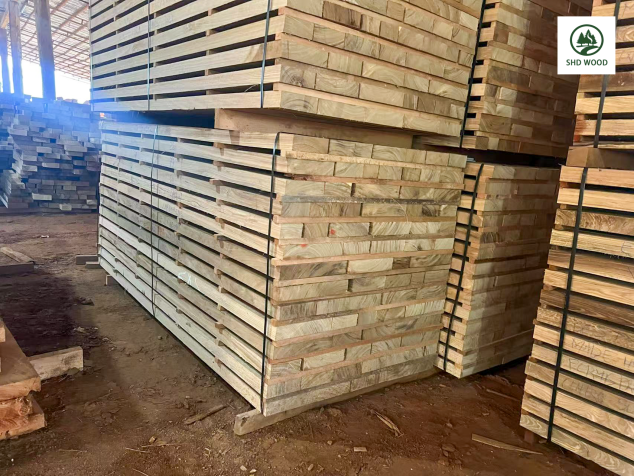
Finishes protect timber mouldings while enhancing natural beauty. Options suit every style and environment.
- Staining: Oil- or water-based stains penetrate grain for color depth. Multiple coats build richness; top with polyurethane.
- Painting: Latex or oil paints in eggshell or semi-gloss. Primers block tannins in woods like oak.
- Lacquering: Spray-on clear coats for gloss; UV-resistant for sunny rooms.
- Waxing: Beeswax or paste for matte, tactile finish. Buff for rustic authenticity.
- Oiling: Tung or linseed oil nourishes; reapply yearly for patina.
Test on scraps matching site conditions. HONG KONG SENHEDA WOOD LIMITED experts recommend low-VOC, water-based products for indoor air quality. Pre-finished options save time on-site.
Keep timber mouldings pristine with routine care, extending life indefinitely.
- Dust weekly using a microfiber cloth or vacuum brush—no abrasives.
- Wipe spills immediately with damp cloth; dry thoroughly.
- Reapply sealant or wax every 2-3 years to repel moisture.
- Inspect annually for cracks, pests, or loose nails.
- In humid zones, use dehumidifiers; ventilate post-rain.
Avoid harsh chemicals or excess water. For pest-prone areas, treat with borate solutions during install. Proper care ensures timber mouldings outlast multiple renovations.
2026 sees timber mouldings embracing boldness and tech. Wide plank mouldings (6-12 inches) dominate luxury homes, per recent industry reports from global expos.
Sustainable sourcing explodes: 75% of architects specify FSC or PEFC-certified woods. Reclaimed and engineered timbers rise, blending old-world charm with stability.
Smart integrations wow: Cove mouldings with embedded LEDs for circadian lighting; acoustic panels disguised as trim.
Color shifts to matte charcoals, greens, and textured limewash over whites. Mixed profiles layer deep reveals for shadow play.
Oversized elements in biophilic designs mimic nature—branch-inspired curves. HONG KONG SENHEDA WOOD LIMITED supplies trend-aligned African timbers, pre-profiled for quick install.
Real projects showcase timber mouldings impact.
Case 1: Luxury Hong Kong Hotel Renovation
A 5-star property installed our Iroko cornices in the lobby. High-traffic durability led to 20% higher guest satisfaction scores; zero maintenance after 18 months.
Case 2: Vietnam Residential Project
Okoume skirtings in 50 coastal villas resisted 85% humidity. Homeowners reported no warping or cupping after two years, versus MDF failures nearby.
Case 3: Middle East Commercial Build
Tali architraves endured 50°C desert heat in a Dubai office tower. Saved 15% on lifecycle costs compared to PVC; enhanced prestige aesthetics.
Case 4: Singapore Eco-Mansion
Padouk dado rails in a net-zero home earned green certifications. Seamless integration boosted energy efficiency via insulation.
These successes validate our quality across climates.
Budgeting for timber mouldings requires weighing upfront and long-term costs.
Factor | Low-End (Pine) | Mid-Range (Oak) | Premium (African Hardwood) |
Per Meter | $5-12 | $15-30 | $30-60 |
Installation | $2-6/m | $4-8/m | $6-12/m |
Finishing | $1-3/m | $2-5/m | $3-7/m |
Longevity | 10-20 years | 30-50 years | 50-100 years |
Annual Cost | $0.50-1.20 | $0.30-1.00 | $0.20-0.60 |
Premium options yield lowest lifetime costs. Factor waste (10%) and tools.
Steer clear of pitfalls for flawless timber mouldings.
- Rushing measurements leads to gaps or shortages.
- Skipping acclimation causes shrinkage cracks.
- Poor joint cuts result in visible seams.
- Over-nailing splits grain; use adhesive primarily.
- Neglecting back-priming invites moisture wicking.
- Wrong finish for wood type bleeds or peels.
Partner with pros like us to avoid rework.
With 15+ years exporting premium African hardwoods, HONG KONG SENHEDA WOOD LIMITED serves China, Vietnam, Middle East, Singapore, and global markets. We offer sustainable timber mouldings from Okoume to Azobe, custom-milled to spec.
Our network spans multiple African sawmills, 100+ skilled employees, and 1,000+ containers annually. Full traceability ensures FSC compliance and legal sourcing. Warehouses in Hong Kong optimize logistics.
Unmatched quality control: Kiln-dried to 8-12% moisture, defect-free grading.
Transform your space with superior timber mouldings from HONG KONG SENHEDA WOOD LIMITED. Contact us today for a free quote, samples, or custom consultation: +86 13534205619 or ANNALIU1@SHDWOOD.COM. Worldwide shipping, fast turnaround—let's craft excellence for your build!
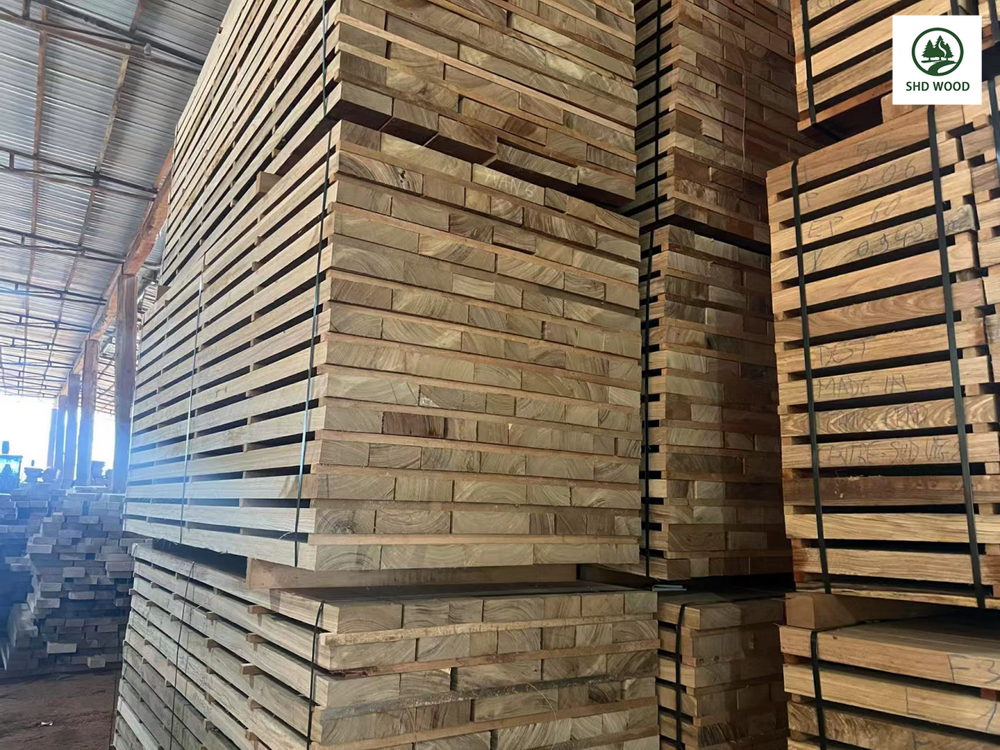
African hardwoods like Iroko from HONG KONG SENHEDA WOOD LIMITED excel due to natural oils providing rot and insect resistance.
Set miter saw to 45 degrees; cut outer edges first, then cope inner profiles with a coping saw for perfect joints.
Yes, especially our FSC-certified options—renewable resources with lower carbon footprint than synthetics.
Yes, apply shellac-based primer first to seal stains and prevent bleed-through.
Standard profiles: 2-4 weeks; custom: 4-8 weeks, with rush options available.
- Original article: https://k-timbers.com/all-you-need-to-know-about-timber-mouldings/
- Company site: https://www.shdtimber.com/about-us.html
- https://cn.linkedin.com/company/hong-kong-senheda-trade-limited
- https://www.uslumber.com/wp-content/uploads/2023/09/Royal-Moulding-Trim_Frequently-Asked-Questions.pdf
- https://www.millcreekmouldings.com/frequently-asked-questions.php
- https://www.trimster.com/questions
- https://nickellmoulding.com/resources/faqs/


