
Views: 222 Author: SENHEDA WOOD Publish Time: 2026-06-24 Origin: Site


Content Menu
● What Is Wood Drying and Why It Matters
● Understanding Moisture Content and EMC
● Overview of the Main Wood Drying Methods
● Comparative Snapshot of Drying Methods
● Method 1: Natural (Air) Drying
>> Key Advantages of Air Drying
>> Main Limitations of Air Drying
>> How Kiln Drying Works in Practice
>> Disadvantages of Kiln Drying
● Method 3: Dehumidifier Drying
>> How Dehumidifier Drying Works
>> Advantages of Dehumidifier Drying
>> Disadvantages of Dehumidifier Drying
>> Advantages of Vacuum Drying
>> Disadvantages of Vacuum Drying
● Hybrid Drying Strategies for Export Supply Chains
● Common Drying Defects and How to Prevent Them
● Choosing the Right Drying Method for Your Business
● Quality Control and Moisture Measurement Best Practices
>> Moisture Measurement Essentials
● How a Professional African Timber Supplier Adds Value
>> Practical Advantages for Global Buyers
● Practical Step-by-Step Guide to Starting a Drying Program
● Call to Action: Get Expertly Dried African Timber for Your Projects
● Frequently Asked Questions (FAQ)
Wood drying is the controlled process of reducing the moisture content (MC) of wood to a stable level that matches its end-use environment. Freshly cut logs can contain more than 50% water by weight, which makes them heavy, unstable, and prone to cracking, warping, and biological attack. [duffieldtimber]
In professional supply chains—from African forests to factories in Vietnam—proper drying ensures that lumber:
- Stays dimensionally stable during machining and final use
- Prevents mold, insects, and internal decay
- Improves strength and surface quality, reducing rejects and claims
- Reduces transport costs by lowering weight after moisture removal [epluse]
For export‑grade hardwoods, target MC is typically 8–12% for interior use and slightly higher for exterior applications, depending on local climate. [duffieldtimber]
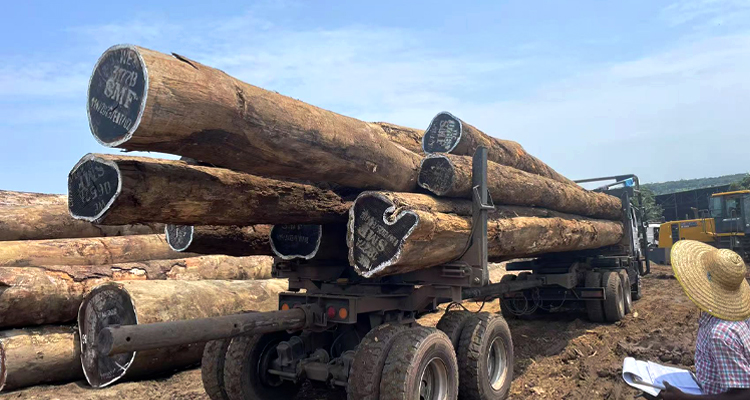
Before choosing a drying method, you must understand moisture content (MC) and equilibrium moisture content (EMC). [youtube]
- Moisture Content (MC): The percentage of water in wood relative to its oven‑dry weight.
- Equilibrium Moisture Content (EMC): The point where wood neither gains nor loses moisture because it is in balance with surrounding temperature and humidity. [youtube]
As ambient humidity drops, MC decreases and wood shrinks; as humidity rises, MC increases and wood swells. Drying correctly is not just about reaching a number on a meter—it is about bringing the wood close to the EMC of its destination market, whether that is a dry indoor environment or a humid coastal region. [epluse]
In modern industry, wood drying methods group into natural and technical processes. [woodj]
- Natural (Air) Drying
- Kiln Drying
- Dehumidifier Drying
- Vacuum Drying
These four approaches can also be combined in hybrid schedules, for example air drying to a medium MC and then kiln finishing to target EMC, to balance cost and quality. [woodj]
| Drying method | Typical final MC (approx.) | Typical drying time | Relative cost level | Best suited for |
|---|---|---|---|---|
| Air (natural) drying | 12–20% (duffieldtimber) | Months to 1+ year | Low | Low-cost bulk stock, outdoor uses, pre-drying |
| Kiln drying | 6–8% (epluse) | Days to weeks | High | Export-grade lumber, interior products, tight tolerances |
| Dehumidifier drying | 10–12% (epluse) | Several weeks | Moderate | Small to mid-scale operations, high-humidity climates |
| Vacuum drying | 6–8% (epluse) | Few days (epluse) | Very high | High-value hardwood, engineered products, urgent orders |
This table gives a practical starting point when matching drying strategies to budget, volume, and quality requirements. [epluse]
Air drying is the oldest and most economical way to season lumber by using natural airflow and ambient conditions to gradually reduce moisture content. [duffieldtimber]
Wood is sawn into boards and stacked in a well‑ventilated, shaded area on raised supports. [duffieldtimber]
- Boards are separated with stickers (spacers) to allow uniform airflow.
- The stack is covered on top to keep off rain and excessive sun, while sides remain open.
- Moisture content is monitored with a moisture meter until it reaches the desired range. [duffieldtimber]
For dense African hardwoods, this process can take many months or more than a year, depending on thickness, climate, and site design. [woodj]
- Very low cost: No fuel or kiln infrastructure, ideal for large‑volume pre-drying at origin.
- Eco‑friendly: Minimal energy consumption, aligned with sustainable sourcing goals. [duffieldtimber]
- Gentle drying: Lower risk of internal stresses compared to overly aggressive kiln schedules, especially in thick sections. [163]
- Slow and weather‑dependent: Drying pace is dictated by climate, seasons, and site conditions. [duffieldtimber]
- Limited to higher MC: It is difficult to reach very low MC (e.g., 6–8%) for interior joinery in humid regions using air drying alone. [epluse]
- Risk of biological attack: Without good air circulation and stacking practice, there is higher risk of mold, staining, and insects. [wan-peng]
From a supplier's standpoint, air drying is often used as Stage 1, reducing MC and transport weight before more controlled kiln finishing closer to the end-user market. [woodj]
Kiln drying uses a controlled chamber to regulate temperature, relative humidity, and air velocity, providing faster and more uniform drying than natural methods. [epluse]
1. Preparation and stacking: Boards are sawn, edged, and stacked with stickers to ensure uniform airflow.
2. Loading into kiln: Packs are placed in a chamber designed for even circulation.
3. Programmed schedule: Temperature and humidity are adjusted according to species, thickness, and target MC.
4. Monitoring: Moisture meters and sample boards are checked regularly.
5. Conditioning and equalizing: Final stages relieve internal stresses and improve MC uniformity. [woodj]
Modern kilns that meet European or international standards use advanced controls to optimize quality and energy consumption. [epluse]
- High speed: Drying times are reduced from months to days or weeks, unlocking faster cash flow and inventory turns. [woodj]
- Consistent quality: Controlled schedules minimize warping, checking, and case‑hardening when properly managed. [epluse]
- Sanitation benefits: Elevated temperatures can kill insects and larvae, a critical factor for export compliance. [wagnermeters]
- Capital intensive: Requires significant investment in kilns, boilers or heaters, and control systems.
- Energy consumption: High energy use can increase operational costs and carbon footprint without efficient design. [epluse]
- Risk of defects if mismanaged: Over‑aggressive schedules can cause internal cracking, honeycombing, or surface case‑hardening. [163]
For large exporters handling 4,000–8,000 tons of African timber per month, kiln drying is often essential to meet global customers' specifications and reduce claims across container shipments. [cn.linkedin]
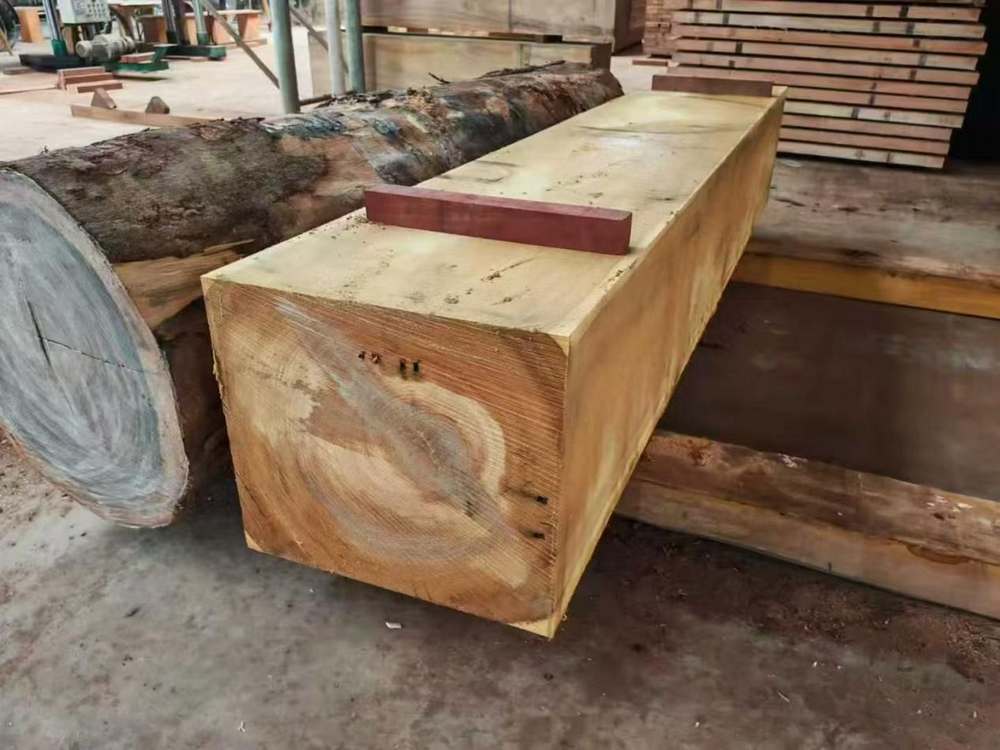
Dehumidifier drying uses a sealed room equipped with a dehumidifier and circulating fans to maintain moderate temperatures and controlled humidity. [epluse]
- The dehumidifier pulls moist air across cold coils, condensing water and returning drier air into the chamber.
- Fans distribute this conditioned air evenly around the stacks, promoting gradual moisture release.
- This method is particularly effective in high‑humidity climates where air drying alone is inefficient. [epluse]
Both residential and commercial‑grade units can be used, with larger commercial systems removing more water per hour for industrial applications. [epluse]
- Weather‑independent: Operates in a closed environment, unaffected by rain or seasonal humidity swings. [epluse]
- Energy‑efficient: Typically uses less energy than conventional high‑temperature kilns for comparable loads. [epluse]
- Quality‑focused: Gentle drying reduces risk of surface checking and internal stresses, especially in sensitive species. [woodj]
- Slower than kiln drying: While more controlled, it usually takes longer than traditional kilns to reach the same MC. [epluse]
- Equipment cost: Requires investment in dehumidification units and insulated rooms. [epluse]
Dehumidifier systems are often chosen by small to mid‑size mills or value‑added manufacturers who prioritize quality and flexibility over maximum throughput. [woodj]
Vacuum drying places timber in a sealed chamber where pressure is reduced so that water can evaporate at significantly lower temperatures. [woodj]
- Under vacuum, the boiling point of water drops, allowing moisture to leave the wood at lower temperatures than in atmospheric kilns. [woodj]
- Heat is applied through plates, steam, or other media while vacuum pumps extract water vapor.
- Because internal moisture moves more easily under these conditions, drying can be very rapid—especially for thicker or higher‑density hardwoods. [woodj]
- Very fast cycles: Drying times can be reduced to a few days for loads that might take weeks in conventional kilns. [woodj]
- Low thermal stress: Lower drying temperatures help preserve color and mechanical properties.
- High-quality results: Reduced risk of internal checking and collapse when schedules are designed correctly. [woodj]
- High investment: Chambers, pumps, and controls are expensive and require specialized maintenance.
- Operational expertise needed: Schedules must be designed by experienced technicians to avoid defects.
- Best suited for high-value material: Often reserved for premium hardwoods, thick slabs, or engineered components where speed and quality justify the cost. [woodj]
In an export-focused operation, vacuum drying is typically used strategically—for urgent orders, critical dimensions, or flagship products where reliability and speed are non‑negotiable.
In real-world operations, the most efficient approach is often hybrid drying, not relying on a single method. [woodj]
- Air + Kiln: Pre‑drying lumber outdoors to an intermediate MC, then finishing in a kiln to reach export‑grade MC with lower energy cost.
- Kiln + Dehumidifier: Using kilns for bulk reduction followed by dehumidifier rooms for final conditioning and equalizing.
- Air + Vacuum: Pre‑drying bulk stock naturally, then using vacuum chambers selectively for high‑value or urgent shipments. [epluse]
These combinations allow suppliers handling thousands of tons per month to balance cost, capacity, and quality while meeting tight shipping schedules.
Even with advanced technology, improper schedules or poor stacking can cause severe defects. [wan-peng]
- Surface checking: Cracks on the board face caused by too‑rapid surface drying.
- End splitting: Cracks at board ends from unprotected exposure.
- Internal honeycombing: Hidden cracks inside the lumber due to high internal stresses.
- Warping and cupping: Uneven shrinkage across the board width or length. [163]
- Use wax or end‑sealants to protect log and board ends before drying.
- Start kilns with milder schedules (lower temperature and higher humidity) and gradually increase intensity.
- Ensure uniform sticker thickness and proper stacking to avoid localized stresses.
- Regularly check sample boards and adjust schedules as needed. [wan-peng]
For exporters, early detection and prevention of these defects are crucial to minimize container rejections, claims, and downstream machining problems for customers.
Selecting the best drying method is a strategic decision that affects cost structure, product positioning, and customer satisfaction. [woodj]
- Volume and throughput: High‑volume exporters typically rely on air + kiln or fully kiln‑based systems.
- Species and thickness: Dense African species and thick dimensions may benefit from slower or vacuum‑assisted schedules. [woodj]
- Target markets: Interior furniture in controlled climates requires lower MC than rough construction timber.
- Energy and labor costs: Local energy prices and skill availability will influence the best technical solution.
- Capital budget: Dehumidifier and vacuum systems demand higher upfront investment but can unlock premium product segments. [epluse]
A practical rule is to start from the end user: define the required MC, defect tolerance, and delivery time, then design a drying strategy backward from those demands.
Reliable drying depends on accurate measurement and documentation. [wagnermeters]
- Use calibrated moisture meters suited to the species being dried.
- Measure MC at multiple depths and positions in a board stack, not just at the surface.
- Track MC trends over time to fine‑tune schedules and avoid over‑drying or under‑drying. [wagnermeters]
- Implement standard operating procedures (SOPs) for stacking, loading, schedule selection, and unloading.
- Record batch data (species, thickness, schedule, start/end MC, defects) to build a feedback loop.
- Use this data to optimize future loads and provide traceability to downstream customers. [wagnermeters]
In global trade, this level of control is a key part of demonstrating professionalism, consistency, and compliance to demanding buyers.
As a long‑term specialist in African timber sourcing and export, a professional supplier plays a central role in matching drying strategies to customer needs. [shdtimber]
- Stable, predictable supply: Handling 4,000–8,000 tons per month across multiple species enables robust planning for manufacturers.
- Optimized drying at origin: Combining field experience, local climate knowledge, and technical drying partnerships ensures wood arrives closer to target EMC.
- Custom specifications: Ability to adjust MC, dimension, and packaging to the requirement of different markets such as Vietnam and other global destinations. [cn.linkedin]
For OEMs, traders, and manufacturers, partnering with such a supplier reduces risk across the entire procurement and production cycle, from log to finished product.
For mills, furniture factories, and importers building or improving their drying systems, the following practical roadmap can help:
1. Define your targets
- Final MC range by product and market
- Acceptable defect levels
- Required lead times [duffieldtimber]
2. Assess current capacity
- Existing air yards, kiln rooms, or dehumidifier chambers
- Staff skills and measurement tools [epluse]
3. Choose the primary method
- Air, kiln, dehumidifier, vacuum, or hybrid
- Start with the method that gives the fastest win with existing infrastructure. [woodj]
4. Set and test schedules
- Begin with conservative schedules recommended for your species
- Run small trial loads and document outcomes. [163]
5. Scale with data
- Use measurement and defect logs to refine schedules
- Expand volume once consistent quality is achieved. [wagnermeters]
If you are sourcing hardwoods for manufacturing, distribution, or large construction projects, partnering with an experienced African timber specialist can significantly reduce your risk across drying, logistics, and quality control. [shdtimber]
Whether you need air‑dried stock for further processing, kiln‑finished lumber ready for production, or guidance on designing your own drying program, reach out to a supplier with a proven track record in:
- High‑volume African timber handling
- Export to demanding markets such as Vietnam and beyond
- Customized moisture, dimension, and packaging specifications tailored to your business. [cn.linkedin]
Take the next step toward more stable, efficient, and profitable wood procurement by consulting with a dedicated African timber expert team today.
1. What is the ideal moisture content for indoor furniture?
For indoor furniture, the recommended moisture content is typically around 6–10%, depending on regional humidity and climate, to minimize shrinkage and swelling after installation. [duffieldtimber]
2. Can I rely on air drying alone for export lumber?
Air drying is excellent for pre‑drying and reducing weight, but for most export applications—especially interior products—kiln or technical drying is needed to reach stable, low MC and meet customer specifications. [epluse]
3. How do I know if my kiln schedule is too aggressive?
Signs of an overly aggressive schedule include surface checking, end splitting, internal honeycombing, and case‑hardening, which indicate that moisture is leaving the surface too quickly compared to the core. [wan-peng]
4. Is vacuum drying always better than kiln drying?
Vacuum drying is faster and gentler but also much more expensive and technically demanding, so it is usually reserved for high-value products or urgent orders, not as a universal replacement for conventional kilns. [woodj]
5. Why is moisture measurement so critical in professional drying?
Without accurate measurement, it is impossible to control schedules, avoid defects, or prove consistency to customers, making moisture meters and proper sampling essential tools in any serious drying operation. [wagnermeters]
1. Duffield Timber. “How Is Wood Dried? Sticking, Air Drying & Kilning Explained.” https://duffieldtimber.com/the-workbench/buyers-guides/wood-drying-process-explained
2. E+E Elektronik. “Technical Wood Drying: Efficient Processes and Modern Methods.” https://www.epluse.com/news/blog/detail/2025-04-10-technical-wood-drying/
3. SHD Wood / HONG KONG SENHEDA WOOD LIMITED – Company Information. https://www.shdtimber.com/about-us.html
4. Netease Article. “木材干燥过程中12大问题解析.” https://www.163.com/dy/article/GROBPQHA0552ALT3.html
5. Wanpeng Wood. “木材干燥理论知识大全.” http://www.wan-peng.com/newsshow_120.html
6. Wood Science Journal. “Drying Right: A Study of Global Wood Seasoning Methods.” https://www.woodj.org/archive/view_article?pid=wood-54-1-36
7. LinkedIn. “HONG KONG SENHEDA WOOD LIMITED – Company Profile.” https://cn.linkedin.com/company/hong-kong-senheda-trade-limited
8. KilnDrying.org. “Kiln Drying Forum and Resources.” https://www.wagnermeters.com/forest-products/industry-info/kiln-drying-forum-resource/
9. YouTube. “The Best Lumber Drying Video Ever! Secrets and Science of …” https://www.youtube.com/watch?v=o9nAUIzU_E4


