Views: 219 Author: SENHEDA WOOD Publish Time: 2026-08-11 Origin: Site
When architects, furniture manufacturers, and developers search for premium hardwoods, Teak (Tectona grandis) is often considered the benchmark. However, Umbila (Pterocarpus angolensis)—sometimes called African Teak—has gained increasing attention as a beautiful, durable, and cost-effective alternative for luxury projects.
Both species offer excellent performance and visual appeal, but they excel in different areas. Understanding their strengths can help buyers select the right timber for furniture manufacturing, architectural applications, hospitality projects, and luxury interiors.
In this guide, we compare Umbila and Teak across appearance, durability, workability, sustainability, and value to determine which wood is best suited for high-end projects.
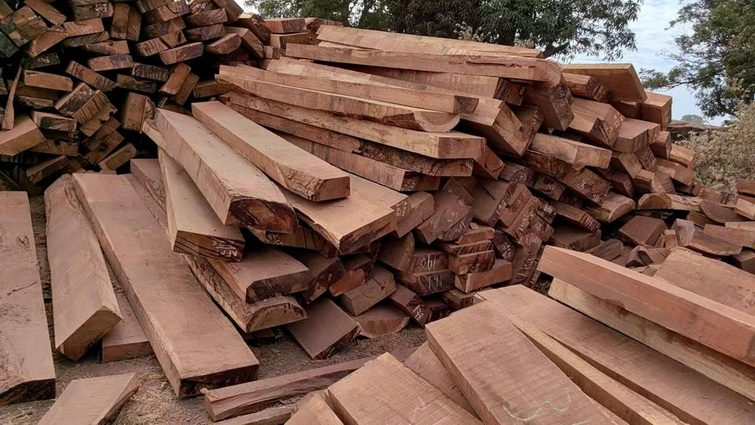
Umbila is a premium African hardwood native to Southern Africa, including Angola, Mozambique, Namibia, Zambia, and Zimbabwe. Highly regarded for its attractive grain, dimensional stability, and ease of machining, Umbila has earned the nickname "African Teak" due to its similar appearance and performance characteristics.
· Golden-brown to reddish-brown color
· Attractive interlocked grain
· Medium to high durability
· Good dimensional stability
· Easy machining and finishing
· Excellent furniture-grade appearance
Common applications include:
· Luxury furniture
· Interior joinery
· Architectural millwork
· Decorative veneers
· Flooring
· Doors and window frames
Teak is one of the world's most recognized premium hardwoods. Native to South and Southeast Asia, it is famous for its natural oil content, weather resistance, and exceptional longevity.
· Golden honey-brown color
· Straight and uniform grain
· Naturally oily texture
· Outstanding durability
· Exceptional moisture resistance
· Superior outdoor performance
Common applications include:
· Yacht decking
· Outdoor furniture
· Luxury flooring
· Exterior joinery
· Resort construction
· Marine environments
Umbila is highly valued for its rich and decorative appearance. Its grain often displays attractive figure patterns that create a warm and luxurious look.
Advantages include:
· Rich golden-brown tones
· Attractive grain movement
· Natural warmth
· Excellent visual character
Umbila is especially popular in luxury residential interiors where a sophisticated but natural aesthetic is desired.
Teak offers a cleaner and more uniform appearance. Its straight grain and golden color create a timeless look that works well across traditional and contemporary designs.
Advantages include:
· Consistent grain pattern
· Elegant golden color
· Refined appearance
· Global market recognition
Umbila (for character and warmth)
Teak
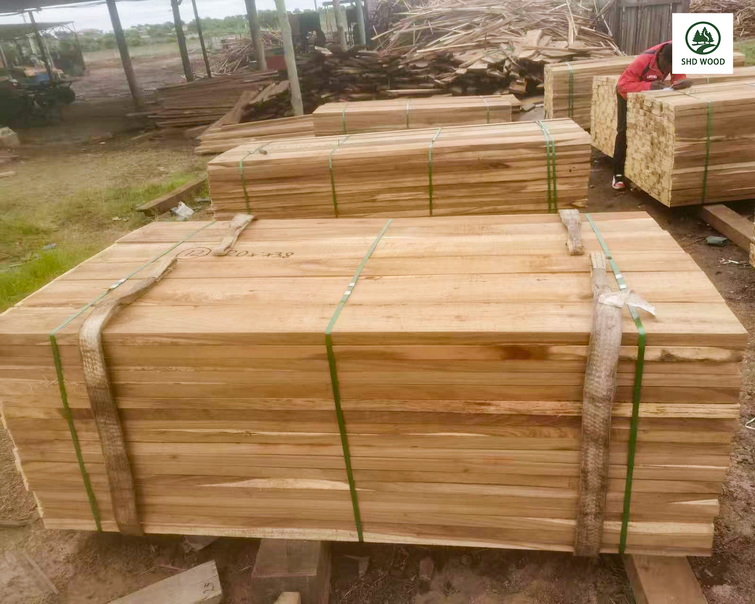
· One of Umbila's greatest advantages is its excellent workability.
Manufacturers appreciate it because it:
· Machines easily
· Sands smoothly
· Accepts finishes well
· Produces excellent joinery results
· Has relatively low tool wear
These characteristics make Umbila highly efficient for furniture production.
Teak is generally easy to machine, but its natural oils and silica content can increase tool wear and occasionally complicate finishing or gluing processes.
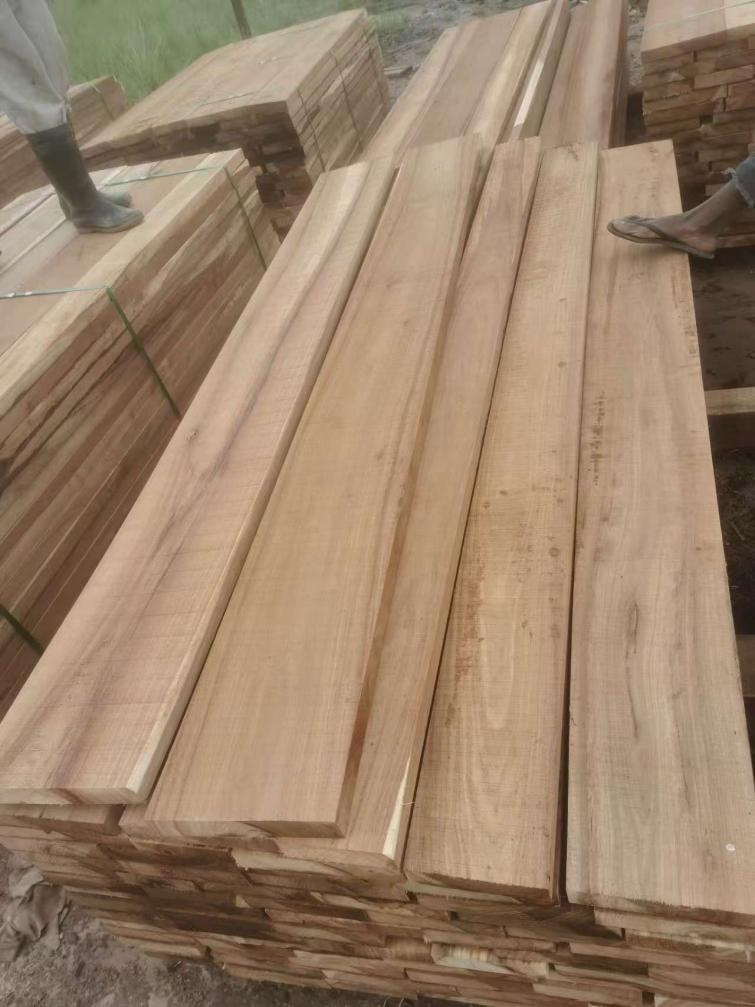
The right choice depends on your project's priorities.
✔ You are producing luxury indoor furniture
✔ Warm, decorative grain is important
✔ Manufacturing efficiency matters
✔ Budget optimization is a consideration
✔ You need a premium hardwood for interior applications
✔ The project involves outdoor exposure
✔ Marine or coastal environments are involved
✔ Maximum durability is required
✔ Long-term weather resistance is critical
✔ You want a globally recognized premium hardwood
For high-end furniture, cabinetry, luxury interiors, and architectural millwork, Umbila offers exceptional value, beauty, and performance, making it one of the best alternatives to Teak available today.
For outdoor structures, yacht interiors, decking, and marine applications, Teak remains the gold standard due to its unmatched natural durability and weather resistance.


