
Views: 223 Author: SENHEDA WOOD Publish Time: 2025-12-23 Origin: Site


Content Menu
● I. Appearance Characteristics
● IV. Sustainability and Conservation
Wenge, also known as African cliff beanwood and African black chickenwood, is a precious hardwood belonging to the genus Cladrastis of the Leguminosae family. It is native to Central and West Africa, including countries such as Congo, Cameroon, and Gabon. This wood, with its unique appearance, outstanding performance, and rich cultural connotations, has become a star material in the global timber market.

Color and Texture: The heartwood of Wenge wood is dark brown to blackish brown, with distinct black or dark brown stripes, resembling chicken wing feathers. Hence, it is named "Chicken Wing Wood". Its color may gradually lighten under sunlight, but when coated with wood finish (especially oil-based finish), it will present a nearly black, deep and rich texture.
Texture and Quality: The texture is straight and rough, with a relatively coarse texture and low natural luster. The pores on the wood surface are large, and special treatment is required to achieve a smooth and flat finish.
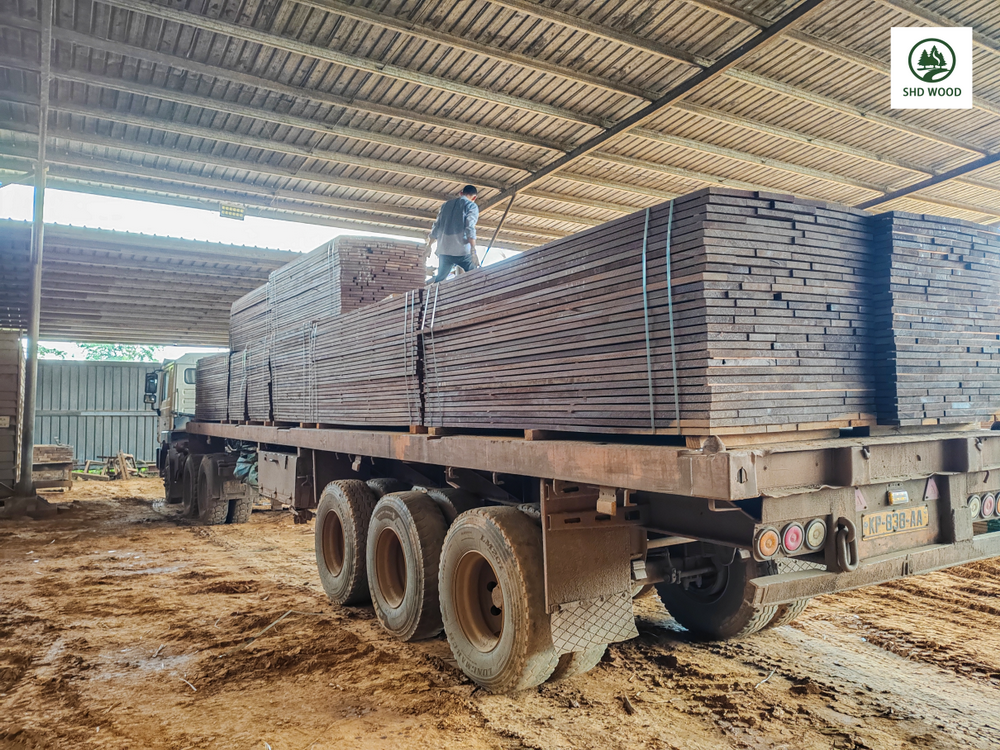
Density and Strength: Wenge wood has a high density, with an air-dried density of approximately 0.80 - 0.96 g/cm³. It belongs to heavy hardwood. Its strength is extremely high, with excellent indicators such as bending strength, longitudinal compressive strength, and elastic modulus. It can withstand significant pressure and load, making it suitable for constructing load-bearing structures and durable furniture.
Stability: Although the wood has a large shrinkage rate (4.5% - 6.2% in the radial direction, and 8.6% - 10.0% in the tangential direction), it shows good stability after drying and is not prone to deformation. However, during processing and use, it is still necessary to control the moisture content to avoid cracking and other problems.
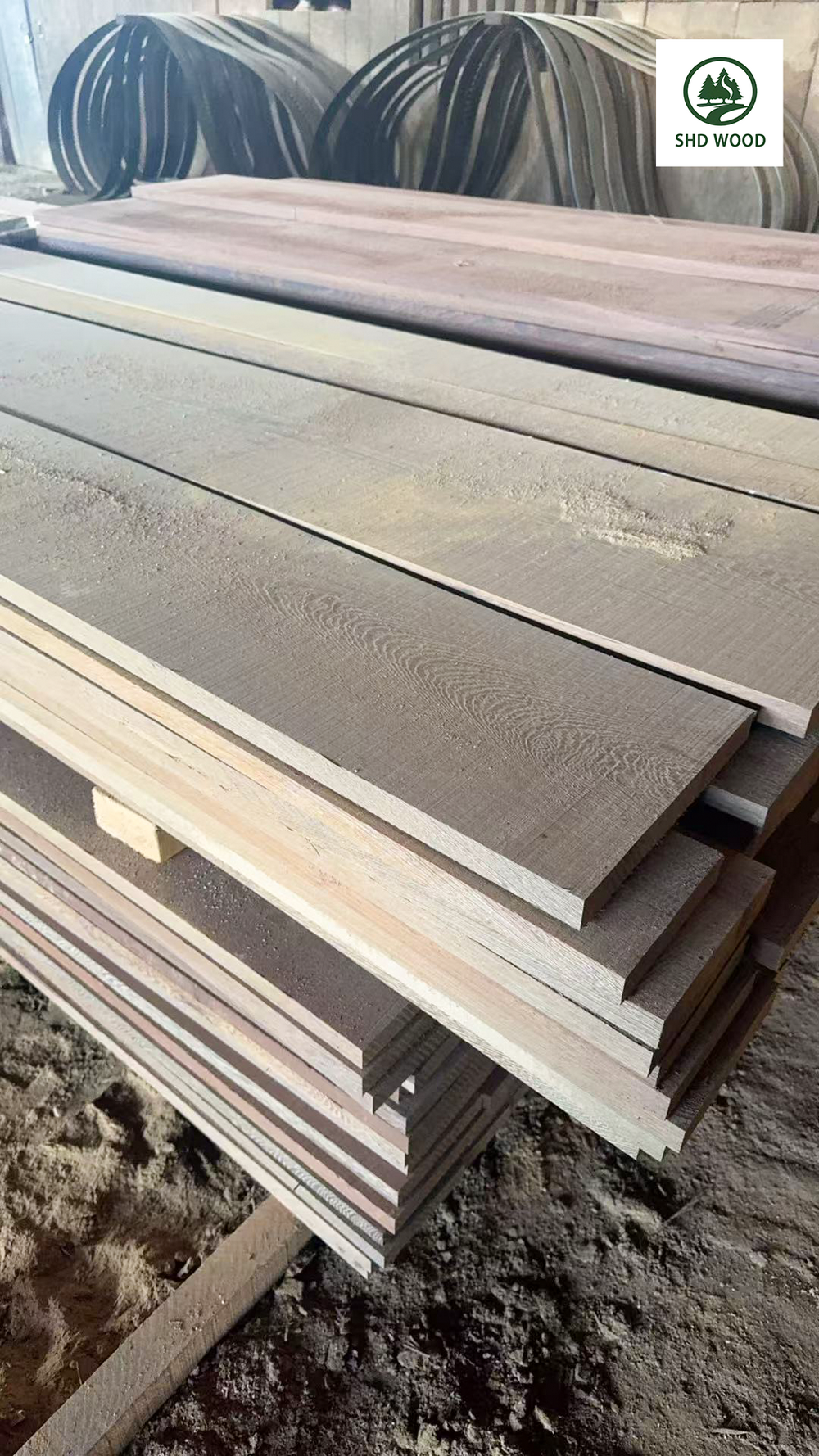
Processing Difficulty: Due to the high hardness and high density of Wenge wood, its processing is quite challenging. Manual and mechanical tools are prone to causing the cutting edges to become blunt during operations such as cutting, carving, and drilling. Additionally, the density differences between the light and dark areas may result in uneven polishing, requiring higher processing skills and experience.
Surface Treatment: The rough pores of the wood and the deposits within the thin-walled tissues make the surface treatment rather difficult. The adhesion of varnish and paint is poor. It is recommended to use polyurethane-based varnish or special formulations of fillers to improve the surface smoothness and decorative effect.
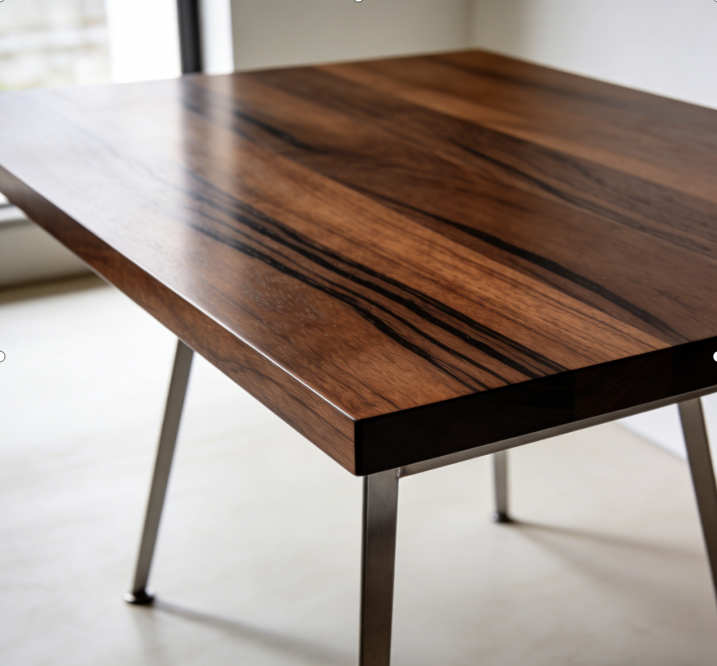
Furniture Manufacturing: Wenge wood is commonly used to make high-end furniture such as dining tables, wardrobes, and bookshelves. Its deep color and unique texture can add a luxurious and artistic atmosphere to the furniture, especially suitable for modern minimalist or industrial style designs.
Floor Laying: Due to its wear-resistant and corrosion-resistant properties, Wenge wood is also widely used for floor laying, especially in commercial and public places. Its dark appearance can create a stable and grand spatial effect.
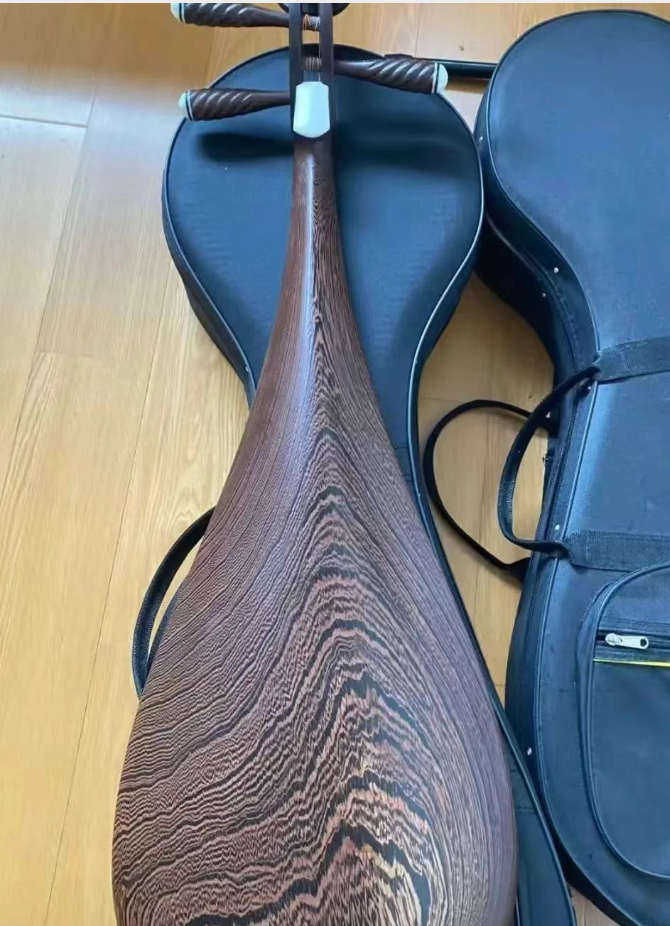
Instrument Making: In the field of instruments, Wenge wood is favored for its excellent acoustic properties and is often used to make the backboard, sideboard, and neck of guitars, which can produce rich and full tones.
Architectural Decoration: Wenge wood can also be used for architectural decoration, such as doors and windows, stair handrails, and wall decorative panels, adding natural and texture to the architectural space.
Although Wenge wood is not included in the Appendix of the Convention on International Trade in Endangered Species of Wild Fauna and Flora (CITES), due to its shrinking natural distribution range and excessive exploitation, it has been listed as an endangered species by the International Union for Conservation of Nature (IUCN). Currently, many countries and regions are taking measures to protect this tree species, promoting sustainable harvesting and utilization.
In conclusion, Wenge wood, with its unique charm and outstanding properties, has become a classic in the field of wood. While using and appreciating this precious wood, we should also pay attention to its sustainable development and jointly protect this natural gift.
HONG KONG SENHEDA WOOD LIMITED,we have been focusing on African wood business for 16 years ,Our variety include OKOUME, IROKO, SAPPELLY,ZEBRA, TALI, PADOUK, BOSSE, AZOBE, EYOUM,DABEMA, AFROMOSIA, TIAMA, OVANGOL, WENGE, KOSIPO, BILLINGA,TEAK,OKAN,etc.
WENGE AD/KD lumbers
Thickness: 25mm/50mm
Width: random width
Length: 2400 CM up
Quality: FAS
Origin: CONGO/Gabon
Quantity: 1000 m3 can be ordered
our website:www.shdtimber.com
Whatsapp:+8613418472425


