
Views: 0 Author: Site Editor Publish Time: 2026-11-09 Origin: Site


Importing African hardwood can be a profitable business, but even small purchasing mistakes can lead to unexpected costs, quality disputes, and disappointing shipments.
Whether you're sourcing Iroko, Sapelli, Okoume, Padouk, or other African hardwoods, choosing the right supplier is only part of the process.
From timber specifications and moisture content to grading standards and shipment inspections, every detail matters.
Based on our experience in the African timber trade, here are five common mistakes international timber buyers should avoid — and how to prevent them.
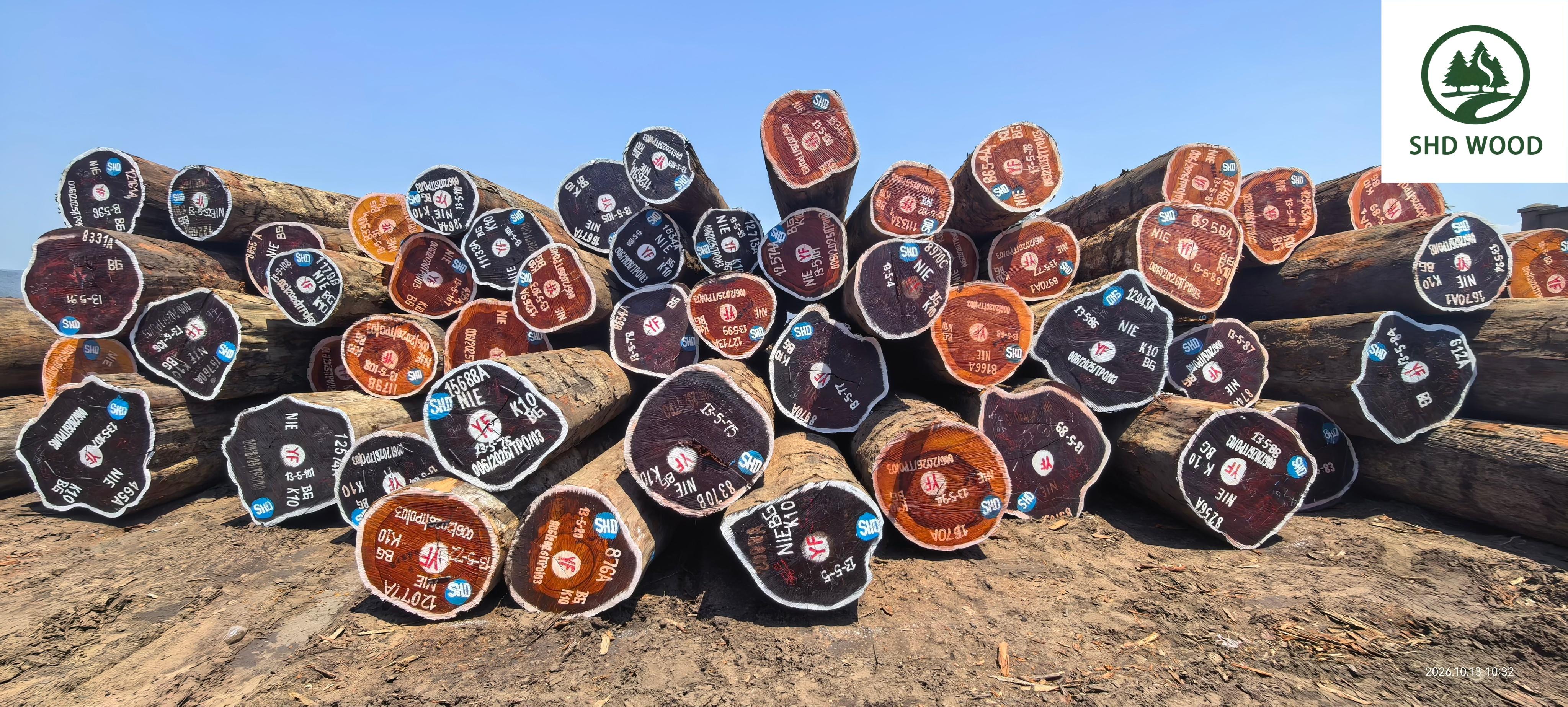
A low quotation can be attractive, especially when purchasing large quantities of African hardwood.
However, two suppliers offering the same timber species may provide very different products.
Prices can vary depending on timber origin, quality, dimensions, moisture content, production methods, and shipping arrangements.
The Risk
Choosing the cheapest offer without understanding these differences may result in inconsistent timber quality, unexpected additional costs, or products that do not meet your requirements.
Our Advice
Look beyond the price per cubic meter. Compare the supplier's production capabilities, quality consistency, timber origin, and shipping terms.
A reliable supplier should be transparent about what is included in the quotation and what you can expect to receive.
When purchasing African sawn timber, even small differences in dimensions can affect how the material is used.
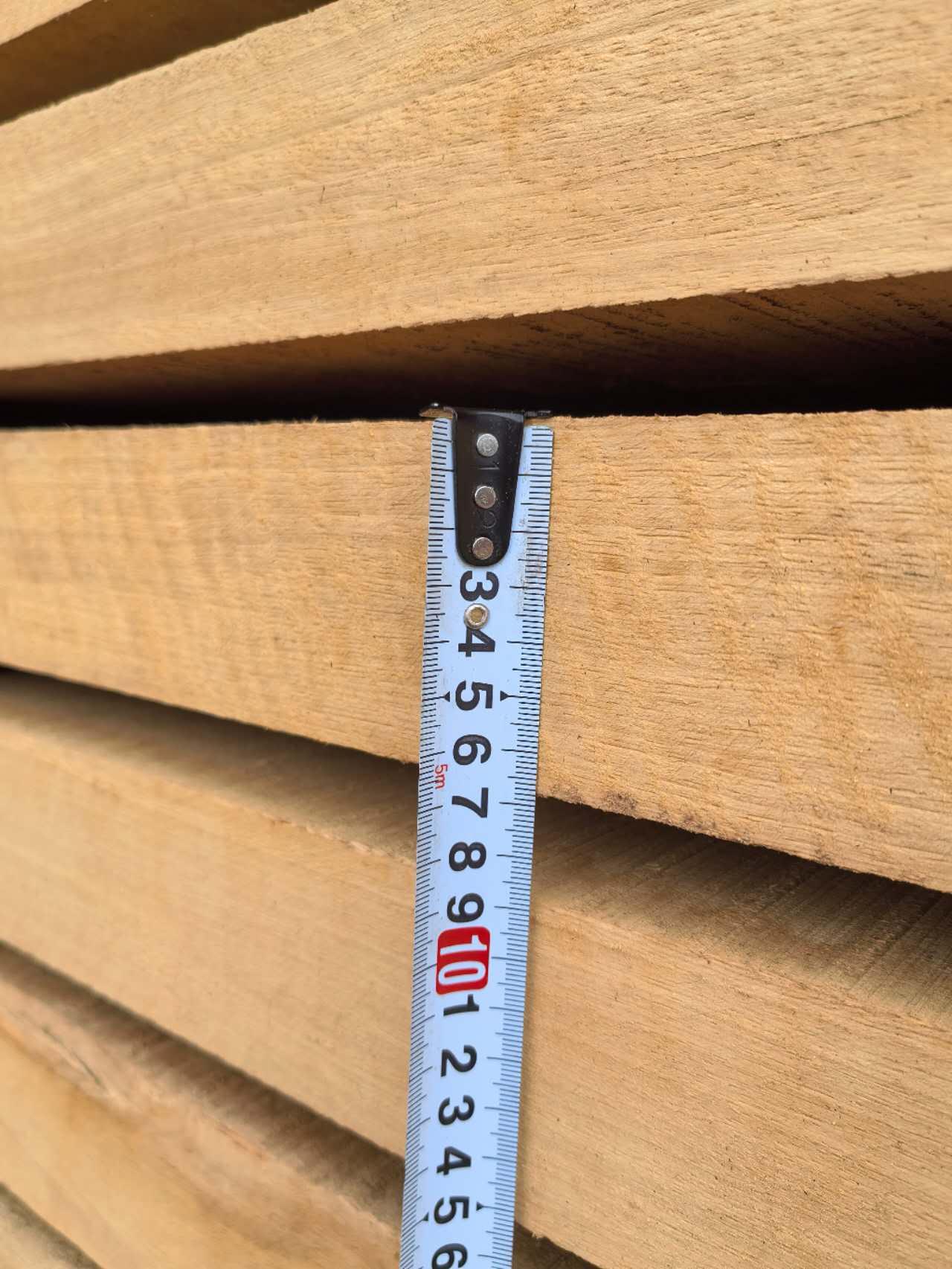
For example, simply ordering "50 mm Iroko" leaves several important questions unanswered:
·
Is the width fixed or random?
·
·
What are the minimum and maximum lengths?
·
·
Is the thickness nominal or actual?
·
·
What dimensional tolerances are acceptable?
·
·
Is the timber air-dried (AD) or kiln-dried (KD)?
·
The Risk
Timber that does not match the required specifications may cause production difficulties, additional cutting costs, or unnecessary material waste.
Our Advice
Always agree on detailed timber specifications before production, including thickness, width, length, dimensional tolerances, grade, and drying requirements.
Clear specifications protect both the buyer and the supplier.
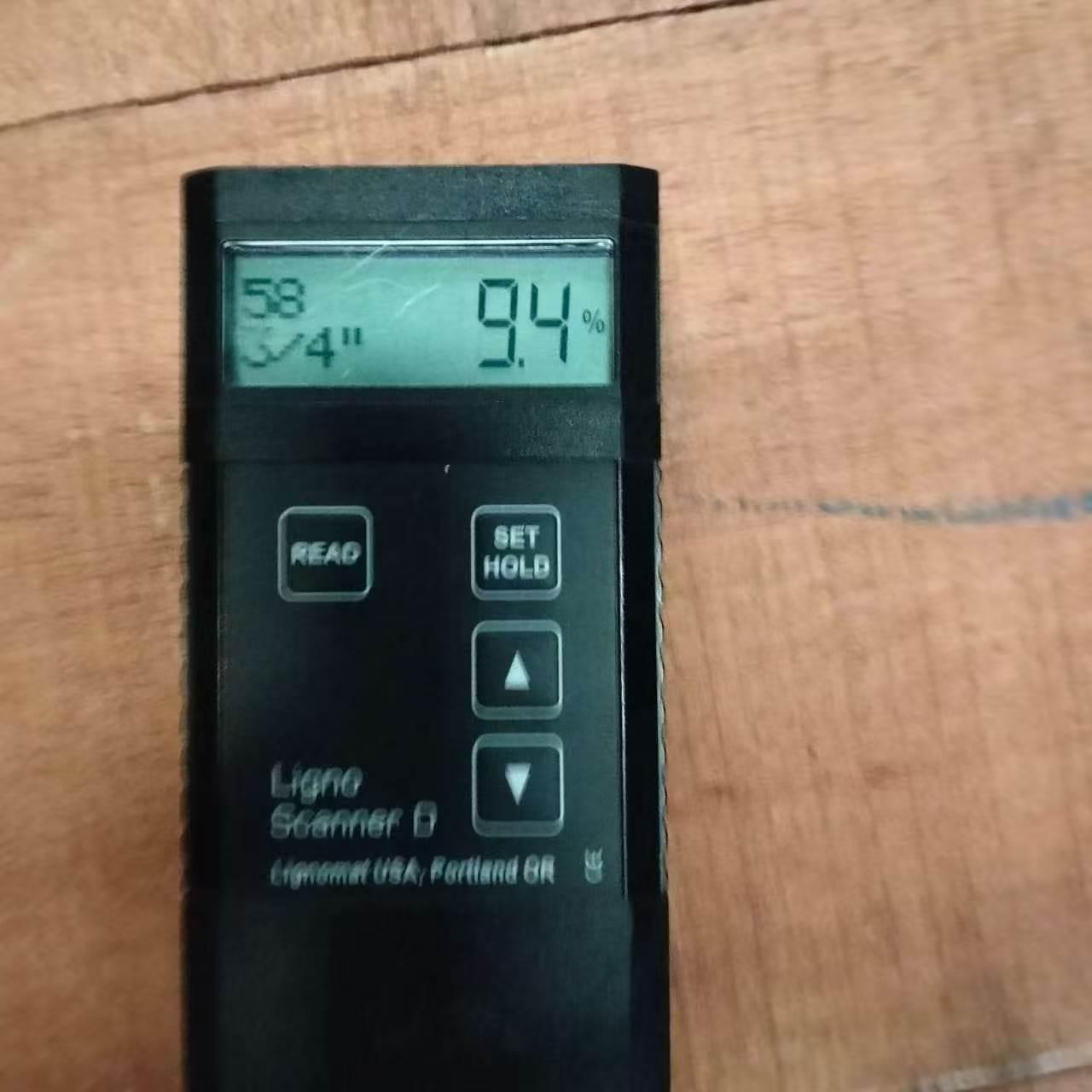
Moisture content plays an important role in the stability and performance of hardwood.
Air-dried (AD) and kiln-dried (KD) timber are suitable for different applications, and the required moisture level depends on the intended use and destination environment.
The Risk
Timber with unsuitable moisture content may experience excessive shrinkage, warping, cracking, or dimensional changes after delivery.
Our Advice
Confirm the required moisture content before placing an order.
For many indoor applications, buyers may request kiln-dried timber with a moisture content of approximately 10–12%, depending on the wood species and application.
Ask your supplier about drying methods, moisture measurements, and quality-control procedures.
Timber grading is another area where misunderstandings can occur.
Terms such as FAS, First Grade, Select, and A/B Grade may be interpreted differently depending on the grading system, producing country, and supplier.
Even within the same species, timber can vary in appearance, color, grain, sapwood content, and natural defects.
The Risk
Buyers may receive timber with more knots, cracks, sapwood, discoloration, or other characteristics than expected.
Our Advice
Don't rely only on a general description such as "high quality" or "premium grade."
Clarify the exact grading requirements, acceptable defects, and quality expectations before confirming the order.
Request actual production photos or representative timber samples whenever possible.
One of the most expensive mistakes in timber importing is discovering a problem only after the container arrives.
Once the shipment has left the loading port, resolving quality disputes becomes more complicated.
The Risk
Incorrect dimensions, inconsistent grades, quantity shortages, unexpected timber appearance, or even discrepancies in the declared origin may only become apparent after delivery.
Our Advice
Before shipment, ask your supplier to provide:
·
Actual timber photos and videos
·
·
Detailed packing lists
·
·
Moisture content measurements, where required
·
·
Container-loading photos or videos
·
·
Relevant shipping and origin documentation
·
For additional assurance, consider arranging an independent pre-shipment inspection.
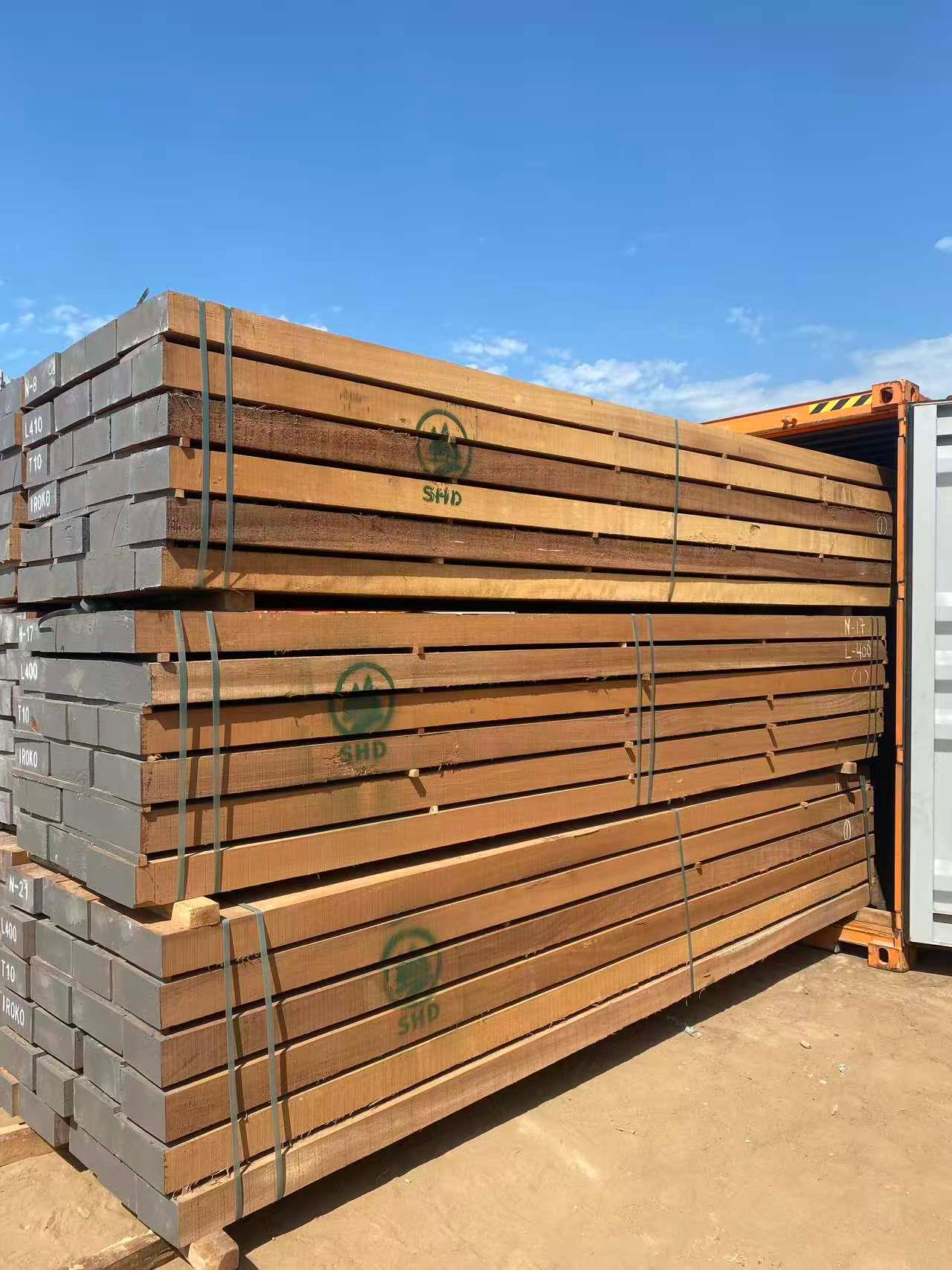
One experience shared by a timber buyer illustrates why these precautions are so important.
The buyer had previously worked with another timber supplier and trusted the existing business relationship.
They signed a contract for Iroko timber from Congo, expecting the material to match the quality and appearance shown in the supplier's earlier photos.
However, when the shipment finally arrived, the buyer discovered that the Iroko had actually come from Cameroon rather than Congo.
The timber's color and overall quality were also significantly different from what had been shown in the original photos.
Unfortunately, the buyer only discovered these discrepancies after receiving the goods.
One important reason was that, because they had worked with the supplier before, they had become less cautious about checking the shipment.
They had not carefully reviewed the relevant documents or requested actual container-loading photos before shipment.
By the time the problem was discovered, the timber had already reached its destination.
What Can Buyers Learn From This?
This experience highlights an important lesson: Trust is valuable in business, but verification is still essential — even with a familiar supplier.
Timber origin should never be assumed based on previous orders or product photos.
Iroko from different producing regions may vary in color, appearance, and other characteristics. However, quality should always be assessed against the agreed specifications, rather than assuming that timber from one country is inherently better than another.
Before shipment, buyers should verify the declared origin, review the relevant documents, and request recent photos or videos showing the actual timber being loaded.
A few additional checks before shipment can help prevent costly misunderstandings after arrival.
Importing African hardwood is not just about finding a competitive price. It's about knowing exactly what you're buying and making sure that what arrives matches what was agreed.
Clear specifications, transparent communication, and proper quality inspections can make a significant difference.
At SHD WOOD, we have over 16 years of experience in African hardwood sourcing and international timber trade.
We supply a wide range of African hardwood logs, sawn timber, and customized timber products, including Iroko, Sapelli, Okoume, Padouk, and many other species.
From timber sourcing and production to quality inspection and shipment coordination, we understand the importance of every step in the purchasing process.
Looking for a reliable African hardwood supplier?
Whether you're planning your next container or exploring new timber species, we'd be happy to discuss your requirements.
WhatsApp / WeChat / Call:
Anna Liu: +86 135 3420 5619
Vivian: +86 135 3089 5049
Website: www.shdtimber.com
SHD WOOD — Your Reliable Partner for African Hardwood Supply


