
Views: 0 Author: Site Editor Publish Time: 2026-09-24 Origin: Site


A practical guide for timber importers manufacturers and project buyers
Iroko is often introduced through a familiar list of qualities: durability, warm color and suitability for exterior work. Those points are useful, but they do not explain why two shipments sold under the same species name can perform very differently in a factory. For professional buyers, the more important discussion begins with recovery, moisture, dimensions and the intended finished product.
This is where Iroko earns its place in international hardwood trade. It gives importers and manufacturers several purchasing routes, including logs, air-dried sawn timber, kiln-dried boards, random-width lumber and fixed-width components. The right form depends on what the buyer plans to make and where processing should take place.

Iroko, commonly traded as an African hardwood, is used in markets that need a balance between appearance, strength, workable weight and service life. Freshly cut boards may show yellow or golden tones, while exposure and finishing usually deepen the heartwood toward brown. Natural variation is part of the material and should be considered when boards will be used together on a visible surface.
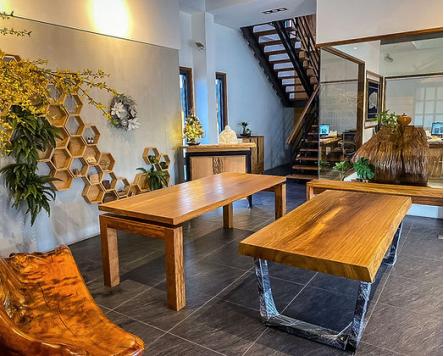
The species is commonly selected for doors, windows, stair parts, decking, outdoor furniture, interior joinery and other products where dimensional performance matters. Yet the final result depends on more than the species itself. Grain direction, sapwood allowance, drying practice, board thickness and machining tolerances all affect production.

A low price per cubic meter does not automatically create a low material cost. If boards require heavy edging, contain unsuitable widths or need additional drying, the buyer may pay less at the port but more in the factory. The useful comparison is the cost of recoverable material after trimming, drying and machining.
For example, a factory producing narrow components may obtain good value from shorter or narrower Iroko boards. A door manufacturer may need longer boards and a controlled width mix. A decking producer may prefer fixed-width blanks that reduce edging and simplify profiling. Each buyer is purchasing the same species, but not the same production solution.
Random-width boards give manufacturers flexibility to optimize cutting around natural defects and select the best layout for multiple products. They are practical for factories with strong sorting and ripping capacity. Fixed-width boards move part of that work upstream. They can improve planning and reduce handling when the finished component dimensions are already known.
Neither option is automatically better. The decision should follow the cutting list. When a buyer shares the required finished dimensions, machining allowance and acceptable length mix, the supplier can propose a specification that is closer to the actual production need.
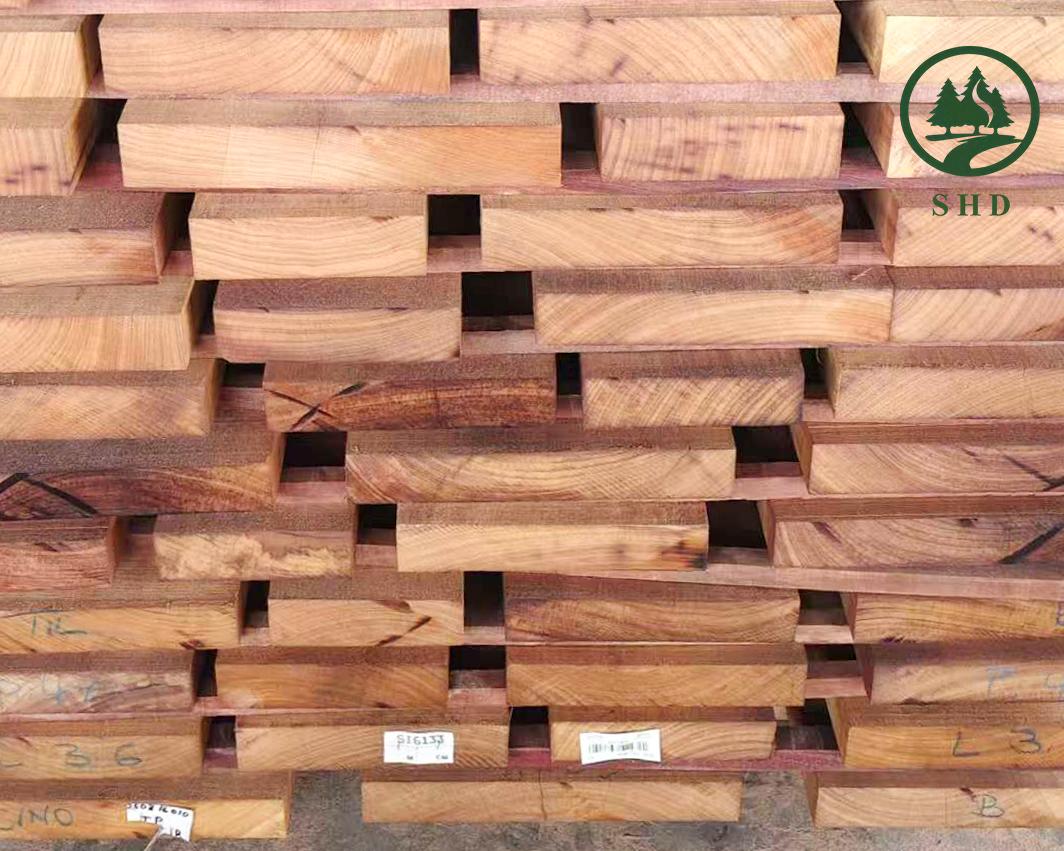

Air-dried Iroko can be suitable when the importer has its own drying capacity or plans further conditioning before precision machining. Kiln-dried Iroko is often preferred when the boards must move more quickly into controlled production. In both cases, the moisture target should match the destination climate, storage conditions and final application.
The letters AD or KD alone do not answer every question. Buyers should also confirm how moisture is checked, whether readings are taken from representative boards, how bundles are stacked and whether the timber will be stored for a long period before use. A clear moisture requirement reduces disputes and helps the factory plan conditioning time.

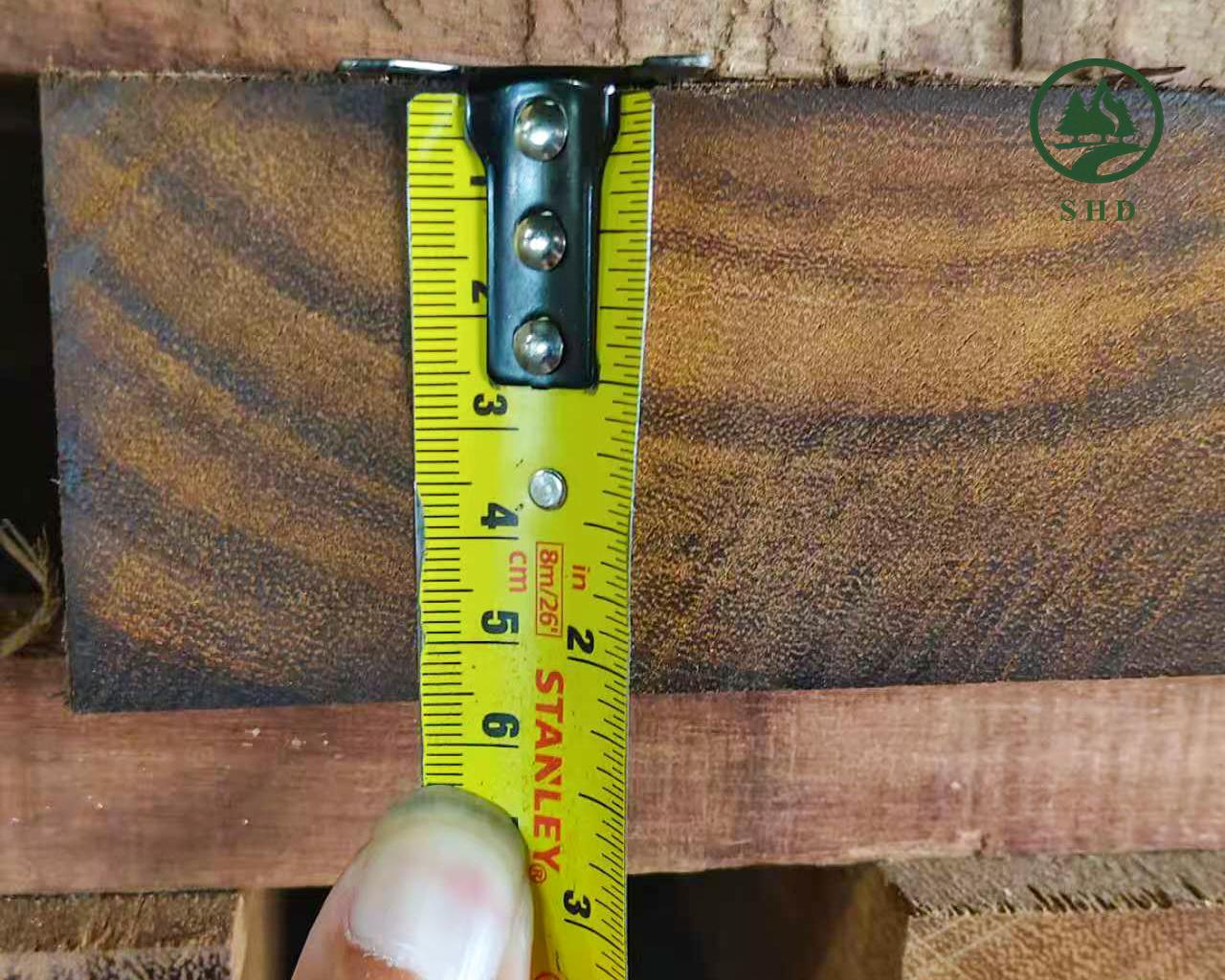
Iroko is traded in several thicknesses because thickness determines what can be recovered after drying and machining. A thinner board may suit flooring, panels or components. A thicker board offers more freedom for resawing, stair parts, frames and custom sections, but it also requires careful drying and longer processing time.
The commercial specification should distinguish nominal sawn thickness from the expected finished thickness. Machining allowance must cover saw variation, shrinkage and planing. A technically clear order therefore states the sawn size, tolerance, drying condition, width rule and length rule rather than relying on a single thickness number.
Purchasing point | What to confirm |
Product form | Logs, rough-sawn boards, random width, fixed width or processed components |
Drying | AD or KD, target moisture range and measurement method |
Dimensions | Sawn thickness, width rule, length mix, tolerance and machining allowance |
Quality | Grade basis, sapwood allowance, defect limits and color expectations |
Packing | Bundle method, separation, identification and protection during shipment |
Trade details | Quantity, destination port, required documents and shipment terms |
These details make quotations easier to compare. They also help the sawmill allocate logs, select boards and plan drying around a defined output instead of working from a broad description.

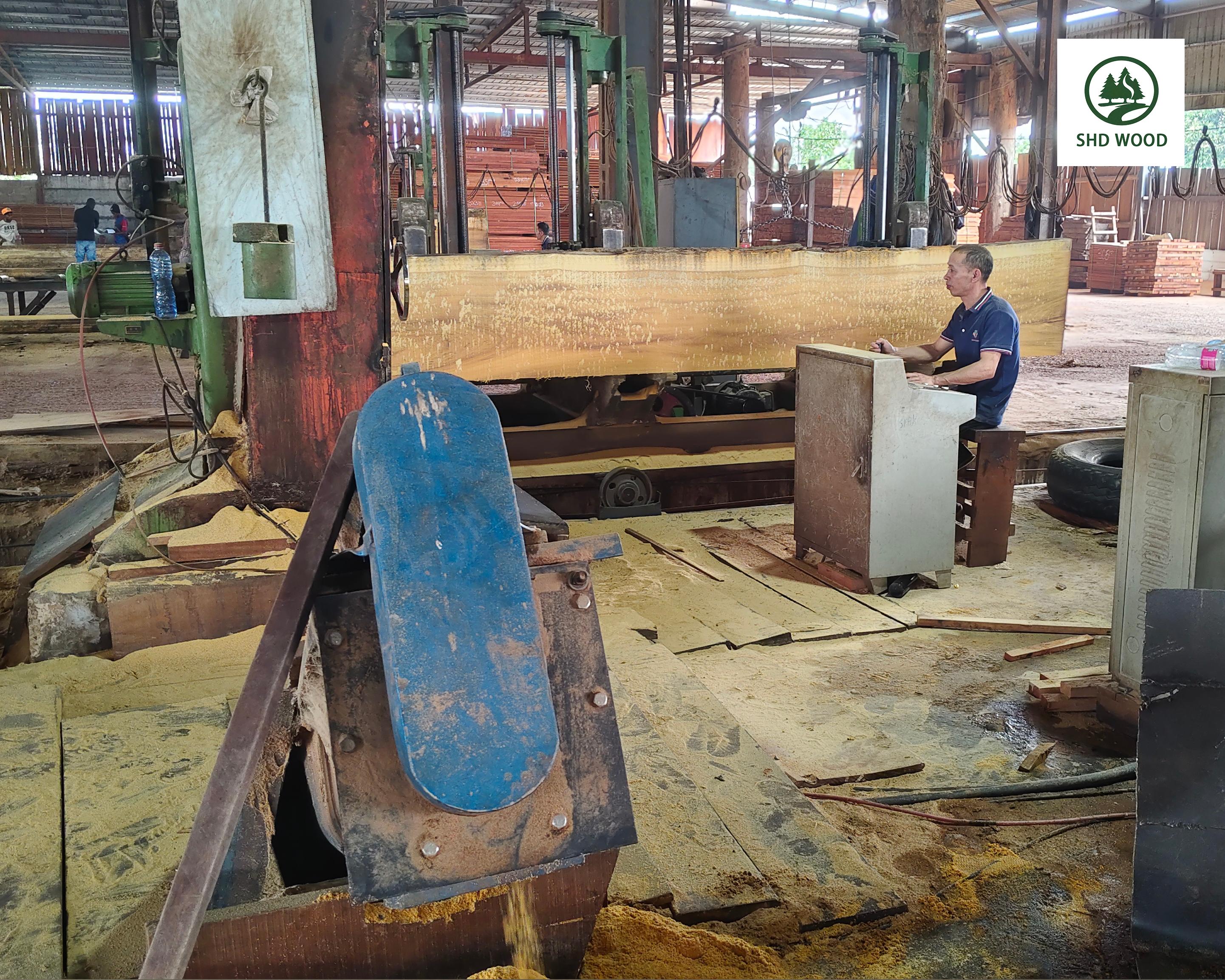
International Iroko supply connects forest operations, sawmills, drying facilities, inspectors, container yards and shipping lines. A specification that looks simple on paper must remain consistent across those steps. Practical communication is therefore as important as the initial quotation.
With more than 17 years in the international timber trade, SHD WOOD supplies African hardwood in logs, sawn timber and processed specifications. For Iroko inquiries, we review the buyer's application, dimensions, drying condition, quantity and destination before confirming the most suitable supply arrangement. This approach helps align the order with real production requirements.
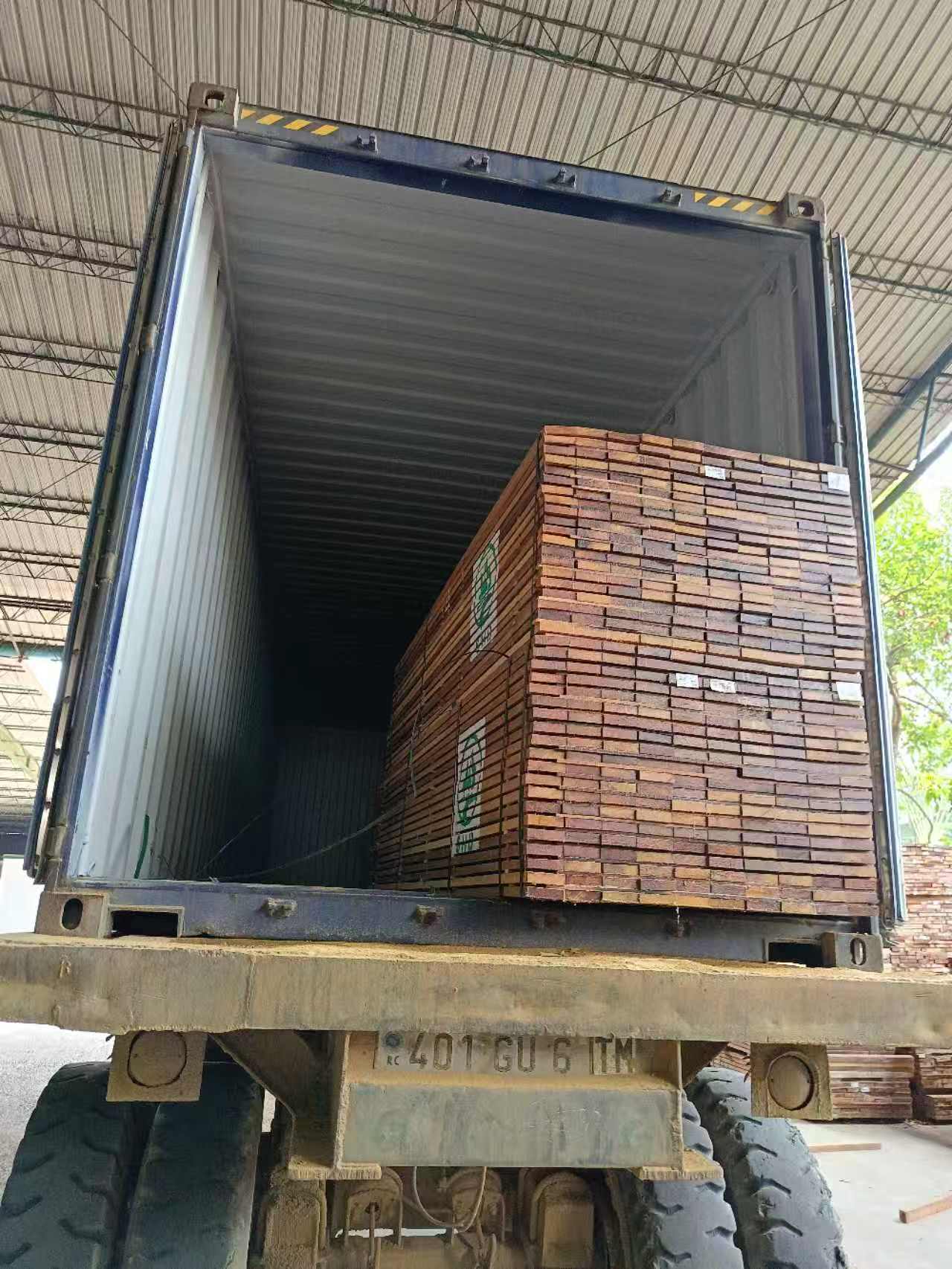

For an accurate proposal, please share the required thickness, width, length, AD or KD condition, quantity and destination port. Photos, packing details and available specifications can be provided for review.
WhatsApp / WeChat / Call
+86 13534205619 Anna Liu
+86 13530895049 Vivian
www.shdtimber.com


