
Views: 0 Author: Site Editor Publish Time: 2026-09-24 Origin: Site


Iroko is one of the best-known commercial hardwoods from tropical Africa.
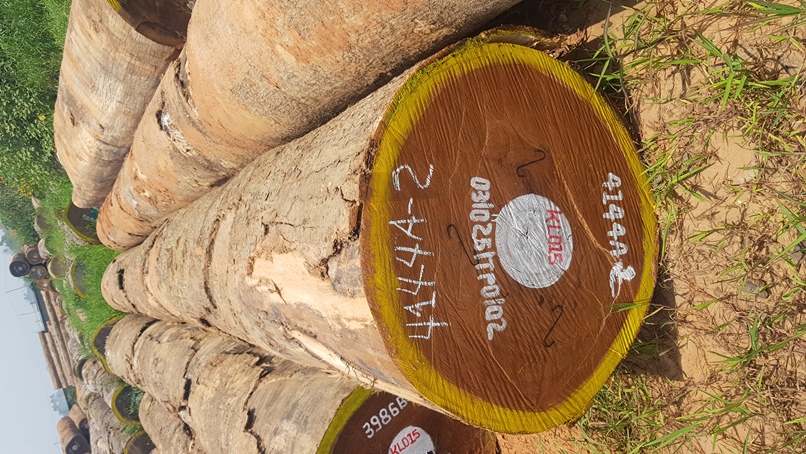
In the timber trade, the name generally refers to wood from Milicia excelsa and Milicia regia, members of the Moraceae family. It is also known by regional names such as Kambala and Odum. In China, Iroko is often marketed under names such as “African teak,” but it is not true teak (Tectona grandis).
That distinction matters. Iroko earned the comparison because it combines a warm appearance with good natural durability and broad usability, not because it belongs to the same botanical group as teak. For buyers, the more useful question is how the timber performs in real projects.
Freshly cut Iroko can be yellowish or golden brown. With exposure to light and air, the heartwood usually develops a deeper brown tone. The sapwood is much paler and clearly separated from the heartwood. Grain can be straight or interlocked, while the texture is generally medium to coarse. This natural variation is part of Iroko’s character and should be considered when matching boards for visible work.

Iroko is valued above all for durability and versatility. Industry references describe the heartwood as durable to very durable, with good resistance to decay and termites. Its air-dry density is commonly around 640-660 kg/m³, giving the timber a useful balance between strength and workability. Once properly dried, it also offers relatively good dimensional stability for joinery and construction applications.
The range of applications is one reason Iroko remains familiar to timber importers and manufacturers. It is commonly used for doors, windows, furniture, flooring, stairs, interior and exterior joinery, veneer, decking and boatbuilding. For manufacturers, this means one species can serve both decorative and practical requirements, provided the grade, moisture content and dimensions are selected for the intended end use.
Iroko can generally be sawn and machined with standard woodworking equipment, although interlocked grain may require careful planing and sharp tools for a clean surface. Like other hardwoods, drying should be controlled rather than rushed. Buyers sourcing KD material should confirm the target moisture content according to the destination climate and final application.

A useful Iroko specification should go beyond the species name. Thickness, width range, length distribution, grade, moisture condition (AD or KD), sapwood allowance and tally method can all affect whether a shipment fits the buyer’s production. Colour expectations are also worth discussing, especially for flooring, furniture or other projects where boards will be used side by side.
SHD Wood supplies African hardwood timber for international buyers, including Iroko logs and sawn timber from African origins. Available specifications vary by stock and production. For current sizes, packing lists, photos and quotation, buyers can contact Lisa directly.


