
Views: 222 Author: Loretta Publish Time: 2026-02-17 Origin: Site


Content Menu
● What Is Acajou d'Afrique Wood? (African Mahogany Overview)
>> Botanical Identity & Trade Names
>> Growth, Ecology & Seed Dispersal
● Color, Grain & Aesthetic Characteristics
>> Heartwood, Sapwood & Natural Aging
>> Grain Pattern, Texture & Figure
● Physical Properties: Density, Strength & Durability
>> Strength & Structural Performance
>> Dimensional Stability & Shrinkage
● Workability, Machining & Finishing
>> Sanding, Finishing & Coating
● Technical Properties of Acajou d'Afrique Wood
● Advantages of Acajou d'Afrique Wood
>> Key Benefits
>> When Acajou d'Afrique Is the Right Choice
● Limitations & How to Manage Them
>> Insect Resistance & Outdoor Use
>> Allergy & Health Considerations
>> Scarcity, CITES & IUCN Status
● Main Uses of Acajou d'Afrique Wood
>> Structural Components & Panels
>> Exterior Joinery & Marine‑Related Uses
>> Interior Joinery, Furniture & Cabinetry
● Acajou d'Afrique vs. Other African Hardwoods (Quick Comparison)
● Best Practices for Using Acajou d'Afrique Wood in Projects
>> 3. Protection & Maintenance
● Ethical & Sustainable Sourcing of Acajou d'Afrique
>> Compliance with CITES & Local Regulations
>> Forest Management & Community Engagement
● HONG KONG SENHEDA WOOD LIMITED – Reliable Supplier of Bulk Acajou d'Afrique Wood
>> Why Global Buyers Choose Us
● How to Source Acajou d'Afrique Wood from HONG KONG SENHEDA WOOD LIMITED
>> Step‑by‑Step Sourcing Process
● Call to Action: Contact Us for Bulk Acajou d'Afrique Wood
● FAQ About Acajou d'Afrique (African Mahogany)
>> 1. Is Acajou d'Afrique the same as genuine mahogany?
>> 2. Is Acajou d'Afrique suitable for outdoor use?
>> 3. How does Acajou d'Afrique perform in furniture manufacturing?
>> 4. What should I consider when finishing Acajou d'Afrique?
>> 5. Are there sustainability concerns when using Acajou d'Afrique?
Acajou d'Afrique wood, also known as African mahogany (Khaya anthotheca), is a premium tropical hardwood prized for its warm color, stable performance, and versatility in high‑end joinery and furniture projects. As global buyers increasingly demand traceable and sustainable hardwoods, Acajou d'Afrique has become a strategic choice for architects, furniture manufacturers, and importers worldwide.
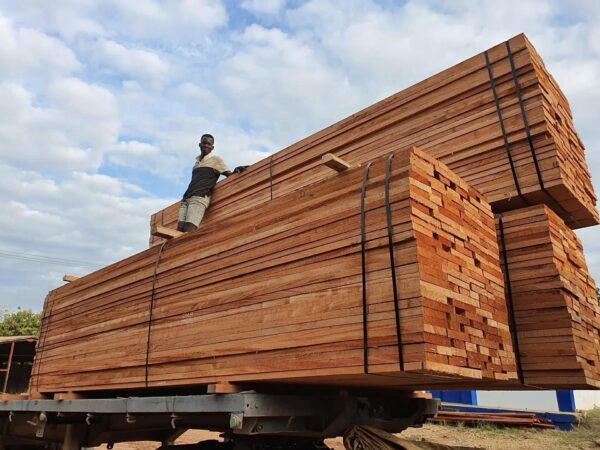
Acajou d'Afrique wood comes from large Khaya species in the Meliaceae family, native mainly to West and Central Africa's tropical rainforests. Mature trees can reach about 60 m in height with trunk diameters up to 1.5 m, producing long, straight logs suitable for sawn timber, veneer, and plywood. The tree prefers partial shade and is typically found in mixed stands rather than dense monocultures.
- Botanical name: Khaya anthotheca (often grouped with other African Khaya species in trade).
- Common trade names: African mahogany, Acajou d'Afrique, Khaya mahogany.
- Origin: Native to West and Central Africa, also cultivated in parts of Angola and other tropical regions.
Acajou d'Afrique grows in humid tropical climates and thrives in well‑drained soils with consistent rainfall. The winged seeds are dispersed by wind, usually occurring in seasonal peaks such as March–April or August–September depending on local climate.
For designers and furniture makers, the appearance of Acajou d'Afrique is one of its strongest selling points.
- Heartwood color: Pinkish‑brown to light reddish‑brown when freshly cut, often darkening to a deeper brown with age and finishing.
- Sapwood color: Pale creamy yellow to yellowish‑white, clearly differentiated from the heartwood, often used for veneer or secondary components.
- Aging behavior: The wood tends to develop richer tones over time, making it ideal for premium interior projects that must retain long‑term visual appeal.
- Grain: Straight to interlocked, sometimes producing attractive ribbon‑like figure on quartersawn surfaces.
- Texture: Medium to fine, often with a slightly greasy or smooth feel to the touch.
- Luster: Medium natural luster that finishes well with oil or clear coats.
For visual projects (e.g., branding pages or product catalogs), you can insert a grain close‑up image here to highlight the ribbon figure and color variation.
Acajou d'Afrique is a medium‑density hardwood that offers a balanced combination of workability, strength, and weight.
- Average dried weight: about 545 kg/m³ (33.9 lbs/ft⊃3;) at 12% moisture content.
- Basic specific gravity: around 0.46 to 0.54, placing it in the medium‑density range among commercial hardwoods.
This density makes the wood light enough for easier handling and transport while still performing well structurally.
Key mechanical properties of Acajou d'Afrique include:
- Janka hardness: 850 lbf (3,800 N) – sufficient for furniture, interior joinery, and moderate‑traffic flooring.
- Modulus of rupture: 11,730 lbf/in⊃2; (80.9 MPa) – indicating good bending strength for beams, frames, and panels.
- Elastic modulus: 1,410,000 lbf/in⊃2; (9.72 GPa) – providing adequate stiffness for load‑bearing applications.
- Crushing strength: 6,570 lbf/in⊃2; (45.3 MPa) – suitable for posts, columns, and structural components.
- Radial shrinkage: 3.4%
- Tangential shrinkage: 5.7%
- Volumetric shrinkage: 9.3%
- T/R ratio: 1.7
These values indicate good dimensional stability when the wood is correctly dried and conditioned, reducing risks of warping or checking in service. A small illustrative bar chart comparing radial vs. tangential shrinkage could be inserted here for visual clarity.
Acajou d'Afrique is generally considered an easy‑to‑work hardwood, especially attractive to manufacturers who need consistent machining results.
- The wood machines well with both hand and power tools thanks to its moderate density and fine texture.
- Interlocked grain may cause localized tear‑out when planing or surfacing, especially with dull knives or aggressive cutting angles.
- Carbide‑tipped tools and reduced cutting angles help minimize tear‑out on figured stock.
- Gluing performance is generally good with standard wood adhesives, provided surfaces are clean and properly prepared.
- Nailing and screwing are straightforward, but the wood can sometimes react with iron fasteners, leading to rust stains on the surface in moist conditions.
- Use stainless steel or coated fasteners for exterior or high‑humidity applications to prevent staining.
- Sands to a smooth surface with standard grits; the natural luster enhances transparent finishes.
- Accepts oils, varnishes, and modern polyurethane or water‑based finishes very well, highlighting the ribbon figure on quartersawn boards.
- Staining is possible but should be tested first, as the wood can occasionally show uneven absorption.
Technical Property | Value |
Average dried weight | 33.9 lbs/ft⊃3; (545 kg/m³) |
Specific gravity (basic, 12% MC) | 0.46 – 0.54 |
Janka hardness | 850 lbf (3,800 N) |
Modulus of rupture | 11,730 lbf/in⊃2; (80.9 MPa) |
Elastic modulus | 1,410,000 lbf/in⊃2; (9.72 GPa) |
Crushing strength | 6,570 lbf/in⊃2; (45.3 MPa) |
Shrinkage (radial) | 3.40% |
Shrinkage (tangential) | 5.70% |
Shrinkage (volumetric) | 9.3% (T/R ratio 1.7) |
A simple technical comparison chart can be added here (e.g., Acajou d'Afrique vs. other African hardwoods) to support specifiers and engineers.
Acajou d'Afrique offers a combination of aesthetic appeal, performance, and cost that makes it highly competitive in global markets.
- Aesthetic value: Heartwood ranges from pale pink to deep brown with occasional reddish streaks, and quartersawn boards show a distinctive ribbon figure that designers highly value.
- Good workability: Medium texture, moderate density, and stable structure make machining, shaping, and finishing straightforward for modern factories.
- Moderate durability: Suitable for both interior and selected exterior uses when properly treated and maintained.
- Competitive cost: Generally moderately priced among imported hardwoods, offering an attractive balance of quality and value.
- When architects need a mahogany‑like appearance with stable supply and competitive pricing.
- When manufacturers require a hardwood that machines well and finishes to a high‑end look without excessive weight.
- When importers want a visually appealing species that can serve multiple segments: furniture, joinery, panels, and veneers.

No hardwood is perfect; understanding the limitations of Acajou d'Afrique helps specifiers manage risk and performance.
- Natural resistance to insects, including termites, is moderate to poor, especially in high‑risk tropical environments.
- For exterior use, it is strongly recommended to apply preservative treatments, use high‑quality coatings, and implement proper detailing to avoid moisture traps.
- Acajou d'Afrique has been linked to occasional allergic reactions, primarily skin and eye irritation in sensitive individuals working with dust or shavings.
- Good workshop ventilation, dust extraction, and personal protective equipment (gloves, masks, goggles) are recommended for production environments.
- African Khaya species, including Acajou d'Afrique, are listed in CITES Appendix II, which regulates international trade to prevent over‑exploitation.
- Many major African Khaya mahoganies are listed as vulnerable on the IUCN Red List, highlighting the need for responsible sourcing and forest management.
A small infographic or icon‑based visual explaining “CITES Appendix II – what it means for buyers” could be inserted here.
Because of its attractive appearance and balanced technical performance, Acajou d'Afrique is used across a wide range of industries.
- Beams, columns, and framing where moderate structural strength and visual quality are required.
- Wall panels, interior cladding, and ceilings in commercial, residential, and hospitality projects.
- Windows, doors, shutters, and façade cladding where natural durability plus protective coating systems are specified.
- Selected shipbuilding and exterior joinery components, provided appropriate preservative and coating systems are used.
- High‑end furniture frames, table tops, chair parts, and decorative elements.
- Staircases, handrails, moldings, and other architectural details that benefit from the wood's warm mahogany‑like appearance.
- Veneer and plywood for furniture fronts, wall panels, and decorative surfaces.
Wood Species | Approx. density | Appearance | Workability | Typical uses |
Acajou d'Afrique (African mahogany) | ~545 kg/m³ | Pinkish to reddish-brown, ribbon figure on quartersawn | Good; some tear-out with interlocked grain | Furniture, joinery, panels, veneer |
Padauk (Takula) | Higher density (heavier) | Vivid orange-red to dark red | Good but harder on tools | Flooring, heavy furniture, decorative elements |
Iroko | Medium-high density | Golden-brown to medium brown | Good; durable outdoors | Decking, exterior joinery, marine uses |
This comparison helps buyers quickly position Acajou d'Afrique among other popular African hardwoods when making sourcing decisions.
To maximize performance and lifespan, professionals should follow practical implementation steps when working with Acajou d'Afrique.
- Choose grades that match end use: clear or FAS‑type grades for visible furniture and joinery, lower grades for concealed or structural applications.
- Pay attention to grain direction and figure when specifying for high‑end panels or veneers.
- Ensure the wood is kiln‑dried to the target moisture content appropriate for the destination climate (usually 10–12% for interior use).
- Allow acclimatization at the project site to minimize movement after installation.
- For exterior projects, use preservative treatments plus high‑quality coating systems (e.g., exterior oils, UV‑resistant varnishes, or paint systems).
- Schedule regular inspections and maintenance (cleaning, re‑coating) to maintain aesthetics and durability over time.
A simple step‑by‑step flowchart or checklist graphic can be placed here to visualize the recommended workflow from selection to maintenance.
With CITES Appendix II listing and IUCN “vulnerable” status for many Khaya species, sustainable sourcing is critical for long‑term availability.
- Exporters and importers must ensure that all shipments are accompanied by valid CITES documentation where required.
- Working with reputable suppliers who understand local forestry laws and export regulations reduces the risk of non‑compliance.
- Responsible producers support sustainable forest management plans and traceability from forest to port.
- Collaboration with local communities, replanting initiatives, and restoration programs helps maintain forest health and long‑term supply.
As a professional global wood supplier, HONG KONG SENHEDA WOOD LIMITED can provide stable, bulk quantities of Acajou d'Afrique and other African hardwoods tailored to different markets. Our sourcing network covers key African production regions, enabling us to match species, grade, and specifications to the needs of importers, distributors, and manufacturers.
- Broad product range: We supply Acajou d'Afrique sawn timber, plywood, veneer and other African hardwoods such as Padauk, Mussivi, Doussie, Iroko and more for furniture, construction, and decorative applications.
- Consistent quality: Logs and lumber are carefully inspected, graded, and processed to minimize defects and wood waste, helping customers improve yield and reduce total cost.
- Cost efficiency: Optimized cutting, grading, and logistics allow buyers to save significantly on wastage and freight while maintaining high quality standards.
- Sustainability focus: We prioritize legally sourced and responsibly managed forest resources and cooperate with local partners who follow sustainable forestry practices.
To ensure a smooth purchasing process, we recommend following a clear sourcing workflow.
1. Define your requirements
- Species: Acajou d'Afrique (Khaya anthotheca).
- Product form: Sawn timber, veneer, plywood, or customized dimensions.
- Grade and moisture requirement.
2. Share project details
- Intended application (furniture, joinery, façade, marine, etc.).
- Target market and quality standards.
- Desired delivery schedule and port of destination.
3. Receive technical consultation & quotation
- Our team will recommend appropriate grades, dimensions, and packaging based on your project and budget.
- A detailed quotation including volume, specifications, and lead time will be provided.
4. Confirm order & logistics
- Once specifications are finalized, we arrange production, quality inspection, and shipment.
- Export documentation (including CITES where required) is prepared to support smooth customs clearance.
5. After‑sales support
- We stay in contact to evaluate performance in your production and help optimize future orders.
If you are looking for a reliable, long‑term supplier of Acajou d'Afrique wood for furniture, joinery, or construction projects, HONG KONG SENHEDA WOOD LIMITED is ready to support your business.
Contact us today to:
- Request updated price lists and available stock.
- Discuss custom dimensions, grades, and packaging.
- Plan stable, year‑round supply for your production lines.
Send us your detailed inquiry by email or through our website contact form, and our specialist team will respond with tailored solutions for your market.
Contact us to get more information!

Acajou d'Afrique (African mahogany) is not the same species as genuine South American mahogany, but it belongs to the same botanical family and offers a similar look and performance in many applications.
Yes, Acajou d'Afrique can be used outdoors for windows, doors, and cladding, but due to its moderate natural durability and insect resistance, it should be treated and protected with appropriate coatings and regular maintenance.
The wood's medium density, good machining behavior, and attractive appearance make it highly suitable for furniture frames, table tops, cabinets, and decorative panels.
Use sharp sanding sequences, test stains in advance, and select high‑quality oils, varnishes, or clear coats to enhance the natural color and ribbon figure, especially on quartersawn surfaces.
Because Khaya species are regulated under CITES Appendix II and listed as vulnerable on the IUCN Red List, buyers should work with reputable suppliers who provide legal, traceable, and responsibly sourced material.


