Views: 278 Author: SENHEDA WOOD Publish Time: 2026-07-10 Origin: Site
Content Menu
● What Is Red Sanders Wood? (Core Definition & Origin)
● Key Characteristics and Physical Properties
>> Color and Grain: Why Artisans Love It
>> Hardness, Density, and Durability
>> Signature Scent and Extracts
● Traditional and Modern Uses of Red Sanders
>> High‑End Furniture and Interior Decoration
>> Role in Traditional Medicine
● Illegal Exploitation: A Persistent Global Challenge
>> Economic Drivers Behind Illegal Logging
>> Environmental and Social Consequences
>> Regulatory and Conservation Responses
● Personal and Industry Expert Perspective: Why Responsible Timber Sourcing Matters
● Current Market Landscape: Data and Trends
● Practical Guidance for Buyers: How to Source Responsibly
● Red Sanders vs. African Luxury Hardwoods
● Discover Legal, Premium Timber Alternatives with HONG KONG SENHEDA WOOD LIMITED
● Frequently Asked Questions (FAQ)
Red sanders wood is one of the world's most iconic precious timbers—sitting at the intersection of culture, ecology, and high‑value trade—and today it is also a symbol of why responsible sourcing matters more than ever. [mordorintelligence]

Red sanders wood, also known as red sandalwood and scientifically named Pterocarpus santalinus, is a slow‑growing hardwood native almost exclusively to the dry deciduous forests of southern India. [mordorintelligence]
Mature trees typically reach 8–11 meters in height, with trunk diameters of 50–150 cm and a dense red heartwood that has made them famous in high‑end craft, medicine, and perfumery for centuries. [mordorintelligence]
Red sanders is so rare and sought‑after that historical black‑market prices have been reported between USD 1,000–3,000 per kilogram, making it one of the most valuable timbers ever traded. [mordorintelligence]
Because of this extreme value, the species is tightly regulated, associated with CITES controls and strict national forest laws in India, and often discussed alongside other high‑risk "rosewood" species in Asia. [mordorintelligence]
The heartwood of red sanders has a deep dark‑red coloration that can shift toward purple tones when exposed to air over time. [mordorintelligence]
Its fine, slightly twisted but uniform grain allows artisans to achieve smooth, highly polished surfaces with strong visual depth, which is ideal for luxury furniture, religious art, and decorative objects. [mordorintelligence]
As red sanders ages, its color tends to darken and become more prominent, adding a sense of patina and "antique" value that collectors particularly appreciate. [mordorintelligence]
This combination of rich color, tight grain, and natural sheen is why red sanders is frequently compared to the finest rosewoods used in traditional Asian and Middle Eastern craftsmanship. [mordorintelligence]
Red sanders wood has an impressive hardness of around 2,440 lbf (about 10,850 N), placing it among the more durable hardwoods used for structural and decorative applications. [mordorintelligence]
It offers strong bearing capacity, natural resistance to termites, and good performance under high humidity, making it suitable for fine furniture, flooring inserts, and high‑wear decorative elements. [mordorintelligence]
Because of its density, red sanders is not typically used for large‑scale construction, but for smaller, high‑value components where dimensional stability and longevity are crucial. [mordorintelligence]
Experienced woodworkers and timber traders value the wood's ability to hold sharp carved details, which directly impacts the visual quality of statues, religious items, and intricate furniture panels. [mordorintelligence]
One of the most distinctive traits of red sanders is its natural, gentle but long‑lasting fragrance. [mordorintelligence]
The wood and its essential oil release a warm, relaxing scent that can persist for decades, even after the wood is transformed into finished products. [mordorintelligence]
Perfumers and cosmetics brands use red sandalwood oil as a base note in complex fragrance compositions, leveraging its depth and persistence to anchor lighter aromatic compounds. [mordorintelligence]
This scent, combined with reputed anti‑inflammatory and soothing effects, also explains the wood's long history in traditional medicinal and wellness applications. [mordorintelligence]
Because of its unique visual character, red sanders is widely associated with luxury interior items rather than everyday commodity furniture. [mordorintelligence]
Artisans use it for tables, cabinets, bed components, and carved decorative panels where a deep red tone and intricate carved surfaces are part of the design language. [mordorintelligence]
The wood's hardness and ability to hold fine detail also make it a preferred material for Buddha statues, religious artifacts, and ceremonial objects in parts of Asia. [mordorintelligence]
When combined with other timbers or inlays, red sanders can serve as a focal accent that immediately signals exclusivity and cultural heritage. [mordorintelligence]
In the Ayurvedic tradition and other forms of Oriental medicine, red sanders has been used in powdered, extract, and oil forms for centuries. [mordorintelligence]
Traditional practitioners attribute nerve‑calming, stress‑reducing, and skin‑soothing properties to red sandalwood preparations, especially for inflammatory and itchy skin conditions. [mordorintelligence]
It is also mentioned as supporting digestion, cooling the body, and easing respiratory discomfort such as coughs and throat irritation, often through topical or aromatherapeutic applications. [mordorintelligence]
Modern clinical evidence remains limited, so red sanders should be viewed as a traditional remedy rather than a substitute for regulated medical treatments. [mordorintelligence]
In contemporary fragrance design, red sandalwood oil functions as a deep, woody base note that supports floral, citrus, and spicy accords. [mordorintelligence]
Its ability to extend the perceived duration of a perfume on skin has made it a staple reference material in niche and high‑end perfumery. [mordorintelligence]
Cosmetic brands also incorporate red sandalwood extracts into skin and hair formulations, referencing traditional claims of anti‑inflammatory, soothing, and moisturizing effects. [mordorintelligence]
Given regulatory and sustainability concerns, many companies now explore responsible sourcing or botanical alternatives to avoid contributing to illegal or unsustainable harvest. [mordorintelligence]
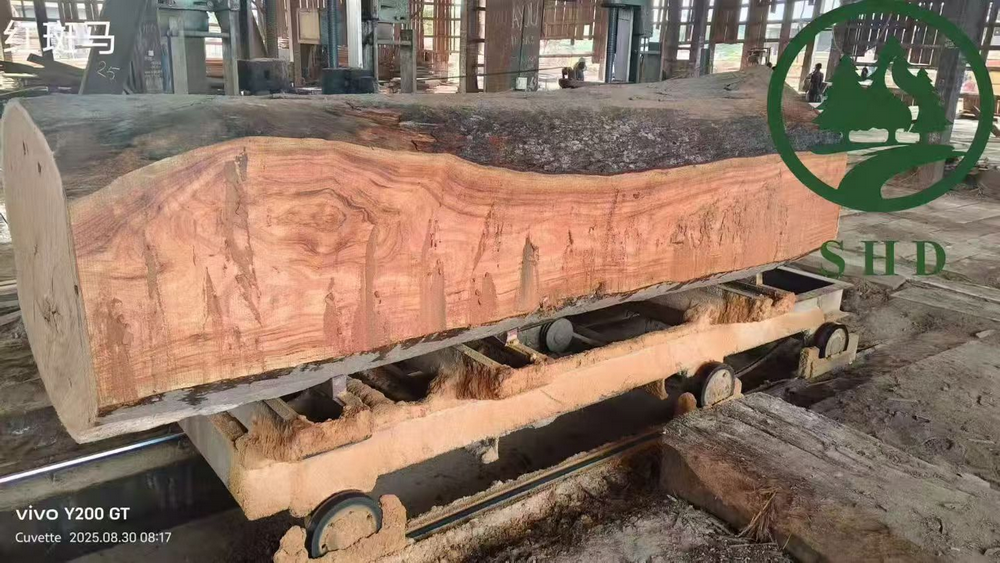
The combination of scarcity, cultural importance, and very high market value has made red sanders a target for organized criminal activity across source regions. [mordorintelligence]
In India, where most natural stands exist, the timber has been smuggled to meet demand in Asian and Middle Eastern markets, where red sandalwood items can signal wealth and status. [mordorintelligence]
Illegal operators exploit gaps in enforcement, complex forest boundaries, and long‑distance trade routes, creating transnational smuggling networks. [mordorintelligence]
These illicit flows distort prices, damage the reputation of legitimate timber suppliers, and make transparent, legal sourcing more difficult for serious buyers. [mordorintelligence]
Uncontrolled logging of red sanders contributes directly to the depletion of dry tropical forest cover in southern India. [mordorintelligence]
This loss of forest area undermines biodiversity, destroys habitat for rare plant and animal species, and disrupts local ecological balance. [mordorintelligence]
On a social level, communities that depend on forest resources face reduced livelihood options, increased vulnerability, and sometimes conflict linked to illegal trade networks. [mordorintelligence]
The long growth cycle of red sanders means that over‑harvesting can push the species toward local extinction, with long‑term cultural and ecological impacts. [mordorintelligence]
Governments and international organizations have responded with stricter forest protection laws, enhanced patrols, and heavier penalties for illegal harvesting and trade. [mordorintelligence]
In India, trading or cutting red sanders without proper permits can lead to severe fines and criminal prosecution, and export is heavily restricted or prohibited without CITES‑aligned documentation. [mordorintelligence]
At the same time, forestry agencies and research institutions are exploring controlled propagation, plantations, and alternative species to reduce pressure on wild stands. [mordorintelligence]
Awareness campaigns aim to educate buyers and end‑consumers about the impact of illegal logging and the importance of choosing legally sourced, certified timber. [mordorintelligence]
From the standpoint of a professional timber supplier with long‑term involvement in African hardwood markets, red sanders illustrates a broader lesson: rare species demand extra responsibility from every participant in the value chain. [shdtimber]
When I look at the trajectory of red sandalwood—from cultural symbol to endangered resource—it reinforces why we prioritize transparent supply chains, legal documentation, and diversified species portfolios in our own operations. [shdtimber]
HONG KONG SENHEDA WOOD LIMITED has spent more than 16 years deeply engaged in the African timber trade, managing approximately 4,000–8,000 tons of wood per month and exporting over 200 containers of timber to markets such as Vietnam. [linkedin]
That scale forces us to treat sustainability and compliance not as marketing slogans, but as day‑to‑day operational requirements: we work directly with partner sawmills, secure CITES permits when applicable, and maintain full export documentation including phytosanitary certificates and certificates of origin. [shdtimber]
In practical terms, this means advising buyers to consider alternative legal species—such as African rosewood, padauk, or other certified hardwoods—when red sanders is not available through fully compliant channels. [shdtimber]
By combining on‑the‑ground sourcing experience in Africa with up‑to‑date awareness of global regulatory trends, we help importers avoid the risks associated with illegal or unclear origin timber. [linkedin]
Recent industry analyses estimate that the global red sandalwood market could reach around USD 2.29 billion in 2026, with projected growth to approximately USD 3.54 billion by 2031 at a CAGR of about 9.08%. [mordorintelligence]
This growth is driven by continuing demand in luxury furniture, high‑end decorative arts, and niche medical and cosmetic applications, despite regulatory constraints. [mordorintelligence]
At the same time, timber markets in Asia are shifting. For example, Chinese demand for certain hardwood categories has declined sharply with the slowdown in real‑estate and furniture sectors, while Vietnam and other emerging manufacturing centers have expanded imports of legal timber. [shdtimber]
Timber exporters who once focused solely on China have diversified toward Vietnam and global markets, adapting to changes in consumption and regulation to safeguard their businesses. [linkedin]
For buyers interested in high‑value timbers like red sanders, this evolving landscape increases the importance of working with experienced partners who can navigate regulations, provide documentation, and suggest compliant alternatives when needed. [cn.linkedin]
To make sure your next project uses responsible timber and avoids legal or reputational problems, consider the following practical steps:
1. Verify legal origin and documentation.
Always request and check key documents such as CITES permits (for listed species), certificates of origin, and phytosanitary certificates. [shdtimber]
Make sure the exporter can explain the complete route from forest or yard to port, including any intermediate processors. [shdtimber]
2. Assess supplier experience and track record.
Work with companies that have many years of verifiable industry experience, stable supply networks, and visible presence in global markets. [shdtimber]
Long‑term operators are more likely to invest in compliance, quality control, and sustainable relationships with local partners. [shdtimber]
3. Consider species alternatives and design flexibility.
When regulations or conservation concerns limit access to a specific species such as red sanders, discuss alternative hardwoods that can deliver similar performance and aesthetics. [shdtimber]
African hardwoods like padauk, doussie, or zebrawood, for instance, can offer striking colors and durability with clearer legal pathways and more scalable supply. [cn.linkedin]
4. Align procurement with long‑term sustainability goals.
Treat timber sourcing as part of your brand's ESG strategy, not just a short‑term cost decision. [shdtimber]
Communicate openly with customers about the types of wood you use, why you chose them, and how you ensure legal and sustainable origin. [linkedin]
| Timber type | Main origin region | Typical use cases | Regulatory sensitivity |
|---|---|---|---|
| Red sanders wood | South India | Luxury furniture, statues, perfumes (mordorintelligence) | Very high (CITES, strict controls) (mordorintelligence) |
| African rosewood types | Central/West Africa | High‑end furniture, musical instruments (shdtimber) | High to medium (varies by species) (shdtimber) |
| Padauk & similar | Central Africa | Decorative panels, flooring, joinery (shdtimber) | Medium, often export‑regulated (shdtimber) |
| Mainstream hardwoods | Global (Asia, Africa, Americas) | General furniture, construction (shdtimber) | Medium to low, depending on origin (shdtimber) |
This simple comparison helps buyers understand that while red sanders remains culturally significant, there are African hardwood solutions that deliver comparable aesthetic and mechanical performance with more accessible, legal supply chains. [cn.linkedin]
If your goal is to create luxury wood products while staying aligned with sustainability and legal compliance, red sanders is only part of the story. [shdtimber]
As an experienced African hardwood supplier, we focus on supplying premium logs, sawn timber, square logs, and kiln‑dried wood for furniture manufacturing, construction, outdoor decking, flooring, and industrial applications worldwide. [shdtimber]
Our team operates through direct sourcing networks and partner sawmills across multiple African countries, enabling us to stabilize quality, control moisture content, and coordinate fast export delivery for global buyers. [shdtimber]
For importers who value compliance, we provide full export documentation, including CITES permits when necessary, phytosanitary certificates, certificates of origin, and customs clearance support to reduce regulatory risk. [shdtimber]
Whether you are exploring red sanders as a reference material or actively seeking alternative hardwoods with similar aesthetic and performance characteristics, we are ready to share practical, project‑level advice. [shdtimber]
If you are planning a new furniture, flooring, or decorative wood project and need reliable, legally sourced hardwood, contact our expert team at HONG KONG SENHEDA WOOD LIMITED to discuss tailored African timber solutions for your market. [linkedin]
Q1: Is it still legal to buy red sanders wood for furniture?
A1: In many jurisdictions, buying red sanders is tightly regulated or restricted; legal procurement generally requires documented origin and compliance with national laws and CITES rules, so buyers should consult experienced exporters and local authorities before making purchases. [mordorintelligence]
Q2: Why is red sanders so expensive compared with other hardwoods?
A2: Its high price reflects a combination of rarity, slow growth, cultural and religious importance, historical demand in luxury markets, and the cost and risk associated with regulated trade and past illegal exploitation. [mordorintelligence]
Q3: What are good alternatives to red sanders for luxury furniture?
A3: Depending on design and regulatory conditions, African rosewood types, padauk, and other certified African hardwoods can offer rich colors, strong durability, and striking grain patterns suitable for high‑end furniture and décor. [cn.linkedin]
Q4: How can importers avoid involvement in illegal timber trade?
A4: Importers should demand full documentation from suppliers, verify company track records, choose partners with direct sourcing networks and compliance expertise, and remain flexible about species choices when regulations limit availability. [shdtimber]
Q5: Does using African hardwoods help protect endangered species like red sanders?
A5: While each species and region is different, diversifying into legally sourced African hardwoods with robust management and documentation can reduce pressure on highly endangered species and support more sustainable global timber trade patterns. [shdtimber]
1. Mordor Intelligence – Red Sandalwood Market Size, Forecast 2031 Growth Report (industry data and CAGR) https://www.mordorintelligence.com/industry-reports/red-sandalwood-cultivation-marketing
2. K‑Timber – Illegal Exploitation of Red Sanders Wood (Red Sandalwood) (baseline article on characteristics, uses, and illegal exploitation) https://k-timbers.com/red-sanders-wood-discovering/
3. SHD WOOD / SENHEDA WOOD – African Hardwood Logs & Timber Supplier | Reliable Wood Exporter From Africa (company profile, documentation, and product range) https://www.shdtimber.com
4. SHD WOOD – The Situation of African Timber Exports in 2026 (market shifts and export context) https://www.shdtimber.com/the-situation-of-african-timber-exports-in-2026.html
5. SHD WOOD – Deeply Rooted in Global Markets: SENHEDA WOOD's Globally Adaptable African Hardwood Solutions (global market vision and product positioning) https://www.shdtimber.com/deeply-rooted-in-global-markets-senheda-wood-s-globally-adaptable-african-hardwood-solutions.html
6. LinkedIn – HONG KONG SENHEDA WOOD LIMITED company page (experience, species list, and locations) https://cn.linkedin.com/company/hong-kong-senheda-trade-limited
7. LinkedIn – Anna Liu profile – African Timber Supplier (monthly volume, container exports, market history) https://www.linkedin.com/in/anna-liu-aa9458303
8. SHD WOOD – Our Team (team information and company background) https://www.shdtimber.com/our-teams.html
9. LinkedIn – African Timber Exporter Adapts to Global Market Shifts (post on pivot from China to Vietnam and global markets) https://www.linkedin.com/posts/hong-kong-senheda-trade-limited_timbertrade-globalmarket-industryinsights-activity-74244652721426
10. SHD WOOD – African Timber Yard (contact details, experience, and documentation support) https://www.shdtimber.com/afircan-timber-yard.html


