Views: 234 Author: SENHEDA WOOD Publish Time: 2026-06-29 Origin: Site
Content Menu
● Why Timber Identification Matters In Global Trade
● Fundamental Ways To Identify Timber
>> 1. Color And Grain Pattern (The First Visual Clues)
>> 2. Solid Wood Versus Engineered Wood
>> 3. Weight And Hardness (Using The Janka Scale)
>> 4. Grain Pattern And Fiber Orientation
>> 5. Origin And Supply Chain Information
>> 6. Application, Smell, And Other Practical Indicators
● Advanced Timber Identification For Professional Buyers
>> Laboratory And Third-Party Verification
>> Digital Records And Traceability Systems
● African Timber Market Insights From The Field
● Practical Timber Identification Checklist For Buyers
● How A Dedicated African Wood Supplier Supports Identification
● Call To Action: Optimize Your Timber Sourcing With Expert Identification
● FAQ
Identifying timber accurately is no longer a "nice to have" skill – it is essential for quality control, cost optimization, and compliance with global sustainability standards. As a China-based African timber specialist with 16+ years of field experience and monthly handling volumes of roughly 4,000–8,000 tons of African wood, I will walk you through practical, real-world timber identification methods that buyers, manufacturers, and traders can apply immediately. [seoaucklandchap.co]

In today's timber market, hundreds of commercial species enter global supply chains, and many of them look deceptively similar at first glance. This makes timber identification challenging for non-experts and risky for procurement teams that rely only on visual inspection. [seoaucklandchap.co]
Accurate timber identification is critical because:
- It ensures the right wood species is used for each project's technical requirements.
- It reduces the risk of receiving mis-declared or mixed species shipments.
- It supports compliance with anti-deforestation and legality frameworks (such as EUDR-inspired regulations and African forestry codes). [shdtimber]
From our experience supplying African hardwoods to Vietnam and global partners, a small mistake at the identification stage can lead to structural failure, warranty disputes, or regulatory investigations later in the value chain. That is why we treat timber identification as a core quality-control process, not a mere visual check. [shdtimber]
Below are six foundational methods that professionals use to identify wood species, based on both lab standards and everyday trade practice. [seoaucklandchap.co]
No two wood pieces are identical, but species show recognizable patterns in natural color and grain structure. [seoaucklandchap.co]
Key points when using color and grain:
- Make sure the surface is not stained or painted; if needed, lightly sand a corner to reveal natural color. [seoaucklandchap.co]
- Softwoods typically show lighter color ranges and simpler grain, while many hardwoods appear darker with more complex grain. [seoaucklandchap.co]
- Species examples:
- Oak: deep brown hues with bold, open grain.
- Maple: light cream to pale yellow with smoother or irregular grain structures. [seoaucklandchap.co]
Even within African hardwoods, we see characteristic grain signatures that experienced buyers can recognize quickly, especially when comparing solid boards from multiple shipments side by side.
One of the most common mistakes at the purchasing stage is confusing solid timber with engineered or veneered boards. Solid wood typically offers superior durability and load-bearing performance, which is why it is preferred for structural and high-end applications. [seoaucklandchap.co]
To distinguish solid wood:
- Check the end grain; solid timber shows natural growth rings, while engineered boards may have no visible end grain or repetitive veneer patterns. [seoaucklandchap.co]
- Inspect fresh cut surfaces; they should clearly display growth rings and consistent cellular structure.
- Watch out for repeated grain patterns on large surfaces; these often indicate veneer over a composite core. [seoaucklandchap.co]
In our African timber exports, we routinely verify solid-wood integrity at the mill and port using end-grain checks before loading containers.
Weight and hardness provide a quantifiable way to separate species rather than relying solely on visual judgment. Harder woods are typically denser and heavier, so weighing and performing simple hardness tests can quickly filter options. [seoaucklandchap.co]
Practical steps:
- Measure average dry weight where possible, using sample boards.
- Refer to the Janka hardness rating for known species to compare expected hardness against test results. [seoaucklandchap.co]
- Use basic field checks such as:
- Chisel tests on inconspicuous areas.
- Fingernail tests along sharp edges to see whether a dent forms easily. [seoaucklandchap.co]
In trade environments, these simple tests provide valuable validation, especially when buying mixed lots or unfamiliar species from new suppliers.
Every species has a characteristic grain pattern, created by cell structure, fiber orientation, and growth conditions. [seoaucklandchap.co]
Typical distinctions:
- Hardwoods often show interlocked or complex grain, with thicker and deeper lines.
- Softwoods usually present smoother, more parallel grain. [seoaucklandchap.co]
- Example contrasts:
- Oak: pronounced, complex grain with strong variation and depth.
- Walnut: smoother, more consistent grain, with elegant, flowing lines. [seoaucklandchap.co]
For experienced buyers working with African hardwoods, grain pattern analysis is often combined with color, pore structure, and texture to narrow down species quickly in warehouses and factories.
Species identification becomes easier when you know where the timber was grown, processed, and traded. Origin data often indicates likely species groups and allows cross-checking with known export patterns. [shdtimber]
Useful origin-based clues:
- Country and region of harvest (for example, West African savannah species versus Central African rainforest species). [shdtimber]
- Local trade names and historical usage of specific woods in that region.
- Mill documentation and customs codes used in export declarations. [shdtimber]
We often combine shipment documentation, harvesting region data, and visual inspection to confirm species claims, especially for high-value African hardwoods destined for Vietnam and other Asian manufacturing hubs. [shdtimber]
Different species also show distinctive smell, machining behavior, and typical applications. These everyday observations can help confirm identification when paired with more formal methods. [seoaucklandchap.co]
Typical patterns:
- Many hardwoods are favored for outdoor applications, flooring, and high-load structures due to their durability. [seoaucklandchap.co]
- Softwoods frequently go into indoor joinery, non-structural furniture, and packaging where high strength is not essential. [seoaucklandchap.co]
- Species such as oak and maple are widely used for robust flooring, while pine and teak appear frequently in furniture and doors. [seoaucklandchap.co]
Over years of handling African timber, our teams have developed a strong "field sense" for species based on cutting resistance, aroma, and finishing behavior, which we always combine with documentation and hardness data.
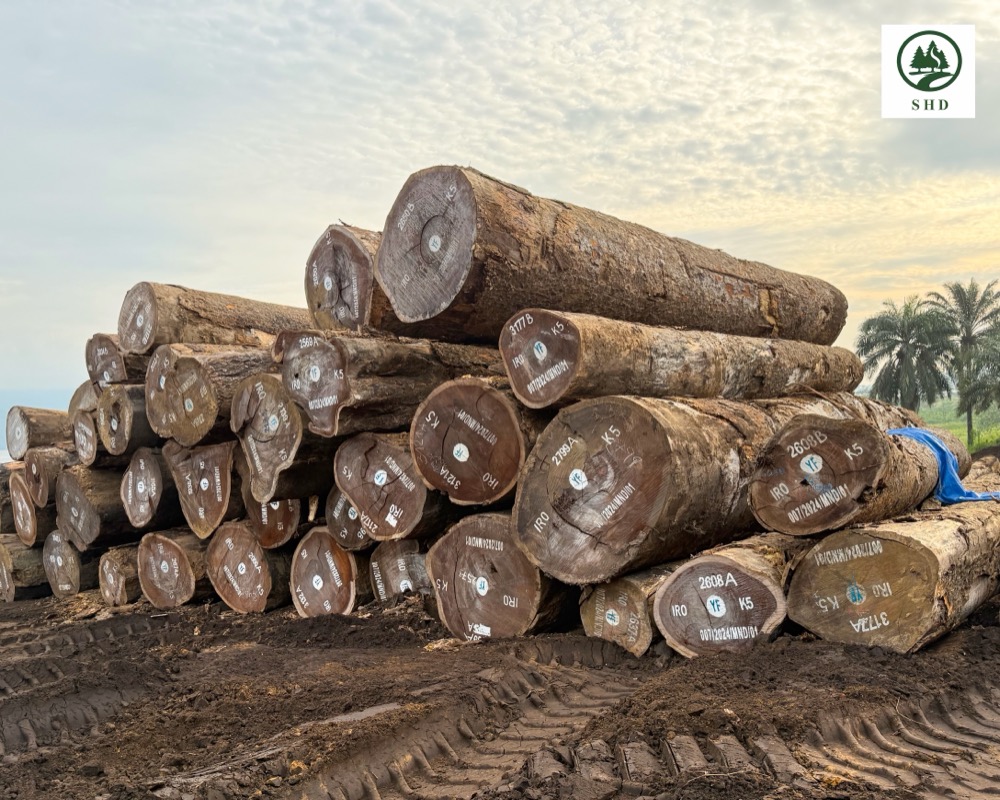
Beyond basic visual and weight checks, professional buyers and quality managers should use structured processes to reduce risk.
For high-value projects or large shipments, consider independent verification:
- Microscopic analysis of cell structure by wood labs.
- Chemical or isotopic testing to match geographic origin claims.
- Third-party certification or legality verification reports aligned with international frameworks. [developers.google]
These methods are particularly important when exporting to markets with strict environmental and legality requirements, such as the EU or North America. [shdtimber]
Modern timber trade increasingly relies on digital traceability, linking each batch to harvest, mill, and export records. [developers.google]
Best practices:
- Maintain a consistent batch ID system from forest to final customer.
- Store images, measurements, and test results for each lot in a central database.
- Use QR codes or barcodes on bundles to streamline inspection and audits.
Our long-term cooperation with African mills and ports has shown that traceable supply chains not only reduce compliance risk but also build trust with global buyers who demand transparent sourcing. [shdtimber]
Working deeply in the African timber sector for more than a decade, we have witnessed a fast-evolving landscape shaped by Chinese demand, sustainability pressure, and shifting regulations. [shdtimber]
Key insights that affect timber identification and sourcing:
- China has been a major importer of West African timbers, with certain species like rosewood recording billions of dollars in export value between 2017 and 2022. [shdtimber]
- Illegal logging and mis-declared species have driven stronger oversight and the need for reliable identification at every stage. [shdtimber]
- Regional initiatives, such as proposed forestry codes and improved traceability, aim to standardize species documentation and reduce illegal trade. [shdtimber]
For buyers in Vietnam, Asia, and beyond, working with experienced African wood suppliers who combine on-the-ground knowledge with rigorous identification procedures is now a strategic advantage rather than a luxury. [shdtimber]
To make timber identification more actionable, here is a concise checklist that purchasing teams can use during inspections.
| Step | What To Check | Why It Matters |
|---|---|---|
| 1 | Natural color (after light sanding) | Confirms base species family and exposes coating. (seoaucklandchap.co) |
| 2 | Grain pattern and end grain | Distinguishes solid wood from veneer or engineered boards. (seoaucklandchap.co) |
| 3 | Approximate weight and field hardness test | Validates against expected density and Janka hardness ranges. (seoaucklandchap.co) |
| 4 | Documentation and origin data | Aligns species claims with known regional exports. (seoaucklandchap.co) |
| 5 | Typical application and machining behavior | Cross-checks species based on performance in use. (seoaucklandchap.co) |
Using this table as part of a standard operating procedure helps both newcomers and experienced teams maintain consistent timber identification quality across multiple suppliers and regions.
As a long-standing professional timber supplier focused on African wood, we integrate identification into our daily operations to protect our partners' projects and brands. [shdtimber]
Our typical support for global buyers includes:
- Pre-shipment visual and hardness checks backed by experience with thousands of tons of African timber each month.
- Clear documentation of species, origin, and processing details for every container.
- Advisory input on species selection based on project requirements, budget, and market regulations.
This combination of practical field knowledge and systematic quality control ensures that clients can choose the right timber with confidence, whether they are sourcing for furniture, flooring, construction, or specialized industrial uses. [shdtimber]
Even with the best guides, some timber pieces remain difficult to identify due to age, weathering, or unusual species combinations. [seoaucklandchap.co]
If you encounter:
- Very old or reclaimed wood with faded color and worn grain.
- Mixed-species bundles from uncertain origins.
- Large-volume purchase decisions with high structural or regulatory impact.
It is wise to consult experienced suppliers or independent wood specialists who can combine laboratory tools, documentation review, and field expertise to give you a reliable answer. [shdtimber]
If you are planning a new timber project or need to source African wood at scale, ensure that identification, legality, and quality checks are built into your sourcing process from day one. [shdtimber]
A dedicated African timber partner with 16+ years of experience in the region, monthly volumes of thousands of tons, and a proven track record in global exports can help you:
- Choose species that match your technical and commercial goals.
- Avoid costly misidentification, structural failures, and compliance issues.
- Build long-term, sustainable supply chains aligned with global expectations. [shdtimber]
Consider making expert timber identification support a formal part of your procurement policy to protect your projects and enhance your brand's reputation in the market.

Q1: Why is timber identification so important in the African wood trade?
Timber identification helps prevent species mislabeling, supports legality and sustainability, and ensures that buyers receive wood suited to their project's technical requirements. [shdtimber]
Q2: Can visual inspection alone guarantee accurate species identification?
Visual inspection of color and grain provides useful clues, but combining it with weight, hardness tests, documentation, and expert input significantly improves accuracy. [seoaucklandchap.co]
Q3: How does the Janka hardness scale help in identification?
The Janka scale offers standardized hardness values that buyers can compare with field tests, helping differentiate species with similar appearance but different performance characteristics. [seoaucklandchap.co]
Q4: What role does origin documentation play in timber identification?
Origin data narrows likely species, links wood to regional export patterns, and supports compliance with anti-deforestation and legality regulations in destination markets. [shdtimber]
Q5: When should buyers seek third-party or laboratory verification?
Buyers should consider independent verification for high-value shipments, unfamiliar species, or markets with strict environmental and legality requirements to reduce risk and strengthen due diligence. [developers.google]
1. K-TIMBER. "Timber Identification Guide – 6 Easy Ways To Do It." [https://k-timbers.com/timber-identification-guide-6-easy-ways-to-do-it/] [seoaucklandchap.co]
2. SHD WOOD. "African Timber Market Trends: Insights From October 2025 Reports." [https://www.shdtimber.com/african-timber-market-trends-insights-from-october-2025-reports.html] [shdtimber]
3. Google Search Central. "Creating Helpful, Reliable, People-First Content." [https://developers.google.com/search/docs/fundamentals/creating-helpful-content] [developers.google]
4. Semrush. "Google E-E-A-T: What it is & how it affects SEO." [https://www.semrush.com/blog/eeat/] [semrush]
5. Eleven Writing. "How To Use Google's Guidelines To Improve Your Website's E-E-A-T." [https://www.elevenwriting.com/blog/how-to-use-googles-guidelines-to-improve-your-websites-e-e-a-t] [elevenwriting]


