Views: 222 Author: SENHEDA WOOD Publish Time: 2026-06-02 Origin: Site
Content Menu
● Intro: Why Wood Prices Keep Moving
● Current State of African Wood Prices
● Key Factors Behind Wood Price Fluctuations
>> 1. Supply and Demand Imbalances
>> 2. Limited Industrial & Logistics Infrastructure
>> 3. Climate Change, Wildfires, and Natural Disasters
>> 4. Trade Policies, Tariffs, and Regulation
>> 5. Financial Markets and "Emotional Trading"
● Expert View: How These Forces Interact
● Understanding the True Cost of Timber
>> Main Components of Wood Pricing
>> Why Certified Wood Sometimes Costs Less Over Time
● Practical Tips to Buy Wood at a Lower, More Stable Price
>> 1. Time Purchases Around Seasonal Demand
>> 2. Work With Reputable, High‑Volume Suppliers
>> 3. Build Long‑Term Contracts, Not One‑Off Deals
>> 4. Diversify Species and Grades
>> 5. Strengthen Your Forecasting and Communication
● Case Study: How a Stable African Timber Partner Helps
● How an Experienced African Wood Supplier Adds Value
● Action Steps for Buyers Facing Volatile Wood Prices
● Call to Action: Secure a More Stable Timber Supply
● Frequently Asked Questions (FAQ)
Wood prices fluctuate continuously because of a complex mix of global supply–demand cycles, logistics, policy, and climate risks—but with the right sourcing strategy, buyers can still secure stable, competitive pricing from experienced African timber suppliers. As a team with 16+ years focused on African wood, we see these price swings every day and help clients in Vietnam, China, and worldwide navigate them more confidently. [nspglobalservices]
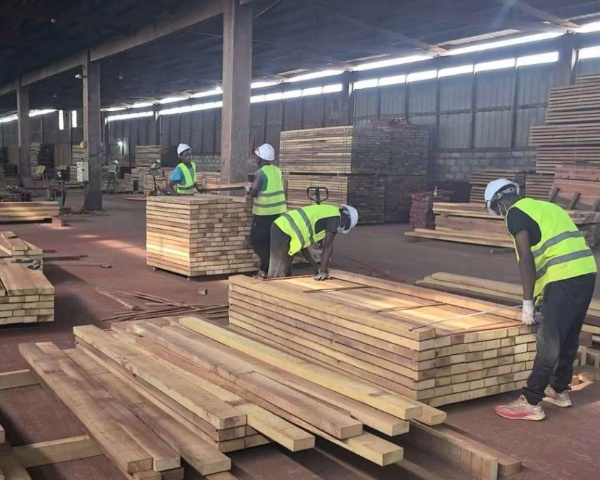
If you work with timber, you already know that wood prices never stay still for long. Since 2020, we have seen record peaks, sharp corrections, and an ongoing pattern of volatility across African hardwoods, softwood lumber, and engineered wood products. [coface]
As a Chinese-origin group with over 16 years' experience deep in the African timber trade, exporting 4,000–8,000 tons (m³) of wood every month and more than 200 containers of African timber to Vietnam alone, our team at HONG KONG SENHEDA WOOD LIMITED has lived through these cycles from the inside. In this guide, I will explain—both as an industry insider and a long‑term buyer—why wood prices fluctuate continuously and how smart sourcing can protect your margins. [cn.linkedin]
In recent years, African wood prices have reflected broader global instability: the pandemic, logistics disruption, climate events, and shifting trade policy. For example, in the US market, standard lumber climbed from about 400 USD/m³ in early 2020 to over 1,000 USD/m³ by May 2021, before gradually correcting through 2022–2023. [fastmarkets]
According to forestry and commodity price data, global timber indices fell roughly 14–15% between 2022 and 2024, then started to recover modestly in 2025, with about 1–2% year‑on‑year price growth in the first half of that year. African species such as Doussie and Sapele saw price ranges like 600–800 USD/m³ and around 550 USD/m³, respectively, reflecting this broader volatility. [nspglobalservices]
From our own operations and global market analysis, wood prices move mainly because of the following interacting drivers. [fastmarkets]
At the simplest level, wood is a globally traded commodity—when demand outruns supply, prices rise, and when demand cools, prices retreat. During the first 13 months of the Covid‑19 pandemic, housing and renovation booms pushed lumber prices from about 200 USD per 1,000 board feet to over 1,000 USD, adding more than 35,000 USD to the cost of some new homes in North America. [fastmarkets]
In African hardwoods, we see similar patterns:
- Growing construction and furniture demand in Asia and the Middle East tightens supply on key species like Iroko, Sapele, and Doussie. [coface]
- When large buyers pause or delay projects, inventories build up, and mills discount stock to keep cash flowing. [nspglobalservices]
The pandemic exposed how fragile timber logistics can be. Many sawmills either slowed or shut, while shortages of flatbed trucks, railcars, and containers made moving wood more expensive and less predictable. In several African producer countries, port congestion, inconsistent road infrastructure, and rising fuel costs still create bottlenecks that amplify price swings whenever demand spikes. [fastmarkets]
In North America alone, millions of acres of forest burned in 2021–2022, constraining supply and driving sudden price jumps in lumber. Similar risks exist for tropical and subtropical forests: storms, floods, and shifting rainfall patterns affect harvesting seasons, road access, and log quality. [coface]
Over time, higher temperatures also encourage pests and diseases that weaken forest stands and reduce usable yields, indirectly lifting the cost of high‑quality timber. This forces serious suppliers to invest more heavily in forest management and diversification of sourcing regions. [coface]
Government policies can move wood prices overnight. A well‑known example is the US imposing an average 20% tariff on Canadian softwood lumber in 2017, contributing to record US lumber prices in 2018. [nspglobalservices]
In the timber world today, buyers also need to track:
- Deforestation‑free regulations in markets such as the EU, which tighten compliance requirements and raise sourcing costs for non‑certified wood. [coface]
- Export restrictions or quota changes in African producer countries, which limit log exports or favor local processing. [coface]
Because lumber and some timber products are actively traded commodities, financial speculation can intensify normal cycles. During 2020–2021, investors who normally did not trade lumber entered the market, contributing to sharp up‑and‑down movements as sentiment swung from fear to optimism and back again. [fastmarkets]
When interest rates rise and housing demand cools, this same speculative activity can reverse, pushing prices down faster than underlying fundamentals alone would justify. [fastmarkets]
From an operator's perspective, no single factor explains wood price volatility—what matters is how they overlap in time. For example: [fastmarkets]
- A wildfire season that constrains North American supply
- Combined with high freight rates and port delays
- Plus a policy shift that restricts certain exports
…can produce short, intense price spikes even when global demand is only moderately strong. Understanding these interactions is why many of our long‑term clients treat African timber sourcing as a strategic supply chain issue, not just a spot‑price purchase. [anyonewood]
To manage volatility, buyers first need to understand what actually makes up the price of wood. [nspglobalservices]
A typical CIF (Cost, Insurance, Freight) price for African timber includes several layers: [nspglobalservices]
- Raw material cost: standing trees, concession fees, and stumpage rates. [nspglobalservices]
- Harvesting & processing: felling, skidding, sawing, kiln drying, grading, and waste handling. [coface]
- Certification & compliance: achieving and maintaining FSC/PEFC or similar certifications, plus legality documentation. [nspglobalservices]
- Logistics & freight: inland trucking, port handling, containerization, ocean freight, insurance, and sometimes congestion surcharges. [coface]
- Financing & risk: working capital costs, FX risk, and the premium for holding inventory during volatile periods. [coface]
Reputable suppliers can reduce some of these layers through scale, process optimization, and long‑term contracts, but none of them disappears entirely. [freelanceseoexpert]
On paper, certified wood from forests managed under FSC or similar schemes can be slightly more expensive per cubic meter. However, when you factor in lower quality risk, reduced probability of shipment holds, and access to higher‑value export markets, the total cost per usable unit often turns out lower for serious buyers. [nspglobalservices]
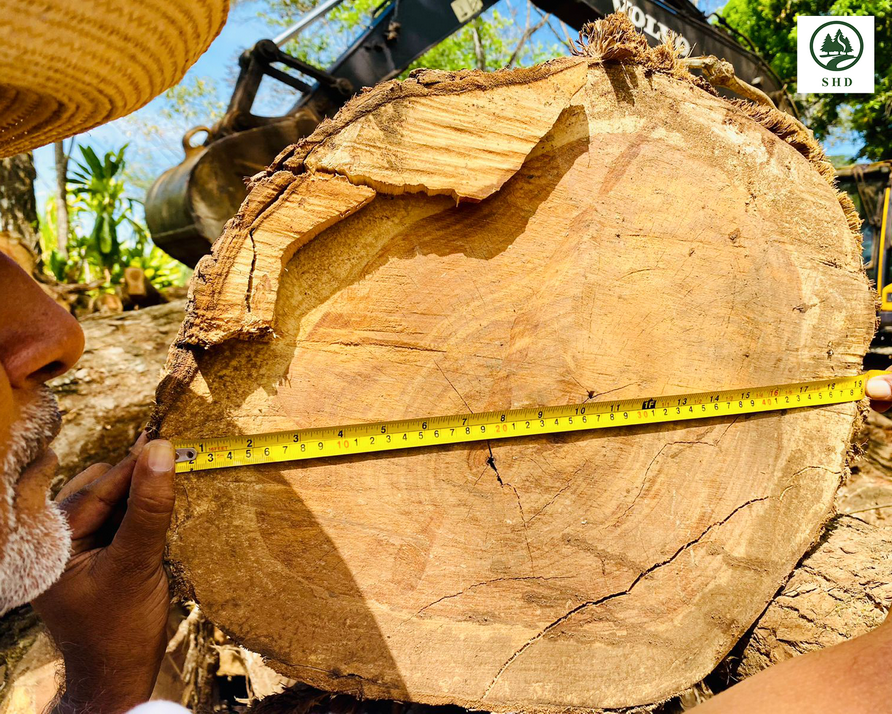
Based on both the original K‑TIMBER guidance and our own experience shipping thousands of tons from Africa each month, there are several proven ways for buyers to secure better, more predictable pricing. [freelanceseoexpert]
Wood markets, like many commodities, have high and low seasons. Data from international wood associations show that prices often soften at the end of the year or early in the new year, when fewer construction projects start and demand dips, sometimes 10–20% below the annual average. [nspglobalservices]
If your production schedule allows, aligning major purchases with these low‑demand windows can significantly improve your average landed cost. [coface]
A genuinely reputable supplier offers more than just a price quotation: they provide clear origin, consistent quality, and transparent pricing rules. High‑volume exporters also have leverage to negotiate better freight and raw material terms, sharing some of those savings with long‑term partners. [cn.linkedin]
Our own operations, for example, move 4,000–8,000 tons (≈4,000–8,000 m³) of African timber per month and over 200 containers to Vietnam, which allows us to: [shdtimber]
- Consolidate shipments from multiple African origins. [cn.linkedin]
- Optimize container loading for each species and thickness. [cn.linkedin]
- Negotiate beneficial freight contracts based on volume. [cn.linkedin]
In an environment of frequent price changes, annual or multi‑shipment contracts can smooth out peaks and troughs. Many of our most stable partners commit to: [freelanceseoexpert]
- A fixed monthly volume for key species.
- A formula‑based price tied to reference indices or cost structures.
- Joint planning for seasonal stock builds ahead of peak demand.
This approach allows both buyer and supplier to plan harvesting, production, and logistics more efficiently, resulting in better overall pricing than constant spot‑market negotiation. [freelanceseoexpert]
Another underused tactic is flexibility. When a buyer is open to alternative species or grades that still meet technical requirements, we can often propose: [anyonewood]
- Substituting similar‑performance African hardwoods when a popular species is tight. [nspglobalservices]
- Using a smart mix of prime and more economical grades across different parts of a project. [anyonewood]
By shifting some volume to less pressured species, you can often lower your average cost without sacrificing performance. [anyonewood]
From a UX perspective, many sourcing "crises" originate from poor forecasting and late communication, not just bad market luck. Sharing realistic 3–6 month demand forecasts with your supplier allows them to: [anyonewood]
- Reserve capacity at mills.
- Position inventory closer to your port.
- Lock in freight options earlier at better rates.
We see that clients who provide clear, early forecasts almost always enjoy more stable prices and fewer delays than those buying shipment by shipment at the last minute. [freelanceseoexpert]
To illustrate, consider a typical scenario we encounter in Vietnam and China. [shdtimber]
A furniture manufacturer relying on a single species and ad‑hoc purchasing was facing:
- Frequent price shocks when demand spiked.
- Stock‑outs that delayed export orders.
- High landed costs due to fragmented shipments.
By moving to a structured sourcing plan with an experienced African timber supplier, they: [cn.linkedin]
1. Locked in monthly container volumes of multiple African species instead of relying on one.
2. Agreed to a clear pricing formula and update schedule.
3. Built safety stock before peak export seasons.
Within one year, they reported more predictable costs, fewer production interruptions, and improved competitiveness in their target markets. [freelanceseoexpert]
With more than 16 years dedicated to African timber, our team understands that buyers care about more than just today's price. They care about: [shdtimber]
- Stable availability across seasons.
- Consistent grading and moisture content.
- Clear documentation for compliance and customs.
By combining on‑the‑ground African sourcing with a strong logistics network into Vietnam and other global markets, we aim to flatten the volatility curve for our partners. This involves proactive market updates, tailored species mixes, and flexible shipment planning aligned with your production schedule. [shdtimber]
If you are currently struggling with unstable wood pricing, here are practical steps you can act on immediately: [freelanceseoexpert]
1. Audit your current timber spend
- Map species, grades, and origins.
- Identify which items cause the most cost surprises.
2. Classify wood categories by risk
- High‑risk: volatile price, single source, long lead time.
- Medium‑risk: some substitutes available.
- Low‑risk: multiple suppliers, stable demand.
3. Prioritize strategic partnerships
- For high‑risk categories, explore long‑term contracts with experienced African suppliers able to guarantee volume and quality.
4. Align buying cycle with market seasonality
- Shift as much volume as possible into known low‑season windows to improve your annual average price. [nspglobalservices]
5. Improve internal forecasting and communication
- Involve procurement, production, sales, and finance in joint planning for wood demand and inventory. [anyonewood]
If you need reliable African timber supply at competitive, transparent pricing, supported by a partner with over 16 years of hands‑on experience and monthly exports of 4,000–8,000 tons, we invite you to start a conversation with our team. [shdtimber]
Share your target species, monthly volume, and destination port, and we will:
- Analyze your current risk exposure.
- Propose a multi‑species, multi‑shipment plan that fits your budget and production schedule.
- Help you navigate ongoing wood price fluctuations with clearer visibility and more control.

1. Why have wood prices been so volatile since 2020?
Wood prices have reacted to a unique combination of pandemic‑driven demand, mill closures, logistics bottlenecks, and climate‑related events affecting supply. As supply chains normalize, volatility has eased but remains above pre‑2020 levels in many markets. [fastmarkets]
2. Are African timber prices more stable than other regions?
African timber prices follow global trends but can be more stable when sourced through established, high‑volume suppliers with diversified concessions and strong logistics. However, they are still influenced by freight rates, trade policies, and demand from major importing regions. [cn.linkedin]
3. How can my factory secure better wood prices without compromising quality?
The most effective levers are timing purchases around low‑demand seasons, committing to long‑term volumes, and being flexible on species and grades within your technical requirements. Partnering with a reputable African timber supplier also reduces rejection rates and hidden costs. [cn.linkedin]
4. Does choosing certified wood always increase my cost?
Certified wood can carry a slightly higher unit price, but reduced risks of shipment delays, quality issues, and compliance problems often lower your total cost over the full project. In some cases, suppliers negotiate preferential rates for certified volumes, narrowing the gap further. [coface]
5. What information should I prepare before contacting a timber supplier?
To receive accurate pricing, prepare details on species, grades, dimensions, monthly volume, target incoterm, destination port, and required certifications. Sharing your approximate demand forecast for the next 3–6 months also helps suppliers design more efficient, stable supply plans. [freelanceseoexpert]
1. K‑TIMBER. "Why Wood Prices Fluctuate Continuously and Tips for 'Hunting' Cheap Wood."
<https://k-timbers.com/why-wood-prices-fluctuate-continuously/> [nspglobalservices]
2. Fastmarkets. "What Is Driving Price Volatility in the Wood Products Industry?"
<https://www.fastmarkets.com/insights/price-volatility-drivers-in-wood-products-industry/> [fastmarkets]
3. Coface. "Wood: Sector Risk Analysis and Economic Outlook."
<https://www.coface.com/news-economy-and-insights/business-risk-dashboard/sector-risk-files/wood> [coface]
4. Fastmarkets. "Lumber Prices: Five Predictions for the Housing and Wood Products Markets."
<https://www.fastmarkets.com/insights/lumber-prices-five-predictions-2025/> [fastmarkets]
5. HONG KONG SENHEDA WOOD LIMITED. Company and trade information.
<https://cn.linkedin.com/company/hong-kong-senheda-trade-limited> [cn.linkedin]
6. SHD Timber / Senheda. "Timber Importers News & Company Information."
<https://www.shdtimber.com/news/Timber-Importers.html> [shdtimber]
7. NSP Global Services. "Boost Your Lumber Company's Online Presence with SEO Services."
<https://www.nspglobalservices.com/industries/industrial-companies/lumber-companies/seo> [nspglobalservices]
8. The Wood Database / Anyonewood. "Content Marketing Trends 2024: Strategies for Digital Success."
<https://www.anyonewood.com/articles/content-marketing-trends-2024-strategies-for-digital-success/> [anyonewood]
9. Freelance SEO Expert UK. "Timber Supplier: 50% Organic Revenue Growth SEO Case Study."
<https://www.freelanceseoexpert.uk/seo-case-studies/timber-supplier/> [freelanceseoexpert]


