Views: 260 Author: SENHEDA WOOD Publish Time: 2026-07-07 Origin: Site
Content Menu
● Acacia vs Rubberwood: Quick Overview
● Origin and Supply Chain: From Forest to Factory
>> Where Acacia Wood Comes From
>> Where Rubberwood Comes From
● Physical Properties: Hardness, Density, and Durability
>> Durability and Moisture Resistance
● Aesthetic Profile: Color, Grain, and Design Flexibility
>> Rubberwood's Neutral Versatility
● Sustainability and Environmental Impact
>> How Sustainable Is Rubberwood?
● Typical Applications in Furniture and Manufacturing
● Expert Comparison Table: Acacia vs Rubberwood
● Sourcing Strategy for Global OEM/ODM Projects
>> Volume and Logistics Considerations
>> Risk Management and Market Cycles
● Practical Selection Guide: Acacia vs Rubberwood for Your Next Project
>> When Acacia Wood Is the Better Choice
>> When Rubberwood Is the Better Choice
● Expert Insight: Matching Woods to Brand Strategy
● How a Global Timber Partner Supports Your Acacia and Rubberwood Programs
● Clear Call to Action: Plan Your Next Acacia or Rubberwood Project
>> 1. Is acacia wood better than rubberwood for outdoor furniture?
>> 2. Which wood is more sustainable: acacia or rubberwood?
>> 3. Is acacia harder to work with than rubberwood?
>> 4. Can rubberwood be used for high end furniture?
>> 5. How should acacia and rubberwood be finished to maximize durability?
Acacia and rubberwood are both important sustainable hardwoods, but they serve very different roles in modern furniture and manufacturing supply chains. [atozwoodcompany]
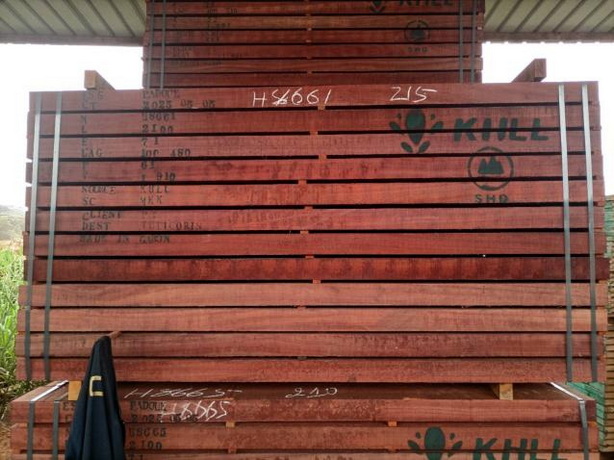
In this expert comparison, we'll evaluate acacia wood and rubberwood from a practical, B2B buyer's perspective, integrating on-the-ground experience from African timber sourcing and global furniture manufacturing. You'll see how these woods differ in appearance, performance, sustainability, pricing, and large volume sourcing, so you can select the right material for your next furniture, flooring, or OEM/ODM project. [cn.linkedin]
Acacia is a dense, durable hardwood used for premium furniture, flooring, and outdoor applications, prized for its rich grain and high mechanical strength. Rubberwood, a by product of latex plantations, is a light colored, medium density hardwood widely used for affordable indoor furniture and panel products. [cameroontimberexport]
- Acacia wood: High density, durable, premium aesthetic, suitable for indoor and outdoor furniture. [yywtimber]
- Rubberwood: Plantation by product, medium density, cost effective, mainly for indoor furniture and mass produced components. [atozwoodcompany]
Choosing between acacia vs rubberwood starts with understanding where each wood comes from and how it flows through global supply chains. [cameroontimberexport]
Acacia covers over 1,300 species, with commercial volumes coming mainly from Asia, Africa, and Australia. It is typically harvested as a naturally growing hardwood or from managed plantations, then exported as logs, sawn timber, and finished components for global furniture brands. [woodwiki]
From a timber exporter's perspective, acacia often moves in mixed hardwood shipments alongside other African species, with volumes measured in thousands of tons per month and consolidated in container loads to markets like Vietnam, China, and global destinations. [linkedin]
Rubberwood is the commercial name for Hevea brasiliensis, the same tree used for natural latex production in Southeast Asian plantations. After 20–25 years, when latex yield declines, the trees are felled and processed into lumber, panels, and furniture components instead of being discarded, giving rubberwood a unique "recycled plantation hardwood" identity. [atozwoodcompany]
For manufacturers, this means rubberwood supply is closely tied to plantation cycles and regional industrial infrastructure in countries like Vietnam, Thailand, and Malaysia, where OEM factories can secure steady volumes for indoor furniture programs. [cameroontimberexport]
From an engineer or product manager's perspective, hardness, density, and durability are critical when comparing acacia and rubberwood. [yywtimber]
- Acacia wood
- Density: typically around 600–900 kg/m³, classed as a dense hardwood. [shdtimber]
- Janka hardness: often above 2,300 lbf, making it harder than many common furniture species. [yywtimber]
- Rubberwood
- Density: around 560–650 kg/m³, in the medium density hardwood range. [atozwoodcompany]
- Janka hardness: roughly 900–1,000 lbf, adequate for indoor furniture but less robust than acacia. [cameroontimberexport]
In practice, this means acacia offers better resistance to dents, scratches, and heavy loads, while rubberwood is lighter and easier to machine for high volume production lines. [shdtimber]
Acacia contains natural oils and shows strong resistance to water, decay, and insect attack, making it suitable for outdoor furniture, flooring, and kitchen environments when properly finished. Rubberwood performs well indoors but is more vulnerable to moisture, warping, and biological attack without careful kiln drying and chemical treatment. [woodworkersinstitute]
For product managers, this translates to:
- Acacia: a long life option for high wear, high humidity, or outdoor use. [yywtimber]
- Rubberwood: best reserved for interior furniture, shelving, and small items where exposure to the elements is limited. [atozwoodcompany]
From a designer's viewpoint, the choice between acacia vs rubberwood is often about visual identity and brand positioning. [wayfair]
Acacia is known for:
- Color: golden brown to deep reddish hues that feel warm and luxurious. [kernigkrafts]
- Grain: varied, often wavy or interlocked, with dramatic patterns that stand out in high end furniture. [woodworkersinstitute]
This makes acacia ideal for statement pieces like dining tables, countertops, and branded collections that compete with oak or walnut in mid to premium price bands. [wayfair]
Rubberwood offers:
- Color: pale cream to light yellow, often compared to other light plantation woods. [cameroontimberexport]
- Grain: straight, uniform, and smooth, which takes paint, stain, and laminated finishes well. [atozwoodcompany]
Designers often use rubberwood when they need a neutral, paint ready substrate for mass market furniture ranges, modular shelving, or panel based interiors. [cameroontimberexport]
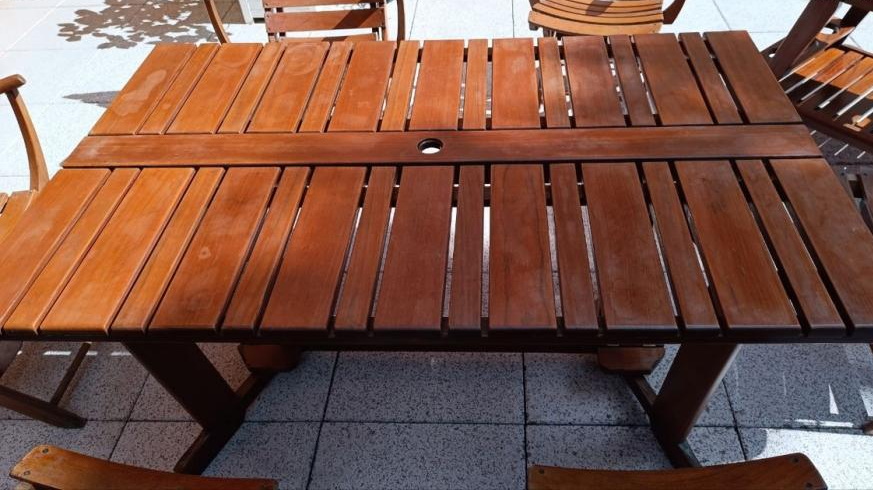
Today, buyers and brands must balance performance with sustainability credentials, and both acacia and rubberwood are strong contenders in this area. [simplyacacia]
Acacia's sustainability profile is based on:
- Fast growth and replanting potential in managed forests. [woodworkersinstitute]
- Selective harvesting and responsible forestry practices that maintain biodiversity. [shdtimber]
Many acacia products now carry third party certifications, reflecting controlled supply chains and traceability, which are increasingly important for B2B buyers and global brands. [simplyacacia]
Rubberwood is often described as one of the most sustainable commercial hardwoods because it is a secondary product of latex plantations. [atozwoodcompany]
Key sustainability points:
- Trees are used for timber only after their latex producing life ends. [cameroontimberexport]
- Lumber replaces what would otherwise be waste or fuel wood, reducing resource pressure on natural forests. [atozwoodcompany]
For brands building eco stories around circular use and plantation resources, rubberwood aligns well with sustainability marketing, especially in indoor furniture programs. [simplyacacia]
Understanding where acacia and rubberwood fit in product portfolios helps you align material choices with market segments. [shdtimber]
Acacia is commonly used for:
- Premium indoor furniture: dining tables, benches, cabinets. [wayfair]
- Outdoor furniture and decking, thanks to its moisture resistance. [kernigkrafts]
- Flooring and high wear surfaces. [woodworkersinstitute]
- Kitchenware, cutting boards, and solid countertops. [simplyacacia]
Rubberwood's main uses include:
- Indoor furniture frames, tabletops, and chairs. [cameroontimberexport]
- Panels, veneers, and cabinet parts for painted or laminated finishes. [atozwoodcompany]
- Wooden toys, small turned items, and kitchen accessories for cost sensitive markets. [cameroontimberexport]
| Factor | Acacia Wood | Rubberwood |
|---|---|---|
| Origin | Natural & plantation hardwood from Asia/Africa/Australia (atozwoodcompany) | Plantation by‑product from latex trees in Southeast Asia (atozwoodcompany) |
| Density | Approx. 600–900 kg/m³, dense hardwood feel (yywtimber) | Approx. 560–650 kg/m³, medium density (atozwoodcompany) |
| Hardness | Often above 2,300 lbf, very hard (yywtimber) | Around 900–1,000 lbf, moderate hardness (atozwoodcompany) |
| Durability | High resistance to wear, moisture, and insects (atozwoodcompany) | Moderate durability; mainly for indoor use (atozwoodcompany) |
| Appearance | Rich grain, golden to reddish‑brown tones (atozwoodcompany) | Light cream color, straight and uniform grain (atozwoodcompany) |
| Sustainability | Renewable species; responsible harvesting and certification available (atozwoodcompany) | Strong circularity story as a recycled plantation hardwood (atozwoodcompany) |
| Best Use Cases | Premium indoor/outdoor furniture, flooring, high‑wear surfaces (atozwoodcompany) | Affordable indoor furniture, panels, painted products (atozwoodcompany) |
| Cost Positioning | Slightly higher, premium‑leaning price point (atozwoodcompany) | More budget‑friendly for large‑scale manufacturing (atozwoodcompany) |
Beyond technical properties, acacia and rubberwood differ sharply in how global manufacturers and traders source and scale them. [shdtimber]
In practice:
- Acacia and other African hardwoods are often shipped in large bulk volumes, ranging from thousands of tons per month and multiple container loads to markets such as Vietnam for downstream processing. [cn.linkedin]
- Rubberwood supply is more regionally concentrated, tied to plantation hubs, and integrated with local milling and furniture clusters, making it ideal for short distance logistics between plantations and factories. [atozwoodcompany]
For buyers planning global OEM production, this means acacia is a strong candidate for diversified sourcing across multiple countries, while rubberwood is best leveraged where strong plantation infrastructure already exists. [linkedin]
Timber markets move in cycles influenced by construction demand, furniture exports, and regional economic shifts. [linkedin]
- African hardwood supply, including acacia, can be impacted by fluctuations in construction and real estate markets, prompting exporters to pivot between destination markets (for example, from domestic Chinese demand to Vietnamese and global buyers). [shdtimber]
- Rubberwood demand closely tracks global furniture and panel exports from Southeast Asia; plantation timber remains available, but pricing and capacity can shift with export orders. [cameroontimberexport]
Strategically, pairing acacia for premium or outdoor lines with rubberwood for indoor, budget conscious ranges can smooth risk and stabilize material costs over time. [yywtimber]
If you're a buyer, product manager, or brand owner deciding between acacia vs rubberwood, focus on three key dimensions: usage environment, brand positioning, and budget. [simplyacacia]
Choose acacia wood when:
1. You need high durability and long service life (e.g., outdoor sets, heavy use dining tables). [kernigkrafts]
2. Your brand positioning targets mid to premium segments with visible solid wood grain. [wayfair]
3. You require strong mechanical performance for flooring, countertops, or structural furniture. [shdtimber]
Choose rubberwood when:
1. Your products are indoor only, such as bedroom furniture, storage units, and kids' items. [atozwoodcompany]
2. You prioritize cost efficiency and smooth machining for high volume OEM runs. [cameroontimberexport]
3. You plan to paint or laminate surfaces, using rubberwood as a stable, light colored substrate. [atozwoodcompany]
From a strategic, brand level viewpoint, acacia and rubberwood support different stories in the market. [yywtimber]
- Acacia helps you communicate natural luxury, longevity, and craftsmanship, ideal for brands that underline solid wood authenticity and outdoor performance. [kernigkrafts]
- Rubberwood supports narratives around affordable sustainability and smart use of plantation resources, fitting brands that emphasize value, eco efficiency, and modern minimalist design. [simplyacacia]
By mapping these material stories to your target customers, you can build cleaner product tiers: acacia for flagship collections, rubberwood for accessibly priced ranges. [yywtimber]
For B2B buyers, consistent quality, documentation, and logistics are just as important as species choice. [facebook]
A seasoned timber partner with more than 15–17 years in African timber trade can:
- Coordinate large monthly volumes of hardwood, including acacia, and align specifications with your factory requirements. [cn.linkedin]
- Integrate supply to growing hubs such as Vietnam and other furniture exporting countries, helping you balance acacia and plantation species like rubberwood across different product lines. [shdtimber]
- Provide technical guidance on drying, grading, and finishing so that acacia's performance and rubberwood's cost advantages are fully realized in end products. [shdtimber]
For OEM and ODM brands, partnering early on material selection can prevent mismatch between design intent and wood behavior in real world conditions. [shdtimber]
If you're planning a new furniture collection, flooring line, or OEM program and still weighing acacia vs rubberwood, this is the ideal time to align your material strategy with market positioning.
You can:
- Define which product categories need acacia's durability and premium grain, and which are better served by rubberwood's cost efficient versatility. [simplyacacia]
- Map your sourcing needs to container level volumes, lead times, and destination markets so that material and logistics work seamlessly together. [cn.linkedin]
- Engage with a timber specialist who understands African hardwoods, plantation species, and global trade flows, and can support both technical consulting and long term supply. [facebook]
If you'd like expert input on matching acacia and rubberwood to your product roadmap, consider sharing your target markets, price bands, and usage environments with your timber partner and co designing a material mix that fits. [linkedin]
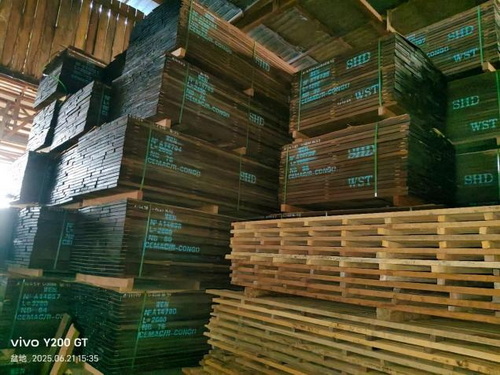
Yes. Acacia's higher density, natural oils, and strong resistance to moisture and decay make it better suited to outdoor furniture than rubberwood, which is primarily recommended for indoor use. [kernigkrafts]
Both have strong sustainability credentials, but rubberwood is often highlighted as a highly sustainable option because it repurposes trees after their latex producing life, while acacia relies on fast growth and responsible harvesting. [yywtimber]
Acacia's higher hardness and density mean it requires sharper tools and sometimes pre drilling, but it finishes beautifully; rubberwood is easier to cut, glue, and machine, which benefits high volume production. [shdtimber]
Rubberwood can be used for well designed indoor furniture, especially when painted or laminated, but acacia generally offers a more premium appearance and long term performance for flagship pieces. [wayfair]
Acacia benefits from oil, varnish, or polyurethane finishes that enhance its grain and protect against outdoor exposure, while rubberwood requires proper kiln drying and sealed finishes to minimize moisture related movement indoors. [kernigkrafts]
1. AtoZ Wood Company – "Acacia vs Rubberwood: Differences, Durability & Uses Explained" https://atozwoodcompany.com/acacia-vs-rubberwood/
2. SHD WOOD – "Acacia Wood: Properties, Characteristics, Uses, and Expert Tips for Buyers and Manufacturers" https://www.shdtimber.com/acacia-wood-properties-characteristics-uses-and-expert-tips-for-buyers-and-manufacturers.html
3. YYW Timber – "What Is Acacia Wood: Key Features and Properties" https://www.yywtimber.com/what-is-acacia-wood-features-properties/
4. WoodWiki – "Acacia Wood" https://www.woodwiki.org/guides/acacia-wood
5. Cameroon Timber Export – "Acacia vs. Rubberwood: What's Your Preference?" https://cameroontimberexport.com/acacia-vs-rubberwood/
6. SHD Timber – Company and African Timber Yard Information https://www.shdtimber.com/about-us.html https://www.shdtimber.com/afircan-timber-yard.html
7. LinkedIn – HONG KONG SENHEDA WOOD LIMITED Company Profile and Market Insights https://cn.linkedin.com/company/hong-kong-senheda-trade-limited https://www.linkedin.com/posts/hong-kong-senheda-trade-limited_timbertrade-globalmarket-industryinsights-activity-7424465272142621696-I5v9/
8. Simply Acacia – "Acacia vs. Rubberwood: Sourcing the Superior Sustainable Cutting Board for Your Global Brand" https://simplyacacia.com/resoucesblog/acacia-vs-rubberwood-sourcing-the-superior-sustainable-cutting-board-for-your-global-brand/
9. Wayfair Ideas – "What Is Acacia Wood & Why Is It So Special?" https://www.wayfair.com/sca/ideas-and-advice/guides/what-is-acacia-wood-why-is-it-so-special-T22418
10. Kernig Krafts – "Acacia Wood: All You Need To Know About This Beautiful, Durable Hardwood" https://kernigkrafts.com/blog/acacia-wood/
11. Woodworkers Institute – "Exploring Acacia Wood: History, Habitat & Uses" https://woodworkersinstitute.com/the-charms-of-acacia-wood-a-timeless-material-for-woodworking/


