Views: 222 Author: SENHEDA WOOD Publish Time: 2026-06-04 Origin: Site
Content Menu
● What Is Manufactured (Engineered) Wood?
● Manufactured Wood vs Solid Wood: Key Differences
>> Overview Table: Solid vs Manufactured Wood
● When Solid Wood Is the Better Choice
● When Manufactured Wood Is the Better Choice
● Expert Perspective: How African Solid Wood Compares
● Sustainability and Health Considerations
>> Solid Wood and Sustainability
>> Manufactured Wood, Emissions, and Resource Efficiency
● Practical Checklist: How to Choose for Your Project
● Call to Action: Talk to an African Timber Expert
● Frequently Asked Questions (FAQ)
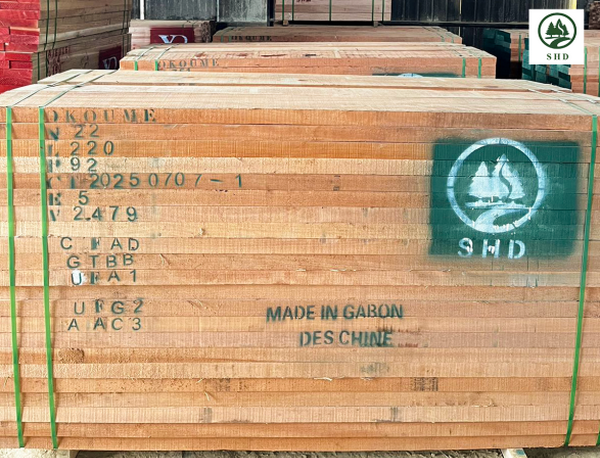
Manufactured wood and solid wood each have clear advantages, but the "better" choice depends on budget, durability expectations, design flexibility, sustainability goals, and the specific use case (furniture, flooring, or structural use). From the perspective of a team with 16+ years in African timber and global exports, solid wood remains the benchmark for long‑term value and natural beauty, while high‑quality manufactured wood is a smart solution for cost‑sensitive and design‑driven projects. [shdtimber]
In this expert guide, we will walk you through:
- What solid wood and manufactured (engineered) wood really are
- Key differences in durability, cost, sustainability, and user experience
- Real‑world recommendations from an African timber supply specialist
- Practical checklists so you can choose the right material for each project
Solid wood is lumber cut directly from logs and then sawn, kiln‑dried, and processed into boards, beams, or planks. Typical species used in furniture and construction include oak, maple, walnut, teak, and many African hardwoods such as iroko, sapelli, and doussié. [cn.linkedin]
Key characteristics of solid wood:
- Natural grain and unique character: Each board has its own grain pattern, color tone, and texture, giving furniture and interiors a premium, one‑of‑a‑kind look. [quercusliving.co]
- High structural strength: Good solid hardwood can bear heavy loads and withstand decades of use when correctly dried and processed. [warehaus]
- Repairable and refinishable: Scratches, dents, and surface damage can often be sanded and refinished, extending the life of the piece. [apkainterior]
From our perspective as a supplier handling 4,000–8,000 tons (CBM) of African timber every month and exporting over 200 containers to Vietnam, solid wood remains the preferred solution for high‑end furniture, joinery, and long‑life projects where stability and aesthetics matter. [shdtimber]
Manufactured wood, often called engineered wood or composite wood, is produced in factories by bonding wood fibers, particles, veneers, or thin boards with resins and adhesives. Common types include: [livspace]
- Plywood – multiple thin veneers glued with grains at right angles for strength
- MDF (Medium‑Density Fiberboard) – fine wood fibers bonded under high pressure
- HDF (High‑Density Fiberboard) – denser variant of MDF for flooring and heavy‑duty panels
- Particleboard / chipboard – wood chips and shavings pressed into boards
Manufactured wood products are often finished with laminates or natural wood veneers to mimic the appearance of solid wood at a lower cost. Because they are produced in standardized sizes and densities, they offer excellent dimensional consistency, which is particularly useful for modular furniture, cabinets, and built‑ins. [warehaus]
| Aspect | Solid Wood | Manufactured / Engineered Wood |
|---|---|---|
| Definition | Natural lumber cut directly from trees (livspace) | Boards made by binding wood fibers, particles, or veneers with resins (livspace) |
| Durability & lifespan | Very high; can last decades or longer if maintained (warehaus) | Moderate; often 3–20 years depending on product quality and usage (warehaus) |
| Structural strength | Excellent for load‑bearing and joinery (warehaus) | Adequate for most furniture and interiors; less ideal for heavy structural loads (livspace) |
| Moisture behavior | Can warp or move with humidity changes if not properly dried and installed (warehaus) | More dimensionally stable in many environments; some types are moisture‑resistant but can swell if water penetrates core (warehaus) |
| Aesthetics | Natural, unique grain; ages with a rich patina (quercusliving.co) | Uniform look; often relies on veneer or laminate to imitate real wood (livspace) |
| Repair & refinishing | Can be sanded, repaired, and refinished multiple times (quercusliving.co) | Difficult to repair; damage to laminate or veneer is usually permanent (quercusliving.co) |
| Cost | Higher upfront cost due to raw material and processing (warehaus) | Lower material cost and highly efficient use of wood resources (warehaus) |
| Sustainability | Highly sustainable when sourced from responsibly managed forests; long lifespan means fewer replacements (us.kebony) | Efficient use of wood waste; however, production can involve energy‑intensive processes and formaldehyde‑based resins (us.kebony) |
From a timber expert's perspective, solid wood is usually better when you care about longevity, repairability, and premium appearance. [quercusliving.co]
Choose solid wood if you:
- Want furniture that lasts 10–20+ years
High‑quality solid wood furniture, especially hardwoods, can serve multiple generations when properly maintained. [apkainterior]
- Need strong structural components
For staircases, load‑bearing beams, solid table legs, or heavy‑duty worktops, solid lumber provides superior strength and screw‑holding capacity. [warehaus]
- Value natural aesthetics and patina
Over time, solid wood develops a deeper color and character that engineered surfaces cannot fully replicate. [quercusliving.co]
In our work with manufacturers and distributors across Asia, Europe, and Africa, we see leading brands choose African hardwoods such as iroko, tali, and sapelli for flagship products because these species combine high density, rich color, and excellent machining and finishing properties. [cn.linkedin]
Manufactured wood shines when budgets are tight, design flexibility is key, or environmental conditions favor dimensional stability. [livspace]
Choose engineered wood if you:
1. Need cost‑effective furniture or built‑ins
- Modular cabinets, wardrobes, and office systems often use MDF or particleboard with laminate or veneer to control costs. [warehaus]
- For rental properties, student housing, or fast‑moving commercial fit‑outs, the lower upfront investment can be a smart trade‑off. [livspace]
2. Want large, flat surfaces with minimal movement
- Long shelves, wall panels, and built‑in cabinetry benefit from the dimensional stability of plywood and engineered boards. [livspace]
- In climates with strong humidity swings, engineered cores can reduce warping and gapping compared with wide solid boards, if edges are well sealed. [housebeautiful]
3. Prioritize lightweight or easy‑to‑install panels
- Prefabricated systems and flat‑pack furniture often rely on engineered boards for consistent thickness and easy machining. [livspace]
From our vantage point in the timber supply chain, we see many factories pairing solid African hardwood faces or edges with engineered cores to balance stability, cost, and aesthetics—especially for doors, tabletops, and decorative panels. [shdtimber]
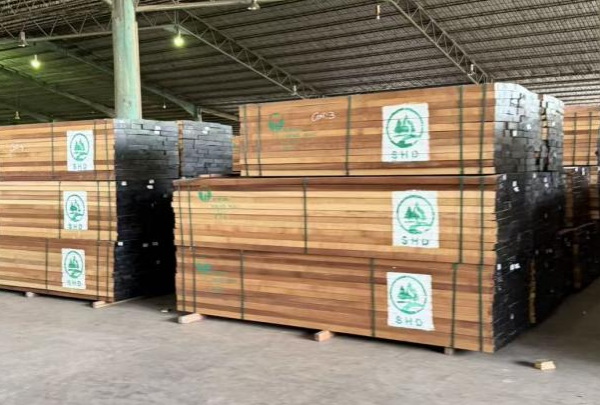
As HONG KONG SENHEDA WOOD LIMITED, we have built our business around high‑quality African hardwoods supplied consistently and responsibly to manufacturers worldwide. Our monthly throughput of 4,000–8,000 tons (CBM) of timber and 200+ containers exported to Vietnam gives us a unique, real‑world view of how solid wood performs over time in demanding markets. [shdtimber]
From that experience, a few expert observations:
- African hardwoods often outperform lower‑grade engineered wood in long‑term projects.
Customers producing high‑end doors, flooring, and furniture report fewer complaints and better brand reputation when using stable species like iroko and sapelli, compared with low‑density particleboard cores. [cn.linkedin]
- Hybrid solutions are increasingly popular.
Many factories now combine African hardwood veneers or solid edges with engineered cores, achieving a precise balance of cost control, stability, and premium appearance. [shdtimber]
- Sourcing and consistency matter as much as material type.
Even the best design can fail if moisture content, grading, and logistics are not managed by an experienced timber partner. [shdtimber]
Modern buyers increasingly ask not only "manufactured wood vs solid wood – which is better?" but also "which is more sustainable and healthier?" [us.kebony]
- When solid wood is sourced from certified and responsibly managed forests, it can be a very sustainable material because trees absorb carbon as they grow and wood products store that carbon for decades. [us.kebony]
- Certifications such as FSC and PEFC help buyers identify wood from forests with controlled logging, biodiversity protection, and social safeguards. [forests]
- The long lifespan of solid wood furniture reduces the need for frequent replacement, lowering overall resource use over time. [us.kebony]
- Engineered wood uses wood fibers, veneers, and even waste from sawmills, making it highly efficient in terms of raw material use. [livspace]
- However, some products rely on formaldehyde‑based adhesives and energy‑intensive processes, which can impact indoor air quality and carbon footprint if not properly controlled. [quercusliving.co]
- Many countries now regulate E0, E1, or CARB‑compliant emission standards for panels, so it is crucial to ask suppliers for documentation on VOC emissions and certifications. [livspace]
As a supplier rooted in the African timber trade, we support inclusive sourcing policies that recognize credible certification systems (FSC, PEFC, and regional programs) and encourage transparent, traceable supply chains. [forests]
To decide between solid wood vs manufactured wood for your next project, use this simple expert‑backed checklist:
1. Define project lifespan
- Expecting the piece to last 10–20+ years? Lean toward solid hardwood or high‑grade veneer on stable cores. [apkainterior]
- Temporary or budget‑driven use (3–7 years)? Quality engineered wood can be sufficient. [apkainterior]
2. Assess climate and environment
- High humidity or frequent temperature swings (kitchens, bathrooms, tropical climates)? Consider engineered cores with proper sealing, or carefully dried solid wood with expert installation. [housebeautiful]
- Controlled indoor climate? Solid hardwood performs excellently with proper finishing. [housebeautiful]
3. Evaluate budget vs long‑term ROI
- Higher upfront investment in solid wood often pays off via longer life and better resale value. [warehaus]
- Limited initial budget may favor manufactured wood, especially for large surface areas like built‑ins and wardrobe systems. [warehaus]
4. Check sustainability and certifications
- Ask for FSC / PEFC or equivalent documentation for solid wood and for engineered panels. [forests]
- Confirm emission standards (e.g., E0/E1) for manufactured boards used indoors. [livspace]
5. Clarify aesthetic expectations
- Premium, natural, unique: choose solid wood fronts, edges, or thick veneers. [quercusliving.co]
- Uniform, minimalist, and highly repeatable: engineered surfaces with modern laminates can be ideal. [livspace]
If you are:
- A furniture manufacturer comparing solid African hardwoods vs engineered wood
- A trader or wholesaler needing consistent container‑level supply
- An interior contractor seeking the right wood combination for durability and budget
Our team at HONG KONG SENHEDA WOOD LIMITED can help you design the right material mix, grade selection, and logistics plan for your market. [shdtimber]
Contact us today to discuss your next project, request samples of African hardwood species, or explore hybrid solutions that combine the best of solid and engineered wood.
1. Is manufactured wood always cheaper than solid wood?
Yes, manufactured wood products like MDF, particleboard, and standard plywood are generally cheaper than solid wood because they use wood fibers and waste materials and can be mass‑produced efficiently. However, very high‑end engineered panels with premium veneers can approach or even exceed the price of some lower‑grade solid woods. [warehaus]
2. Which is better for wardrobes: solid wood or manufactured wood?
For wardrobes, many buyers choose engineered cores with veneer or laminate because they offer good dimensional stability and keep costs reasonable. Solid wood is a better option if you want a luxury look and long lifespan and are comfortable with a higher upfront investment. [apkainterior]
3. Is engineered wood safe for indoor use?
Most engineered wood used today is safe when it meets regulated emission standards such as E0, E1, or CARB‑compliant limits for formaldehyde and VOCs. Always ask your supplier for emission certificates and avoid very low‑quality boards with strong chemical odors. [quercusliving.co]
4. Can solid wood be more sustainable than manufactured wood?
Yes, responsibly sourced solid wood from certified forests can be highly sustainable, especially when products last many years and store carbon for a long time. Engineered wood is efficient in terms of raw material use, but its sustainability depends heavily on energy use and adhesive chemistry. [us.kebony]
5. How do I decide between manufactured wood vs solid wood for a humid climate?
In very humid climates, many projects use engineered cores for large panels combined with solid wood frames and edges, as this reduces warping risk. Well‑dried solid wood with correct installation and finishing also performs well, especially when you work with an experienced timber supplier who understands your climate. [housebeautiful]
1. K‑Timbers. "Which is better: Manufactured wood or Solid wood?" (original article content).
2. Warehaus. "Solid Wood vs Engineered Wood: Which Is Better for Furniture?" (2026). [warehaus]
3. ApkaInterior. "Solid Wood vs Engineered Wood Furniture: Which One Should You Buy in 2026?" (2026). [apkainterior]
4. Quercus Living. "Why solid wood is better than engineered wood." [quercusliving.co]
5. Livspace. "Engineered Wood vs Solid Wood: Which Is Better for Furniture?" (2025). [livspace]
6. House Beautiful. "Here's When You Should Consider Engineered Over Solid Wood" (2021). [housebeautiful]
7. Kebony. "The Importance of Sustainable Wood Sourcing – A Comprehensive Guide." [us.kebony]
8. SFI / PEFC. "Inclusive Wood Sourcing Policies." [forests]
9. The Furniture Times. "How AI‑Driven Google Search Is Transforming SEO for the Furniture Industry." (2026). [thefurnituretimes]
10. HONG KONG SENHEDA WOOD LIMITED – About us and company news (African timber supply capacity and experience). [shdtimber]


