Views: 229 Author: SENHEDA WOOD Publish Time: 2026-06-30 Origin: Site
Content Menu
● What Is Natural Wood Processing?
● Why Natural Wood Must Be Treated
● Core Natural Wood Drying Methods
>> Condensing (Dehumidification) Kiln Drying
● Hidden Risks in Some African Drying Practices
● Expert Perspective: How Professional Exporters Manage Quality
● Industry Trends: Compliance, Sustainability and Global Demand
● Practical Checklist: Evaluating a Natural Wood Supplier
● Case Insight: Scaling African Timber for Asian Markets
● Action Steps for Buyers Seeking High‑Quality African Wood
● Frequently Asked Questions (FAQ)
Natural wood processing is the "make or break" stage that determines whether African hardwood can safely travel thousands of kilometers and still arrive stable, beautiful, and ready for high‑value applications. Drawing on over 16 years of frontline experience in African timber sourcing and global export, this guide reveals how expert suppliers combine advanced drying technology with strict moisture control and EUDR‑ready traceability to deliver reliable natural wood at scale. [shdtimber]
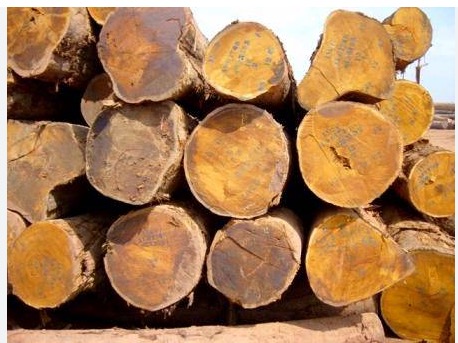
Natural wood processing covers the full journey from freshly harvested logs to stable, kiln‑dried lumber that can be used in furniture, flooring, joinery, marine and structural projects. It includes moisture removal, structural stabilization, protection against pests and fungi, and quality grading before export or downstream manufacturing. [thebusinessresearchcompany]
From an African hardwood specialist's perspective, every step must balance cost, sustainability, and performance—especially when wood will be shipped in containers across continents. [farmcrediteast]
Freshly cut wood typically contains very high moisture; if exported or processed in this condition, it almost inevitably warps, cracks, or develops mold. Proper treatment transforms unstable "green" wood into a dimensionally stable material that can handle changes in climate and humidity during transport and use. [farmcrediteast]
Key goals of natural wood treatment:
- Moisture removal and stabilization – to prevent warping, cupping, and excessive shrinkage in service. [thebusinessresearchcompany]
- Durability and lifespan enhancement – carefully controlled drying reduces internal stress and surface checking. [fdmasia]
- Water and pest resistance improvement – combining drying with targeted protection reduces risks of mold, termites, and borers during storage and shipping. [fao]
For global buyers—especially in furniture, doors, flooring, and industrial applications—untreated or poorly treated wood translates into high rejection rates, costly rework, and reputational risk. [apps.fas.usda]
Modern suppliers use a combination of traditional and advanced drying technologies, each suited to particular species, thicknesses, and project requirements. Below is an overview of the main methods and when professionals use them. [fao]
Natural air‑drying stacks lumber under cover and uses sun, wind, and ambient airflow to slowly reduce moisture content. In African timber yards, this stage often acts as pre‑drying before kiln treatment, helping equalize moisture and reduce energy consumption. [shdtimber]
- Advantages: Very low cost, minimal equipment, highly energy‑efficient and environmentally friendly. [fao]
- Limitations: Slow (weeks or months), offers limited control over temperature and humidity, and can expose wood to insects and fungal attack if not managed carefully. [farmcrediteast]
Superheated steam kilns operate above 100°C, driving moisture from cells through a controlled combination of heat and pressure. This method is widely adopted for commercial‑scale hardwood production, where faster throughput and reduced surface checking are critical. [thebusinessresearchcompany]
- Advantages: Faster drying, good dimensional control, lower risk of deformation when schedules are correctly designed. [fao]
- Limitations: Higher capital and operating costs; requires skilled technicians to avoid internal stress and color changes. [fao]
Dehumidification kilns circulate hot, moist air through coils that condense the water, then reheat the dry air to continue extraction. This technology is especially useful for thick, dense African hardwoods that are prone to surface checking under aggressive heat. [shdtimber]
- Advantages: Excellent environmental control, gentle drying, and reduced risk of cracking and honeycombing. [fao]
- Limitations: Requires specialized equipment and higher energy consumption compared with simple air‑drying. [fao]
Vacuum kilns lower the pressure around the wood so moisture evaporates at reduced temperatures, allowing rapid drying with less thermal stress. They are often used for high‑value, thick‑section hardwood or time‑critical custom orders. [fdmasia]
- Advantages: Highly automated moisture control, shorter cycles for some species, and the ability to finish wood at very precise target moisture. [fao]
- Limitations: Expensive to install and operate, best suited to specialized batches rather than bulk commodity volumes. [fao]
Field experience shows that not all producers in Africa follow international best practice when drying wood for export. In some regions, operators cut corners to reduce cost, especially for price‑sensitive markets. [apps.fas.usda]
For example, in countries such as Mozambique, Congo, and Niger, it is common for some suppliers to dry hardwood only to 20–35% moisture within about one week, rather than the roughly two‑week cycle required to approach international standards for many species. This accelerated schedule creates a large pressure imbalance between internal cells and ambient air, increasing the risk of: [shdtimber]
- Rapid warping and twisting after machining or installation. [shdtimber]
- Surface and end cracking that reduces yield and appearance grade. [shdtimber]
- Inconsistent performance between boards within the same shipment. [apps.fas.usda]
From the buyer's point of view, such practices translate into unpredictable quality and higher hidden costs, even if initial prices look attractive. [coface]
As a long‑term African timber specialist, HONG KONG SENHEDA WOOD LIMITED has built an operating model designed to prevent the quality issues described above. With roughly 4000–8000 tons (CBM) of African wood handled monthly and more than 200 containers exported to Vietnam alone, consistent processing standards are non‑negotiable. [senhedawood]
From an industry insider standpoint, three pillars matter most:
1. Moisture control to <20%:
For mainstream export markets, professional suppliers insist on drying lumber to below around 20% moisture, with tighter ranges for indoor joinery and furniture applications. [shdtimber]
2. Species‑appropriate kiln schedules:
African hardwoods such as Okoume, Iroko, Sapele, Padauk, Wenge, Azobe, Tali, Teak and others each require different time‑temperature profiles to avoid internal stress and color defects. [thebusinessresearchcompany]
3. Integrated quality control and grading:
Proper stacking, airflow management, temperature logging, and post‑drying inspection are combined to ensure shipment‑level consistency before containers are loaded. [farmcrediteast]
By embedding these practices, experienced exporters can serve global partners in Europe, Asia, and emerging markets with predictable, repeatable quality—even under tightening regulations and shifting demand. [coface]
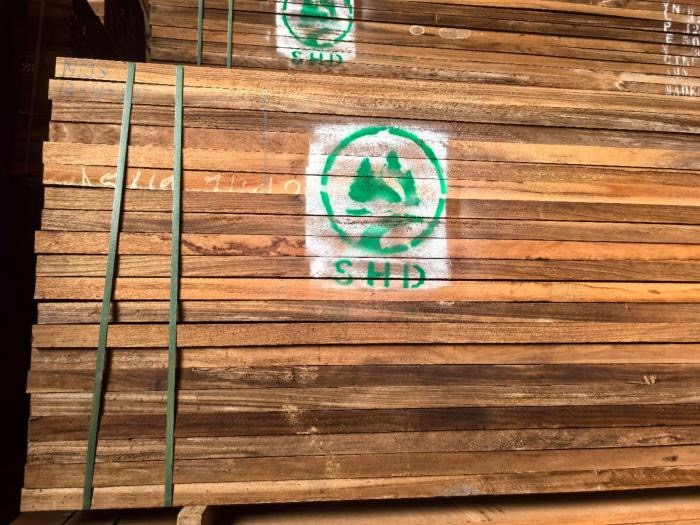
The wood processing market has grown strongly in recent years, reaching around USD 230–231 billion in 2026, with continued expansion expected as demand for solid wood furniture, construction materials, and engineered products rises. Within this growth, African hardwood plays a strategic role in supplying cost‑competitive, character‑rich lumber to both traditional and emerging markets. [researchandmarkets]
Several trends directly affect natural wood processing and export strategies:
- Regulatory pressure and traceability: The EU's new deforestation‑related regulations (EUDR) are pushing exporters to prove legal origin, implement chain‑of‑custody systems, and document sustainable forest management. [coface]
- Demand shifts between regions: Europe's slower recovery and China's real‑estate adjustment have moderated some segments of hardwood demand, while Middle Eastern and Southeast Asian markets are increasing imports of African timber, such as Gabonese logs and sawn lumber. [apps.fas.usda]
- Move toward deeper processing in Africa: To improve tax efficiency and export margins, more African mills are investing in secondary and tertiary processing—kiln drying, planing, grading and partial machining—before shipping. [farmcrediteast]
For buyers, partnering with suppliers that stay ahead of these trends reduces compliance risk, supply disruption, and quality variability. [coface]
From a procurement manager's viewpoint, choosing the right supplier is less about the lowest FOB price and more about total lifecycle cost and risk. Based on hands‑on work with African mills and global importers, here is a practical checklist you can apply:
1. Drying and moisture standards
- Do they specify target moisture ranges by species and end‑use (e.g., 10–14% for interior joinery, lower than 20% for general export)? [shdtimber]
- Can they provide kiln schedules or at least explain their technology (air‑drying, steam kilns, dehumidification, vacuum)? [fao]
2. Species portfolio and specialization
- Are they experienced with your required species (e.g., Okoume, Iroko, Sapele, Padauk, Wenge, Azobe, Tali, Teak)? [senhedawood]
- Do they understand typical applications and processing challenges for each group? [fdmasia]
3. Quality control and grading
- Are defects such as knots, checks, bow, and twist graded consistently according to market standards? [farmcrediteast]
- Is there a documented inspection process before loading containers? [senhedawood]
4. Compliance, traceability and sustainability
- Can they support EUDR or similar requirements with documentation on forest origin, legality, and sustainable management? [coface]
- Are they investing in long‑term relationships with African concessions and mills rather than spot buying only? [coface]
5. Logistics capacity and reliability
- Do they manage sufficient monthly volume (e.g., thousands of tons and hundreds of containers) to ensure stable supply and consolidated shipments? [tradedata]
- Can they coordinate multi‑destination exports across Asia, Europe, and emerging markets? [senhedawood]
Using this checklist helps buyers distinguish short‑term opportunistic traders from long‑term strategic partners in the African timber sector. [coface]
With more than 16 years focused on African wood and a strong operational footprint across multiple regions, HONG KONG SENHEDA WOOD LIMITED offers a practical example of how experienced exporters bridge African production and Asian demand. [senhedawood]
From the perspective of a sales director managing global accounts, several practices stand out:
- Integrated sourcing in Africa: Long‑term collaboration with local mills and yards allows stable access to species such as Okoume, Sapele, Iroko, Padauk, Wenge, Azobe, Tali and Teak, even under seasonal and regulatory constraints. [shdtimber]
- Volume‑based logistics: Handling 4000–8000 tons (CBM) per month and shipping 200+ containers to Vietnam enables competitive freight rates and reliable schedules. [tradedata]
- Customer‑centric technical support: Teams with over a decade of experience advise buyers on species selection, drying requirements, and downstream processing to reduce waste and claims. [shdtimber]
This model shows how expert natural wood processing, strong local networks, and global logistics combine to create a stable supply chain for manufacturers and distributors across Asia and beyond. [senhedawood]
If you are evaluating African timber suppliers or planning to expand your use of natural wood in furniture, projects or manufacturing, you can follow these steps:
1. Clarify your technical requirements
Define species, thickness, moisture targets, and end‑use (interior, exterior, marine, structural) to guide discussions with suppliers. [fdmasia]
2. Request documented processing details
Ask potential partners to explain their drying methods, kiln technologies, and quality control checkpoints. [fao]
3. Review compliance and traceability capabilities
Confirm their ability to support legal origin documentation and evolving regulatory frameworks such as the EU's deforestation measures. [coface]
4. Pilot orders before full rollout
Start with several containers to validate quality, consistency, and claims handling before committing to larger annual volumes. [tradedata]
5. Build long‑term, collaborative relationships
Treat your supplier as a strategic partner, sharing forecast, product feedback, and technical challenges so they can refine processing and stock planning around your needs. [fdmasia]
For buyers who value stable moisture, reliable species quality, and EUDR‑ready documentation, partnering with an established African timber specialist can dramatically reduce risk while keeping total cost of ownership competitive. [thebusinessresearchcompany]
Q1: Why is moisture content below 20% so important for exported natural wood?
A: Moisture below about 20% reduces the risk of warping, cracking and mold during long‑distance transport and storage, making wood more predictable for machining and installation. [farmcrediteast]
Q2: Are traditional air‑drying methods still relevant in modern African timber yards?
A: Yes. Air‑drying remains an essential pre‑drying stage that lowers initial moisture and energy demand before kiln treatment, provided it is managed with proper stacking and protection. [farmcrediteast]
Q3: How do regulations like EUDR affect African timber exporters?
A: EUDR‑style rules require traceability, proof of legal origin and deforestation‑risk assessment, pushing exporters to upgrade documentation, supply chain monitoring and forest management practices. [coface]
Q4: Which African hardwood species are most commonly supplied to Asian markets?
A: Popular exported species include Okoume, Iroko, Sapele, Padauk, Wenge, Azobe, Tali, Teak and related hardwoods, used in furniture, doors, flooring and specialized projects. [fdmasia]
Q5: What should buyers look at beyond price when selecting an African wood supplier?
A: Buyers should examine drying technology, moisture targets, grading standards, compliance capabilities, monthly volume capacity and long‑term stability, which together determine real project risk and cost. [senhedawood]
1. K‑TIMBER. "The Secrets of Natural Wood Processing." https://k-timbers.com/the-secrets-of-natural-wood-processing/
2. SENHEDA WOOD. "The Situation of African Timber Exports in 2026." https://www.shdtimber.com/the-situation-of-african-timber-exports-in-2026.html
3. HONG KONG SENHEDA TRADE LIMITED. Company introduction and business overview. http://www.senhedawood.com
4. The Business Research Company. "Wood Processing Global Market Report 2026." https://www.thebusinessresearchcompany.com/report/wood-processing-global-market-report
5. FDMC Asia. "Carving the Future: The 2026 Outlook for the Woodworking Industry." https://www.fdmasia.com/index.php/featuresf/item/1234-carving-the-future-the-2026-outlook-for-the-woodworking-industry
6. Coface. "Wood: Sector risk analysis and economic outlook." https://www.coface.com/news-economy-and-insights/business-risk-dashboard/sector-risk-files/wood
7. FAO. "Expert Consultation on Sustainable Wood Energy in Asia." https://www.fao.org/4/ad547e/ad547e00.pdf
8. Farm Credit East. "Forest Products Industry Outlook: Softwood Markets Set to Stabilize in 2026." https://www.farmcrediteast.com/en/resources/Industry-Trends-and-Outlooks/Reports/2603KEP_ForestProductsOutlook
9. USDA FAS. "Hardwood Market Update 2026 – China." (Access via USDA FAS report database) USDA FAS Report Database
10. Trade Data Pro. "Hong Kong Senheda Trade Limited – Export Data." https://tradedata.pro/trade-database-demo/nigeria/export-data/company/hong-kong-senheda-trade-limited/


