Views: 234 Author: SENHEDA WOOD Publish Time: 2026-07-06 Origin: Site
Content Menu
● What Is Sapele Wood? (Expert Overview)
● Sapele Wood Properties & Technical Characteristics
>> Color, Grain and Appearance
>> Density, Strength and Durability
>> Dimensional Stability and Drying
● Sapele vs Mahogany and Other Hardwoods
● Sustainability and Certification Considerations
● Real‑World Uses of Sapele Wood
>> Interior Furniture and Joinery
>> Flooring and High‑Traffic Surfaces
>> Cabinetry and Built‑In Applications
>> Musical Instruments and Specialty Products
>> Marine and Exterior Applications
● Practical Tips for Working with Sapele (Expert Advice)
● Choosing a Reliable Bulk Sapele Supplier
● How a Dedicated African Wood Specialist Supports Your Sapele Projects
● Simple Step‑by‑Step Guide to Buying Sapele in Bulk
● Call to Action: Build a Stable Sapele Supply Chain from Africa
Sapele wood is a high‑performance African hardwood prized for its rich color, strength and versatility, and it has become a strategic species for global manufacturers and traders who need reliable, large‑volume supply from Africa. [seoaucklandchap.co]
Sapele wood (Entandrophragma cylindricum) is a tropical African hardwood from the mahogany family, primarily distributed across West and Central Africa's rainforests. It combines decorative appeal with mechanical strength, making it a go‑to species for doors, flooring, furniture, joinery and musical instruments in both mass production and custom projects. [woodassistant]
From an industry perspective, Sapele is valued as a mahogany alternative that offers comparable performance at a more accessible price point, especially in large‑scale OEM and export contexts. For buyers in Asia and global markets, its consistent supply from Africa and wide range of thicknesses and dimensions make it suitable for long‑term procurement planning. [timbersource.co]

Sapele heartwood ranges from pinkish to deep reddish‑brown, often darkening over time as the wood oxidizes, while the sapwood is pale yellow to cream. The grain is typically fine‑textured and interlocked, producing eye‑catching ribbon, striped, quilted or wavy figure on quarter‑sawn or well‑finished surfaces. [lignawooddesign]
This visual character is a major reason why architects and furniture brands specify Sapele when they need a "mahogany look" with more pronounced decorative effects and strong color stability. Interior designers also value its ability to achieve a high‑gloss finish, especially on panels, veneers and luxury joinery. [seoaucklandchap.co]
Technically, Sapele is a medium‑to‑high density hardwood, with average dried density around 640–670 kg/m³ (about 41–42 lbs/ft³) at 12% moisture content. Its Janka hardness is reported at roughly 1,410 lbf, placing it significantly above many common temperate hardwoods and above most commercial mahoganies in practical wear resistance. [duffieldtimber]
Key mechanical values from published data include: [ohc]
- Modulus of rupture: around 15,000–15,930 lbf/in²
- Modulus of elasticity: approximately 1.75–2.02 million lbf/in²
- Crushing strength: around 8,750–8,992 lbf/in²
In practice, these figures translate into excellent bending, impact and indentation resistance, comparable with English oak in everyday use. This is why Sapele performs reliably in heavy‑traffic flooring, structural doors and demanding exterior joinery. [timbersource.co]
Sapele has moderate movement in service, with typical shrinkage values around radial 4.8–5.0% and tangential 7.2%. The interlocked grain and density lead to a higher risk of distortion during drying, especially for thicker sections, so professional kilning schedules and careful stacking are essential. [ohc]
For industrial users, the key takeaway is that well‑kiln‑dried Sapele delivers stable performance, but improper seasoning can result in warping and planing tear‑out. Consistent moisture control is therefore a critical part of any serious Sapele supply chain. [seoaucklandchap.co]
Sapele works reasonably well with both hand and machine tools, but the interlocked grain can cause tear‑out in planing and moulding unless cutting angles are reduced and blades are kept very sharp. It fastens and glues satisfactorily, takes stain readily and can be polished to an excellent high‑gloss finish. [timbersource.co]
From an expert user's perspective, the main practical considerations are:
- Use sharp, well‑maintained tooling to minimize blunting and tear‑out. [ohc]
- Reduce cutting angles to around 15° for smoother planed surfaces where grain is highly interlocked. [timbersource.co]
- Manage potential discoloration when the wood reacts with iron or certain adhesives by using appropriate fasteners and finishing systems. [seoaucklandchap.co]
Manufacturers and buyers often evaluate Sapele against African or American mahogany and oak when selecting a specification. [woodassistant]
| Feature | Sapele Wood | African/American Mahogany | Oak (e.g. English oak) |
|---|---|---|---|
| Density (kg/m³) | ~640–670, moderately heavy (seoaucklandchap.co) | Typically lower, medium weight (woodassistant) | Similar or slightly higher, heavy hardwood (timbersource.co) |
| Hardness (Janka) | ~1,410 lbf, high wear resistance (seoaucklandchap.co) | Lower hardness, softer under impact (woodassistant) | Comparable to Sapele in indentation resistance (timbersource.co) |
| Color | Reddish‑brown, mahogany‑like, darkens with age (seoaucklandchap.co) | Wide mahogany range, often slightly lighter (woodassistant) | Golden to brown, more traditional oak tone (timbersource.co) |
| Grain | Interlocked, decorative ribbon/quilted figures (seoaucklandchap.co) | Generally straighter, less dramatic figure (woodassistant) | Prominent rays, classic oak look (timbersource.co) |
| Price positioning | Often more affordable than premium mahoganies in bulk (seoaucklandchap.co) | Higher price for many grades (woodassistant) | Variable; strong in some markets, but not a mahogany substitute (timbersource.co) |
For large OEM programs and export projects, the combination of mahogany‑like aesthetics, oak‑comparable strength and competitive pricing makes Sapele an attractive compromise species. It can be standardized across multiple product lines—doors, flooring, furniture, panels—reducing complexity in procurement and processing. [woodassistant]
Sapele's conservation status has become a critical issue in recent years as global demand has increased. The species is now listed as vulnerable on the IUCN Red List due to significant population decline over several growth generations, highlighting the importance of responsible sourcing. [seoaucklandchap.co]
Professional buyers should pay close attention to:
- Legal origin and documentation from African source countries.
- Certification and third‑party verification where available.
- Supplier policies on sustainable forest management and replanting programs. [timbersource.co]
Working with experienced African timber importers who understand local regulations, forest concessions and government procedures is essential to maintaining both long‑term supply and compliance with international standards. [seoaucklandchap.co]
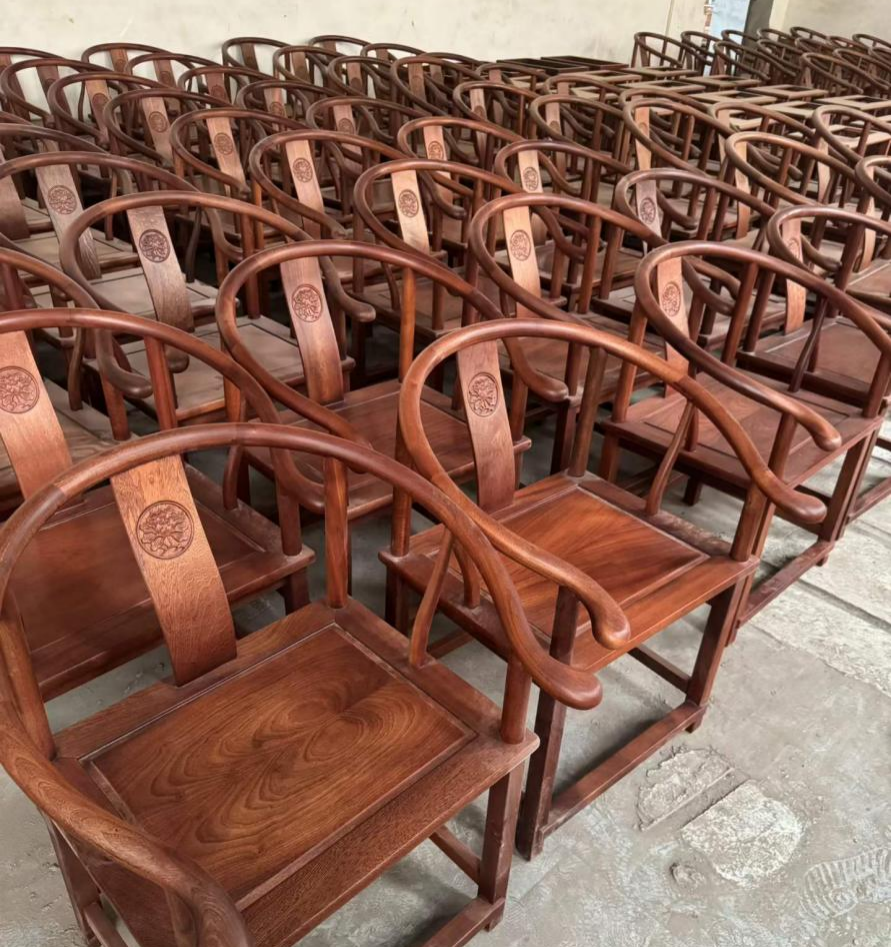
Sapele is widely used in high‑end and commercial furniture—dining tables, cabinets, bedroom sets, office desks—thanks to its durability, decorative grain and ability to take a deep, rich finish. Veneer production is another major application, allowing brands to achieve a luxury look on panel products at scale. [woodassistant]
Interior joinery applications such as doors, frames, stair components and wall panelling benefit from Sapele's strength and dimensional stability, especially where long spans or heavy use are expected. [woodassistant]
Sapele flooring is recognized for its wear resistance and scratch resistance, with density and hardness that make it well‑suited to residential and commercial spaces with high foot traffic. Its performance in humid environments—such as kitchens and bathrooms—makes it an attractive choice where both aesthetics and durability are required. [duffieldtimber]
For specifiers, the combination of visual warmth and technical strength makes Sapele a strong candidate in projects that might otherwise default to more common species like oak, especially when a distinctive ribbon figure is desired. [duffieldtimber]
Kitchen and bathroom cabinetry often use Sapele for doors, fronts and decorative elements because the wood can withstand daily wear and elevated humidity while maintaining visual appeal. Its machinability allows for precise profiling and consistent mass‑production of cabinet components. [woodassistant]
Sapele's acoustic properties and attractive grain make it popular in guitars, drums, harps and stringed instruments, where warm tone and visual character are critical. Instrument makers appreciate its resonant quality factor and stability when properly dried and finished. [ohc]
Beyond instruments, Sapele is used in specialty products such as decorative veneers, interior ship fittings and high‑end joinery where fine finishing is a priority. [ohc]
Thanks to its moderate natural durability and resistance to shock loads, Sapele is employed in boatbuilding—for hull planking, decks and interior fittings—under conditions where strength and impact resistance matter. In exterior joinery and light carpentry, it performs well when appropriate preservative treatments and coatings are applied, especially in climates with intermittent moisture exposure. [ohc]
From a production and workshop standpoint, optimizing Sapele involves a few practical best practices: [timbersource.co]
1. Drying and conditioning
- Use controlled kiln schedules to minimize warp and internal stress.
- Allow adequate conditioning time after drying before machining.
2. Machining and tooling
- Reduce cutting angles for planing and moulding to handle interlocked grain.
- Use appropriate tooling materials and monitor wear, as Sapele can be moderately abrasive.
3. Fastening and gluing
- Pre‑drill where necessary; Sapele takes screws and nails well when properly handled. [timbersource.co]
- Use adhesives compatible with hardwoods, and manage clamping pressure to avoid surface staining. [ohc]
4. Finishing
- Sand carefully to remove any "rough" effect from interlocked grain.
- Exploit its ability to take stain and high‑gloss finishes for premium visual impact.
For buyers coordinating OEM or large‑volume production, these practices translate directly into fewer defects, better yields and consistent quality across batches.
For manufacturers and traders, the biggest risk with Sapele is not the species itself but inconsistent supply and quality control. Working with suppliers that understand African timber logistics and have robust inspection systems is crucial. [seoaucklandchap.co]
A strong Sapele partner should be able to:
- Handle large volumes consistently from African sources, with monthly processing capacity measured in thousands of tons or cubic meters to support long‑term contracts. [seoaucklandchap.co]
- Offer a wide range of thicknesses and dimensions to match flooring, furniture, joinery, instrument and panel requirements. [timbersource.co]
- Provide strict quality grading and moisture control, reducing rejection rates and machining issues in your factory. [ohc]
- Navigate customs and export procedures efficiently, especially from African ports to key markets such as Vietnam and other Asian destinations. [seoaucklandchap.co]
For global partners focusing on Africa‑origin hardwoods, collaborating with experienced Chinese‑based suppliers that specialize in African timber and already manage hundreds of containers per month into Vietnam and other hubs can significantly reduce procurement complexity and landed cost risk. [seoaucklandchap.co]
Working with a specialist African timber supplier that has more than a decade of experience in the region provides several practical advantages for Sapele buyers: [seoaucklandchap.co]
- Stable upstream sourcing
Long‑term relationships with forest concessions and local partners in multiple African countries help ensure continuity of Sapele supply, even when individual regions face regulatory or logistical disruptions. [timbersource.co]
- Scale and volume management
Monthly handling capacity in the 4,000–8,000 ton (or cubic meter) range and the ability to ship over 200 containers of wood to Vietnam and other destinations show that the supplier can support both ongoing production and project‑based surges in demand. [seoaucklandchap.co]
- Global export coverage
Experience shipping African hardwoods to multiple regions worldwide enables smoother coordination of documentation, inspection and transport, particularly for buyers juggling multi‑country manufacturing footprints. [seoaucklandchap.co]
- Cost‑effective procurement services
Bulk purchasing and optimized logistics can translate into more competitive landed prices for Sapele lumber, especially when combined with strict quality control and standardized specifications. [seoaucklandchap.co]
For procurement teams, the result is a more predictable Sapele supply chain that aligns with factory schedules, quality requirements and long‑term product planning.
To maximize value and reduce risk when sourcing Sapele, you can follow a straightforward process:
1. Define technical specifications
Clarify required thicknesses, widths, grades, moisture content and end uses (e.g. flooring, doors, furniture, instruments).
2. Confirm volume and delivery plan
Estimate monthly or quarterly volume, preferred port of discharge and any seasonal peaks in demand.
3. Request a detailed quotation and sample pack
Ask for grade descriptions, technical test data and sample boards or veneers representing typical shipment quality.
4. Align on quality control and inspection
Agree on inspection methods, tolerance levels and handling of any non‑conforming material before shipments begin.
5. Plan long‑term supply contracts
Once initial shipments validate quality and service, negotiate longer‑term framework agreements to stabilize pricing and secure capacity.
Following these steps helps both buyers and suppliers build a transparent, efficient Sapele supply chain that meets production and market needs.
If you are planning medium‑ to long‑term projects that rely on consistent African Sapele wood, it is essential to partner with a supplier that combines on‑the‑ground experience in Africa with large‑volume export capability to Asia and other global markets. Whether you are sourcing for flooring, doors, furniture, instruments or multi‑industry manufacturing, aligning your technical specifications and volume requirements with a dedicated African timber specialist will help you secure stable supply, predictable quality and competitive pricing over time. [timbersource.co]
Q1. Is Sapele suitable for outdoor use?
Sapele offers moderate natural durability and can be used in exterior joinery and light carpentry when appropriate preservative treatments and coatings are applied, particularly in climates with intermittent moisture. [ohc]
Q2. How does Sapele perform in flooring compared with oak?
Sapele's density and hardness give it strong wear and scratch resistance, comparable in everyday use to many oak species, making it a reliable choice for high‑traffic flooring. [duffieldtimber]
Q3. Is Sapele a sustainable choice?
Sapele is listed as vulnerable on the IUCN Red List, so sustainability depends on careful sourcing from legal, responsibly managed forests and working with suppliers who respect conservation and regulatory requirements. [timbersource.co]
Q4. Why does Sapele sometimes cause tear‑out during machining?
Its interlocked grain and density can cause tear‑out in planing and moulding, which is why reduced cutting angles and sharp tooling are recommended in professional processing. [ohc]
Q5. What makes Sapele attractive to musical instrument makers?
Sapele combines strong mechanical properties with favorable acoustic characteristics and attractive grain, allowing instrument makers to achieve warm tones and distinctive visual appeal. [ohc]
1. K‑Timber – "Sapele Wood: Properties, Characteristics & Uses" https://k-timbers.com/sapele-wood-properties-characteristics-uses/
2. WoodAssistant – "Characteristics and Uses of Sapele Wood" https://www.woodassistant.com/wood-database/sapele/
3. Timbersource – "Sapele Technical Data Sheet" https://www.timbersource.co.uk/download_file/view_inline/799
4. Duffield Timber – "Sapele Wood: Properties, Uses, Facts & Characteristics" https://duffieldtimber.com/the-workbench/timber-trends/timber-species-guide-sapele
5. Overseas Hardwoods Company – "Sapele Technical Data" https://www.ohc.net/wp-content/uploads/2018/05/Sapele-Tech-Data-.pdf
6. IUCN Red List – Sapele Conservation Status https://www.iucnredlist.org/


