Views: 278 Author: SENHEDA WOOD Publish Time: 2026-07-01 Origin: Site
Content Menu
● Appearance, Color Stability and Texture
● Mechanical and Technical Properties
● Durability, Rot Resistance and Outdoor Performance
● Workability, Finishing and Machining Tips
● Typical Uses of Takula Padauk Wood
● Advantages and Disadvantages for Professional Buyers
● Key Risks When Importing Padauk from Africa
● Expert Perspective: Why Long‑Term Supply Matters More Than One‑Time Price
● How HONG KONG SENHEDA WOOD LIMITED Supports Takula Padauk Buyers
● Practical Buying Tips: Selecting Takula Padauk for Your Next Project
● Call to Action for Importers and Manufacturers
● FAQs About Takula Padauk Wood
Takula Padauk, also known as African Padauk, has become one of the most trusted African hardwoods for furniture, flooring and industrial projects thanks to its striking color, high durability and stable supply from experienced exporters. [k-timbers]
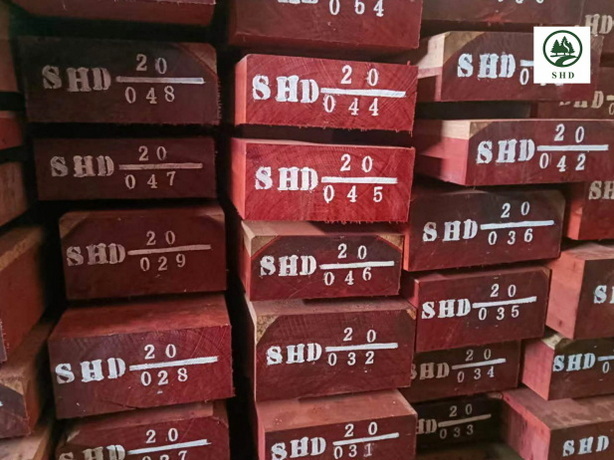
Takula Padauk is the trade name commonly used for African Padauk (Pterocarpus soyauxii), a tropical hardwood harvested mainly in Central and West Africa, including Angola, Congo and neighboring regions. [k-timbers]
This species is prized for its red‑orange to dark reddish‑brown heartwood, strong mechanical properties and consistent performance in both indoor and outdoor applications. [wood-database]
Key facts about Takula Padauk
- Species: Pterocarpus soyauxii (African Padauk, Vermillion) [k-timbers]
- Regions: Evergreen/semi‑deciduous forests in West and Central Africa [k-timbers]
- Typical tree size: 30–40 m tall, 0.6–1.2 m trunk diameter [k-timbers]
- Average dried weight: around 47 lbs/ft³ (≈745 kg/m³) [k-timbers]
- Janka hardness: approx. 1,710–1,970 lbf [wood-database]
While this guide focuses on Takula Padauk / African Padauk, buyers often compare it with other Padauk varieties when planning large projects. [k-timbers]
The table below highlights three commonly referenced Padauk species:
| Padauk type | Region | Color evolution | Grain & texture | Typical use focus |
|---|---|---|---|---|
| African Padauk (Takula) (k-timbers) | West & Central Africa (Angola, Congo, etc.) (k-timbers) | Bright red‑orange, deepens to brown over time (k-timbers) | Mostly straight grain, medium/coarse texture, natural luster (k-timbers) | Furniture, flooring, stairs, joinery, turning (k-timbers) |
| Burmese Padauk | Myanmar, Thailand (k-timbers) | Yellow‑red heartwood, turns yellow‑brown (k-timbers) | More interlocked grain, harder to work (k-timbers) | Heavy construction, decorative work |
| Andaman Padauk | Andaman Islands, India (k-timbers) | Darker, becomes reddish‑brown purple (k-timbers) | Often rare interlocking grain (k-timbers) | High‑end joinery, specialty projects |
Choosing between these variants usually depends on color preference, availability and machining requirements, but African Padauk remains the most widely traded option in global B2B timber flows. [wood-database]
Takula Padauk is immediately recognizable by its vivid color and distinctive grain, which are key reasons designers and manufacturers specify this species for visible surfaces. [k-timbers]
Color and grain characteristics
- Heartwood ranges from pale pink/orange to intense reddish‑brown. [k-timbers]
- Sapwood is lighter and contrasts clearly with the heartwood, helping visual selection. [k-timbers]
- Grain is typically straight, but may show slightly interlocked patterns, especially in certain logs. [k-timbers]
- Texture is medium to coarse with a natural sheen that responds well to finishing. [k-timbers]
Color change over time
- Freshly sawn boards often start bright red‑orange. [k-timbers]
- Color gradually deepens; some lighter boards can age to a more muted brown‑grey if fully exposed. [k-timbers]
- UV‑protective finishes and controlled indoor use help maintain the original tone for longer. [k-timbers]
For buyers planning large decorative projects, it is wise to order from the same batch and region and to agree upfront on color expectations, finishing method and exposure conditions.
From an engineering perspective, Takula Padauk offers an attractive combination of high strength, hardness and dimensional stability, which explains its success in flooring and structural joinery. [wood-database]
Core technical values
- Average dried weight: about 46.5–47 lbs/ft³ (≈745 kg/m³) [k-timbers]
- Specific gravity (basic / at 12% MC): ≈0.63 / 0.75 [k-timbers]
- Janka hardness: 1,710–1,970 lbf [wood-database]
- Modulus of rupture (bending strength): ≈18,380 lbf/in² (126.7 MPa) [k-timbers]
- Elastic modulus: ≈1,895,000 lbf/in² (13.07 GPa) [k-timbers]
- Crushing strength: ≈9,240 lbf/in² (63.7 MPa) [k-timbers]
- Shrinkage: radial ~3.1%, tangential ~5.0%, volumetric ~7.9%, T/R ratio ~1.6 [k-timbers]
These figures position Takula Padauk among the more robust tropical hardwoods used for demanding applications, while its moderate shrinkage and T/R ratio support good dimensional stability in service. [wood-database]
One of the main reasons Takula Padauk continues to gain market share is its excellent natural durability, particularly against decay and biological attack. [wood-database]
Durability profile
- Rated as durable to very durable in terms of rot resistance. [wood-database]
- Naturally resistant to termites and many other insects due to its extractives and oils. [wood-database]
- Performs well in outdoor use when correctly detailed, dried and finished. [wood-database]
For outdoor decks, exterior joinery and heavy‑duty industrial use, this species can deliver long service life with relatively limited maintenance compared with many temperate hardwoods, provided that ventilation, drainage and finishing are properly considered at design stage.
From a workshop perspective, Takula Padauk is generally easy to machine, but it does require some professional handling to avoid tear‑out and finishing issues. [k-timbers]
Workability
- Cuts, shapes and turns well with both hand and power tools. [k-timbers]
- Glues effectively and takes most common adhesives when surfaces are clean and properly prepared. [k-timbers]
- Quartersawn or interlocked grain may cause localized tear‑out during planing if blades are not sharp or feed settings are too aggressive. [k-timbers]
Finishing
- Open pores require pore filling when a glass‑smooth finish is desired (e.g., high‑end furniture). [k-timbers]
- Reactive oil‑based finishes can experience curing problems if heartwood is not sealed beforehand; many professional shops pre‑seal and test finish systems before large‑scale production. [k-timbers]
- UV‑resistant topcoats help slow color fading and shift, especially on exterior work or in rooms with strong sunlight. [k-timbers]
In practice, experienced mills and manufacturers build standard operating procedures for Padauk, including tooling choices, sanding sequences and finishing stacks, to ensure repeatable quality across high‑volume runs.
Thanks to its color, hardness and durability, Takula Padauk spans both decorative and structural markets. [wood-database]
Common applications include:
- High‑end indoor furniture: tables, cabinets, chair frames, panels. [k-timbers]
- Flooring and stair components for high‑traffic residential and commercial spaces. [k-timbers]
- Exterior doors, window frames, decking and cladding (with appropriate detailing and finish). [wood-database]
- Turned objects: bowls, handles, decorative pieces and craft blanks. [k-timbers]
- Musical instruments: backs and sides of certain guitars and other instruments that benefit from Padauk's tonal qualities. [k-timbers]
- Industrial and heavy‑duty components where impact and wear resistance are required. [wood-database]

For importers, manufacturers and project owners, understanding the trade‑offs of Takula Padauk is essential to avoid surprises during production and installation. [k-timbers]
Advantages
- Rich, distinctive color that differentiates projects and products. [k-timbers]
- High density and mechanical strength, suitable for demanding loads and high wear. [wood-database]
- Strong natural resistance to rot, fungi and many insects, including termites. [wood-database]
- Good dimensional stability, with relatively moderate shrinkage and warping risk when properly dried. [k-timbers]
- Versatile workability for cutting, turning, gluing and finishing when professional practices are followed. [k-timbers]
Disadvantages
- Open grain can complicate finishing and may require multiple coats and pore filling for premium surfaces. [k-timbers]
- High density and interlocked grain can cause tool wear and tear‑out, increasing machining costs without suitable tooling. [k-timbers]
- Padauk dust may cause allergic reactions in sensitive workers, so dust management and PPE are recommended. [k-timbers]
- Color can fade or shift under strong UV exposure, especially without protective finishing. [wood-database]
- Availability can be limited in some markets, and long‑distance shipping adds cost and lead time. [k-timbers]
Even with a technically excellent wood species, importers face real risks when sourcing directly from African markets. The original article rightly points out several common issues that Padauk buyers should consider. [k-timbers]
Typical import risks
- Price instability driven by supply and demand shifts, political situations and currency fluctuations. [k-timbers]
- Declining production in some regions due to deforestation, forest fires and drought, affecting continuity of supply. [k-timbers]
- Inconsistent quality across suppliers because of differences in forest management, harvesting and processing. [k-timbers]
- Risk of fraud and non‑delivery from non‑reputable suppliers, including fake species and poor‑grade timber. [k-timbers]
- Transportation delays on long routes between African origins and destination ports, disrupting production schedules. [k-timbers]
Mitigating these risks requires careful supplier vetting, on‑ground inspection capability or trusted partners, plus clear specifications and contracts covering grading, moisture content and documentation.
Drawing on more than a decade of African timber trade experience, many seasoned buyers report that the most costly mistakes do not come from paying a slightly higher price per cubic meter, but from choosing unstable or inexperienced suppliers for large projects. [shdtimber]
From an expert standpoint:
- The real cost of Padauk includes delays, rework, rejected batches and lost market opportunities, not just FOB price. [shdtimber]
- Stable monthly capacity (for example thousands of cubic meters and hundreds of containers) allows importers to plan production, negotiate better logistics and serve end clients with confidence. [linkedin]
- Close integration between forest concessions, sawmills and export teams improves grading consistency, documentation quality and shipment reliability. [shdtimber]
For brands building a position in premium furniture, flooring or industrial wood products, long‑term relationships with specialized African hardwood suppliers are now a competitive advantage rather than simply a sourcing detail. [cn.linkedin]
HONG KONG SENHEDA WOOD LIMITED is a China‑based professional timber company that has focused on African hardwoods—including Padauk—for well over 15 years. [facebook]
From a B2B buyer's perspective, several points stand out:
- Extensive experience: the company has around 16–17 years of continuous involvement in African timber trade, with deep knowledge of Padauk and other hardwood species. [linkedin]
- Stable monthly volume: operations regularly handle approximately 4000–8000 tons (CBM) of African wood, with more than 200 containers exported to Vietnam each month, supporting continuous supply for large importers. [cn.linkedin]
- Broad species portfolio: the network covers numerous African hardwoods beyond Padauk, including species such as Okoume, Tali, Sapelli, Iroko and more, which helps buyers consolidate sourcing. [shdtimber]
- Integrated supply chain: direct cooperation with African concessions and partner sawmills under Chinese‑invested factory networks enhances control over grading, moisture and documentation. [shdtimber]
- Compliance and certification: support for documents such as Certificates of Origin, Phytosanitary Certificates and, where required, permits for sensitive species helps reduce regulatory risk at destination. [shdtimber]
For importers targeting long‑term projects with Takula Padauk—such as standard flooring lines or recurring furniture collections—this type of supplier structure is designed to reduce supply risks, improve purchasing efficiency and secure ongoing capacity. [instagram]
To maximize value and reduce risk when purchasing Takula Padauk, professional buyers can follow a structured approach.
1. Define technical and visual specifications
- Target moisture content and drying method (e.g., air‑dried vs kiln‑dried).
- Required dimensions: thickness, width, length and tolerance ranges.
- Acceptable color range and grain type (straight vs interlocked).
- Grading standard (e.g., FAS or equivalent). [wood-database]
2. Clarify application and finishing
- Indoor vs outdoor use, expected service environment and lifespan.
- Preferred finishing system: oil‑based, water‑based, UV‑cured, or hybrid.
- Acceptance of color change over time vs need for stronger UV protection. [wood-database]
3. Work with experienced suppliers
- Check track record and years in African timber trade. [facebook]
- Confirm monthly capacity and ability to support repeat orders. [linkedin]
- Review sample photos, inspection reports and documentation templates. [shdtimber]
4. Plan logistics and risk management
- Build realistic lead times from African port to your warehouse. [k-timbers]
- Include buffer stock for key projects.
- Use clear contracts specifying remedies for grading or documentation issues.
When combined with an experienced partner in Africa and Asia, these steps help ensure that Takula Padauk delivers both technical performance and business reliability over the full project life cycle. [instagram]
If you are planning to specify Takula Padauk wood for upcoming flooring lines, furniture series or large construction projects, this is the right time to move from basic research to detailed sourcing discussions. [cn.linkedin]
By engaging early with a specialized African hardwood supplier that already handles thousands of tons and hundreds of containers per month, you can secure the right grades, volumes and documentation for your market before demand peaks. [shdtimber]
1. Is Takula Padauk listed as endangered or restricted by CITES?
Current information indicates that Padauk species such as African Padauk are not listed as endangered by CITES, though buyers should always verify the latest regulations in their own jurisdiction before import. [k-timbers]
2. How does Takula Padauk compare to Teak or Iroko in outdoor durability?
Takula Padauk offers excellent decay and termite resistance, often comparable to other durable tropical hardwoods, making it suitable for many outdoor applications when correctly detailed and finished. [wood-database]
3. Can Takula Padauk be used for engineered flooring or laminated products?
Yes, its density, hardness and stability make it suitable for solid and engineered flooring, provided that glues, pressing conditions and moisture control are optimized for high‑density tropical hardwoods. [k-timbers]
4. What is the typical price range for Padauk per cubic meter?
Market data has shown Padauk trading around USD 550–750 per cubic meter at certain points in time, but actual prices vary significantly by grade, size, origin, certification and global demand. [k-timbers]
5. What safety measures should workshops take when machining Padauk?
Because Padauk dust can cause skin and respiratory irritation in some individuals, workshops should use effective extraction, masks and eye protection, along with regular cleaning of work areas. [k-timbers]
- K‑TIMBER. "Padauk Wood: Properties, Uses, Advantages & Disadvantages."
[https://k-timbers.com/takula-padauk-wood-properties-characteristics-uses/]
- K‑TIMBER. "TAKULA – PADAUK (African Padauk Product Data)."
[https://k-timbers.com/product/takula-padauk/]
- The Wood Database. "African Padauk (Hardwood Profile)."
[https://www.wood-database.com/african-padauk/]
- LinkedIn – Anna Liu, General Manager, HONG KONG SENHEDA WOOD LIMITED.
[https://www.linkedin.com/in/anna-liu-aa9458303]
- LinkedIn – HONG KONG SENHEDA WOOD LIMITED Company Page.
[https://cn.linkedin.com/company/hong-kong-senheda-trade-limited]
- SENHEDA WOOD Official Site. "African Hardwood Logs & Timber Supplier."
- SENHEDA WOOD Products and Supply Chain Network.
[https://www.shdtimber.com/products/Sipo-Wood.html]
- SENHEDA WOOD Team and Operations.
[https://www.shdtimber.com/our-teams.html]
- Instagram – HONGKONG SENHEDA African Timber Sourcing Reel.
[https://www.instagram.com/reel/DTFXj9MEqIJ/]
- Facebook – Hong Kong Senheda Trade Limited.
[https://www.facebook.com/p/Hong-Kong-senheda-trade-limited-61566373498277/]


