Views: 222 Author: SENHEDA WOOD Publish Time: 2026-06-25 Origin: Site
Content Menu
● Why Exotic Wood Still Matters in Global Trade
● How To Choose The Right Species
>> 1. Mahogany
>> 2. Teak
>> 3. Ebony
>> 4. Rosewood
>> 5. Bubinga
>> 6. Padauk
>> 7. Zebrawood
>> 8. Okoumé
>> 9. Ipe
● Sustainability And Compliance
● Why Working With A Specialist Supplier Matters
● How We Support Global Buyers
● FAQ
>> What is the best exotic wood for furniture?
>> Which exotic wood is best for outdoor use?
>> Is exotic wood always expensive?
>> How can I check if exotic wood is legally sourced?
>> What makes one exotic wood better than another?
>> Why is African timber important in global trade?
Exotic wood is valued for its striking grain, rich color, stable performance, and premium appearance, but choosing the right species requires more than taste alone. For buyers, fabricators, and importers, the best results come from balancing aesthetics, durability, workability, sourcing, and sustainability. [forest-trends]

Exotic hardwoods remain popular because they deliver visual character that many common domestic species cannot match. In international timber trade, they also matter because demand often shifts toward species with strong commercial performance in furniture, flooring, joinery, veneer, and specialty products. [youtube]
For buyers, the key question is not just "Which wood looks best?" but "Which wood is suitable for the end use, available at scale, and responsibly sourced?" That is where experienced suppliers add real value. [forest-trends]
The word exotic usually refers to wood species that are uncommon in a given market, often imported from tropical, subtropical, or non-local growing regions. In practice, buyers use the term for woods with unusual grain patterns, distinctive colors, or higher commercial rarity. [globalwoodsource]
That said, "exotic" does not automatically mean superior. A good selection should always consider moisture movement, density, machining behavior, finishing quality, and compliance requirements. [wagnermeters]
Before comparing species, define the application. A wood that works beautifully for decorative veneer may be a poor choice for outdoor decking, and a species ideal for flooring may be too difficult for fine carving. [wagnermeters]
Use this quick selection framework:
1. End use. Furniture, flooring, paneling, instrument making, marine use, or outdoor construction.
2. Appearance. Color, grain, figure, and how the wood ages.
3. Performance. Density, hardness, stability, rot resistance, and insect resistance.
4. Processing. Sawing, planing, sanding, gluing, and finishing behavior.
5. Supply. Volume availability, lead time, and trade consistency.
6. Compliance. Legal harvest documentation and certification. [nrdc]
Mahogany is one of the most recognizable premium woods in global woodworking. It is appreciated for its warm reddish-brown tone, attractive grain, and reliable workability in furniture, cabinetry, and interior finishing. [globalwoodsource]
Buyers often choose mahogany when they want a classic luxury look with a balanced combination of beauty and usability. It also machines well and finishes smoothly, which makes it a favorite for upscale joinery. [nrdc]
Teak is widely respected for its natural durability and strong performance in demanding environments. It is commonly used in furniture, decking, marine applications, and exterior projects because it handles moisture well. [exoticwoodzone]
For buyers, teak is often a premium investment rather than a low-cost material choice. Its reputation comes from long-term performance, not just appearance. [youtube]
Ebony stands out for its deep black color and very fine texture. It is highly valued for luxury items, musical instruments, decorative details, and small high-end components. [globalwoodsource]
Because of its density and price, ebony is usually best used in limited quantities where visual impact matters most. It is not a volume commodity for ordinary structural use. [globalwoodsource]
Rosewood is known for rich color variation, deep luster, and premium decorative appeal. It has long been associated with luxury furniture, carving, musical instruments, and ornamental applications. [hal]
Market demand for rosewood has also been shaped by scarcity and trade pressure, which makes responsible sourcing especially important. Buyers should verify legality and origin before procurement. [forest-trends]
Bubinga is an African hardwood prized for its reddish-brown tones, striking grain movement, and strong visual presence. It is often used in furniture, veneer, cabinetry, and specialty woodworking. [exoticwoodzone]
It is a good choice when the goal is a bold, premium finish with a distinctly tropical hardwood look. In many markets, bubinga also stands out because it is visually memorable without needing heavy staining. [exoticwoodzone]
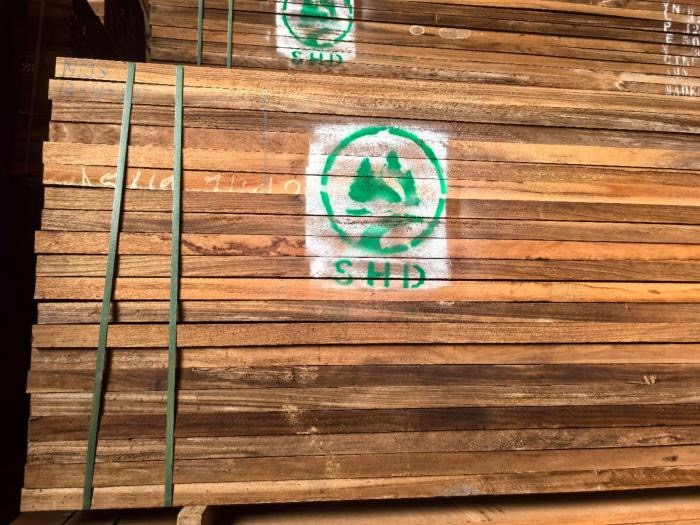
Padauk is recognized for its vivid orange-red color and stable performance. It is valued in furniture, decorative joinery, and musical instruments because it combines visual intensity with practical workability. [exoticwoodzone]
One advantage of padauk is that it provides strong aesthetic appeal even in smaller design elements. It can be used as an accent species to create contrast in mixed-wood projects. [exoticwoodzone]
Zebrawood is named for its bold striped grain pattern, which creates immediate visual impact. It is commonly used in decorative furniture, paneling, luxury interiors, and statement pieces. [exoticwoodzone]
Because of its dramatic look, zebrawood is often selected for projects where uniqueness is more important than subtlety. It works especially well when paired with clean modern design. [exoticwoodzone]
Okoumé is an important tropical hardwood in international trade, especially for veneer, plywood, cabinetry, and interior applications. It is valued for its relatively light weight and workable texture. [forest-trends]
The species has been especially relevant in Central African timber trade, where demand and export patterns have shifted with market access, policy changes, and processing trends. For buyers, it is a practical species when a lighter hardwood is needed for industrial uses. [forest-trends]
Ipe is often chosen for outdoor and heavy-duty applications because of its exceptional hardness and natural resistance. It is used in decking, fencing, and exterior construction where durability matters more than ease of machining. [youtube]
This is not a casual woodworking species. It is better suited to projects where long service life justifies the higher cost and tougher processing requirements. [youtube]
African mahogany is a widely used hardwood in furniture, veneers, interior finishing, and boatbuilding. It offers a strong balance of appearance, machinability, and commercial availability. [youtube]
For importers and fabricators, it is often attractive because it delivers a premium visual profile while remaining more practical than some highly restricted or very scarce woods. That makes it one of the most commercially versatile exotic hardwood categories. [forest-trends]
| Wood Species | Best Use | Visual Character | Main Strength |
|---|---|---|---|
| Mahogany | Furniture, cabinetry | Warm reddish-brown | Classic appearance and easy workability |
| Teak | Outdoor, marine, decking | Golden brown | Natural durability and moisture resistance |
| Ebony | Instruments, luxury detail | Deep black | Premium appearance and high density |
| Rosewood | Luxury furniture, carving | Dark, rich figure | Strong decorative value |
| Bubinga | Veneer, furniture | Reddish-brown, figured grain | Eye-catching grain and finish |
| Padauk | Decorative joinery | Bright orange-red | Strong color and stability |
| Zebrawood | Statement furniture, interiors | Bold striped pattern | High visual impact |
| Okoumé | Veneer, plywood | Light, uniform look | Lightweight and workable |
| Ipe | Decking, exterior use | Dark brown tones | Extreme hardness and durability |
| African Mahogany | Interior finishing, furniture | Warm premium tone | Versatile and commercially useful |
Sourcing exotic wood responsibly is essential because tropical hardwood trade can be linked to illegal logging, forest degradation, and weak traceability in some supply chains. Sustainable procurement starts with legal origin, chain-of-custody documentation, and clear supplier transparency. [youtube]
For many buyers, FSC-certified or similarly verified material is the safest path when certification is required by end customers or regulations. If certification is unavailable, buyers should ask for species name, harvest country, milling location, and export documentation before placing orders. [youtube]
The timber market is not just about species preference; it is also shaped by supply consistency, processing capacity, logistics, and policy shifts. Historical trade analysis shows that China-Africa forest product trade has involved meaningful value, but also volatility, changing destinations, and shifting demand for logs, sawnwood, veneer, and processed products. [forest-trends]
That matters because buyers who need reliable supply should think beyond one shipment. They need a supplier who can manage sourcing at scale, quality control, container planning, documentation, and market-responsive procurement. [forest-trends]
A specialist timber supplier can reduce risk at every stage of the transaction. Instead of treating each order as a one-off purchase, a strong supplier manages species selection, grading, consolidation, export documentation, and market intelligence. [forest-trends]
For international buyers, this is especially important when dealing with multiple origins, mixed species, or high-volume monthly demand. In such cases, the difference between a general trader and a deep-market supplier can directly affect pricing, quality stability, and on-time delivery. [forest-trends]
Here are the most practical checks before sourcing exotic hardwood:
- Confirm the exact species name, not just the trade name.
- Request photos of grain, color, and standard grades.
- Ask for moisture content targets and allowable tolerances.
- Verify container loading method for damage prevention.
- Check whether the wood is air-dried, kiln-dried, or green.
- Confirm whether certification or legality paperwork is required.
- Ask how the species behaves in your target climate. [nrdc]
These checks prevent most avoidable disputes and help buyers match the wood to the application. They also improve consistency across repeat orders. [nrdc]
As a timber supplier with long-term experience in African wood sourcing and international export operations, we understand the operational side of exotic wood procurement. Buyers often need more than product access; they need dependable supply, clear communication, and efficient handling from source to destination. [forest-trends]
If you are sourcing exotic hardwood for furniture, flooring, paneling, or industrial use, the next step is to request a species list, specification sheet, or quotation aligned with your target market. That is the fastest way to move from general interest to a workable supply plan. [forest-trends]
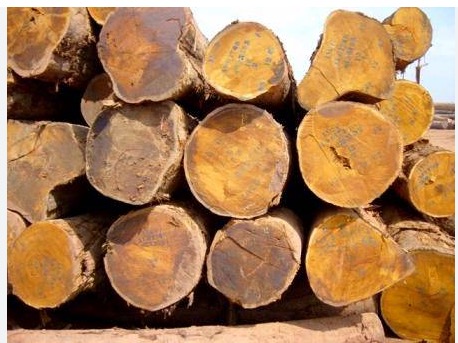
Mahogany and African mahogany are popular choices because they offer a strong balance of appearance, workability, and commercial availability. [globalwoodsource]
Teak and ipe are among the strongest choices for outdoor projects because they offer high durability and moisture tolerance. [youtube]
No. Some exotic woods are premium-priced, but cost depends on species, grade, availability, origin, and processing requirements. [globalwoodsource]
Ask for species identification, country of origin, export documents, and chain-of-custody or certification records when available. [youtube]
The best species depends on the application, including hardness, stability, grain appearance, finish quality, and whether it will be used indoors or outdoors. [wagnermeters]
Africa remains a significant source of tropical timber, and trade patterns show that species, policies, and destination markets can change quickly, affecting availability and value. [forest-trends]
1. NRDC — [How to Buy Good Wood]
2. Forest Trends — [Forest Products Trade between China and Africa: An Analysis of Import and Export Statistics]
3. Bynder — [12 tips for writing SEO-optimized content in 2026]
4. Siteimprove — [SEO Content Optimization Best Practices Overview]
5. Global Wood Source — [5 Most Popular Types of Exotic Wood to Use in Your Home]
6. Exotic Wood Zone — [Exploring Types of Exotic Woods]
7. The International Institute for Environment and Development (IIED) — [The dragon and the giraffe: China in African forests]


