
Views: 217 Author: SENHEDA WOOD Publish Time: 2026-08-04 Origin: Site


In the African timber trade industry, 17 years is more than just a number.
It means experiencing market booms and downturns, dealing with port congestion, rising freight costs, exchange rate fluctuations, and witnessing major changes in the global furniture industry, construction sector and timber supply chain.
Many people think timber trading is simply about buying and selling wood.
But after truly entering this industry, you realize:
Timber trade is never just about products.
It is about supply chains, trust, stability and long-term partnerships.
As a company with 17 years of experience in African timber international trade, we would like to share some of the most important lessons we have learned over the years.

At the beginning of cooperation, many buyers focus mainly on price.
However, after long-term cooperation, most customers care more about:
·Stable supply
·Consistent quality
·Reliable shipment schedules
·Problem-solving ability
Especially for furniture factories, door manufacturers and plywood mills, one day of production delay can cost far more than the price difference of the timber itself.
That is why more and more importers are now looking for:
“Reliable long-term suppliers”
instead of simply the lowest price.
Over the past few years, we have clearly seen increasing demand for African hardwood from:
·Middle East
·India
·Vietnam
·China
·Europe
especially in industries such as:
·Luxury furniture
·Hotel projects
·Interior decoration
·Door manufacturing
·Outdoor construction
·Flooring projects
More buyers are turning to African hardwood species such as:
·Sapelli
·Tali
·Movingui
·Ovangkol
·Kossipo
as alternatives to traditional European and some South American hardwoods.
The reason is simple:
African hardwood offers excellent balance in durability, appearance, stability and cost performance.
Many buyers ask:
“Is this FAS?”
“Is this A grade?”
But in reality, the actual performance of timber depends on much more than grading.
For example:
·Stable moisture content
·Proper kiln drying
·Resistance to deformation
·Crack resistance
·Professional container loading
·Accurate dimensions
These details directly affect whether customers can process the timber smoothly after import.
Especially today, KD (Kiln Dried) timber has become increasingly important for furniture manufacturing and high-end projects.
Over the past few years, international logistics have changed dramatically.
Freight fluctuations, port congestion and regional instability all directly impact timber import costs and delivery schedules.
As a result, importers are paying closer attention to:
·Which ports are more stable
·Which shipping routes are safer
·Which loading methods are more efficient
·Which documents may affect customs clearance
This is why experienced timber exporters are not simply selling wood.
They are helping customers reduce overall purchasing risks.
After 17 years in this industry, one thing has become very clear to us:
Customers do not simply need someone who can send quotations.
They need a long-term partner who:
·Understands the market
·Understands timber quality
·Knows export procedures
·Can solve problems efficiently
·Supports stable long-term cooperation
In international timber trade, trust is always more valuable than a single order.
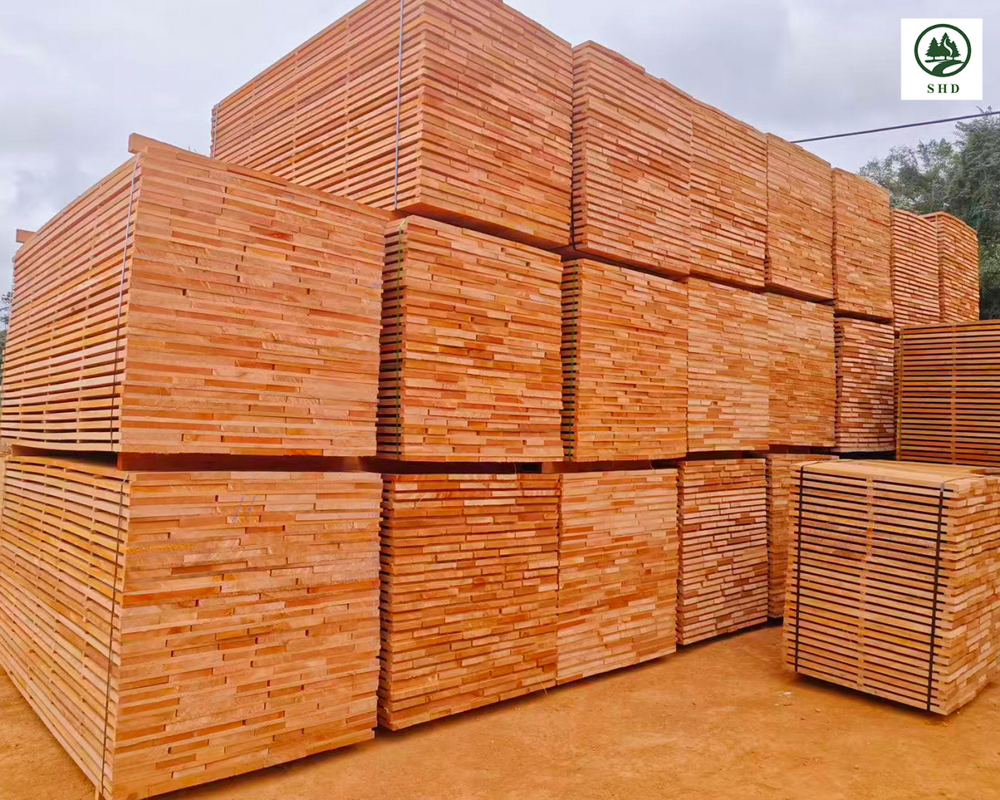
Yes. African hardwood species such as Sapelli, Movingui and Ovangkol are widely used in premium furniture and interior decoration because of their natural grain and good stability.
Absolutely. Many Middle East buyers value durability, stability and luxurious appearance, which are key strengths of African hardwood.
KD (Kiln Dried) timber helps reduce deformation, cracking and unstable moisture content, making it ideal for furniture factories and long-term projects.
High-density African hardwood species such as Tali are highly durable and widely used for decking, bridges, marine applications and heavy-duty outdoor projects.
With 17 years of experience in African timber international trade, we serve:
·Timber importers
·Furniture manufacturers
·Plywood factories
·Construction material companies
·Interior decoration projects
We provide:
✅ Stable African hardwood supply
✅ Professional export services
✅ Strict quality inspection
✅ KD timber processing
✅ FOB / CIF quotation support
✅ Rich container loading experience
✅ Long-term stable cooperation
In the future, the timber industry will not compete only on price.
It will compete on:
·Stable supply chains
·Professional service
·Quality control
·Global logistics capability
·Long-term trust
This is exactly the direction we have for the past 17 years.
If you are looking for a reliable African timber supplier, feel free to contact us to explore long-term cooperation opportunities.
WhatsApp / WeChat / Call:
+86 13534205619 (Anna Liu)
+86 13530895049 (Vivian)


