
Views: 222 Author: Rebecca Publish Time: 2025-10-16 Origin: Site


Content Menu
● The Natural Color of Iroko Wood
>> Distinction between heartwood and sapwood
● Visual Comparison: Iroko vs. Teak and Other Hardwoods
● The Role of Light in Iroko's Appearance
● Surface Finishes and Their Impact
● Variations in Different Applications
>> a) Furniture
>> b) Flooring
>> d) Marine and Boat Applications
● How to Identify Real Iroko Wood
● Environmental and Aesthetic Appeal
● Maintenance and Longevity of Appearance
● The Cultural and Artistic Side of Iroko
● FAQs About Iroko Wood Appearance
>> 1. What color is Iroko wood naturally?
>> 2. Does Iroko wood resemble teak?
>> 3. How does Iroko change as it ages?
>> 4. Can I apply stains or finishes to adjust Iroko's color?
>> 5. What makes Iroko suitable for modern interior designs?
Iroko wood is a remarkable and visually appealing hardwood from tropical Africa. Often regarded as the “African teak”, Iroko combines durability, attractive coloration, and versatility, making it a favorite among furniture makers, architects, and designers. While it shares many characteristics with teak, Iroko possesses a unique charm that sets it apart in both look and feel. Understanding what Iroko wood looks like means appreciating its natural color variations, grain structure, and aesthetic evolution over time.
This in-depth guide explores every visual aspect of Iroko wood — from its color transformation and texture to its finishes, applications, and how it compares to other exotic hardwoods.

Iroko wood comes from the Milicia excelsa and Milicia regia species, native primarily to the west and central regions of Africa, including countries like Nigeria, Ghana, and Ivory Coast. These trees can reach impressive heights exceeding 130 feet, producing substantial logs used in high-end construction, marine projects, and decorative woodwork.
The reason Iroko is beloved worldwide is not only its mechanical strength and resistance to decay but also its visual allure. Its golden-brown coloring, interlocked grain, and timeless aesthetic make it an elegant alternative to teak, especially for craftsmen seeking sustainable and cost-effective hardwood.
The defining beauty of Iroko wood lies in its color. When freshly milled, the heartwood starts as a vibrant golden-yellow or light brown shade. Gradually, as it ages and reacts to oxygen and UV exposure, it deepens into richer tones of medium to dark golden brown. Some pieces even develop a hint of reddish or bronze tint, particularly after oil treatment or prolonged aging.
- Heartwood: Ranges from golden yellow to medium brown. It is the most valued part used in visible wood products.
- Sapwood: Much lighter, typically cream or pale-yellow, and is often cut away before finishing.
The aging process results in natural character development — a transformation that designers cherish because it adds depth and uniqueness to each piece. Whether polished or left natural, Iroko's color evolution reflects its organic beauty.
Visually, Iroko is defined by its interlocked or sometimes irregular grain, which creates a subtle three-dimensional effect known as a “ribbon” or “shimmer.” This interlock becomes especially striking when the wood is quarter-sawn, reflecting light differently across the surface.
- Grain: Mostly interlocked; occasionally straight.
- Texture: Medium to coarse, with visible pores.
- Luster: Naturally low to medium, slightly glossy when oiled or polished.
This distinctive texture provides depth and movement — a visual richness that remains even after decades of use. When smooth-finished, Iroko feels pleasantly dense and tactile, yet it maintains an organic, earthy vibe often associated with handcrafted furniture.
Since Iroko is often called African teak, many buyers want to understand how it visually compares to genuine teak. While their color tones overlap, subtle differences make each species unique.
| Feature | Iroko | Teak | Oak | Mahogany |
|---|---|---|---|---|
| Color (new) | Golden or yellowish brown | Honey brown | Light beige | Reddish brown |
| Color (aged) | Medium to deep brown | Medium-dark brown | Amber to grayish | Dark reddish brown |
| Grain | Interlocked or wavy | Straight, even | Straight | Straight to interlocked |
| Texture | Medium-coarse | Fine and oily | Coarse | Smooth |
| Luster | Moderate | High | Low | Medium-high |
Visually, Iroko sits between teak and mahogany — warmer than oak but with less red hue than mahogany. Its golden coloration and pattern variations make it a perfect fit for those who want tropical visual appeal without teak's high price.
Light exposure plays a major role in Iroko's overall look. Under natural daylight, the wood glows softly with golden reflections; under artificial or dim lighting, it displays deeper chocolate or amber shades. This natural adaptability allows Iroko to look both rustic and refined in different settings.
Designers often take advantage of this light sensitivity by pairing Iroko surfaces with reflective metals, neutral wall colors, and natural fabrics to emphasize its beauty in various interiors.
Iroko's natural color can be beautifully enhanced or subtly modified depending on the finish.
- Oil finishes (like linseed or Danish oil): Highlight rich golden undertones while preserving a natural look.
- Varnish or lacquer finishes: Create a glossy protective surface, ideal for dining tables or countertops.
- Matte wax finishes: Provide a soft sheen and tactile surface suitable for minimalist interiors.
- Stains: Rarely necessary, as Iroko's inherent tone is already visually appealing. However, darker stains can achieve a walnut-like shade if desired.
Because of its natural oil content, Iroko does not need much chemical treatment. Its beauty often shines through with minimal finishing.
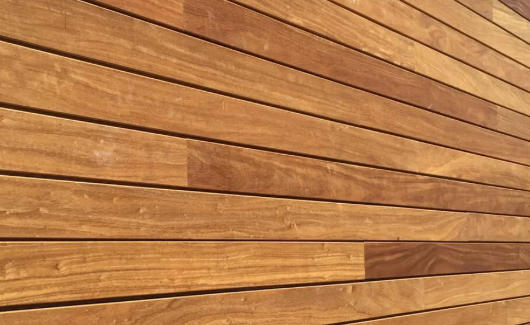
Iroko's visual personality shifts across its applications — its color, texture, and grain behavior vary depending on where and how it's used.
When used for furniture, Iroko offers a feeling of warmth and authenticity. Dining tables, desks, and cabinets made from Iroko gleam with a soft golden luster that complements both bohemian and modern minimalist interiors. Because of its dense structure, edges and corners can be carved into artistic shapes without losing definition.
Iroko flooring is a favorite among homeowners who want elegance balanced with practicality. The floorboards feature gorgeous variation in tone — from light gold to rich brown — adding visual depth and warmth to any living space. Over time, they take on a charming patina that enhances interior character.
Thanks to its durability and resistance to rot, Iroko is widely used for outdoor decking, garden furniture, and facades. When left unfinished outdoors, it naturally weathers to a subtle silver-gray shade, much like teak. Many designers appreciate this aged patina as it adds a coastal or rustic atmosphere to exterior spaces.
In the marine industry, Iroko has been long valued as a teak substitute for decking, railings, and trim. It maintains aesthetic integrity even when exposed to saltwater and sun, and regular oiling keeps its golden tone vibrant. When polished, it gleams like brass against the water's reflection.
With increased demand and teak-like appearance, Iroko is sometimes confused with other timbers. Here's how you can spot genuine Iroko:
1. Color progression: It darkens faster than teak when exposed to air.
2. Texture: Slightly coarser and drier feel compared to the smoother, oily teak grain.
3. Smell: Freshly cut Iroko emits a faint earthy or nutty odor.
4. Grain pattern: More irregular and interlocked, with alternating light and dark streaks.
5. Weight: Slightly lighter than teak, but still dense and strong.
Authentic Iroko stands out through its energetic visual grain pattern and golden richness that matures gracefully over decades.
Beyond its looks, Iroko's appeal is enhanced by its sustainability. Compared to teak — which faces stricter logging limitations — Iroko is more accessible and responsibly harvested. Many African forestry initiatives promote ethical Iroko sourcing, ensuring that buyers enjoy exotic beauty without contributing to ecological damage.
Visually, the ethical story behind Iroko enhances its charm. For many designers and consumers, knowing that such visual warmth comes from a renewable source makes it even more meaningful. This deeper connection between nature and craftsmanship contributes to Iroko's growing global popularity.
To help visualize Iroko's charming natural beauty, imagine these real-world scenarios:
- Image 1: A hand-planed Iroko tabletop gleaming under sunlight, its swirling interlocked grain forming soft waves of gold and brown.
- Image 2: A modern kitchen island finished in matte oil, showing darker reddish-brown undertones.
- Image 3: An outdoor deck slightly sun-bleached to elegant silver-gray, showing time's artistic touch over tropical hardwood.
Each visual moment reveals Iroko's adaptability to different aesthetics — from rustic outdoor spaces to refined modern interiors.
Preserving Iroko's visual charm requires minimal effort. Its natural oils protect the wood, but routine care ensures enduring beauty:
- Routine cleaning: Use mild soap and avoid harsh solvents.
- Re-oiling: Apply oil yearly for indoor furniture or bi-annually for outdoor decks.
- Natural aging: If you prefer the silver patina, allow it to weather naturally without oil.
- Protection: Use shade or awnings outdoors to manage even coloration.
Under proper care, Iroko maintains both structural integrity and a luxurious aesthetic for fifty years or more — embodying timeless beauty.
From a design perspective, Iroko's appearance ticks all the boxes — color adaptability, texture richness, and stylistic balance. Its tones harmonize perfectly with black steel frames, marble surfaces, and neutral textiles, making it an excellent material for both modern and traditional projects.
Architects frequently choose Iroko for façade cladding due to its visual warmth and natural grain contrast. Homeowners appreciate its low-luster elegance, which never appears too glossy or artificial. Whether used in Scandinavian-inspired interiors or tropical villas, Iroko blends functionality and artistry effortlessly.
Historically, Iroko wood held spiritual and cultural importance in several African societies. The Iroko tree was often considered sacred and majestic — believed to house protective spirits. This sense of reverence continues symbolically in modern woodworking, where artisans treat Iroko as a noble material representing strength, protection, and longevity.
Its rich look makes it a favorite for handcrafted artwork, sculpture bases, and ceremonial furniture, bridging tradition and modern utility.
Iroko wood is a visually rich, golden-brown hardwood with a timeless aesthetic that evolves gracefully with age. Its interlocked grain, subtle shimmer, and natural warmth give it an appeal that rivals teak. Whether used for boats, flooring, or contemporary furniture, Iroko's beauty lies in its natural transformation from golden youth to mature brown or silver-gray tones.
Its distinctive look captures the best of both exotic charm and understated sophistication — an invitation to bring nature's enduring beauty into everyday life.
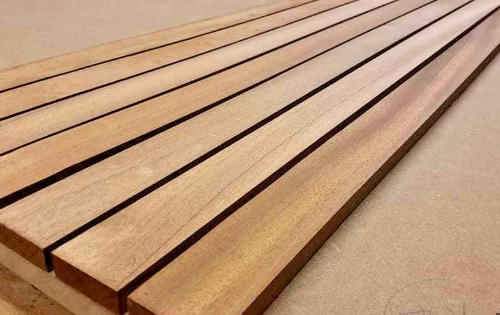
Iroko's natural tone ranges from golden-yellow to medium brown when new, gradually darkening into a deeper golden-chestnut shade with time and exposure.
Yes, Iroko looks similar to teak but has a more irregular, interlocked grain and slightly coarser texture. It is often used as a cost-effective alternative for projects requiring a teak-like appearance.
Over time, untreated Iroko weathers into a lovely silver-gray if used outdoors. Indoors, or with oiling, it darkens into deeper brown while developing subtle bronze hues.
You can, but clear finishes are generally best, as staining may mask its natural tones. Transparent or semi-gloss oils amplify grain depth and maintain golden warmth.
Its warm golden-brown hue complements neutral palettes, black metals, and minimalist forms. With its subtle grain variation, Iroko adds depth without overpowering modern aesthetics.


