
Views: 222 Author: SENHEDA WOOD Publish Time: 2026-05-26 Origin: Site


Iroko wood—often called African teak—is a durable, golden-brown hardwood prized for outdoor and structural applications, from decking and doors to marine projects. Drawing on over 16 years of hands-on experience in African timber sourcing and export, this guide explains not only Iroko's properties and uses, but also how global buyers can source it legally, sustainably, and at scale with a trusted supplier like HONG KONG SENHEDA WOOD LIMITED. [jurnal.bsi.ac]
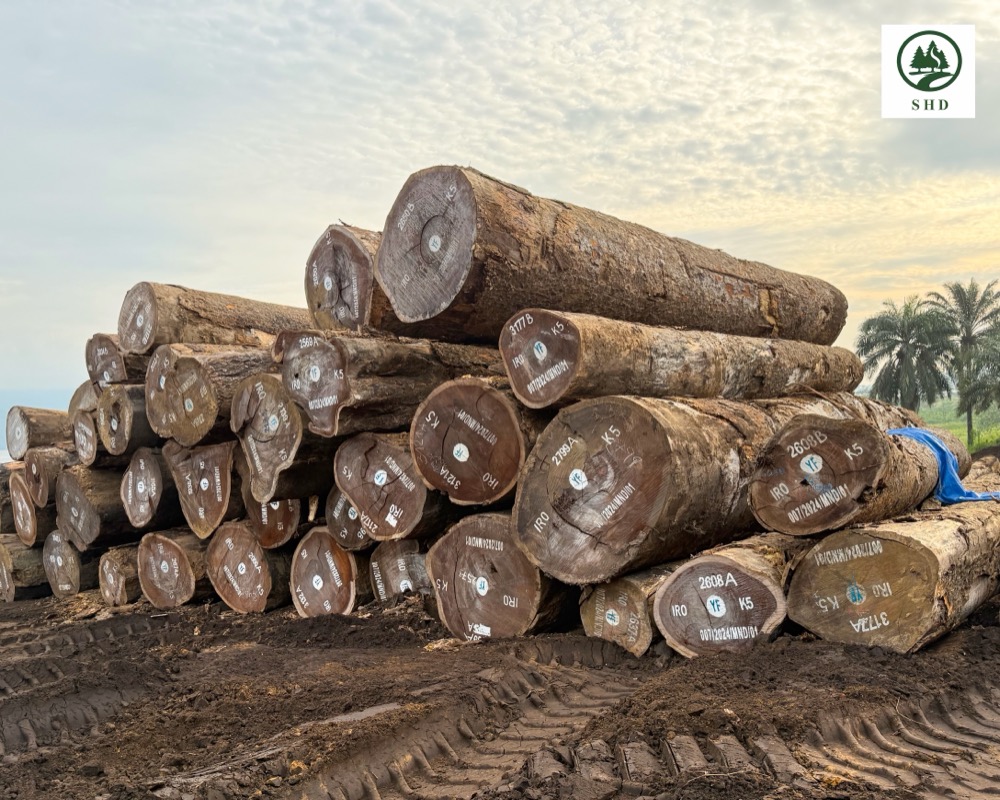
Iroko wood comes from the *Milicia* genus, primarily Milicia excelsa and Milicia regia, native to the tropical rainforests of West and Central Africa. It is widely known as "African teak" because of its similar appearance and durability, even though it is not botanically related to true teak. [jurnal.bsi.ac]
Iroko trees can reach heights of around 30–46 meters (up to 150 ft) and diameters of up to 1.8 meters, with lifespans reported at over 500 years in mature forests. This combination of size and longevity allows mills to produce long, stable boards suitable for structural and architectural projects. [jurnal.bsi.ac]
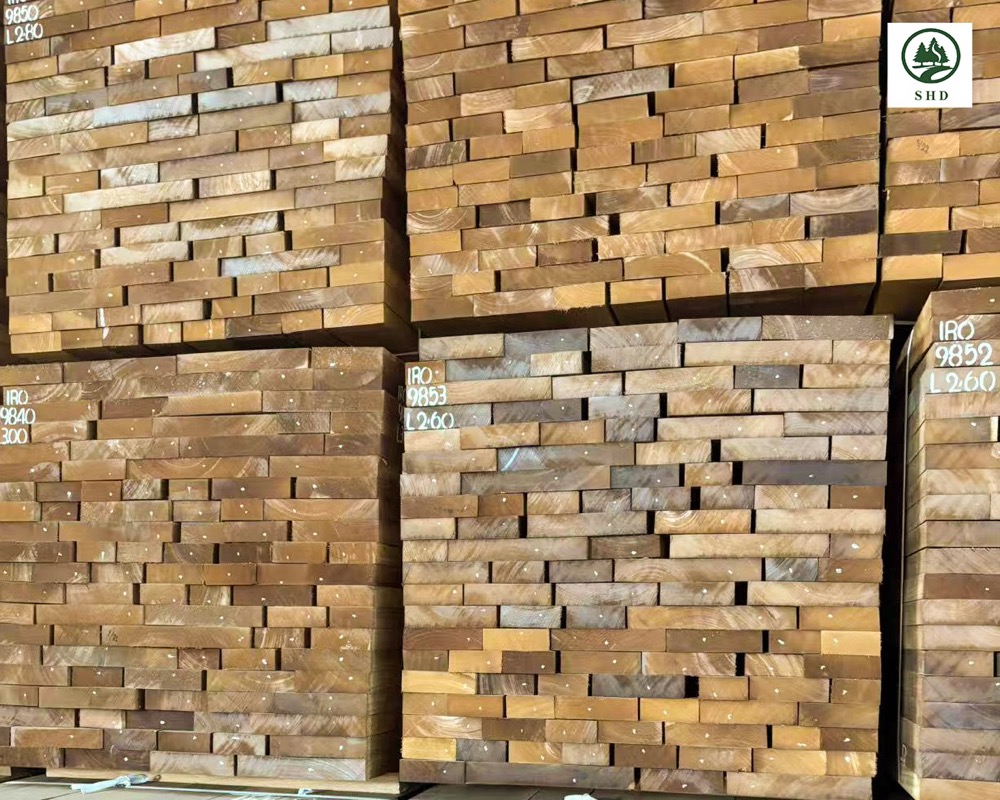
Freshly machined Iroko typically displays a pale yellow to golden-brown heartwood, clearly differentiated from its lighter sapwood. Over time, this heartwood darkens naturally into warm golden-brown, olive-brown, or even chocolate-brown tones, giving projects a richer, more mature look. [jurnal.bsi.ac]
The grain is usually interlocked and sometimes irregular, with a medium to coarse but even texture and occasional mottling, creating a visually striking surface for joinery, furniture, and interior paneling. The wood is slightly oily to the touch but carries no strong odor, making it pleasant to work with in indoor environments. [jurnal.bsi.ac]
Iroko is a medium–high density hardwood, with an average dried weight of about 660 kg/m³ (41.2 lbs/ft⊃3;). On the Janka hardness scale, it is typically reported around 1,190–1,260 lbf, placing it close to well-known durable species such as teak and many oaks. [jurnal.bsi.ac]
Mechanically, Iroko offers:
- Modulus of rupture around 14,080 lbf/in⊃2; (97.1 MPa), indicating strong bending strength.
- Elastic modulus of about 1,580,000 lbf/in⊃2; (10.90 GPa), reflecting good stiffness.
- Crushing strength near 7,750 lbf/in⊃2; (53.5 MPa), suitable for load-bearing applications.
Shrinkage values (radial 3.3%, tangential 4.8%, volumetric 8.8%) and a T/R ratio of 1.5 show moderate movement, supporting Iroko's reputation as a dimensionally stable timber in service.
Iroko evolved under intense tropical conditions—high heat, heavy rainfall, and strong sunlight—so its timber displays excellent natural durability. It is highly resistant to rot, decay, and insect attack, which is why it has long been favored for exterior joinery, decking, and marine work. [jurnal.bsi.ac]
Because of its oily, waxy nature, Iroko shows low rates of shrinkage and expansion with changing moisture content, making it dimensionally stable even in exposed conditions. Left untreated outdoors, the golden-brown color will gradually weather to a silver-grey patina, a finish many architects and designers intentionally seek. [jurnal.bsi.ac]
Despite its density, Iroko is generally considered fairly workable with both hand and machine tools, delivering good results in planing, turning, and moulding. It takes glue, nails, screws, and finishes reasonably well, with acceptable performance in steam bending for curved components. [jurnal.bsi.ac]
However, there are two important considerations:
- Tool blunting: Deposits of calcium carbonate in the wood can dull cutting edges faster than softer hardwoods, so carbide tooling and frequent sharpening are recommended. [jurnal.bsi.ac]
- Interlocked grain: Areas with pronounced interlocking can be prone to tear-out, especially when planing against the grain, so sharp blades and shallow passes are essential. [jurnal.bsi.ac]
Because Iroko is naturally oily, finishing often starts with wiping the surface using methylated spirits or similar cleaners to remove surface oils and improve adhesion of oils, varnishes, or film-forming coatings. [jurnal.bsi.ac]
Both Iroko and teak share a light golden brown color that deepens with age, strong natural resistance to decay, and an ability to withstand harsh outdoor environments with minimal treatment. As a result, Iroko is frequently known as "African teak" and used as a visual and functional substitute in furniture, decking, and marine applications. [jurnal.bsi.ac]
Teak is typically slightly more durable and water-resistant than Iroko, and in some tests shows higher resistance to prolonged water immersion, which is why it remains the benchmark for classic yacht decks. However, for many commercial and residential projects, Iroko delivers a comparable performance profile at a significantly lower cost. [jurnal.bsi.ac]
Iroko's combination of performance and availability makes it a go-to hardwood for many sectors: [jurnal.bsi.ac]
- High durability: Excellent resistance to rot and biological attack, ideal for exterior structures.
- Outdoor readiness: Often used without preservative treatment, especially when a natural grey patina is acceptable. [jurnal.bsi.ac]
- Cost-effective alternative to teak: Typically cheaper than teak, yet similar in appearance and performance, making it attractive for budget-conscious projects. [jurnal.bsi.ac]
- Versatile workability: Suitable for hand carpentry, joinery, and industrial processing alike. [jurnal.bsi.ac]
For many of our customers in Africa, Asia, and the Middle East, Iroko provides a balanced mix of durability, aesthetics, and price, particularly for mass-production of doors, windows, and outdoor furniture. [senhedawood]
Like any material, Iroko has trade-offs that specifiers and buyers should understand: [jurnal.bsi.ac]
- Allergenic potential: Some users report skin, eye, or respiratory irritation when exposed to Iroko dust; appropriate PPE and dust extraction are recommended.
- Tool wear: Its mineral content increases wear on cutting tools, adding maintenance costs in heavily mechanized operations. [jurnal.bsi.ac]
- Conservation concerns: While Iroko is not currently listed by CITES, it appears as "vulnerable" on the IUCN Red List in some regions, making responsible sourcing and legality verification critical. [spott]
Professional buyers should therefore prioritize legally verified, sustainably managed sources, both to ensure long-term supply and to comply with import regulations in markets like the EU and UK. [forestpolicy]
Iroko's durability and appearance make it suitable for a broad spectrum of applications: [jurnal.bsi.ac]
- Exterior joinery: Doors, windows, frames, and cladding.
- Decking and flooring: Residential and commercial, including vehicle and container flooring in high-wear environments.
- Cabinetry and furniture: Especially for projects where a warm, teak-like look is desired.
- Veneer and paneling: For plywood faces and interior wall panels, leveraging its distinctive grain.
- Marine and shipbuilding: Decks, structural elements, and fittings thanks to its moisture resistance. [jurnal.bsi.ac]
In our own operations, Iroko is frequently specified for large-volume exports to Vietnam and other Asian manufacturing hubs, where it is transformed into finished doors, furniture, and engineered products for global markets. [senhedawood]
Because of its natural oils and high durability, Iroko does not strictly require preservative treatment before outdoor use. Many projects allow it to weather naturally to a silver-grey finish over 12–24 months, especially in coastal environments. [jurnal.bsi.ac]
For customers who wish to retain the original golden color, we typically recommend:
1. Surface preparation: Wipe boards with methylated spirits to remove surface oils and contaminants. [jurnal.bsi.ac]
2. Penetrating oil finishes: Apply a clear or lightly pigmented exterior oil, renewing periodically as part of routine maintenance. [jurnal.bsi.ac]
3. Regular inspection: Check for surface checking or raised grain in harsh climates and lightly sand before re-coating if needed. [jurnal.bsi.ac]
This approach balances low maintenance with long-term aesthetics, particularly for premium residential and commercial projects.
Global awareness of deforestation and illegal logging means that tropical hardwood buyers face increasing regulatory scrutiny, including frameworks similar to EUTR and other legality requirements for imported timber. [yywtimber]
Key considerations for Iroko buyers include:
- Legal origin: Documentation of harvesting rights, concession details, and compliance with local forestry laws. [spott]
- Supply chain transparency: Clear chain-of-custody records from forest to mill to port, reducing the risk of illicit timber entering your supply. [forestpolicy]
- Sustainable forest management: Preference for suppliers who work with managed concessions and adhere to environmental and social standards. [spott]
Working with established African timber specialists not only supports long-term forest viability but also protects your business from compliance risks, shipment delays, and reputational damage in end markets. [yywtimber]
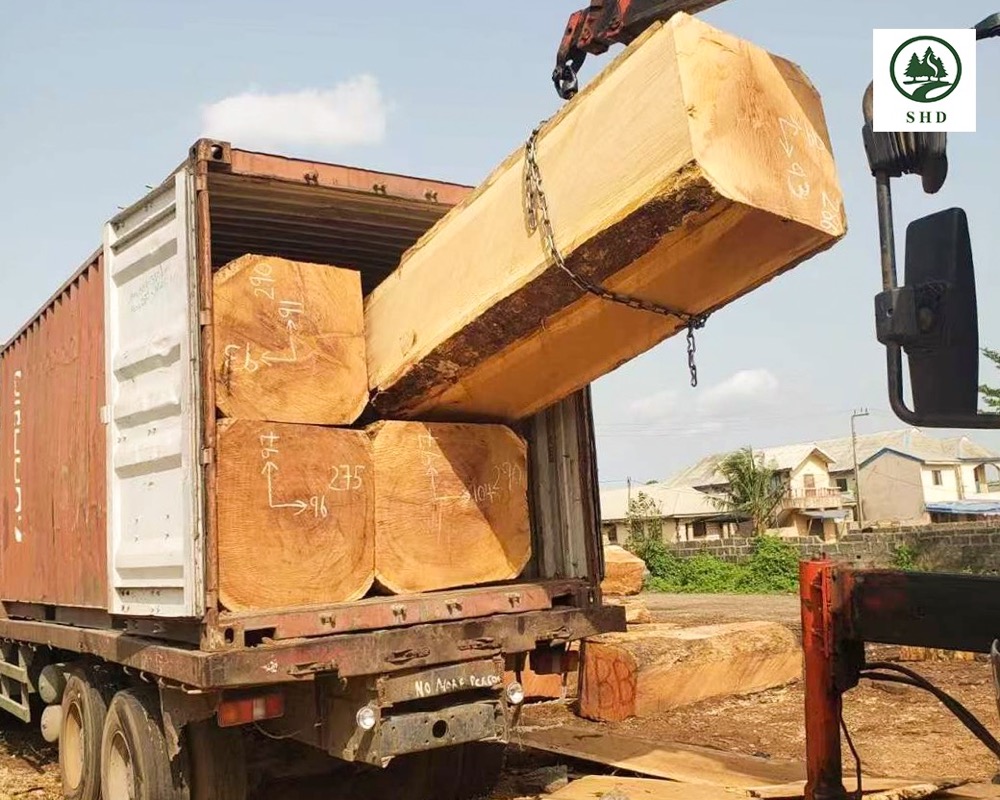
As a professional African timber supplier with more than 15–16 years of dedicated experience in the African timber trade, HONG KONG SENHEDA WOOD LIMITED has built a robust network across Congo, Gabon, Angola, Cameroon, Equatorial Guinea, and the DRC. Our operations currently handle approximately 4,000–8,000 tons (or CBM) of African timber per month, with more than 200 containers shipped to Vietnam alone. [cn.linkedin]
Beyond Iroko, we supply a wide range of species such as Okoume, Tali, Okan, Padouk, Sapelli, Mussivi, Bosse, Doussie, Pachyloba, Dabema, Bilinga, Movingui, Kossip, Zebrawood, Azobe, and more, enabling our partners to consolidate multiple hardwood requirements with a single, reliable exporter. [cn.linkedin]
To help procurement managers and factory buyers choose the right Iroko supplier, here is an expert-oriented checklist based on our daily work with global clients: [senhedawood]
1. Define end-use and specifications
- Clarify whether Iroko will be used for decking, joinery, flooring, marine, or industrial flooring, as this affects grade, thickness, and moisture content.
2. Set structural and aesthetic requirements
- Decide on grade (clear vs. knotty), acceptable color variation, and whether interlocked grain is a design feature or something to minimize.
3. Verify legal and sustainability documentation
- Request documents demonstrating legal harvesting and export, aligned with your market's timber regulations. [yywtimber]
4. Agree on technical parameters
- Confirm MC (moisture content), machining tolerances, and packaging standards to match your downstream production lines.
5. Plan logistics and port options
- Coordinate container volume, port of loading in Africa, and destination ports such as Vietnam or other Asian and Middle Eastern hubs. [senhedawood]
6. Test batches before full-scale orders
- For new applications, run trial batches to validate machining behavior, finishing compatibility, and dimensional stability in your specific climate and processes.
By following this process, buyers can reduce risk, optimize costs, and ensure consistent quality when integrating Iroko into their product lines.
Partnering with a specialist like HONG KONG SENHEDA WOOD LIMITED offers:
- Stable high-volume supply: Monthly capacity of 4,000–8,000 tons (or CBM) of African timber, including significant Iroko volumes. [senhedawood]
- Global reach: Proven experience exporting over 200 containers per month to Vietnam, with additional shipments to other regions worldwide. [senhedawood]
- On-the-ground expertise: Long-term presence and partnerships in multiple African countries, ensuring local insight into forest resources, regulations, and logistics. [cn.linkedin]
- Tailored solutions: Ability to match sizes, grades, and species combinations to your project portfolio, from doors and furniture to heavy outdoor structures. [cn.linkedin]
For manufacturers and distributors seeking a long-term Iroko source, this combination of scale, experience, and technical understanding significantly simplifies procurement.
If you are planning a new decking line, exterior joinery program, marine application, or industrial flooring project, Iroko offers a rare blend of durability, aesthetics, and cost-efficiency.
As a dedicated African timber supplier with 16+ years of field experience, HONG KONG SENHEDA WOOD LIMITED can help you:
- Specify the right Iroko grades and dimensions for your product line.
- Ensure legally compliant, sustainable sourcing aligned with global regulations. [spott]
- Secure reliable monthly volumes from 4,000–8,000 tons (or CBM), with flexible shipping options to your target markets. [senhedawood]
Contact our team today to discuss your Iroko requirements, request technical data, or arrange a trial shipment—and build a more durable, sustainable product range with confidence. [cn.linkedin]
1. Is Iroko suitable for outdoor decking without treatment?
Yes. Thanks to its high natural durability and oily nature, Iroko can be used outdoors without chemical treatment, especially when a silver-grey patina is acceptable. However, applying a quality exterior oil helps maintain its golden color and extend service life under harsh conditions. [jurnal.bsi.ac]
2. How does Iroko compare to teak in terms of price and performance?
Iroko is generally more affordable than genuine teak, while offering comparable durability and weather resistance for many applications. Teak remains superior in long-term marine immersion, but for most architectural and furniture uses, Iroko is a cost-effective substitute. [jurnal.bsi.ac]
3. What should I watch out for when machining Iroko?
Iroko can dull cutting tools faster than softer species due to calcium carbonate deposits, so carbide tooling and regular sharpening are recommended. Its interlocked grain may cause tear-out, so use sharp blades, fine passes, and pay close attention to grain direction during planing. [jurnal.bsi.ac]
4. Is Iroko a sustainable choice?
Iroko is not listed under CITES, but has been identified as vulnerable in some conservation assessments, making sustainable forest management and legal verification essential. Choosing suppliers with transparent sourcing, legal documentation, and long-term forest commitments helps ensure it remains a responsible option. [forestpolicy]
5. What volume of Iroko can HONG KONG SENHEDA supply monthly?
Our operations handle approximately 4,000–8,000 tons (or CBM) of African timber per month, with significant Iroko capacity and more than 200 containers exported to Vietnam alone. Depending on your specifications and scheduling, we can structure regular monthly shipments to meet ongoing production needs. [cn.linkedin]
1. K-TIMBER. "Iroko Wood: Properties, Characteristics & Uses."
https://k-timbers.com/iroko-wood-properties-characteristics-uses/
2. Duffield Timber. "Iroko Wood: Appearance, Uses, Properties, Sustainability & Price." [jurnal.bsi.ac]
https://duffieldtimber.com/the-workbench/buyers-guides/your-guide-to-iroko
3. SPOTT / ZSL. "Tropical Timber: A Guide to Responsible Sourcing and…". [spott]
4. World Resources Institute. "Sourcing Legally Produced Wood – A Guide." [forestpolicy]
5. HONG KONG SENHEDA TRADE LIMITED – Official Website. "Home." [senhedawood]
http://www.senhedawood.com
6. HONG KONG SENHEDA WOOD LIMITED – LinkedIn Company Profile. [cn.linkedin]
7. YYW Timber. "Sourcing Legal Iroko: The Expert Guide to EUTR & FSC Compliance." [yywtimber]


