Views: 222 Author: SENHEDA WOOD Publish Time: 2026-06-03 Origin: Site
Content Menu
● What Makes African Hardwoods Highly Sourced?
● African Hardwood: Core Benefits for Global Buyers
>> Exceptional Mechanical Performance
>> Natural Durability and Insect Resistance
>> Distinctive Aesthetic Appeal
● Key African Hardwood Species Global Buyers Prefer
>> Sapele
● Beyond the "Big Four": Wider Species Portfolio
● Why Global Buyers Prefer Experienced African Timber Suppliers
>> Stable Volume and Logistics Capability
>> Multi‑Country Sourcing and Risk Diversification
● Due Diligence: How to Vet African Timber Suppliers
>> 1. Verify Documents and Legality
>> 2. Inspect Operational Reality
>> 3. Align on Grading and Moisture Standards
● Practical Checklist: Selecting the Right African Hardwood
● Case Insight: Serving High‑Volume Asian Manufacturers
● How a Professional Supplier Supports Your Timber Projects
● Call to Action: Plan Your Next African Hardwood Shipment
● FAQs About African Hardwoods and Sourcing
African hardwoods remain among the most sought‑after materials in the global timber trade because they combine exceptional strength, durability, and visual character with a growing emphasis on legal and sustainable sourcing. Drawing on 16 years of first‑hand experience in African timber supply, this guide explains why African hardwoods are so highly sourced and how to choose the right supplier and species for long‑term, profitable projects. [blog.sagipl]
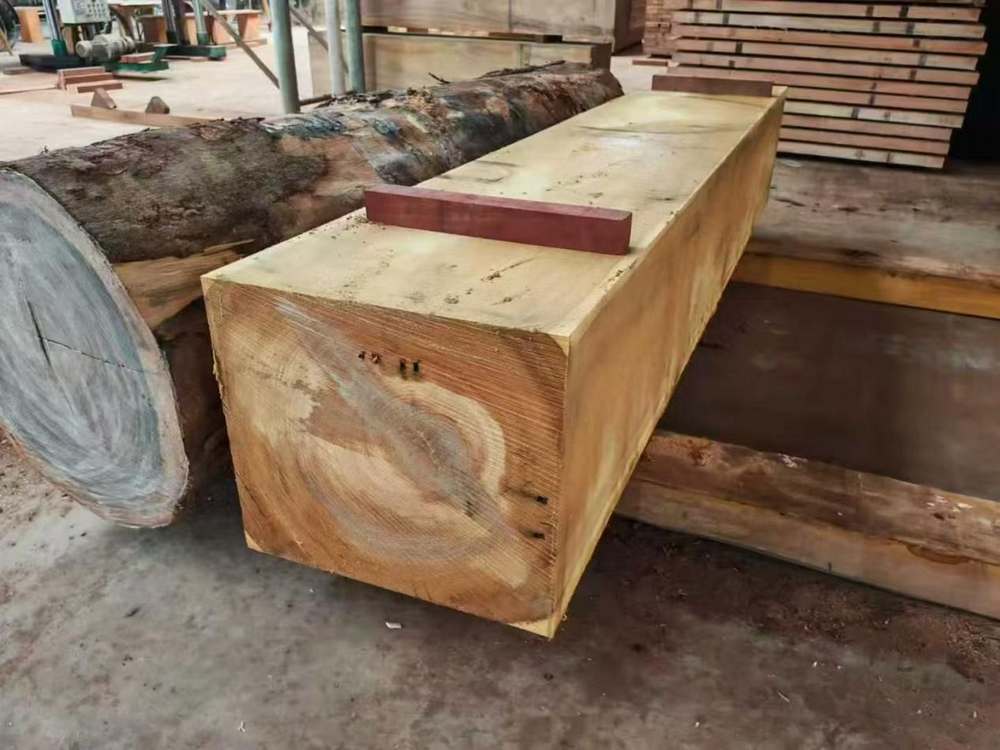
African hardwoods are in high demand because they offer a rare balance of mechanical performance, design versatility, and supply scale across multiple African regions. When sourced responsibly from experienced exporters, they support everything from high‑end furniture factories in Asia to infrastructure and marine projects worldwide. [duffieldtimber]
From a procurement and manufacturing perspective, buyers consistently value African hardwoods for several reasons:
- High density and strength for structural and heavy‑duty use. [duffieldtimber]
- Natural durability and insect resistance, reducing maintenance and replacement costs.
- Rich species diversity, providing multiple solutions across different price points and end uses. [blackwoodconservation]
- Scalable supply, with stable log and sawn timber flows from Central and West Africa to key processing hubs such as Vietnam and China. [senhedawood]
Most commercial African hardwoods have medium‑to‑high density, which translates into excellent load‑bearing capacity, wear resistance, and long service life in demanding environments. Species such as Iroko, Doussie (Afzelia), and Tali are widely used in structural, marine, and exterior applications because they stand up to heavy traffic, moisture, and UV exposure. [blackwoodconservation]
For manufacturers and contractors, this means:
- Longer replacement cycles for flooring, decking, and joinery.
- Better stability in outdoor and coastal projects.
- Increased confidence when specifying wood for public or commercial spaces.
Many African hardwoods have natural oils, dense fibers, and interlocked grain that offer resistance to decay, fungi, termites, and marine borers. Iroko, for example, has long been viewed as an "African teak" alternative because of its ability to perform outdoors without aggressive chemical treatment.
This intrinsic durability reduces dependence on heavy preservative treatments and helps end users meet increasingly strict environmental regulations in European and Asian markets. [yywtimber]
African species are prized for color, figure, and texture that are difficult to replicate with other regions' timbers.
- Sapele: Deep reddish‑brown with ribbon‑like, interlocked grain, popular for furniture, doors, and veneers.
- African Mahogany (Khaya): From pale pink to dark reddish‑brown with a warm, classic appearance for interior joinery and boatbuilding.
- Padauk: Vibrant red‑orange tones, ideal for statement pieces and decorative panels. [blog.sagipl]
Designers frequently request close‑up surface images of these woods to assess grain, uniformity, and color variation before placing volume orders.
- Origins: Tropical Central Africa, from Mozambique to Guinea.
- Common uses: Exterior decking, fencing, flooring, boatbuilding, and outdoor furniture.
- Appearance: Golden to yellowish‑brown, gradually darkening with age.
Iroko trees grow slowly—some living up to 500 years—which contributes to the density and stability of the timber. The wood is highly resistant to insect attack and weathering, making it one of the most popular choices for exterior use where long‑term performance is essential. [duffieldtimber]
- Origins: West African tropical rainforests.
- Common uses: Flooring, furniture, paneling, veneer, musical instruments, and boatbuilding.
- Appearance: Initially pale yellow, darkening to rich reddish‑brown with characteristic ribbon grain.
Because Sapele offers a luxury look at a competitive price, it is widely used as a substitute for genuine mahogany in large‑scale furniture and door factories. Producers also appreciate that Sapele machines and finishes well, allowing consistent quality in high‑volume production.
- Origins: Tropical West, Central, and East Africa.
- Common uses: Veneer, furniture, plywood, boatbuilding, interior millwork, and turned items.
- Appearance: Pale pink to dark reddish‑brown with occasional darker streaks; medium‑to‑coarse texture.
African Mahogany combines a classic appearance with relatively easy machining and moderate durability, making it an excellent option for interior projects where visual warmth and workability are critical. It also serves as a cost‑effective choice for yacht interiors, paneling, and premium interior doors. [duffieldtimber]
- Origins: West, Central, and East Africa.
- Common uses: High‑class joinery, doors, window frames, flooring, staircases, and carved decorative doors and chests.
- Appearance: Light when freshly sawn, maturing to a rich reddish‑brown; medium‑to‑coarse texture with interlocked grain.
Afzelia (often traded as Doussie) is known for stability during seasoning and strong resistance to wear, which is why it is frequently specified for high‑traffic floors and structural joinery. Its ability to take a high polish also makes it suitable for high‑end residential and commercial interiors.
In practice, global buyers and manufacturers often require a broader mix of species to balance cost, performance, and availability. In addition to Iroko, Sapele, African Mahogany, and Doussie, experienced African suppliers regularly trade: [cn.linkedin]
- Okoume: Lightweight, ideal for plywood and marine panels. [cn.linkedin]
- Tali and Okan: Extremely dense and durable woods for heavy‑duty structures and marine works. [blog.sagipl]
- Padouk, Bosse, Movingui, Zebrawood: Specialty timbers used for decorative veneers, furniture accents, and premium joinery. [cn.linkedin]
For buyers, working with a supplier that covers this full species portfolio simplifies sourcing and allows more flexible specification across different projects and markets. [senhedawood]
Significant industrial buyers—particularly in Vietnam and China—need suppliers who can handle large volumes consistently.
HONG KONG SENHEDA WOOD LIMITED, for example, manages around 4,000–8,000 tons (CBM) of African timber each month and exports approximately 200 containers to Vietnam alone. This level of operation requires strong on‑ground networks in countries such as Gabon, Cameroon, Congo, Equatorial Guinea, Ghana, Liberia, Côte d'Ivoire, and Nigeria. [blog.sagipl]
For importers, that scale translates into:
- More predictable shipping schedules.
- Better container consolidation and freight rates.
- Reduced risk of production stoppages due to raw material shortages.
Because African hardwood species are distributed across multiple countries and forest zones, multi‑country sourcing is essential to minimize weather, permit, and policy risk. Suppliers with an established presence in several African markets can shift volumes between origins when necessary while maintaining quality and legality standards. [yywtimber]
This is especially important for buyers supplying long‑term framework contracts or large construction programs where any supply disruption can be costly.
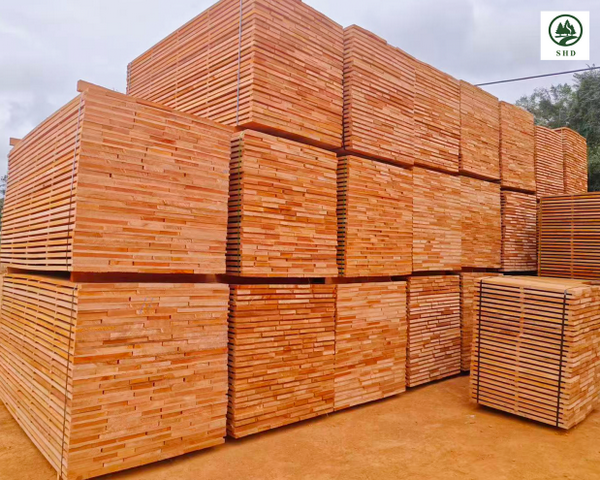
As demand for African hardwoods has grown, so have challenges like fraud, mis‑grading, and illegal logging. Buyers need to apply disciplined vetting processes before committing to new suppliers. [yywtimber]
Professional importers routinely request and check:
- CITES permits for protected species, verifying permit numbers with relevant national authorities. [yywtimber]
- Chain of Custody (CoC) documents under FLEGT or equivalent schemes to ensure legal origin and traceability. [yywtimber]
- Export licenses, packing lists, and phytosanitary certificates that are consistent across all documents. [yywtimber]
Any hesitation, inconsistent paperwork, or refusal to share documentation is a strong red flag.
To confirm that a supplier is more than a "paper trader," experienced buyers now ask for:
- Short "proof of life" videos walking through log yards or sawmills with the buyer's name and the current date visible. [yywtimber]
- Footage of specific machines (bandsaws, kilns, loaders) in operation. [yywtimber]
- Time‑stamped photos of logs or lumber bundles showing species, dimensions, and marking systems.
This simple step filters out many fraudulent offers before any deposit is paid.
Misunderstandings around grading and moisture content are a frequent cause of disputes. Serious suppliers will be clear about:
- Whether they follow ATIBT grading rules, NHLA, or internal factory grading standards. [yywtimber]
- Typical moisture content ranges for air‑dried and kiln‑dried material and the drying schedules they use. [yywtimber]
- How they handle defects, over‑measure, and realistic recovery rates.
Putting these points in writing avoids expensive surprises once the timber reaches the destination port.
When choosing a species and specification for your project, consider the following practical steps:
1. Define end use clearly. Outdoor decking, indoor flooring, marine structures, and decorative panels each require different durability and aesthetic levels. [duffieldtimber]
2. Match species to performance needs. For example, use Iroko or Tali for exterior and marine exposure, Sapele or African Mahogany for interior joinery and furniture, and Afzelia for premium flooring and staircases. [blog.sagipl]
3. Balance budget and lifecycle cost. Higher‑density, more durable species may cost more upfront but reduce long‑term maintenance and replacement costs. [blackwoodconservation]
4. Check supply stability. Confirm whether your chosen species is available at the required volume and frequency over the full project timeline. [blog.sagipl]
5. Confirm legality and certification. Whenever possible, prioritize suppliers offering documented legal origin, traceability, and, where applicable, certification under recognized schemes. [ikf.co]
Asian manufacturing hubs, particularly Vietnam, have become major processors and exporters of furniture, plywood, and flooring using African hardwoods. Suppliers that understand both African forest realities and Asian factory requirements are in the best position to support sustainable growth. [olkadigital]
With over 16 years in the African timber trade and a strong operational presence in multiple African countries, HONG KONG SENHEDA WOOD LIMITED has built long‑term partnerships with Vietnamese manufacturers requiring stable volumes of Okoume, Iroko, Sapele, Doussie, and other species. Managing around 200 containers per month into Vietnam ensures continuous supply, optimized shipping, and responsive after‑sales support for customers across Asia and beyond. [cn.linkedin]
An experienced African timber exporter does far more than ship logs or sawn boards. To truly reduce risk and improve project outcomes, look for suppliers that:
- Advise on species selection based on your market, product mix, and technical requirements. [kulmi]
- Provide pre‑shipment grading photos, measurements, and packing lists for verification.
- Offer flexible combinations of logs, squares, and sawn lumber to match your production lines. [blog.sagipl]
- Maintain dedicated contacts for logistics, quality control, and documentation to ensure smooth communication.
HONG KONG SENHEDA WOOD LIMITED, for example, has built a diversified sourcing network in Gabon, Cameroon, Congo, Equatorial Guinea, Ghana, Liberia, Côte d'Ivoire, Nigeria, and other countries, allowing it to adapt to changing regulations and market conditions while keeping supply stable. [cn.linkedin]
If you are planning new flooring, decking, furniture, or plywood production and need reliable African hardwood supply at scale, it is essential to work with a partner that combines on‑ground African experience with efficient export operations. [blog.sagipl]
With 16+ years of dedicated focus on African timber, monthly handling of 4,000–8,000 tons of goods, and over 200 containers shipped to Vietnam each month, HONG KONG SENHEDA WOOD LIMITED is ready to support your next project with stable volumes, consistent quality, and professional documentation. [cn.linkedin]
Contact our team today to discuss species options, grades, and logistics for your upcoming orders, or to schedule a consultation on optimizing your African hardwood sourcing strategy.

1. Are African hardwoods sustainable and legally sourced?
African hardwoods can be sustainably and legally sourced when suppliers follow national regulations, obtain valid CITES permits for protected species, and maintain full Chain of Custody documentation under frameworks such as FLEGT. Buyers should always request and verify these documents before placing orders. [ikf.co]
2. Which African hardwood is best for outdoor decking?
Iroko is one of the most popular choices for exterior decking because of its high density, natural durability, and resistance to insects and weathering. In particularly demanding marine or heavy‑duty environments, very dense species like Tali or Okan may also be specified. [blackwoodconservation]
3. Why do many factories prefer Sapele over other species?
Sapele offers an attractive reddish‑brown color, a distinctive ribbon grain, good mechanical properties, and competitive pricing, making it a versatile substitute for traditional mahogany in flooring, furniture, and doors. It also machines and finishes well, which is critical for high‑volume industrial production.
4. How can I avoid scams when buying African timber?
To minimize risk, always verify CITES and export documents, request proof‑of‑life videos from the log yard or sawmill, confirm grading rules and moisture standards, and start with smaller trial orders before scaling up. Working with established suppliers that have proven export records and physical operations in multiple African countries further reduces exposure to fraud. [cn.linkedin]
5. What information should I prepare before requesting a quotation?
You should define your end use, preferred species, target dimensions, moisture requirements, grade expectations, monthly volume, and destination port. Providing this information upfront allows professional suppliers to recommend the most suitable species mix, optimize loading plans, and give accurate pricing and lead times. [olkadigital]
1. K‑Timber. "Why Are African Hardwoods Always Highly Sourced?" (accessed 2026). <https://k-timbers.com/why-are-african-hardwoods-always-highly-sourced/>
2. HONG KONG SENHEDA WOOD LIMITED – Company information and product overview. <http://www.senhedawood.com/about.html> [blog.sagipl]
3. TopRank Marketing. "E‑E‑A‑T and SEO: Optimizing for Google's Guidelines." 2025. [toprankmarketing]
4. IKF. "Google E‑E‑A‑T in SEO: Increase Your Website Credibility." 2026. [ikf.co]
5. YYW Timber. "Vetting African Timber Suppliers: 7 Critical Red Flags." 2026. [yywtimber]
6. Duffield Timber. "Sourcing African Hardwoods: Our Visit to Cameroon & Congo." 2024. [duffieldtimber]
7. OLKA Digital. "Mastering SEO for African and U.S. Markets." 2025. [olkadigital]
8. Kulmi Digital. "How SEO Works for African Businesses: A Beginner's Guide." [kulmi]
9. SAG IPL. "SEO Case Study: Cameroon Timber Export Website." [blog.sagipl]
10. LinkedIn. "HONG KONG SENHEDA WOOD LIMITED – Company Profile." [cn.linkedin]


