Views: 222 Author: SENHEDA WOOD Publish Time: 2026-06-13 Origin: Site
Last year around this time, a long time client of mine – a purchasing manager at a mid sized furniture factory in Vietnam – sent me a message:
“Anna, Sapelli has gone up again. This quarter it’s 15% higher than last year. My boss wants an alternative, but we cannot change the look, cannot change the process, and cannot delay delivery. What do you suggest?
I didn’t rush to push a product. Instead, I asked him three questions:
“Can your end customers accept a slightly lighter shade?”
“Do you have any room to adjust your sanding and coating line?”
“Are you willing to try one container first and see the finished result?”
He said: a little lighter is fine, the coating line can be tweaked, and he was willing to try.
So I sent him Tiama samples.
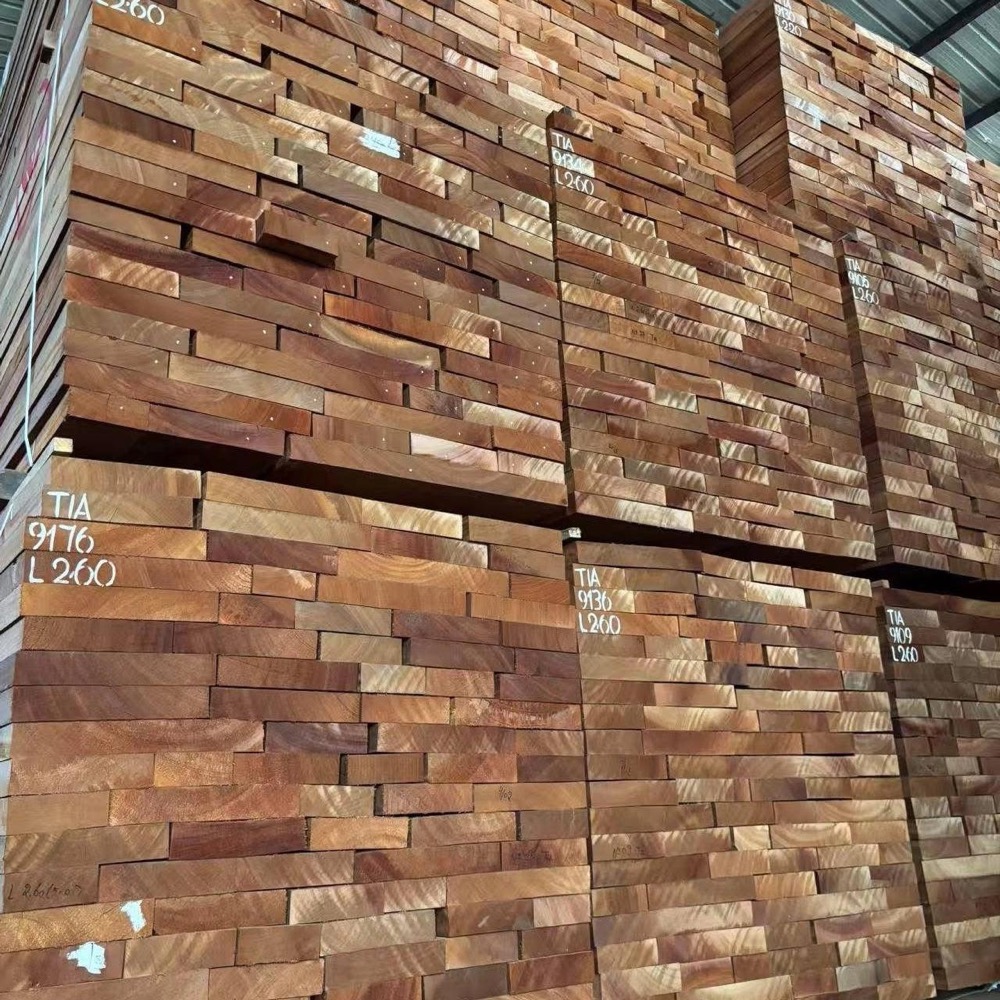
Because Tiama and Sapelli are “close brothers” – they belong to the same Entandrophragma genus of the Meliaceae family. They share similar grain, comparable density, and almost identical workability.
But Tiama has one advantage that Sapelli does not: price stability.
FAS grade Sapelli has risen 12–18% over the past 18 months and often faces supply disruptions.
FAS grade Tiama is priced 15–20% lower than Sapelli, and with our dual origin sourcing (Congo and Gabon), we have never experienced a supply shortage.
The customer tried one container. What happened? His production supervisor reported a 94% yield – gluing, sanding, and finishing were flawless. The finished pieces were placed in the showroom, and not a single dealer could tell the difference. His boss was very satisfied.
Now, he orders 2 containers of Tiama and 1 container of Sapelli every month – maintaining his premium line while lowering overall costs.
You don’t have to stick rigidly to traditional species for every order. When markets fluctuate and costs rise, those “underestimated” alternative species can become your profit moat.
Tiama is not a “cheap” wood. It is a genuine, high quality material – just not as well known as Sapelli.
The real facts about Tiama:
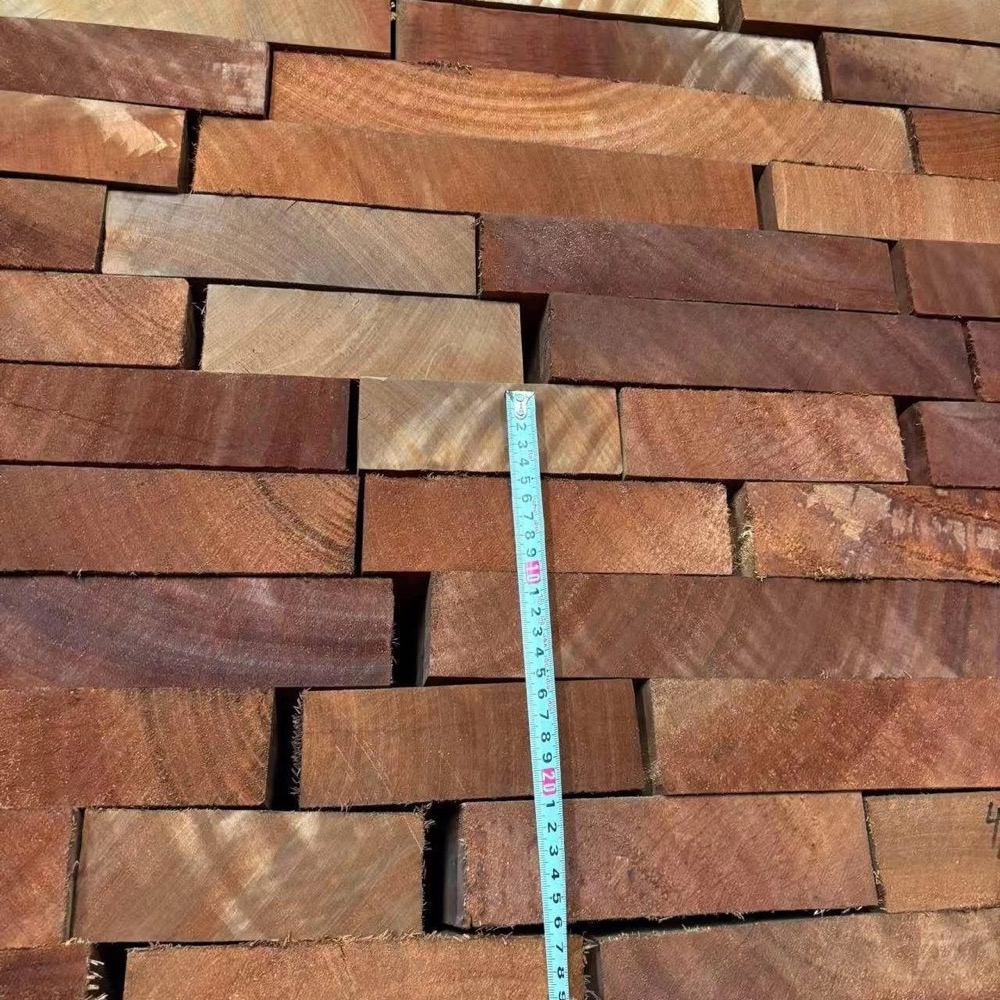
Air dry density 0.56–0.63 g/cm³ – slightly lighter than Sapelli, but more than strong enough for furniture, doors, windows, and joinery.
Janka hardness approx. 940 lbf – suitable for most interior applications.
Natural durability Class 3 (EN 350) – fine for indoor use and outdoor applications without ground contact.
Reddish brown with violet undertones; quarter sawn surfaces show fine ribbon stripes that look great after finishing.
Most importantly: At the same FAS grade, thickness and length, Tiama can save you 15–20% on raw material costs compared to Sapelli.
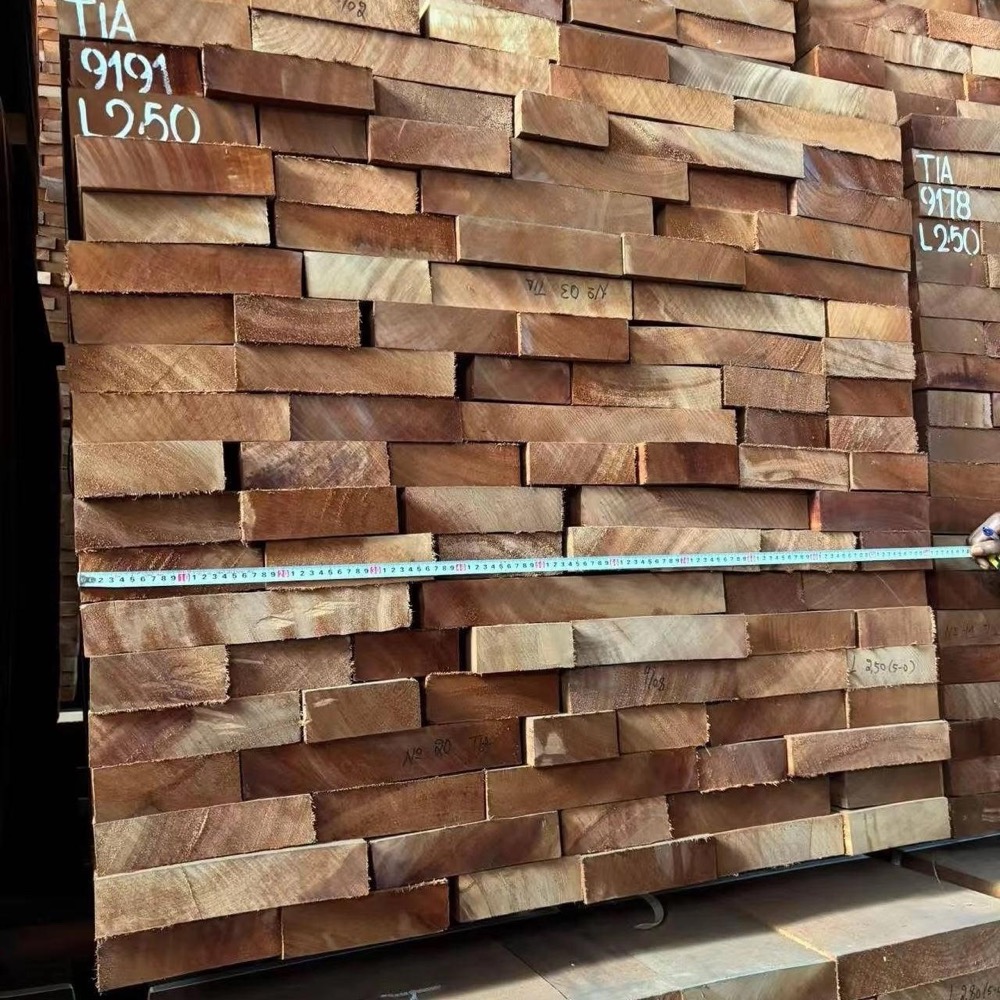
HONG KONG SENHEDA WOOD LIMITED operates its own factories and holds long term concession rights in Congo and Gabon – we source directly from the origin.
Every Tiama log is graded at source according to FAS standards.
Third party inspection (SGS, BV, etc.) at the loading port is welcome – you pay after confirming the grade.
50mm KD (kiln dried) lumber is available; standard specifications can be shipped 15–20 days after contract confirmation.
FSC certification and full traceability documentation are available upon request.
Dual origin supply (Congo + Gabon) means you never suffer from a single country’s policy changes.
Every batch of Tiama is genuinely graded – you can check, inspect, or even reject if it does not meet the agreed grade.
We can start with samples, or ship a small trial container. You don’t have to commit to a full year’s volume – just tell me your required thickness, length, and grade.
I will send you a real stock list and a reference quotation – no tricks.
HONG KONG SENHEDA WOOD LIMITED
WhatsApp / WeChat / Call:
+86 13534205619 (Anna Liu)
+86 13530895049 (Vivian)
Visit us: www.shdtimber.com