
Views: 218 Author: SENHEDA WOOD Publish Time: 2026-07-20 Origin: Site


Some woods are selected for their strength. Others are chosen for their appearance. Umbila wood offers both.
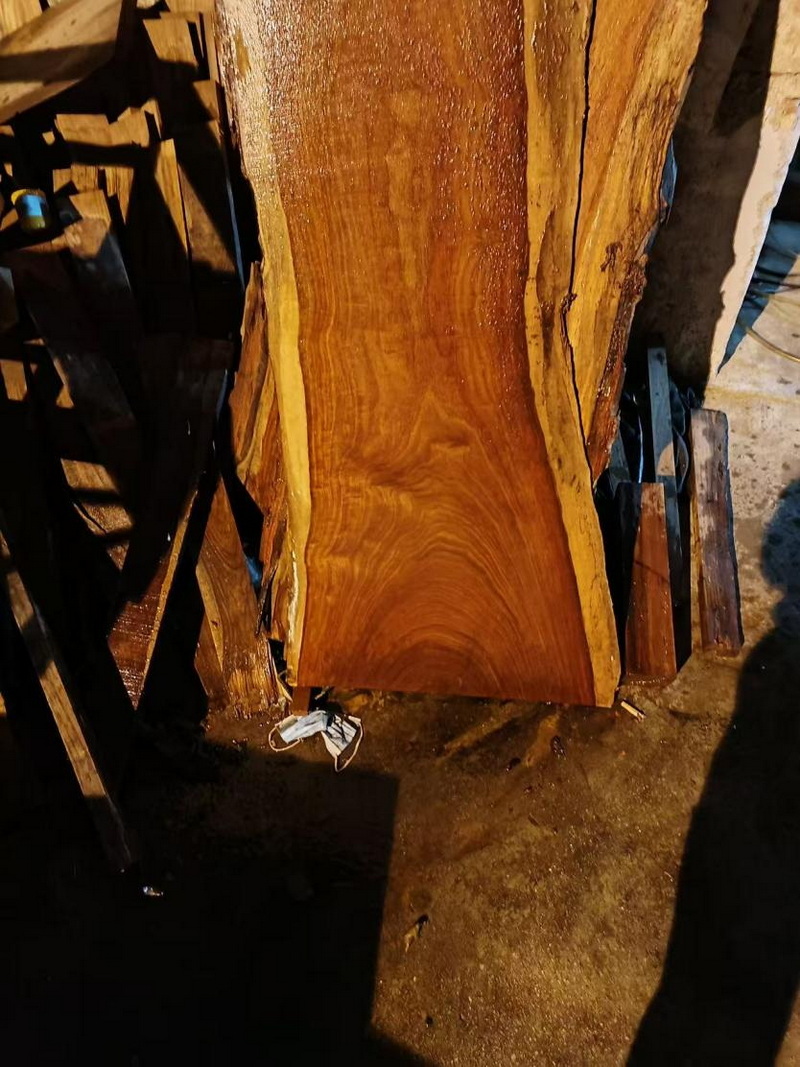
Also known as Kiaat or Muninga, Umbila is an African hardwood with rich reddish-brown tones, expressive grain and a naturally warm character. Every board looks slightly different, allowing furniture and interior products to retain a distinctive and natural identity.
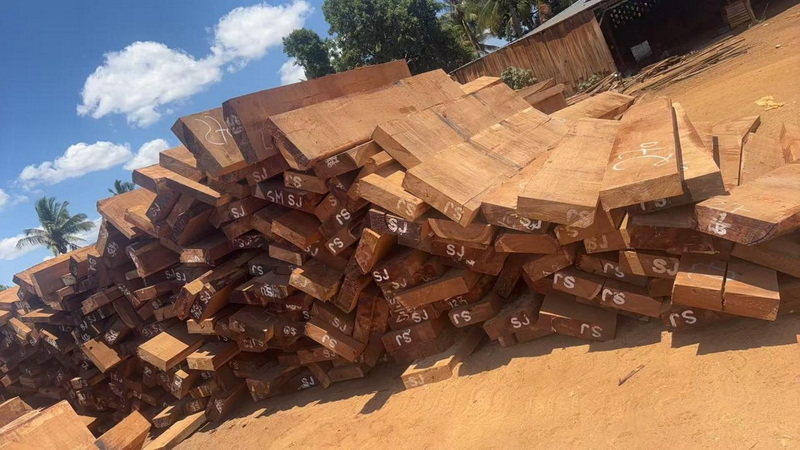
Umbila wood has a warm reddish-brown color with decorative grain patterns. After sanding and finishing, the surface develops an elegant appearance suitable for high-quality furniture and interior decoration.
Umbila is a durable African hardwood with good resistance to wear and decay. It can be used for both indoor and selected outdoor applications when properly processed and maintained.
Properly dried Umbila timber offers good dimensional stability. It is less likely to experience serious deformation when the moisture content and drying process are carefully controlled.
Umbila wood can be processed using standard woodworking machinery. It performs well during sawing, planing, sanding, turning and polishing, making it suitable for different manufacturing requirements.
Its combination of durability, stability and natural beauty makes Umbila an excellent material for furniture factories, flooring manufacturers, construction companies and timber wholesalers.
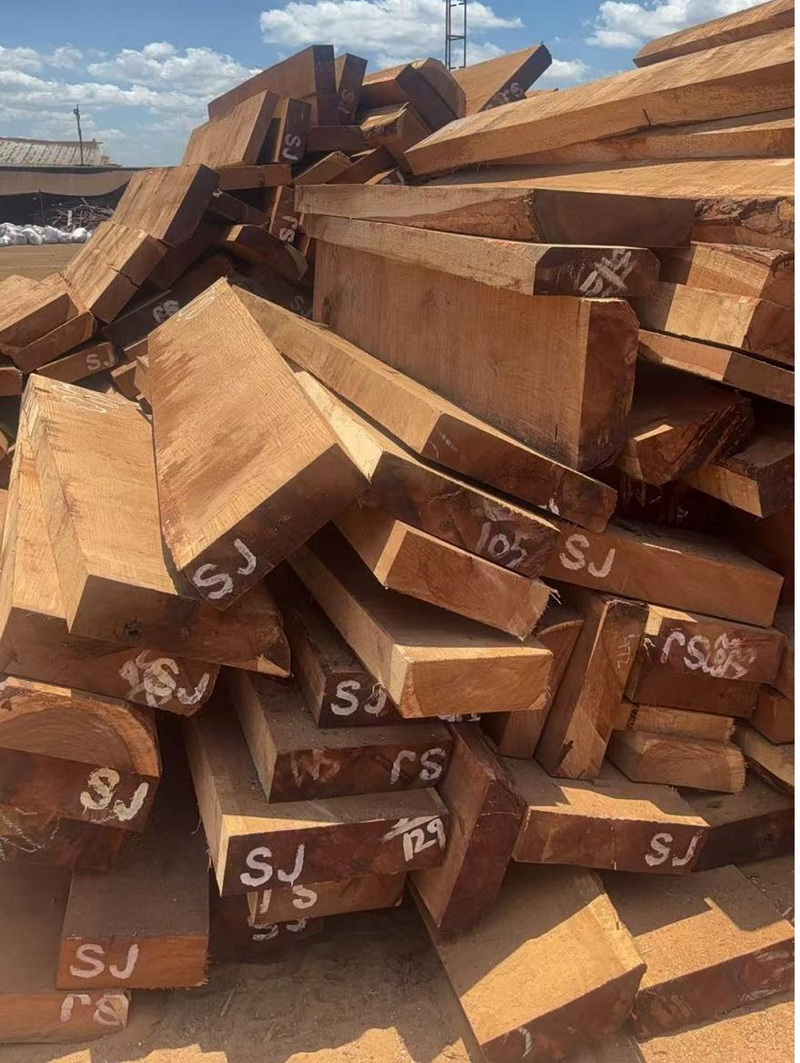
Freshly processed Umbila may appear golden brown or light reddish-brown. With time and exposure to light, its color gradually deepens, creating a warmer and more sophisticated appearance.
Once sanded and finished, the grain becomes clearer and the surface develops an elegant natural sheen. This makes Umbila timber particularly suitable for:
· Dining tables and solid wood furniture
· Cabinets and decorative joinery
· Flooring and staircases
· Doors and window frames
· Wall panels and interior decoration
· Outdoor furniture and selected exterior projects
Its appearance is often compared with teak, but Umbila has its own recognizable African character.
Umbila is not simply a decorative hardwood. It is also valued for its durability, stability and workability.
For manufacturers, Umbila wood can be sawn, planed, sanded and polished efficiently. When properly dried, it offers good dimensional stability and performs well in furniture, flooring and joinery production.
For importers and wholesalers, it is a versatile product that can serve several market segments, from furniture factories to construction and interior design projects.
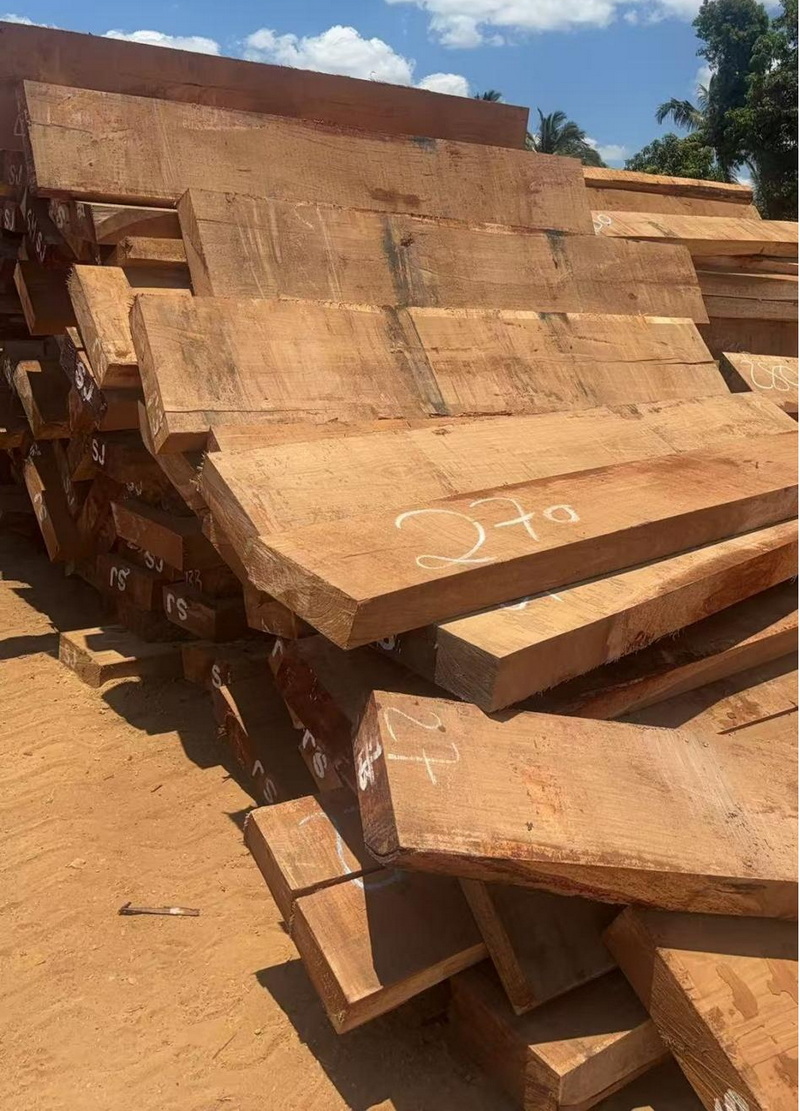
At SHD WOOD, we understand that buying timber involves more than selecting a species. Dimensions, moisture content, grade, color and consistency must all match the final application.
We can supply Umbila wood in different forms, including:
· Rough-sawn timber
· Air-dried timber
· Kiln-dried timber
· Random-width boards
· Square timber
· Customized dimensions
Before shipment, photos and videos can be provided so buyers can check the timber’s appearance, dimensions and general quality.
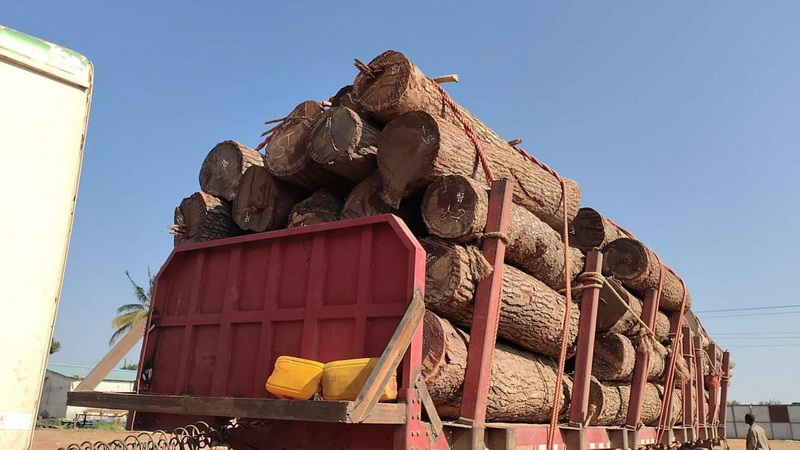
With more than 17 years of experience in the African timber industry, SHD WOOD supplies hardwood products to timber importers, wholesalers, furniture manufacturers and project contractors worldwide.
We provide direct African sourcing, flexible specifications, stable supply and professional export support. Both FOB and CNF quotations are available according to your destination port.
If Umbila is part of your next purchase, send us your required thickness, width, length, quantity and destination port. We will provide the available specifications, product photos, videos and our latest quotation.
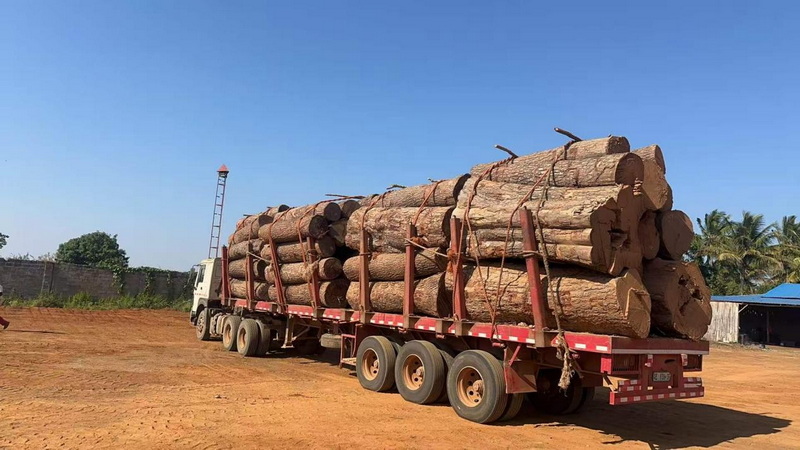
SHD WOOD – Your Reliable African Hardwood Supplier
WhatsApp / WeChat / Call:
+86 13534205619 (Anna Liu)
+86 13530895049 (Vivian)
Website: www.shdtimber.com


