
Views: 222 Author: SENHEDA WOOD Publish Time: 2026-05-27 Origin: Site


As a timber supplier with over 16 years of hands‑on experience in African hardwoods, I've seen how proper iroko wood care can easily double the service life and beauty of furniture, decking, and interior joinery. In this guide, I'll walk you through how to care for iroko wood surfaces and furniture step‑by‑step, combining on‑site experience in Africa with proven maintenance practices used by furniture makers and contractors around the world. [ecochoice.co]
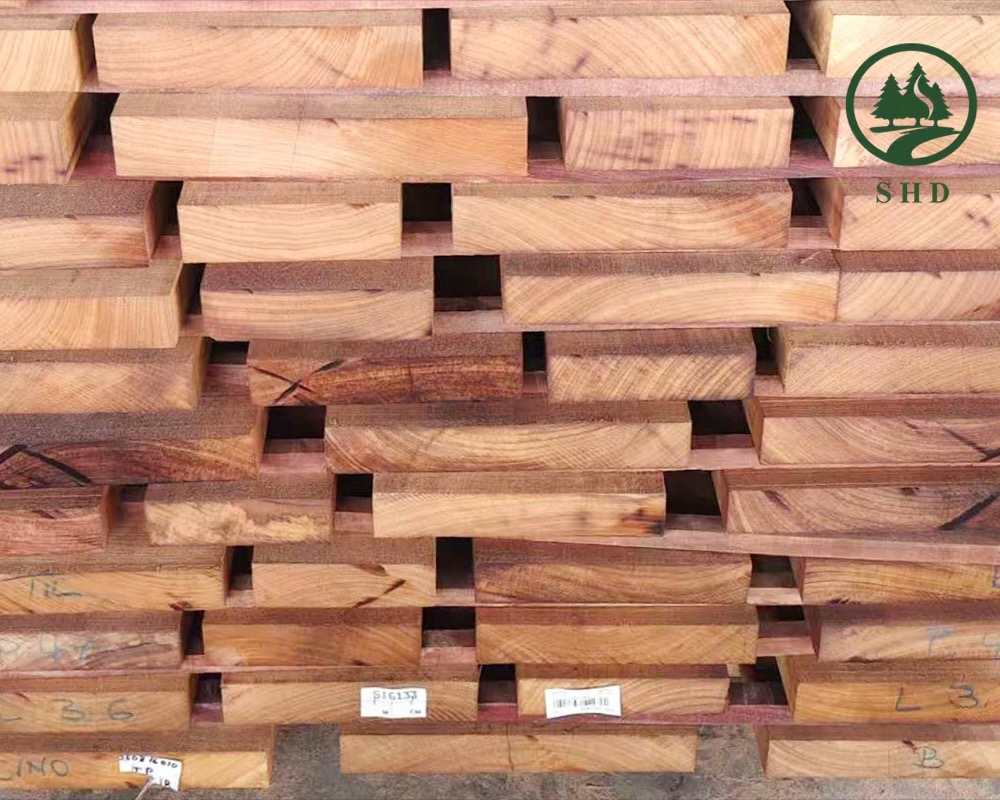
Iroko is a West African hardwood valued for its strength, dimensional stability, and natural resistance to decay, insects, and mold. Thanks to its durability, it is widely used in indoor furniture, outdoor decking, marine applications, doors, staircases, and high‑end joinery across Europe, America, and the Middle East. [iwood.co]
Iroko's performance advantages come from:
- High natural oil and tannin content, which helps resist insects and fungal attack. [ecochoice.co]
- Good dimensional stability, limiting warping, shrinking, and cracking under temperature and humidity changes. [iwood.co]
- High density and low thermal expansion, which support long‑term structural reliability in demanding applications. [scribd]
Even with these strengths, iroko still requires regular care if you want to preserve its warm color, fine grain, and structural integrity over the long term. [ecochoice.co]
In our export and project support work, we often see two types of iroko: pieces that have been maintained properly and still look "new" after 8–10 years, and pieces that were neglected and turned grey, cracked, or stained in just a few seasons. [scribd]
Proper iroko wood care matters because it:
- Protects against UV and weather: Sunlight and rain gradually break down the surface fibers and natural oils, causing fading, hairline cracks, and surface roughness. [iwood.co]
- Preserves natural color and grain: Iroko naturally ages to a silver‑grey outdoors if left untreated, which some people like—but many buyers want to keep the warm golden‑brown tone. [ecochoice.co]
- Prevents moisture‑related damage: Standing water and high humidity can lead to swelling, micro‑cracks, and localized rot if finishes are not maintained. [ecochoice.co]
- Maintains economic value: Well‑kept iroko furniture or decking retains higher resale and aesthetic value, reducing replacement and repair costs over time. [iwood.co]
In short, iroko is low‑maintenance, not "no‑maintenance". A simple routine of cleaning and periodic re‑oiling is usually enough to keep it performing at its best. [scribd]
Because iroko is so versatile, care routines differ slightly between indoor and outdoor applications. [iwood.co]
Common iroko applications include: [ecochoice.co]
- Indoor furniture and tabletops
- Kitchen worktops and counters
- Stair treads, doors, and window frames
- Outdoor decking and cladding
- Garden furniture and benches
- Marine fittings and exterior joinery
Environment‑specific care:
- Indoor iroko: Lower UV exposure and more stable humidity; focus on dust control, mild cleaning, and wax/oil maintenance to keep the surface smooth and rich. [iwood.co]
- Outdoor iroko: Direct sun and rain; prioritize UV‑resistant oils or stains, water‑repellent finishes, and regular inspection for algae, mold, and surface checking. [scribd]
Basic cleaning is the foundation of iroko wood care. In our experience supporting furniture factories and end users, surfaces that are cleaned correctly need fewer aggressive repairs later. [ecochoice.co]
For indoor iroko furniture and worktops:
1. Dust regularly with a soft, non‑abrasive cloth or microfiber duster to remove grit that can scratch the surface. [iwood.co]
2. Wipe with mild soap and water when needed:
- Mix a small amount of mild, pH‑neutral soap in warm water. [iwood.co]
- Dampen a soft cloth, wring it out well, and wipe along the grain.
3. Avoid harsh cleaners (bleach, ammonia, strong solvents) that strip natural oils and dry out the wood. [ecochoice.co]
4. Dry thoroughly with a clean cotton cloth to prevent water from soaking into the wood and causing swelling or water marks. [ecochoice.co]
For outdoor iroko decking and furniture:
- Use a soft‑bristle brush and a mild soap solution to remove dirt and organic matter. [ecochoice.co]
- Rinse with clean water and let it dry completely before re‑oiling or covering. [ecochoice.co]
- For stubborn algae or moss, use a specialist timber cleaner designed for hardwoods and follow the manufacturer's instructions. [ecochoice.co]
A traditional technique used by some carpenters is a homemade cleaning mix of olive oil and lemon juice (typically 1:2). This can help lift dirt and enhance sheen on indoor iroko surfaces. However, avoid using pure olive oil alone, as it can attract dust and leave a sticky residue over time. [iwood.co]
Even though iroko is naturally resistant to mold and insects, poor ventilation and constant moisture can still create localized problems. [iwood.co]
To prevent mold and mildew:
- Keep the room or outdoor area well‑ventilated and avoid trapping moisture around the wood. [ecochoice.co]
- Do not cover outdoor furniture with non‑breathable covers for long periods in humid climates. [ecochoice.co]
- Wipe up spills immediately, especially around joints and end grain. [ecochoice.co]
To remove early‑stage mold from iroko:
1. Vacuum or brush the surface using a soft brush attachment to remove loose spores. [ecochoice.co]
2. Wipe the affected area with a nearly dry cloth dipped in mild soapy water. [ecochoice.co]
3. Dry the surface completely with a clean towel.
4. Once fully dry, consider applying a protective oil or finish to seal the surface again. [scribd]
If mold is persistent or deeply embedded, a specialist timber cleaner or professional refinishing may be required. [ecochoice.co]
Paste wax can be an excellent way to protect the finish of indoor iroko furniture, reduce minor surface scratches, and enhance depth of color. [iwood.co]
Best practices for waxing iroko:
- Choose a high‑quality furniture wax or natural wax (often beeswax‑based) formulated for wood furniture. [iwood.co]
- Always apply wax in thin layers, not thick coats, to avoid cloudiness and streaking. [iwood.co]
- Between wax applications, avoid liquid or spray polishes that can dissolve the wax film. [iwood.co]
Step‑by‑step wax application:
1. Lightly sand the surface with very fine sandpaper if needed to remove raised grain or minor imperfections, then remove dust. [iwood.co]
2. Wrap a spoonful of wax in a piece of 100% cotton cloth and knead it until soft. [iwood.co]
3. Rub the waxed cloth onto the furniture in small sections, following the grain, until scratches are less visible and the surface is evenly coated. [iwood.co]
4. Wipe off excess wax with a clean cotton cloth. [iwood.co]
5. Buff with a soft cloth; you can also use a buffing pad on a drill at low speed to achieve a deeper sheen. [iwood.co]
6. For a richer finish, apply a second thin coat and buff again after the first has cured. [iwood.co]
With normal indoor use, a good wax finish can last up to two years, as long as the surface is dusted regularly. [iwood.co]
Even dense hardwoods like iroko eventually show scratches, dents, and small cracks, especially in high‑traffic or commercial environments. [iwood.co]
For light surface scratches:
- Use beeswax sticks or wax filler to fill hairline scratches, then buff and re‑wax the area. This method is widely used by carpenters and restorers for hardwood furniture. [iwood.co]
For small cracks or gaps:
- Mix fine iroko sawdust with a suitable wood glue to form a color‑matched filler, then warm it slightly to improve flow. [iwood.co]
- Press the mixture into the crack until level with the surface, let it cure, then sand and refinish. [iwood.co]
For deep damage, heavy wear, or structural issues, it is usually more effective to sand the entire area back and re‑oil or re‑finish, or to consult a professional. [ecochoice.co]
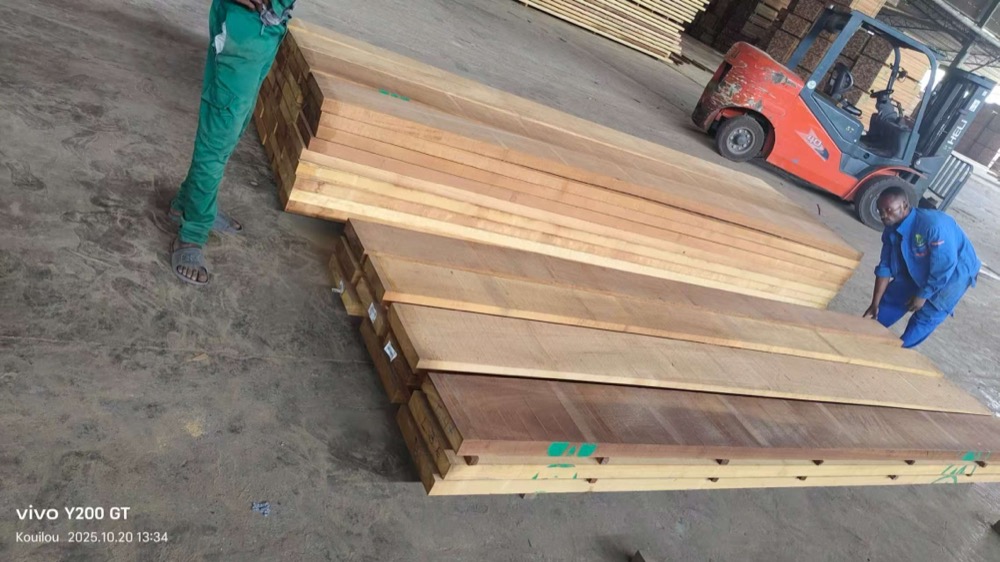
From a supplier perspective, the choice of oil or finish is one of the most common and important questions clients ask us. [scribd]
For tables, countertops, and interior joinery, the goal is usually to enhance natural color, provide stain resistance, and keep maintenance simple. [iwood.co]
Good options include:
- Hard wax oils and top oils such as Timber Tect, Bison Wax, or Osmo Top Oil, which combine oil penetration with a protective film. [iwood.co]
- Natural wax polish over an existing oil finish for additional sheen and surface protection. [iwood.co]
For external applications, focus on UV and moisture protection. [scribd]
Recommended approaches:
- Apply a UV‑resistant exterior oil or stain soon after installation to slow down color change and surface checking. [ecochoice.co]
- Use water‑repellent oils or stains to reduce water absorption and improve longevity, especially in high‑rainfall or coastal regions. [scribd]
- Plan on regular oil maintenance, often on an annual cycle, depending on exposure. [scribd]
When cleaning or refinishing, always follow the product manufacturer's instructions for drying times, application temperature, and recoating intervals. [scribd]
To help customers plan realistically, we often suggest a simple maintenance calendar for iroko wood. [scribd]
| Application type | Basic cleaning frequency | Full inspection & spot repairs | Re‑oil / re‑finish cycle |
|---|---|---|---|
| Indoor furniture/tabletops | Weekly dusting iwood.co | Every 6–12 months iwood.co | Every 1–2 years iwood.co |
| Indoor worktops | Daily wipe in use iwood.co | Every 6 months iwood.co | 12–18 months iwood.co |
| Outdoor furniture | Monthly clean | Every 6 months | Annually |
| Decking/cladding | Seasonally | Twice a year | Annually or as needed |
This schedule is a practical starting point; highly exposed coastal or tropical sites may require more frequent maintenance, while sheltered locations might allow longer intervals. [scribd]
Over the years, we have seen the same avoidable mistakes damage good iroko projects. [scribd]
Avoid these common issues:
- Using aggressive cleaners or detergents that strip natural oils and dry out the wood. [ecochoice.co]
- Leaving standing water on tabletops, decks, or stair treads, especially near joints and edges. [ecochoice.co]
- Skipping re‑oiling for years in harsh climates, which accelerates UV degradation and surface cracking. [scribd]
- Applying thick, uneven coats of wax or oil, leading to sticky surfaces and patchy appearance. [iwood.co]
- Poor design or installation, such as decking without adequate drainage, which traps water and dirt. [ecochoice.co]
By avoiding these pitfalls and following a simple care routine, most iroko installations can deliver many years of reliable service with a naturally beautiful finish. [scribd]
As a specialized African timber supplier with over 16 years of experience, we do more than just load containers. We support customers across Asia, Europe, and other regions in choosing the right species, grades, and treatment plans for their projects. [cn.linkedin]
Our team has hands‑on experience with iroko from forest to finished project, including: [cn.linkedin]
- Stable sourcing of African hardwoods such as iroko, padauk, tali, okan, sapelli, and more.
- Monthly handling capacity of thousands of tons of timber, supporting large‑scale and long‑term projects.
- Close cooperation with manufacturers, traders, and project owners to align wood selection and maintenance instructions with real‑world site conditions.
When you plan an iroko project—whether it is furniture exports to Vietnam, decking for a European resort, or joinery for Middle Eastern construction—we can provide species selection, grading advice, and care guidelines tailored to your climate and usage scenario. [cn.linkedin]
From an industry standpoint, iroko is often chosen as a cost‑effective alternative to teak while still delivering robust performance. Some practical use cases we frequently support include: [scribd]
- Outdoor hospitality projects: Resort decking and poolside furniture that must withstand intense sun and periodic wetting. [scribd]
- High‑traffic public spaces: Benches, stairs, and handrails in commercial buildings, where hardness and durability are critical. [scribd]
- Marine and coastal applications: Exterior doors, cladding, and fittings that face salt‑laden air and high humidity. [scribd]
In each case, we recommend combining proper species selection with a documented maintenance plan to ensure performance meets design life expectations. [scribd]
If you're planning a project that requires reliable, high‑quality African iroko—and a partner who can support you with realistic care and maintenance guidance—we can help. [cn.linkedin]
- Tap into our 16+ years of African timber expertise. [cn.linkedin]
- Secure stable monthly volumes suitable for long‑term production and export. [cn.linkedin]
- Get project‑specific advice on finish systems and maintenance schedules for your market and climate. [scribd]
Contact our team today to discuss your iroko requirements, request technical data, or ask for a tailored maintenance recommendation for your current projects.
1. Does iroko wood need oiling?
Yes. While iroko is naturally durable, periodic oiling or finishing helps preserve its color, improve water resistance, and reduce surface checking, especially outdoors. [scribd]
2. How often should I re‑oil iroko decking?
In most climates, plan to clean and re‑oil iroko decking about once a year, adjusting frequency based on UV exposure, rainfall, and wear. [scribd]
3. Can I leave iroko untreated outdoors?
You can, but the wood will gradually weather to a silver‑grey color and may show more surface roughness over time. Many owners choose to oil it to maintain the warm brown tone. [ecochoice.co]
4. What is the best way to clean indoor iroko furniture?
Use regular dusting, occasional wiping with mild soapy water, and thorough drying. Avoid harsh chemicals, abrasive pads, and soaking the wood. [iwood.co]
5. How do I fix small cracks in iroko furniture?
For minor cracks, use a filler made from fine iroko sawdust and wood glue, press it into the crack, let it cure, sand smooth, and then refinish with oil or wax. [iwood.co]
1. iWood Timber Merchants – "What is iroko wood?"
https://www.iwood.co.uk/articles/240/what-is-iroko-wood/ [iwood.co]
2. Ecochoice – "Caring for your Iroko wood surfaces"
https://ecochoice.co.uk/caring-for-iroko-wood-surfaces/ [ecochoice.co]
3. Kiln Dried Iroko Data Sheet
https://www.scribd.com/document/995129174/Kiln-Dried-Iroko-Data-Sheet [scribd]
4. HONG KONG SENHEDA WOOD LIMITED – Company Profile
https://cn.linkedin.com/company/hong-kong-senheda-trade-limited [cn.linkedin]
5. K‑TIMBER – "How to Care for Iroko Wood Surfaces and Furniture"
https://k-timbers.com/how-to-care-for-iroko-wood-surfaces-and-furniture/
6. TopRank Marketing – "E‑E‑A‑T and SEO: Optimizing for Google's Guidelines"
https://www.toprankmarketing.com/blog/eeat-seo-google-guidelines-experience-expertise-authority-trust/ [toprankmarketing]


