
Views: 222 Author: SENHEDA WOOD Publish Time: 2026-06-16 Origin: Site


Content Menu
● What Is a Live Edge Table and Why Wood Choice Matters
● Key Factors When Choosing Wood for a Live Edge Table
● Overview: Best Woods for Live Edge Tables
>> Core Live Edge Table Woods at a Glance
● 1. Walnut: The Timeless Favorite for Live Edge Tables
● 2. Takula Padauk: A Bold Statement with African Roots
● 3. Sycamore: Light, Elegant, and Understated
● 4. African Mahogany (Acajou d'Afrique): Warm, Refined, and Versatile
● 5. Maple: Bright, Durable, and Family-Friendly
● Underrated Live Edge Woods for Unique Projects
● Practical Checklist: How to Choose Your Live Edge Slab
● Expert Insight: Why African Timber Performs So Well for Live Edge Tables
● Emerging Trends: Live Edge Tables in 2026 Interiors
● How to Match Wood Species to Your Space
● Sourcing Live Edge Wood from Africa: What Buyers Should Ask
● Call to Action: Plan Your Next Live Edge Project with a Reliable Timber Partner
● Frequently Asked Questions (FAQ)
Live edge tables have become a signature piece in modern interiors, and choosing the right wood species is the single biggest factor that determines how your table will look, age, and perform over time. This guide combines hands-on sourcing experience from African timber supply with practical design and woodworking insights to help you choose the best wood for your live edge table project. [facebook]
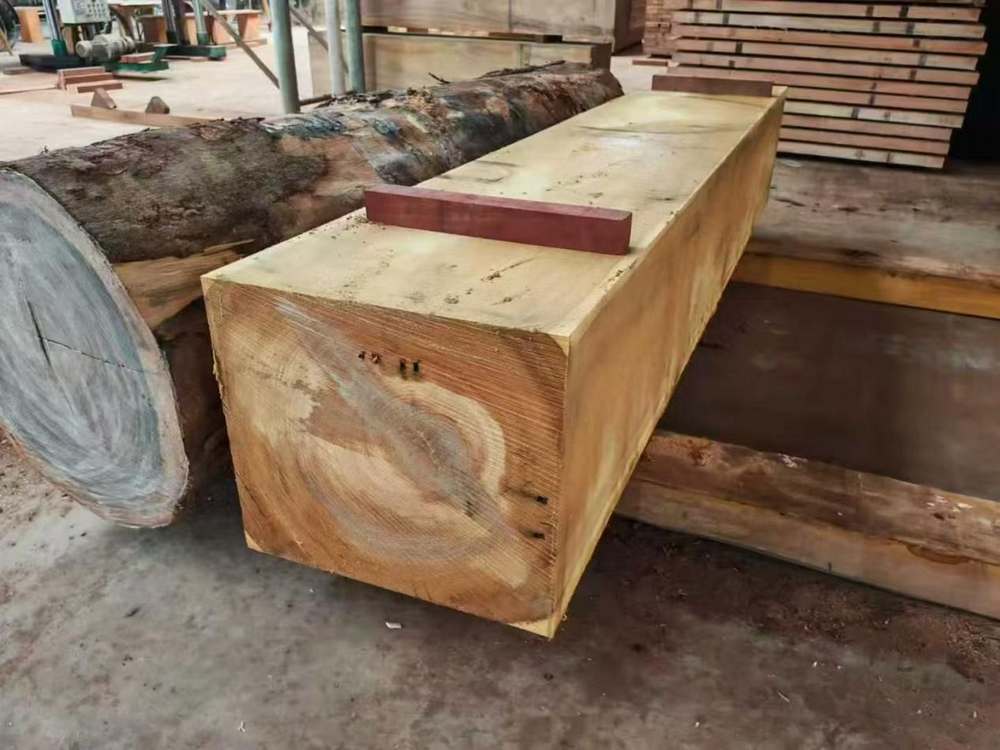
A live edge table preserves the tree's natural edge, keeping the organic, irregular contour of the trunk visible along one or both sides of the tabletop. Instead of a perfectly straight, milled edge, you see curves, waves, knots, and grain transitions that make each slab completely unique. [streettreerevival]
Because the slab usually comes from a single, wide board, the species you choose directly affects color, hardness, grain figure, crack resistance, and how much maintenance the table will need in a real home or commercial setting. For long-lasting, heirloom-quality live edge tables, most professional makers prefer hardwood species with good stability, adequate thickness, and reliable kiln or air-drying history. [newenglandtablecompany]
Before we rank the best wood species, it helps to look at the selection criteria professional buyers and furniture brands use. [streettreerevival]
- Durability and hardness – For dining tables and desks used daily, denser hardwoods reduce dents and surface wear. [facebook]
- Stability and drying – Properly dried slabs (kiln- or air-dried) move less, reducing the risk of warping, cracking, or cupping over time. [streettreerevival]
- Color and grain character – From dark chocolate browns (walnut) to bright reds (Padauk) or light creams (maple, sycamore), color must match your interior design. [moruxo]
- Slab size availability – Oversized, wide slabs are easier to source in some African hardwoods and plantation species, especially when working with experienced exporters. [shdtimber]
- Sustainability and origin – Buyers increasingly value responsibly sourced timber, verifiable supply chains, and long-term forest management in Africa, Asia, and the Americas. [woodensure]
The original article highlights Walnut, Takula Padauk, Sycamore, African Mahogany, and Maple, plus three underrated burl species. Building on that, the table below summarizes the core characteristics that matter for most designers, homeowners, and furniture buyers. [facebook]
| Wood species | Color tone & look | Hardness & durability | Best suited for |
|---|---|---|---|
| Walnut | Deep brown heartwood, light sapwood contrast (facebook) | Strong, durable, ages well (facebook) | Luxury dining, executive desks |
| Takula Padauk | Vibrant orange-red aging to deep red-brown (facebook) | Very durable, decay resistant (facebook) | Statement dining, hotel lobbies |
| Sycamore | Pale cream to light yellow with subtle grain (facebook) | Moderate durability, good stability (facebook) | Bright dining spaces, smaller apartments |
| African Mahogany | Warm pinkish to reddish-brown, rich patina (facebook) | Good durability, finishes smoothly (facebook) | Warm modern, hospitality and reception |
| Maple | Nearly white to light reddish-brown, subtle grain (facebook) | Hard, wear resistant (facebook) | Family dining, high-use work surfaces |
| Sequoia (Redwood) | Salmon-red with tight grain (facebook) | Relatively soft, needs protection (facebook) | Art pieces, occasional-use tables |
| Buckeye Burl | Swirled colors, high visual drama (facebook) | Softer, often paired with epoxy (facebook) | Epoxy river tables, showpiece tops |
| Mappa Burl | Light brown with dark speckles (facebook) | Moderate hardness, exotic look (facebook) | Custom designer pieces at accessible cost |
Walnut (especially Black Walnut, *Juglans nigra*) is often the first choice for premium live edge dining tables thanks to its rich, chocolate-brown heartwood and striking contrast with lighter sapwood. This contrast is ideal when you want a table that looks luxurious but still feels warm and inviting. [newenglandtablecompany]
Professionals appreciate walnut's combination of strength, workability, and long-term stability, which makes it a reliable option for heirloom furniture that might be passed down for generations. Although walnut tends to cost more than many alternative hardwoods, the value retention and timeless aesthetic often justify the price for high-end residential and commercial projects. [newenglandtablecompany]
Takula Padauk, native to Central and West Africa, is one of the most visually striking woods you can choose for a live edge table. Its vibrant orange-red color is unlike typical North American species and slowly deepens into a rich reddish-brown over time, creating a dynamic, evolving look. [moruxo]
From a technical perspective, Padauk offers excellent durability, natural resistance to decay, and consistently strong performance in humid or high-traffic environments when properly finished. For clients who want a truly unique, conversation-starting piece—such as a restaurant centerpiece, hotel lobby table, or luxury home statement slab—Padauk live edge tables stand out both visually and structurally. [moruxo]
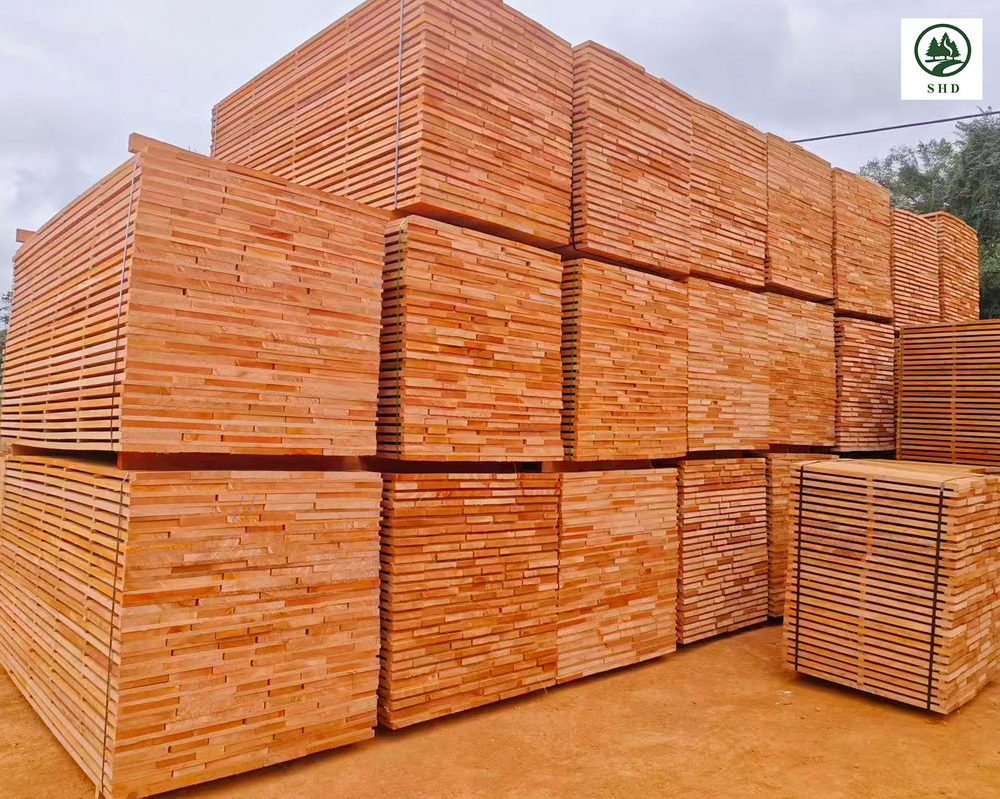
Sycamore brings a softer, more subtle design language with its pale color ranging from almost white to light yellow and its fine, interlocked grain. In smaller apartments, minimalist interiors, or Scandinavian-inspired spaces, a light-toned live edge table can make the room feel brighter and more open than dark species. [facebook]
With good stability and moderate durability, sycamore works well for dining tables and occasional-use surfaces when paired with a suitable finish that protects against stains and moisture. It is especially appealing to homeowners who love the organic feel of live edge design but prefer a clean, airy aesthetic instead of heavy, dark tones. [newenglandtablecompany]
African Mahogany (*Khaya ivorensis*) is widely used in high-end furniture, doors, and paneling, and it translates beautifully into live edge tabletops. Its color ranges from light pinkish-brown to deeper reddish-brown and develops a rich patina over time, which many designers associate with classic, refined interiors. [shdtimber]
This species finishes exceptionally smoothly, making it ideal when you want a silky, hand-rubbed look that still showcases grain and natural edge character. In hospitality, corporate, and residential projects across Africa, Asia, and Europe, African Mahogany live edge tables strike a balance between premium appearance, manageable cost, and stable supply from experienced African timber exporters. [woodensure]
Maple, including figured types like Birdseye and Curly Maple, is a top choice when you need a light-colored, hard-wearing surface. Its tight, even grain and creamy tone pair well with contemporary, Japanese, and Scandinavian-inspired interiors where visual noise is kept low. [facebook]
Maple's hardness and wear resistance make it highly practical for family dining tables, kitchen islands, or worktops where daily use, children, and frequent cleaning are realities. When you choose a highly figured maple slab, the live edge and grain pattern add a subtle elegance that looks especially striking under clear or matte finishes. [streettreerevival]
Some species receive less attention yet can deliver spectacular live edge tables when sourced and processed correctly. These woods are particularly attractive for designers and brands who want to differentiate their collections. [facebook]
- Sequoia (Giant Redwood) – Known for tight, straight grain and signature salmon-red color, Sequoia offers a dramatic yet serene look but is relatively soft, so it works best for showpiece or occasional-use tables with protective finishes. [facebook]
- Buckeye Burl – Famous for wild grain, voids, and swirls of color, Buckeye Burl slabs are often used in epoxy "river" tables, where voids are filled to create high-impact art pieces rather than everyday work surfaces. [streettreerevival]
- Mappa Burl – Derived from European Poplar, Mappa Burl features light brown heartwood with dark speckles, creating a visually complex surface that remains surprisingly affordable for custom designs compared with some other burl species. [facebook]
When you are ready to purchase a live edge slab, use this simple checklist to assess options from mills, timber yards, or exporters. [newenglandtablecompany]
1. Clarify the use scenario
- Daily family dining table, occasional-use console, commercial bar top, or executive desk.
2. Confirm slab dimensions
- Length, width, and thickness after trimming, flattening, and sanding; be sure it fits your space and base design. [streettreerevival]
3. Inspect grain and natural features
- Decide whether you prefer dramatic cathedral grain or a calm, uniform flow; evaluate knots, cracks, and voids as either features or potential repair points. [streettreerevival]
4. Check moisture and drying method
- Ask whether the slab is kiln-dried or air-dried and verify moisture content to minimize later movement and warping. [streettreerevival]
5. Evaluate edge shape and character
- Some slabs have wild, wavy edges; others are more subtle and linear—choose based on your interior style and base design. [streettreerevival]
6. Discuss finishing and maintenance
- Clarify if the table will use oil, hardwax oil, or a film finish like polyurethane, which affects color depth, repairability, and long-term protection. [newenglandtablecompany]
For large-format live edge tables, especially for export to markets like Vietnam, Europe, and North America, African hardwoods have become a strategic choice due to their combination of size, performance, and supply consistency. [shdtimber]
- Consistent access to large-diameter logs – Many African species, such as Padauk, Mahogany-like timbers, and other regional hardwoods, can be sourced in sizable diameters, making it easier to produce wide, single-piece slabs suitable for live edge dining tables. [shdtimber]
- High-density, durable species – African timbers often exhibit excellent hardness and natural durability, which is crucial for furniture that must withstand years of intensive use. [shdtimber]
- Scalable export logistics – With established export volumes reaching thousands of tons and hundreds of containers per month across markets such as Vietnam and other global destinations, professional African timber suppliers can provide stable supply, predictable lead times, and consistent grading. [shdtimber]
For furniture brands, importers, and workshops, partnering with a specialized African timber exporter makes it possible to secure regular shipments of species like Takula Padauk and African Mahogany in the dimensions and qualities required for live edge projects.
Interior and furniture trends in 2026 show strong demand for deep, moody wood tones, oversized slabs, and matte finishes that highlight grain without heavy gloss. Dark species such as walnut and richly colored African hardwoods align perfectly with this "dark wood renaissance," while live edge designs reinforce the broader move toward authenticity and nature-inspired interiors. [woodensure]
At the same time, buyers are more conscious of sustainability and responsible sourcing, looking for suppliers who can demonstrate legal harvesting, traceability, and long-term forest management for African species. This makes E-E-A-T-aligned, transparent communication about timber origin, processing, and quality control a key differentiator for serious suppliers and brands. [woodensure]
Use this quick guide to match the right live edge wood to your specific interior scenario. [moruxo]
- Modern luxury dining room – Choose Walnut or richly colored African Mahogany with a matte finish and a slim metal or minimalist wood base.
- Bright, minimalist apartment – Opt for Maple or Sycamore to keep the room airy; pair with light walls and simple chairs.
- Statement commercial space – Go bold with Takula Padauk or a Buckeye Burl epoxy table as a centerpiece in hotel lobbies, offices, or restaurants.
- Nature-inspired, organic interiors – Consider Sequoia or other character-rich slabs with visible knots and sapwood, using a natural oil or hardwax finish.
When working with an African timber exporter for live edge projects, asking the right questions upfront ensures consistent quality and on-time delivery. [shdtimber]
- What species and grades are available for large live edge slabs (length, width, thickness)?
- Can you provide information on origin, harvesting practices, and relevant documentation for compliance in the destination country?
- How are logs and slabs processed, dried, and inspected before shipment to control cracking and warping?
- What is your monthly export capacity in tons or containers for key species like Padauk and Mahogany-like hardwoods?
- Can you support custom cutting, pre-flattening, or basic machining to align with the buyer's production workflow?
Professional suppliers with long-term experience in African timber and regular shipments to markets such as Vietnam and other global destinations are better positioned to provide stable, scalable support to live edge furniture makers and wholesalers. [shdtimber]
If you are planning your next line of live edge dining tables, bar tops, or custom furniture, choosing the right species and the right supplier will define both the look and the long-term performance of your products. For brands, workshops, and importers seeking stable volumes of African hardwoods—including Takula Padauk and African Mahogany—partnering with a specialized exporter that understands both design trends and industrial logistics is essential. [moruxo]
Get in touch with a dedicated African timber specialist to discuss species options, slab dimensions, and export solutions tailored to your market, and start building live edge collections that stand out in both craft and scale.
1. What is the best wood for a live edge dining table?
Walnut is often considered the top choice for high-end live edge dining tables thanks to its rich color, good hardness, and long-term stability, but African Mahogany and Takula Padauk are excellent alternatives for warmer or bolder aesthetics. [facebook]
2. Are live edge tables durable enough for everyday family use?
Yes. When you choose a hard, stable species such as Walnut, Maple, or dense African hardwoods and combine it with proper drying and a quality finish, live edge tables can handle daily dining, work, and entertaining for many years. [facebook]
3. Do live edge tables warp or crack over time?
Any solid wood can move, but properly dried slabs from experienced suppliers are far less likely to warp or crack, especially if they are sealed on all sides and kept away from extreme humidity and temperature swings. [newenglandtablecompany]
4. Are African hardwoods sustainable for live edge furniture?
African hardwoods can be a responsible choice when sourced from suppliers who follow legal harvesting practices, maintain traceable supply chains, and align with modern expectations around sustainability and forest management. [woodensure]
5. How do I maintain a live edge table?
Use a soft cloth for daily cleaning, avoid standing water and direct heat, and refresh oil or hardwax finishes periodically; film finishes like polyurethane may require less frequent maintenance but can be harder to repair locally. [newenglandtablecompany]
- K-Timber. "Top 5 Wood for Live Edge Table." [Link] [facebook]
- Street Tree Revival. "Live Edge Slabs 101: How to Choose the Right Slab for Your Project." [Link] [streettreerevival]
- New England Table Company. "Live Edge Tables: A Buyer's Guide (Wood, Edges, Care)." [Link] [newenglandtablecompany]
- Moruxo. "Live-Edge Furniture Trends Shaping Modern Interiors in 2026." [Link] [moruxo]
- WoodEnsure. "Top Furniture Trends for 2026: Modern Wooden Interior Designs." [Link] [woodensure]
- SHD Timber / SENHEDA WOOD. "About Us." [Link] [shdtimber]
- SENHEDA WOOD. "Custom Azobe Wood, Bulk Bilinga Wood, Eyoum …" [Link] [shdtimber]
- Facebook. "Best wood for a live edge dining table?" Discussion post. [Link] [facebook]


