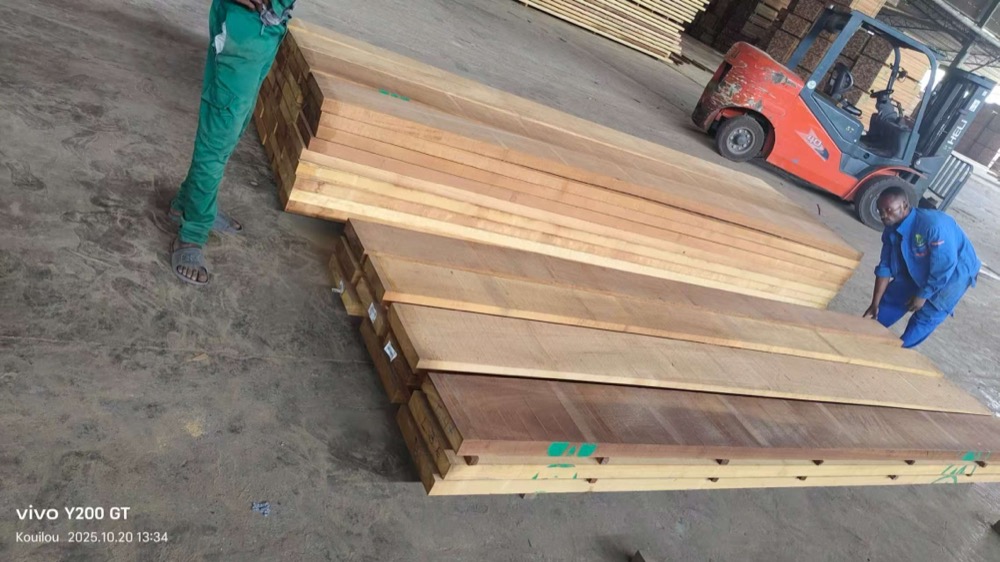
Views: 222 Author: SENHEDA WOOD Publish Time: 2026-06-15 Origin: Site
Egyptian buyers are notoriously cautious when switching timber species. The harsh conditions along the Mediterranean and Red Sea – high humidity, salt spray, intense sunlight, and dramatic temperature swings – leave little room for error. Yet in the last six months, six workshops have begun using Iroko (Milicia excelsa) as a primary material for windows and doors. Here is what they discovered.
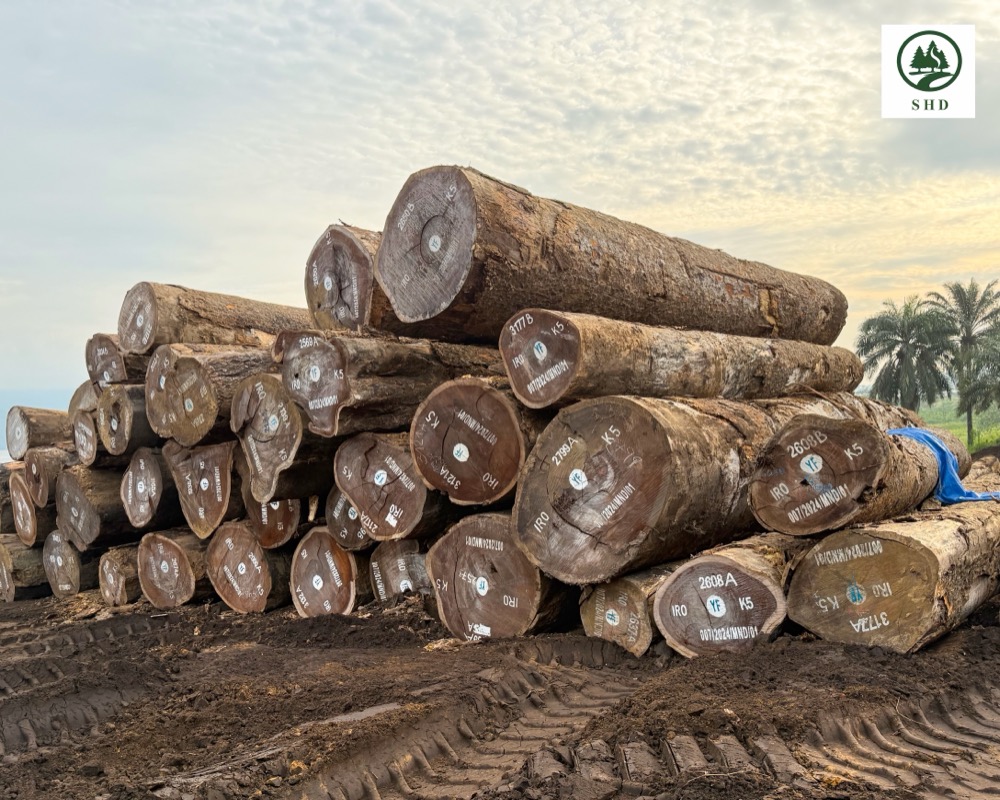
Teak used to be the default choice for high end joinery in Egypt. But teak prices have nearly doubled in three years, and supply chains are unstable due to CITES restrictions and situation in Myanmar.
Iroko heartwood is naturally durable, rated Class 2 (highly durable) under EN 350 – comparable to teak. Its resistance to termites, fungi and marine borers is equally good, if not slightly better. At the same FAS grade, Iroko costs only 60–70% of teak. For a workshop using 100 m³ per year, the savings can cover two workers‘ annual wages.
Egypt’s desert climate brings daytime summer temperatures above 40°C, then cool nights, plus alternating dry and humid periods. Many alternative woods warp or crack after just one or two rainy seasons, causing doors that won’t close or leaky windows.
Iroko has an air dry density of 0.65–0.85 g/cm³ and low to moderate shrinkage among commercial hardwoods. Properly kiln dried Iroko stays flat even after five or six years in the sea breeze of Alexandria. The biggest post installation headache – distortion and jamming – is rarely an issue with Iroko.
Most Egyptian joinery workshops are semi manual. Tooling and operator skill vary widely. Some ultra hard timbers (like Azobe) eat saw blades and require pre drilling for every nail, causing complaints and slowing production.
Iroko‘s Janka hardness (approx. 1,210–1,650 lbf) is manageable. It does contain silica and will dull cutters faster than softwoods, but it is nowhere near a “tool killer”. Workers report smooth cutting, fine sanding surfaces, and nailing without splitting. No new machinery. No extra training.
High end residential and tourism developments in Egypt demand good looks. Freshly cut Iroko ranges from yellow brown to dark brown with a natural golden lustre. Over time it weathers to a silver grey very similar to aged teak. But compared to teak‘s uniform silver, Iroko offers richer grain – alternating light and dark stripes that give a handcrafted feel.
Some workshops now actively promote Iroko to developers: “A West African hardwood even more salt resistant than teak, at a friendlier price.” Client acceptance has been surprisingly high.
This is what procurement managers appreciate most. Teak often takes two or three months to fill one container. Iroko is sourced mainly from Gabon, Republic of Congo and Cameroon – supplies are relatively stable. Suppliers like HONG KONG SENHEDA WOOD LIMITED maintain their own mills and long term concession rights in Congo and Gabon, keep safety stock of standard specifications, and can ship 15–20 days after contract confirmation. For time sensitive projects, that lead time difference can determine whether you meet your deadlines.
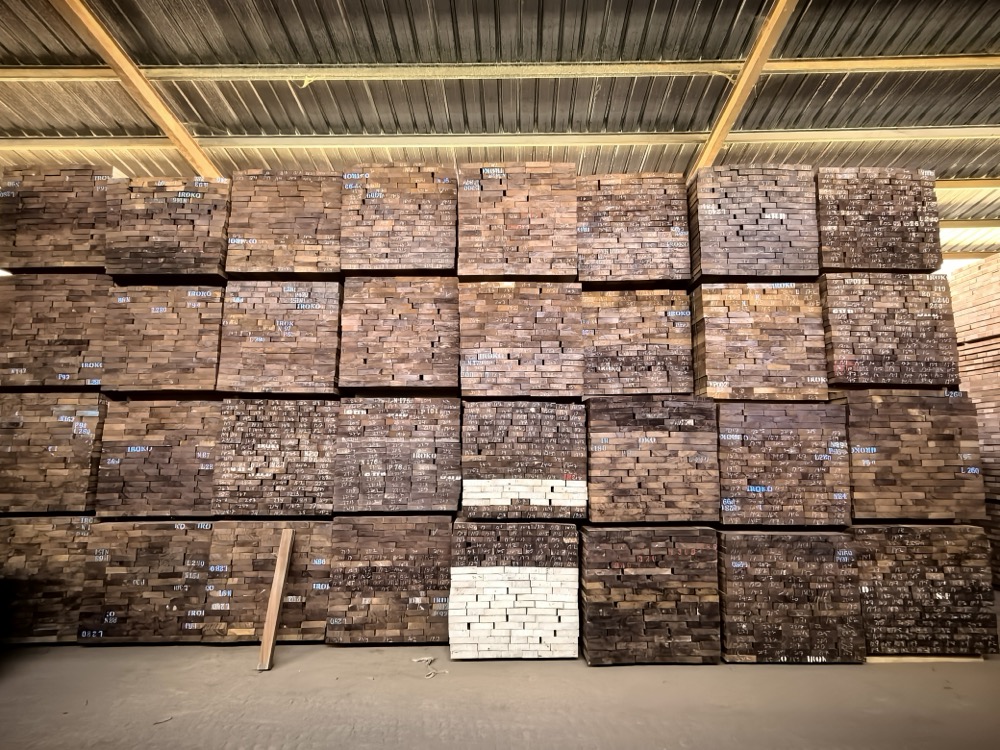
The six Egyptian workshops didn‘t discover a secret. They discovered a simple business fact:
When teak prices are out of control and supply chains are chaotic, Iroko offers equal performance, lower cost, and more reliable availability.
They are not “settling” for Iroko. They are choosing it. Because the numbers don‘t lie – harder, cheaper, more stable.
If you are specifying materials for a coastal project, a high end residential development, or commercial real estate in Egypt, take a look at Iroko.
HONG KONG SENHEDA WOOD LIMITED
WhatsApp / WeChat / Call:
+86 13534205619 (Anna Liu)
+86 13530895049 (Vivian)