
Views: 0 Author: Site Editor Publish Time: 2026-11-24 Origin: Site


When importing African hardwoods such as Iroko, Sapelli, Okoume, or Sipo, one important decision is whether to choose air-dried (AD) or kiln-dried (KD) timber.
While AD timber often comes with a lower purchase price, KD timber offers better moisture control and dimensional stability.
But is cheaper timber always the more economical choice?
The answer depends on your intended application, quality requirements, and total import costs.
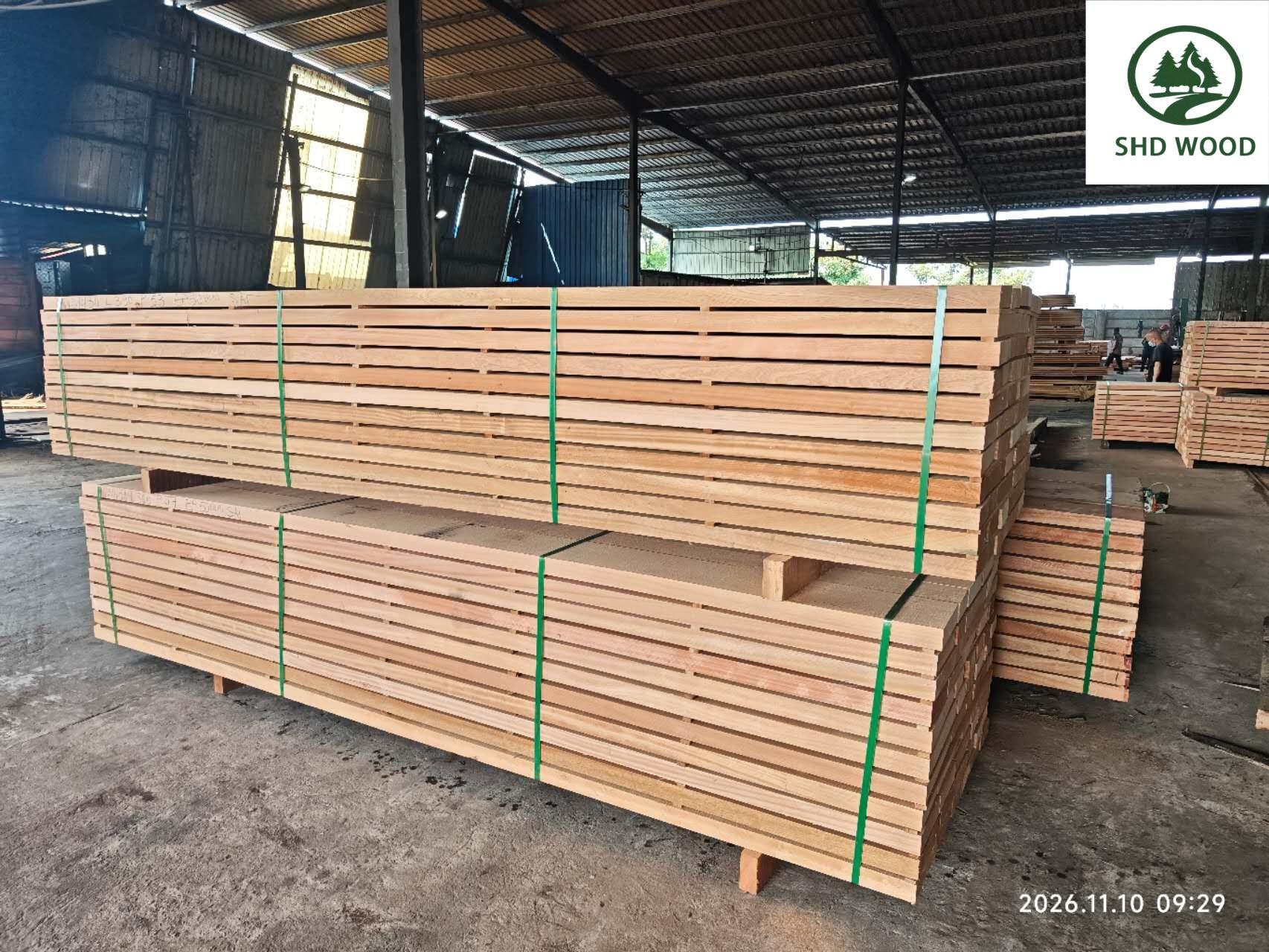

Air-Dried (AD) Timber
AD timber is dried naturally through air circulation, without using an industrial drying kiln.
Its final moisture content depends on the local climate, drying duration, species, and timber thickness.

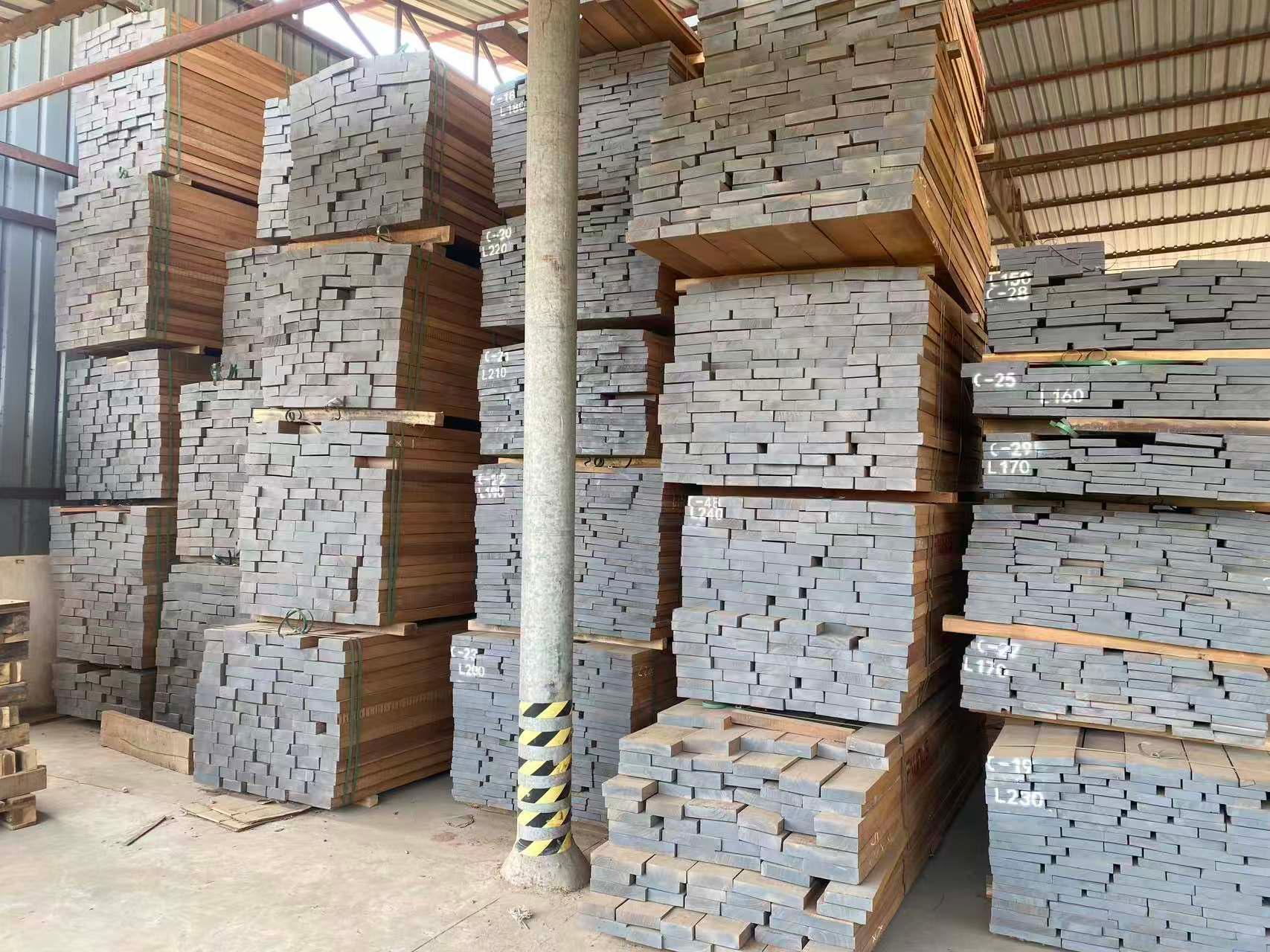
Kiln-Dried (KD) Timber
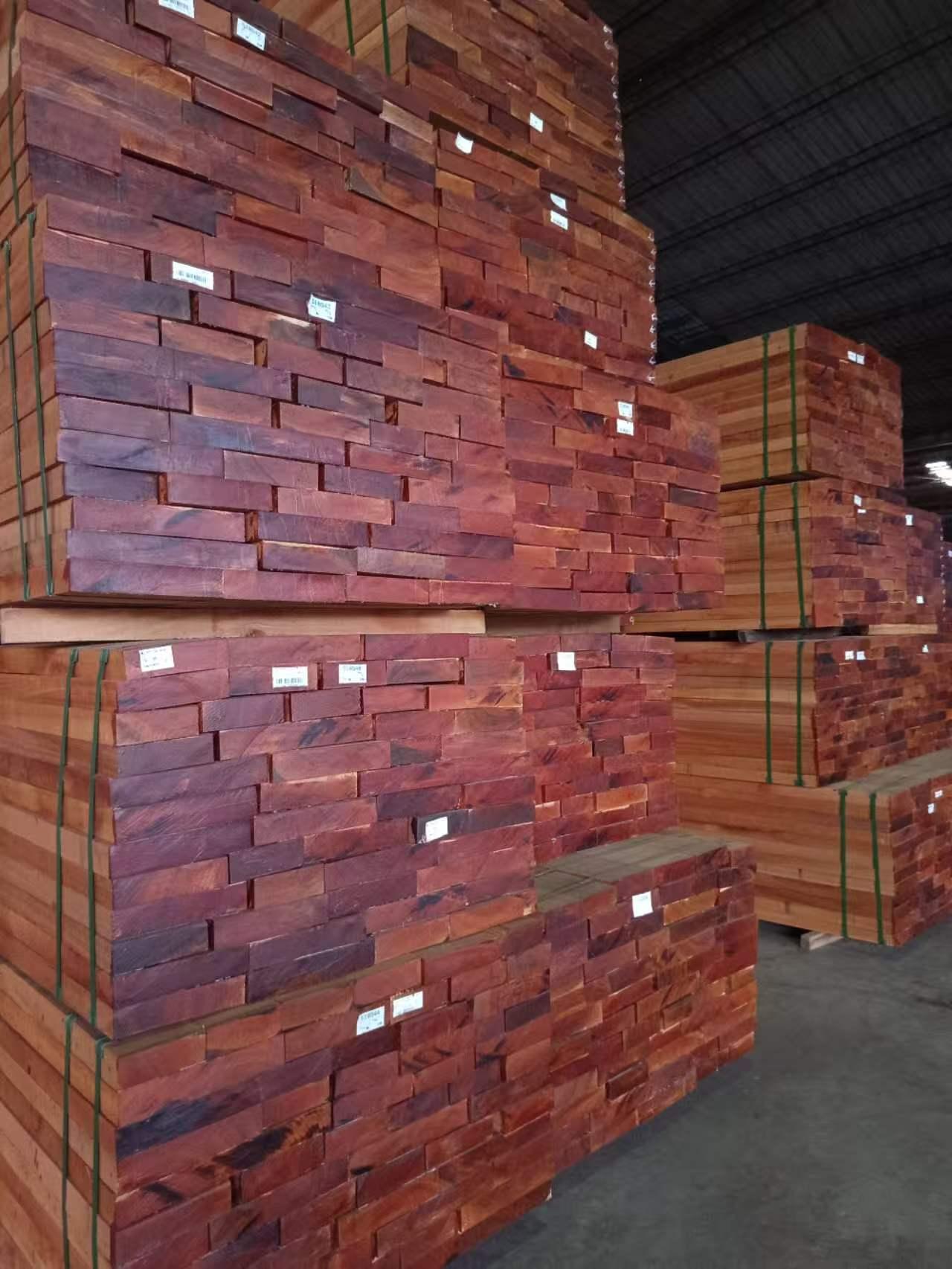
KD timber is dried in a controlled chamber where temperature, humidity, and airflow are regulated.
This allows the timber to reach a more specific moisture content, making it suitable for applications requiring greater dimensional stability.
Drying Process: AD timber dries naturally through air circulation, while KD timber is dried in a controlled kiln with regulated temperature and humidity.
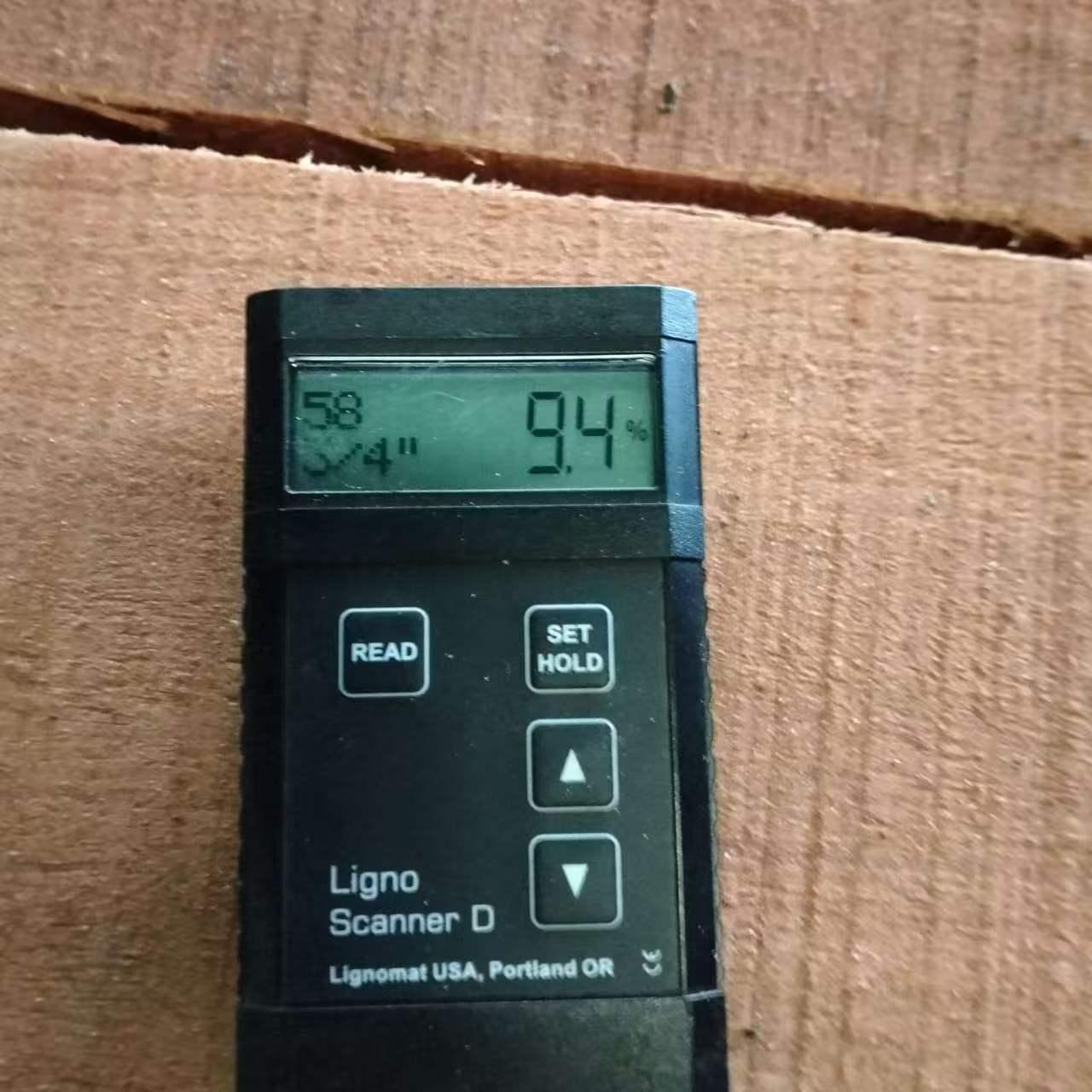
Moisture Content: AD timber's moisture content depends on climate and drying conditions. KD timber offers more precise moisture control.
Cost & Drying Time: AD timber is generally cheaper but requires longer, weather-dependent drying. KD timber costs more but offers a more predictable drying process.
Stability & Applications: AD timber is often suitable for further processing or applications where its moisture level is acceptable. KD timber is generally preferred for furniture, flooring, and interior joinery where dimensional stability is important.
The key difference: AD timber offers a lower initial cost, while KD timber provides more consistent moisture control and can reduce additional processing requirements.
The purchase price is only part of the total cost.
AD timber may appear more affordable initially, but importers should also consider:
· Additional drying costs: Further kiln drying may be required before manufacturing.
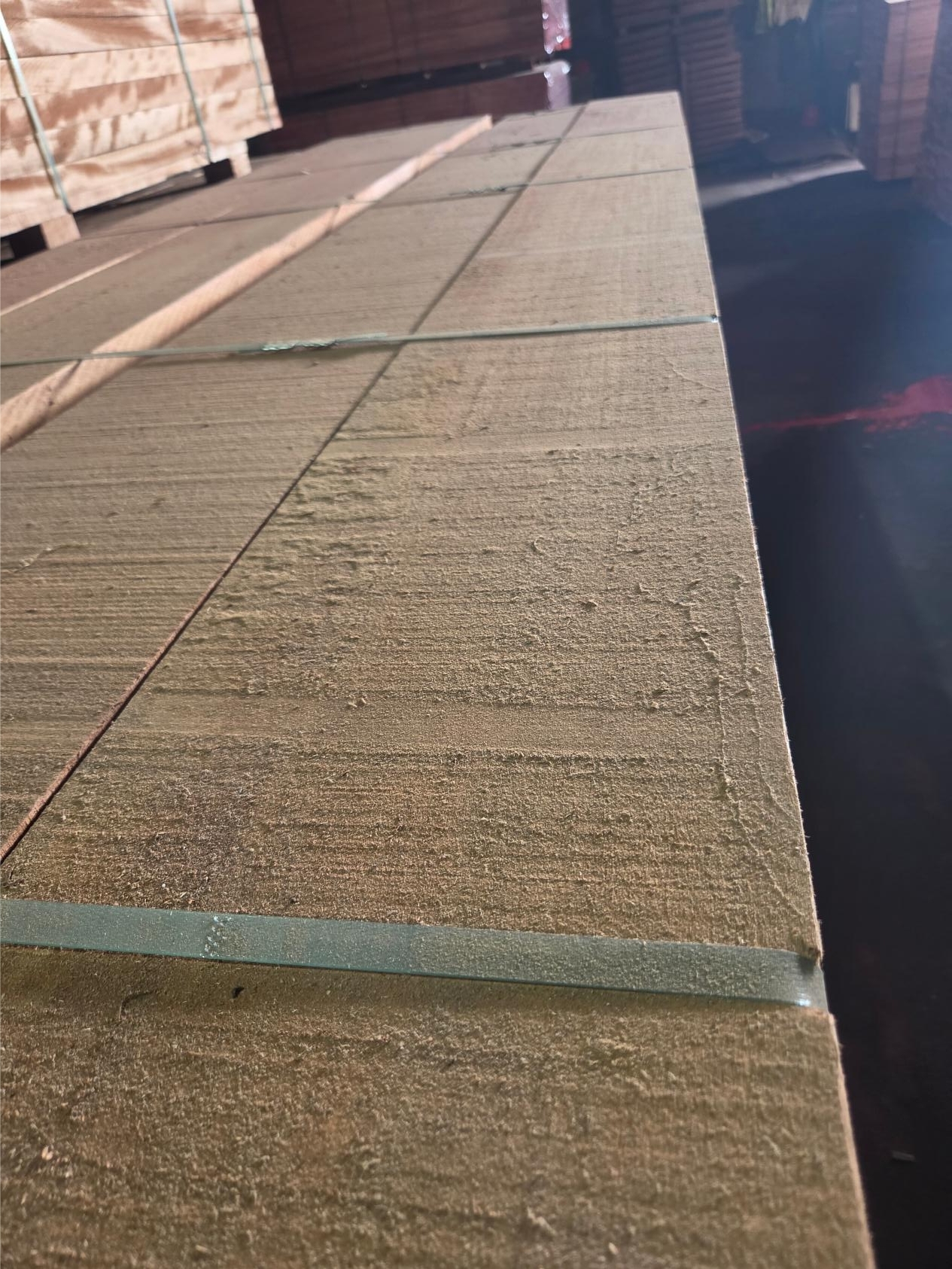
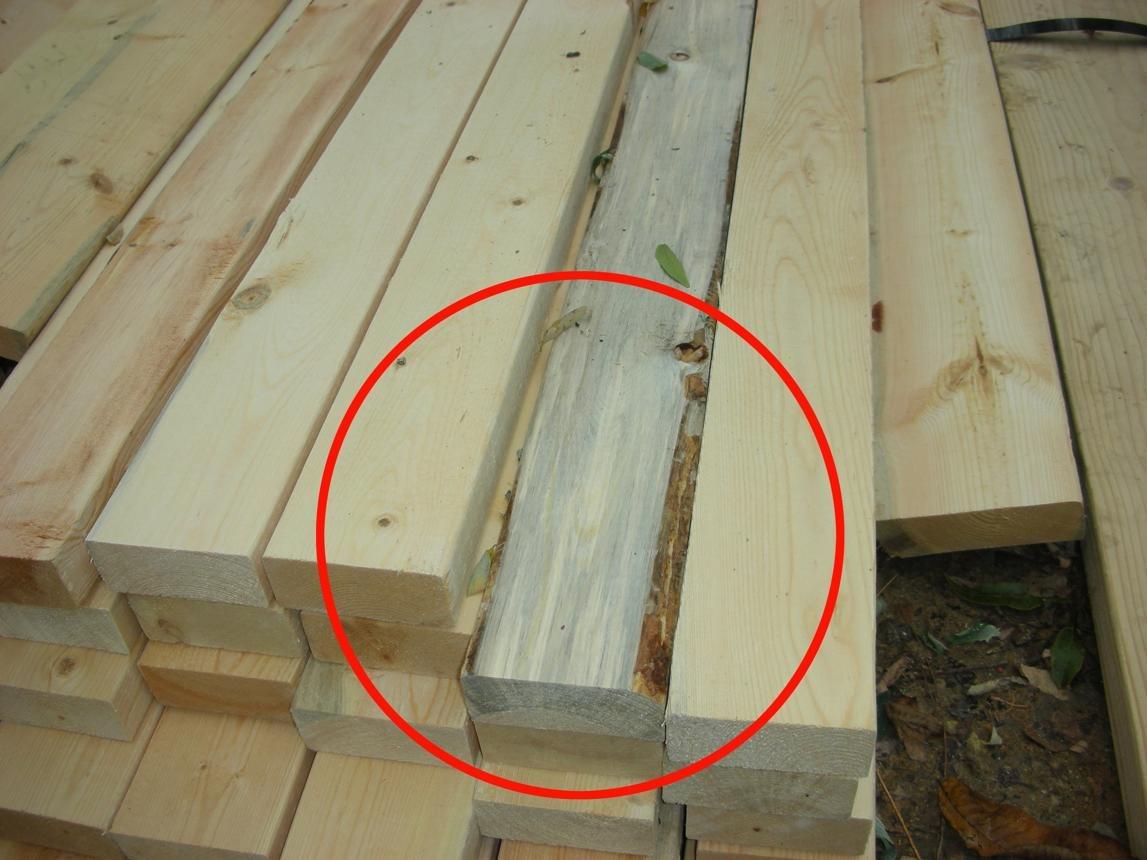
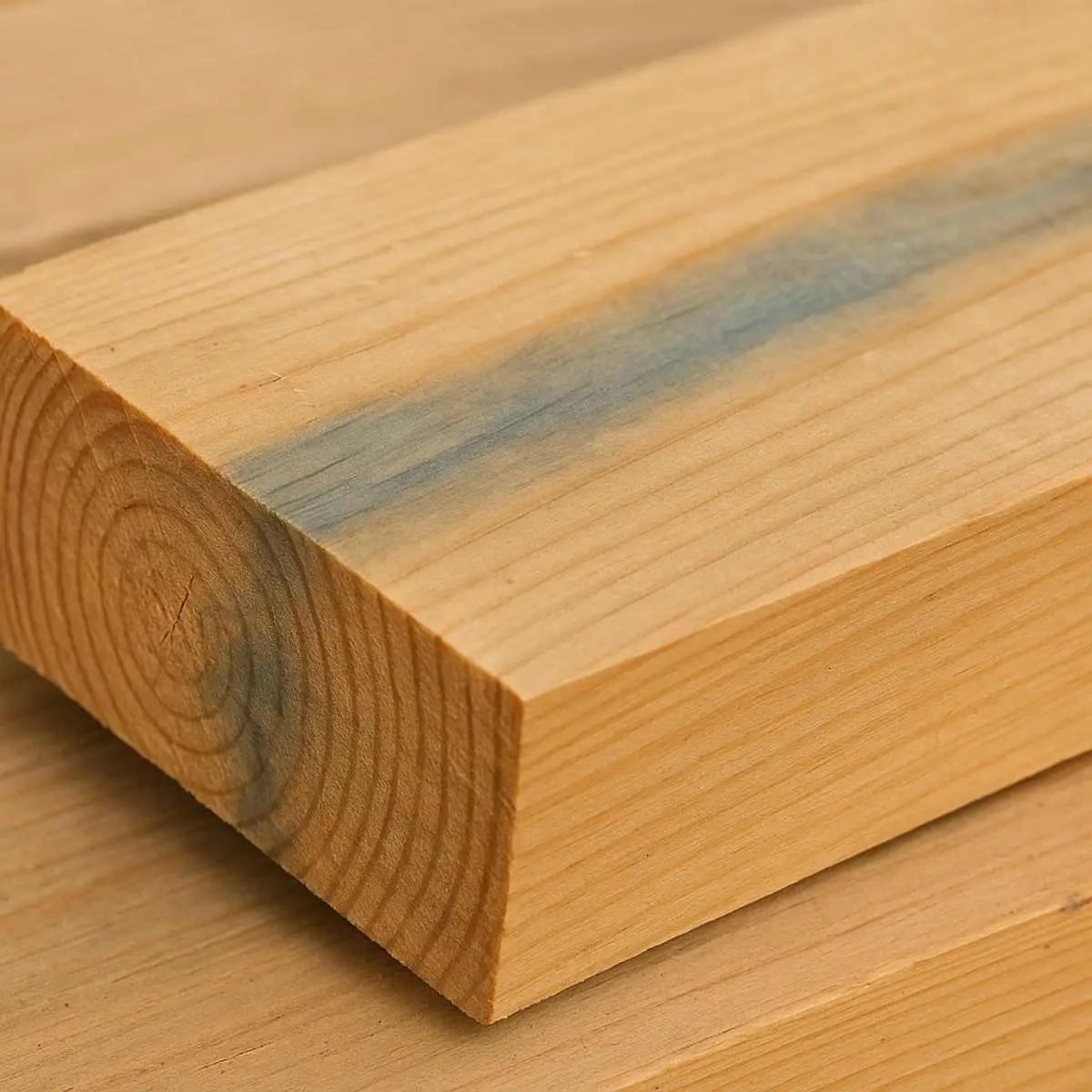
· Quality risks: Improper drying or storage can increase the risk of blue stain, mold, or dimensional changes. (In particolare Okoume, Limba (Frake), Ayous (Wawa/Samba)
· Shipping costs: Higher moisture content can increase shipment weight and may affect container loading capacity.
· Processing losses: Additional drying and handling may result in shrinkage or defects.
For example, if AD Okoume requires further drying after arrival, the additional processing costs and potential losses may reduce or eliminate the initial price advantage.
The lowest FOB price does not always mean the lowest final cost
There is no single answer for every importer.
Choose AD timber when:
· You have your own drying facilities.
· The timber will undergo further processing.
· Your application can accommodate its actual moisture content.
· You want to manage drying costs locally.
Choose KD timber when:
· You manufacture furniture, doors, flooring, or interior products.
· You need a specified, controlled moisture content.
· You want to reduce additional drying requirements after arrival.
· Consistent processing performance is a priority.
Remember, even kiln-dried timber can absorb moisture during storage and transportation. Proper packaging, loading, and storage remain essential.
Both AD and KD African timber have their advantages.
The right choice depends on how you plan to use the wood, your processing capabilities, and the total cost after delivery.
Before placing an order, confirm the required species, dimensions, grade, moisture content, and drying method with your supplier.
At SHD WOOD, we supply African hardwoods including Iroko, Sapelli, Okoume, Sipo, and more, with AD and KD options depending on species and availability.
We are happy to discuss your requirements and help you select suitable timber for your market.
Anna Liu WhatsApp / WeChat / Call: +86 135 3420 5619
Vivian Jiang WhatsApp / WeChat / Call: +86 135 3089 5049
Email: vivian@shdwood.com
Website: www.shdtimber.com
SHD WOOD | Your Reliable African Hardwood Supplier


