
Views: 0 Author: Site Editor Publish Time: 2026-11-24 Origin: Site


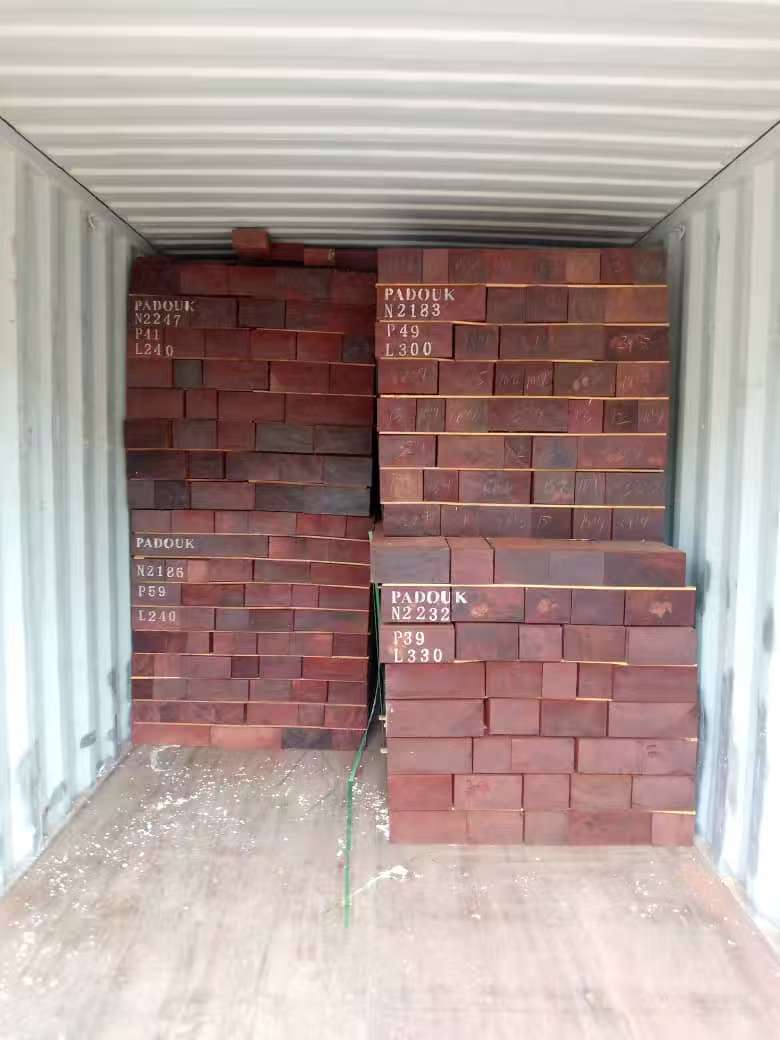
The journey of timber does not end when it leaves the sawmill. During a long ocean voyage, the cargo may be subjected to shifting climatic conditions and repeated temperature fluctuations. Within a sealed shipping container, moisture can migrate between the timber, the air, the packaging materials, and the dunnage. Our goal is not to render the timber entirely immune to its environment, but rather—through proper pre-treatment and packaging—to ensure that routine external changes do not escalate into preventable damage.
Inside a container: a changing microclimate
Wood is hygroscopic, meaning it can absorb or release water vapor in response to changes in ambient humidity. Moisture may originate from the wood itself, from humid air trapped during the loading process, from damp packaging materials, or from pallets and dunnage that have been exposed to moisture. When warm, humid air cools upon contact with the roof or walls of a shipping container, it may reach its dew point and condense into water droplets. The CTU Code (Code of Practice for Packing of Cargo Transport Units) identifies this condensation as a recognized risk during long-distance transport.
CONTAINER RAIN
Droplets form on the cooler roof or walls and may drip onto the top of the timber bundles.
CARGO SWEAT
Moisture condenses directly on a cooler timber surface when warm, humid air meets it.
What can change - and how can buyers reduce the risk?
What timber may experience during transit
01 MOISTURE & DIMENSIONS
Timber may gain or lose moisture. Changes in moisture content can lead to swelling or shrinkage; the extent depends on species, board size, initial condition and the environment.
02 STAINS & MOULD
Repeated or prolonged wetting can leave water marks and create conditions that favour mould or fungal staining. Condensation does not mean every shipment will develop mould, but it should be managed.
03 MOVEMENT & IMPACT
Ship motion, lifting and handling can make poorly secured bundles shift or rub. Inadequate blocking and bracing can lead to damaged edges, straps or packaging.
Protection begins before the container doors close
✓ Agree the moisture target. Specify AD or KD and the required moisture content for the intended use and destination. Check representative boards and record the measurement method.
✓ Start with a dry container. Inspect the roof, doors, seals and floor for holes, leaks, residue or standing water. A container should be clean and dry before loading.
✓ Keep packing materials dry. Use dry pallets, stickers and dunnage. Wet spacers can add moisture to the container even when the timber itself has been prepared properly.
✓ Plan protection and airflow. Choose wrapping, spacers and desiccants for the cargo and route. Desiccants are not a substitute for dry timber and dry packing materials; ventilation is not automatically beneficial in every climate.
AFTER ARRIVAL: THE DESTINATION CLIMATE MATTERS
If cold timber is moved into a warm, humid environment, moisture can condense on its surface. The CTU Code advises allowing cold cargo to warm sufficiently before unpacking in such conditions. Conversely, cargo arriving warm in a cold climate may need prompt unpacking and adequate ventilation. Plan the receiving process around the actual route and local conditions.
A practical checklist for importers
Before shipment, confirm: (1) species and dimensions; (2) AD/KD condition and agreed moisture target; (3) how moisture was measured; (4) packaging and dunnage condition; (5) container inspection and cargo securing; and (6) the plan for unloading and storage after arrival. On receipt, photograph any visible water or handling damage, check the timber condition and moisture content, and notify the relevant parties promptly if a problem is found.
A successful timber shipment is not only about what leaves the sawmill. It is also about how the cargo is prepared, protected and handled until it reaches the buyer.


